
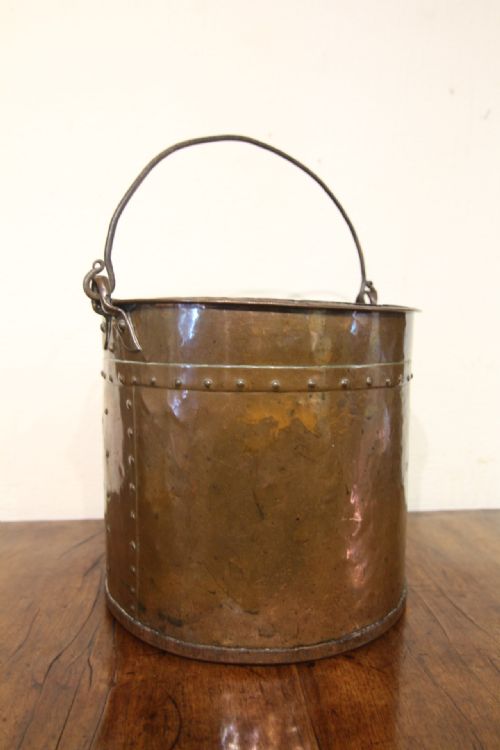


Vintage Log Holder Container
A vintage log holder container sits by the hearth to hold fuel, drawing on materials like brass, copper, iron and oak.
Vintage Log Holder Container
A vintage log holder container brings practical fireside storage into the room through traditional vessels like coal buckets, bins, and jardiniere pots. These pieces emerge primarily from the Victorian and Edwardian eras, spanning the nineteenth and early twentieth centuries.
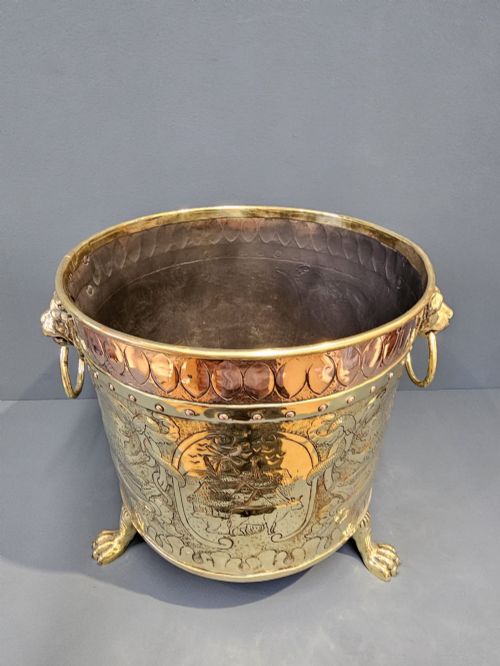
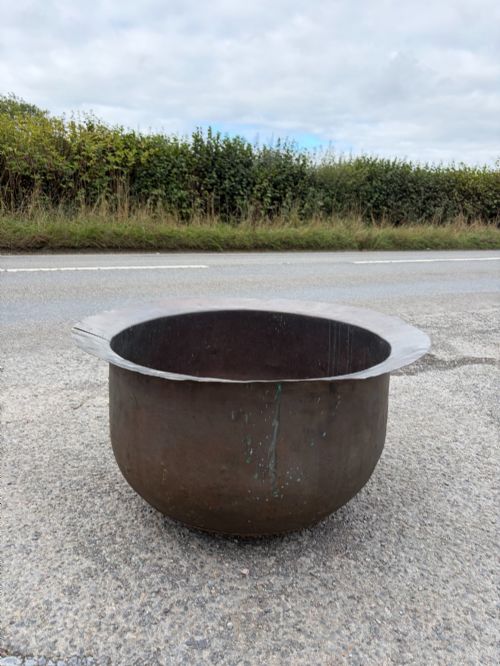
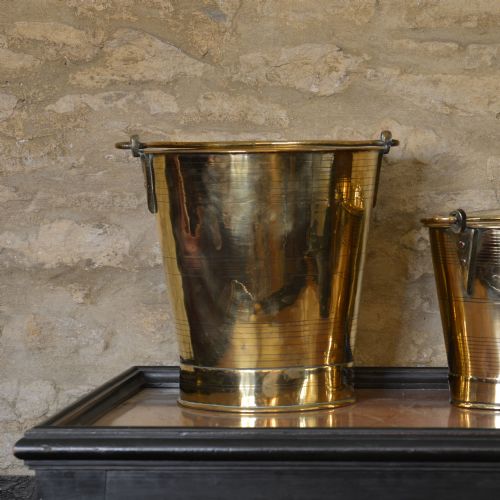
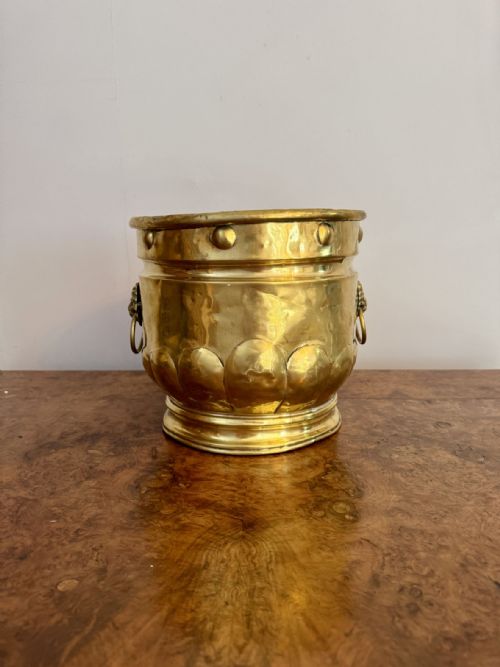
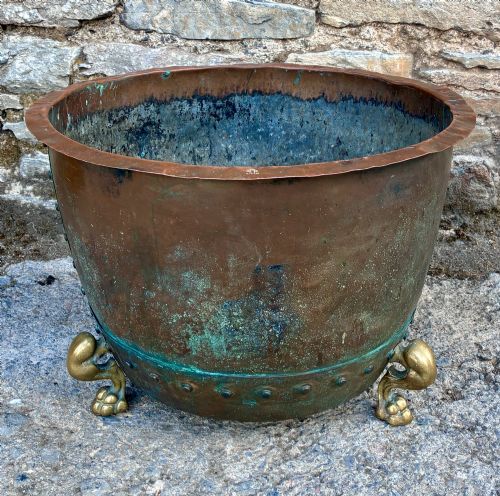
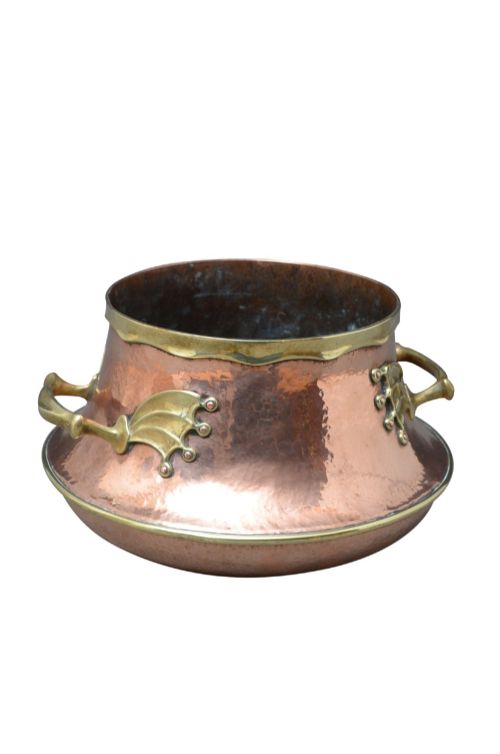
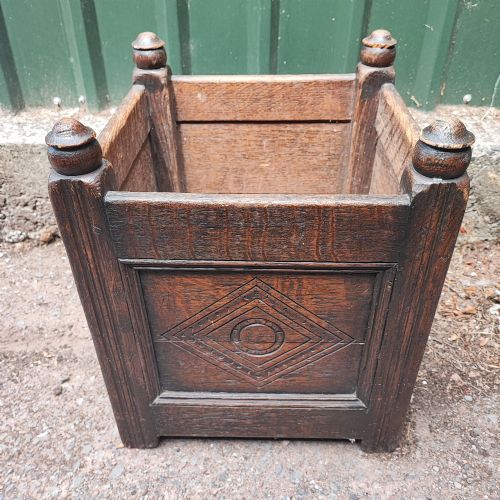
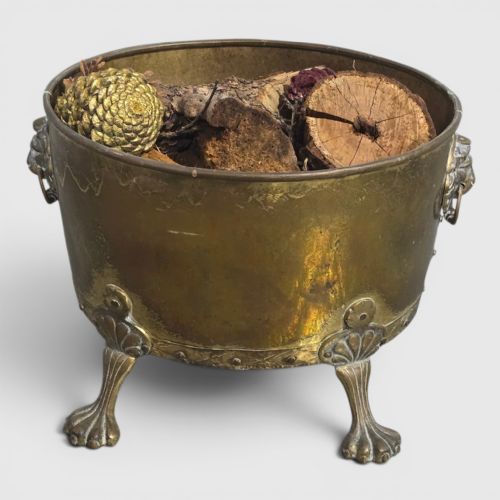
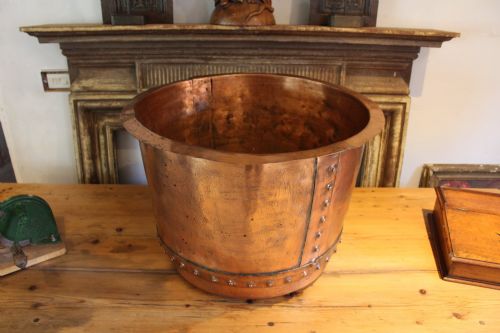
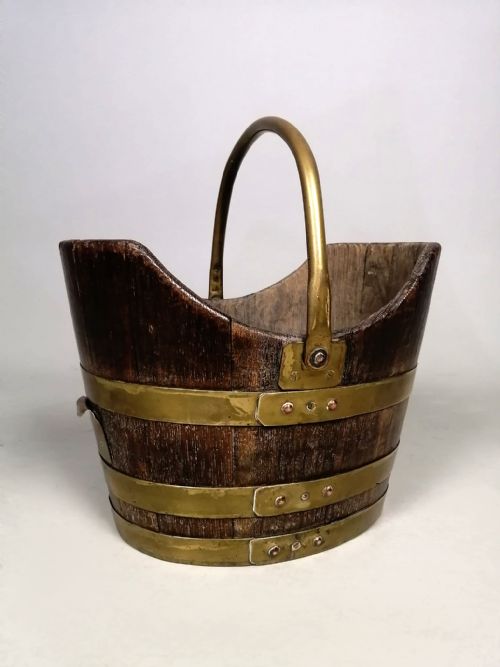
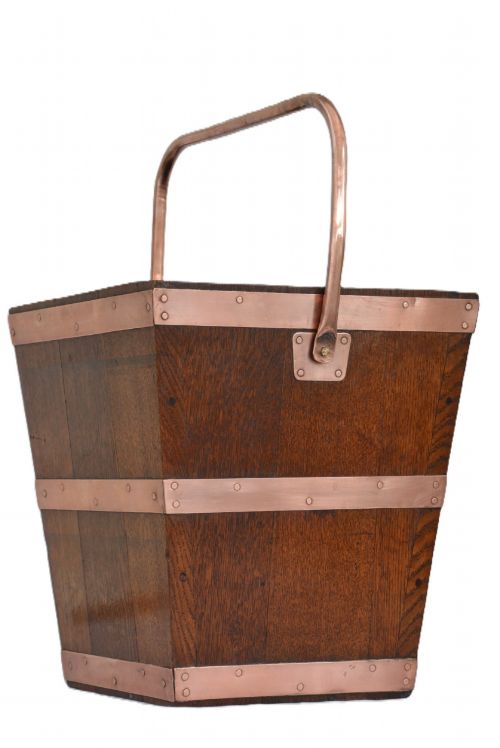
The most common versions met on this page are hammered or riveted copper and brass vessels, often detailed with swing handles, iron frames, or contrasting metal bands. Alongside metal forms, country pieces in oak and walnut appear as coopered fire buckets and sturdy log boxes.
Many items designed originally for coal or peat now serve functionally as log holders, while others double as garden planters and indoor plant pots. Their origins stretch from English workshops to Anglo-Indian trading routes, reflecting diverse domestic interiors of the past.
Materials and Construction
Metal vessels rely heavily on sheet brass and copper, shaped by hand or machine and joined with visible rivets that give industrial strength to the structure. Iron and wrought iron provide sturdy swing handles, frames, and bands, often fastened securely to the softer copper and brass bodies.
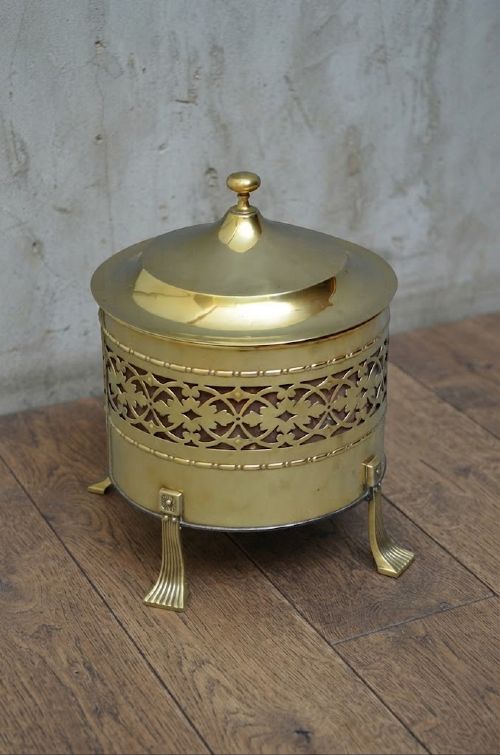
Wooden examples utilise traditional cooperage techniques, binding staves of solid oak, walnut, or timber with tight metal hoops to create durable receptacles for heavy fuel. Surface ornamentation ranges from embossed patterns and fretwork designs to plain polished metal and aged patination.
Listings feature items spanning the 19th and early 20th centuries, including Victorian and Edwardian periods.
Judging Quality
Quality rests on the weight of the metal and the integrity of the construction, where thicker gauge copper or brass and solid timber staves ensure long-term stability. Finer examples display clean, purposeful riveting and well-balanced wrought iron handles that support heavy loads without twisting.
Decorative detail distinguishes standard utility pieces from exceptional items, particularly when embossing, fretwork, or brass banding is executed with precision rather than rushed assembly. The preservation of original surface patination and matching hardware elevates the character of an individual vessel.
Henry Loveridge
The Vintage Log Holder Container Glossary
- Coopered
- Made with staves of wood fitted together and bound by hoops, traditionally used for buckets and barrels.
- Jardiniere
- An ornamental pot or stand for flowers and plants, frequently adapted from metal coal containers.
- Fretwork
- Ornamental design perforated or cut with a scroll saw, often seen on Edwardian brass work.
- Helmet scuttle
- A coal container shaped with a flared lip resembling a helmet, designed for pouring fuel cleanly.
- Patina
- The surface sheen and colour acquired by metal and wood through age, handling, and use.
Vintage Log Holder Container: Frequently Asked Questions
What is a vintage log holder container?
These pieces are traditional hearth receptacles originally built to store coal, peat, or logs near an open fire. They combine robust metal or wooden construction with decorative domestic utility.
Today, they function as practical fuel stores or as large planters for indoor greenery, bringing period character into living spaces.
How do I clean antique brass and copper?
Cleaning depends entirely on whether you prefer a bright polished finish or a deep, aged dark patination. Most collectors advise gentle dusting and mild soapy water to remove soot rather than harsh chemical polishes.
Scrubbing away the historical surface can strip the vessel of its character, so minimal intervention is generally recommended for older pieces.
Were these always used for logs?
Many of these vessels started life as coal buckets, coal scuttles, or peat bins during the Victorian and Edwardian periods. Their sturdy metal or coopered wood construction made them ideal for carrying heavy fuel from outdoor stores to the hearth.
Over time, changing heating methods transformed their primary role, allowing them to serve easily as log holders or garden jardiniere pots.
How do I date a metal log bin?
Dating relies on observing manufacturing techniques, such as hand-beaten surfaces, heavy riveting styles, and the specific composition of brass and copper. Stylistic markers like Arts and Crafts motifs or Art Nouveau curves also point towards the late nineteenth and early twentieth centuries.
Hardware details like wrought iron handles and the presence of makers' stamps help narrow the production period further.