





Vintage Lockable Chest
A vintage lockable chest secures valuables inside timber and metal compartments crafted across Georgian, Victorian, and Edwardian periods.
Vintage Lockable Chest
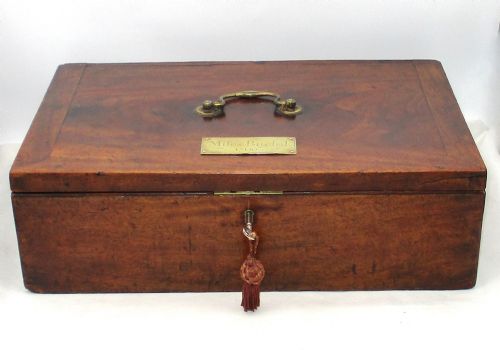
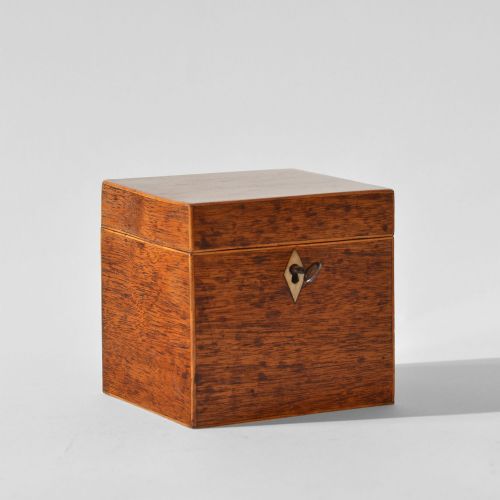
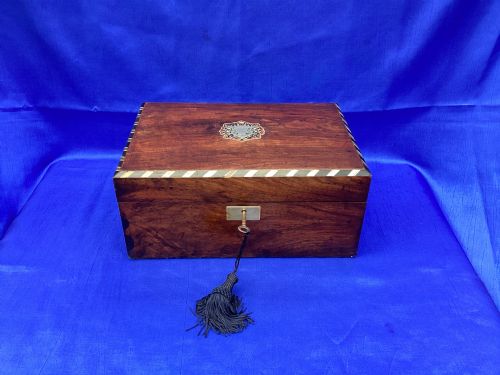
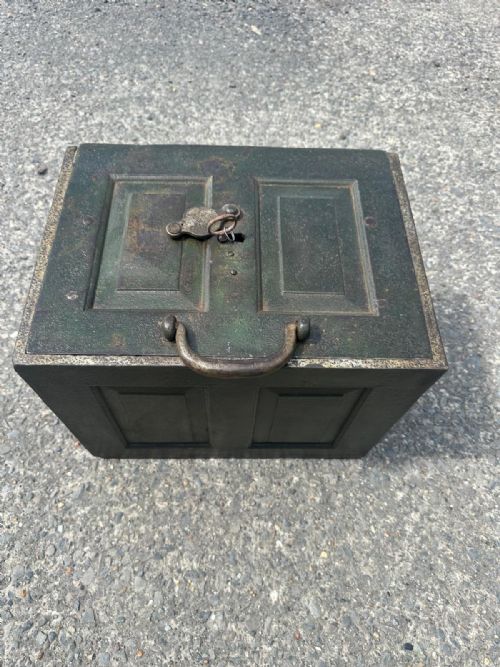
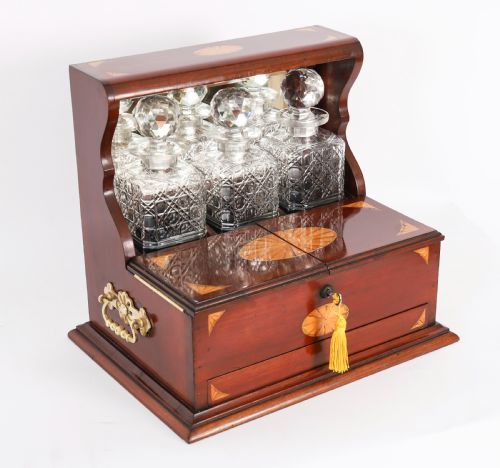
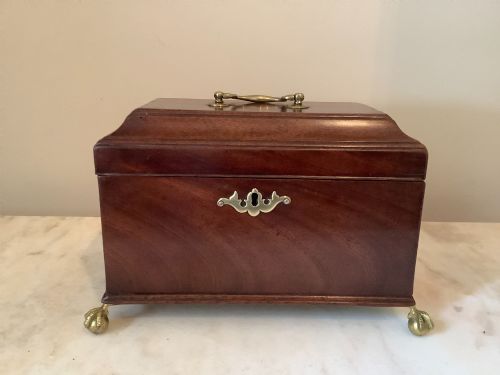
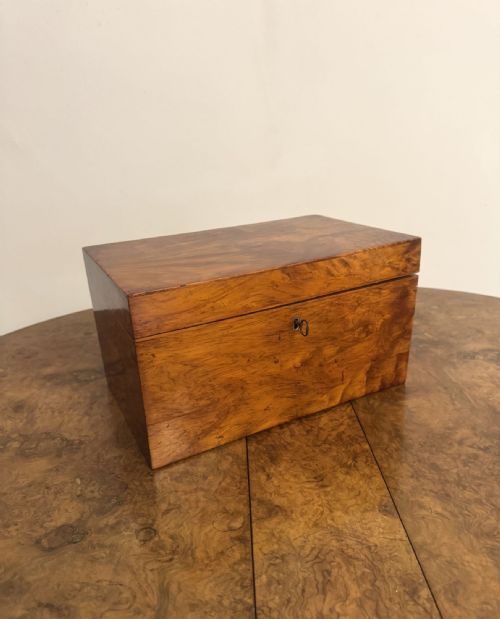
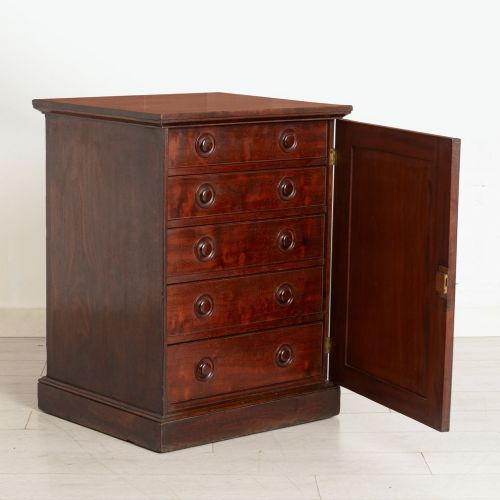
A vintage lockable chest encompasses various secured containers designed to hold tea, documents, jewellery, and valuables under lock and key. Buyers searching for a vintage lockable chest encounter diverse forms spanning tea caddies, document boxes, jewellery cabinets, strongboxes, and small chests of drawers. These containers appear across Georgian, Regency, Victorian, and Edwardian periods.
Tea caddies and jewellery boxes represent the most frequent forms found on this page, often equipped with working keys. Larger variations include strongboxes, chest safes, and Wellington chests constructed for household or institutional security. Woods and metals dominate the physical evidence across these diverse domestic objects.
Assessing quality in secured chests
Quality separates objects by the precision of timber selection, such as matching burr walnut veneers or delicate satinwood inlay. Superior examples retain original keys, functioning internal mechanisms, secret drawers, and fitted compartments with cut crystal or velvet linings.
Construction integrity distinguishes workshop output, seen in tight dovetail joints and substantial brass hardware rather than applied ornamentation. Original surface patination and untouched paintwork elevate pieces beyond standard domestic utility.
Vintage Lockable Chest Retail Price Guide 2026
Typical asking prices for vintage lockable chest among the pieces listed under this phrase on Sellingantiques today, from the lower quarter to the upper quarter. They describe what is for sale here now, not the wider market.
Listings feature mahogany, walnut, rosewood, satinwood, and iron across Georgian, Victorian, and Edwardian eras.
The Vintage Lockable Chest Glossary
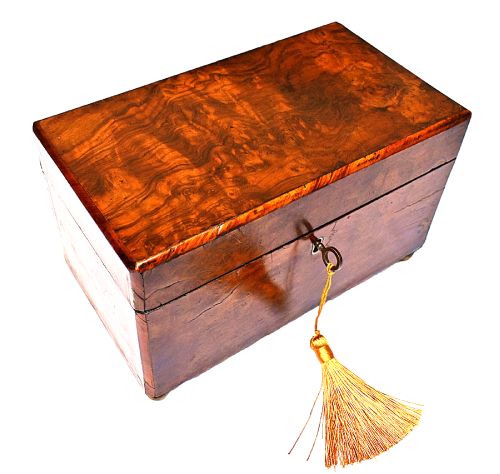
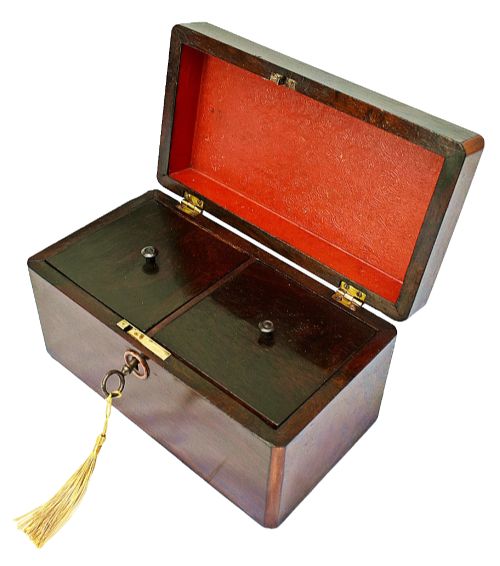
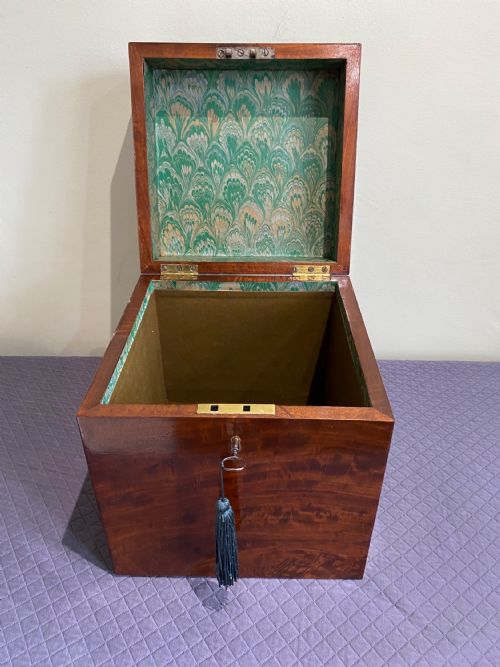
- Tea Caddy
- A container designed to store loose tea leaves, often featuring internal compartments and a locking lid. These boxes frequently include glass mixing bowls or twin foil-lined canisters.
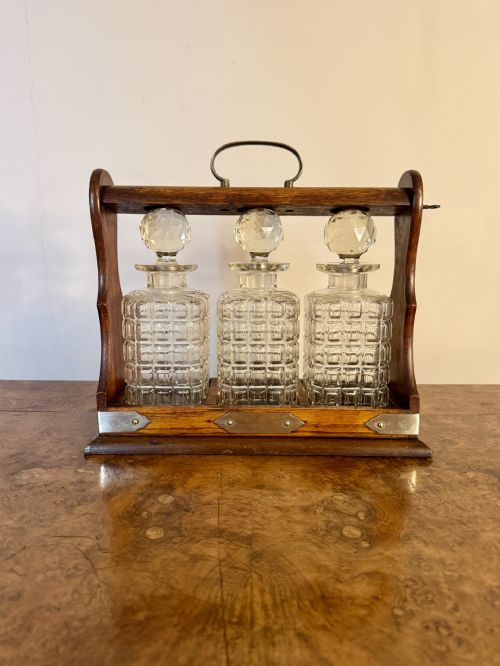
- Tantalus
- A locking beverage cabinet holding decanters securely in a wooden frame with a metal security bar. The mechanism prevents access to the bottles until the lock is opened with a key.
- Wellington Chest
- A tall, narrow set of drawers secured by a hinged locking side bar that fastens with a key. This design locks all drawers simultaneously.
- Escutcheon
- A protective plate surrounding a keyhole, typically cast in brass to prevent timber wear around the lock.
- Marquetry
- Decorative patterns formed by fitting together thin veneers of various coloured woods and materials into a wooden surface.
Vintage Lockable Chest: Frequently Asked Questions
What fits inside a vintage lockable chest?
These chests hold small personal items, documents, jewellery, and tea depending on their original internal fittings. Many contain removable trays or divided compartments.
Larger strongboxes and chest safes accommodate heavier security documents, cash, and valuables requiring physical protection.
Do these chests still have working keys?
Many listings include original or replacement working keys to operate the fitted locks. Working mechanisms secure the lids and drawers as originally intended.
Some examples retain complex secret drawers or spring-loaded compartments accessible only through specific internal sequences.
How do I date a wooden chest?
Dating relies on timber choices, construction methods, and stylistic periods such as Georgian mahogany or Victorian walnut. Secondary woods and dovetailing techniques provide clear chronological indicators.
Hardware styles, including brass escutcheons and lock types, further help establish the manufacturing era.
How do I maintain the wood finish?
Maintenance requires occasional application of appropriate furniture wax to nourish hardwood surfaces like mahogany and walnut. Avoiding direct sunlight prevents timber fading and veneer lifting.
Metal components such as brass plates benefit from gentle cleaning without harsh chemical abrasives.