




Vintage Liqueur Set
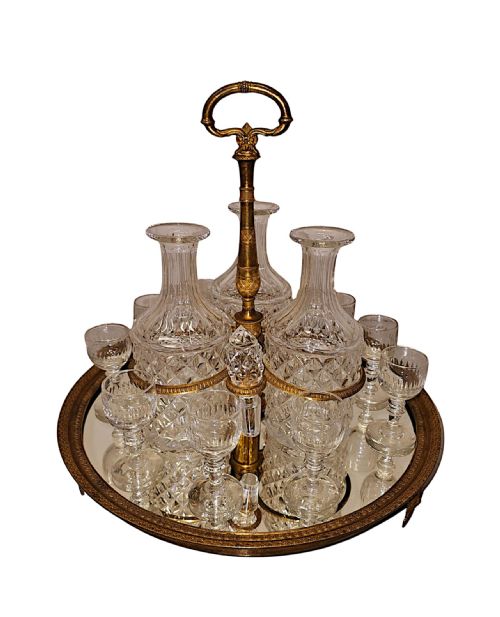
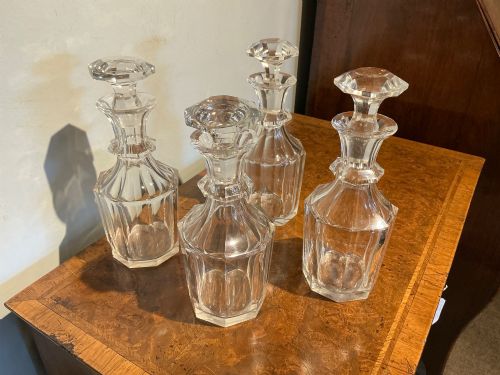
A vintage liqueur set brings formal after-dinner hospitality to life with matched decanters and glasses.
Vintage Liqueur Set
A vintage liqueur set comprises coordinated glassware and containers designed specifically for serving after-dinner drinks. These assemblies range from simple matched cordial glasses on trays to elaborate locking cabinets and decanters. When browsing a vintage liqueur set, buyers encounter configurations spanning from the late nineteenth century through to the geometric lines of the 1930s.
The most common forms on this page include Art Deco glass decanter sets with matching glasses and nineteenth-century cave a liqueur boxes. These groupings often feature dedicated trays in silver plate or inlaid wood alongside small stems or shot glasses. Pieces from this selection bridge decorative display and functional entertaining.
Origins stretch across European workshops, taking in French crystal services, Bohemian coloured glass, and English tantalus arrangements. Victorian and Edwardian examples lean towards heavy cut crystal and silver mountings, while later 1930s variations embrace sleek lines and enamelled decoration. Each period leaves a distinct stamp on how these drinking vessels present themselves.
Materials and technique
Makers shaped these objects primarily from lead crystal, cut glass, and standard glass, often pairing them with silver-plated mounts, brass details, or satin wood inlays. Artisans utilised techniques such as hand-enamelling, deep cutting, and acid etching to pattern the surfaces of decanters and small glasses. Cabinets and tantalus frames required precision woodworking to house delicate bottles securely within locking structures.
Coloured glass production involved introducing metallic oxides into the molten batch to achieve rich tones like those found in Tango and Black Forest designs. Precious gilding, including twenty-four carat gold accents, was frequently applied by hand to rims and panels before firing. Silver plating on trays and stands provided a durable metallic contrast to the transparent and enamelled vessels.
Vintage Liqueur Set Retail Price Guide 2026
Typical asking prices for vintage liqueur set among the pieces listed under this phrase on Sellingantiques today, from the lower quarter to the upper quarter. They describe what is for sale here now, not the wider market.
Tantalus sets were playfully named after the Greek mythological figure condemned to eternal thirst just out of reach.
What separates the finest pieces
Quality rests heavily on the crispness of the glass cutting, the weight of the crystal, and the integrity of any hand-applied enamel or gilding. Superior sets show precise symmetry in matched glasses and tight joinery in fitted wooden boxes or tantalus frames. Finer manufacturers employed superior raw materials that yield a clearer ring and greater brilliance under light.
The completeness of a service and the presence of original matching trays or working locks elevate a piece significantly. Maker attribution also plays a role, with documented works from celebrated houses commanding greater attention for their artistic execution. Lesser examples display minor inconsistencies in glass thickness or simpler, unadorned surfaces.
Baccarat·Saint-Louis·Elkington·Val Saint Lambert·Theresienthal·Moser·Salviati·Karl Palda
The Vintage Liqueur Set Glossary
- Cave a liqueur
- A portable fitted box or cabinet containing decanters and matching glasses for serving spirits. These locking presentation cases often feature fine woodwork and gilt metal mounts.
- Tantalus
- A locking drink stand that secures decanters within a metal frame to prevent unauthorized access while displaying the contents. The bottles cannot be removed without unlocking the mechanism.
- Cordal glass
- A small stemware vessel intended for drinking strong liqueurs or cordials after a meal. These glasses typically hold a modest measure suited to potent spirits.
- Silver plate
- A base metal substrate coated with a thin layer of silver to provide a bright metallic finish. It appears frequently on trays, stands, and mountings across nineteenth and twentieth-century sets.
- Lead crystal
- Glass containing a high proportion of lead oxide, which increases brilliance, weight, and workability for deep cutting. This material produces a distinct resonance when struck gently.
Vintage Liqueur Set: Frequently Asked Questions
What is a cave a liqueur?
A cave a liqueur is a decorative wooden box fitted with interior racks to hold decanters and small glasses securely. They were designed to sit in a drawing room for after-dinner hospitality.
Makers often used fine veneers and brass inlay to adorn the exterior, while the interior held the glass service ready for use.
How do you use a tantalus?
A tantalus holds decanters beneath a locking metal bar that prevents the stoppers from being removed. This kept the contents secure from household staff while still displaying the bottles.
To pour a drink, a key must be used to release the upper bar, allowing the decanters to be lifted free.
Are these glasses safe for daily use?
Most vintage liqueur glasses are physically robust enough for occasional gentle use, though hand washing is essential. Older crystal and enamelled decoration should be protected from thermal shock and harsh detergents.
Many collectors prefer to use them strictly for special occasions to preserve fragile gilding and delicate stems.
How do I identify Art Deco sets?
Art Deco sets from the 1930s typically feature geometric patterns, stark contrasts, and stylized motifs like the Jazz Man designs. The glassware often adopts angular shapes rather than curved Victorian silhouettes.
Makers from this era, such as Karl Palda or Czech glassworks, embraced bold colours and minimalist tray arrangements.