






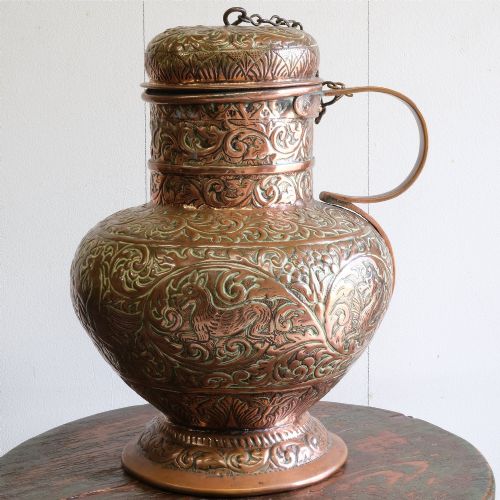
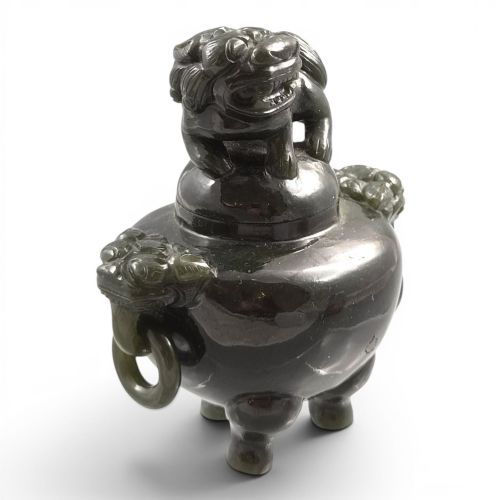

Vintage Lidded Vessel
A vintage lidded vessel is a covered container meant to hold anything from dry goods to precious spices, shaped by centuries of functional design.
Vintage Lidded Vessel
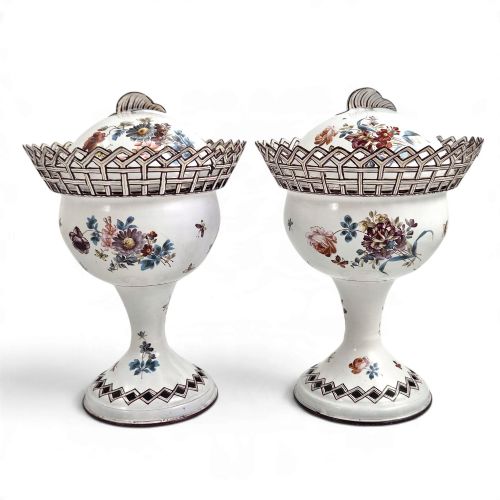
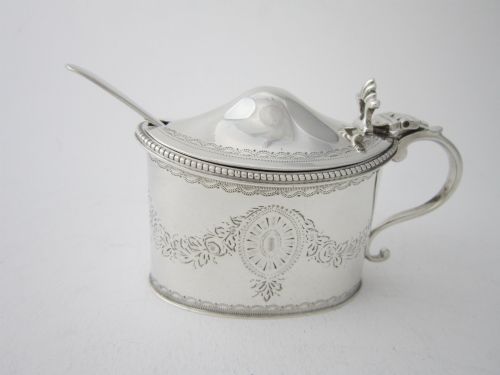
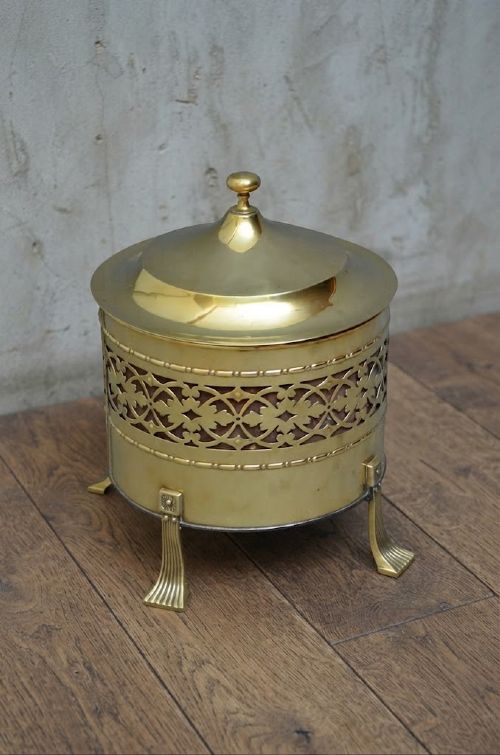
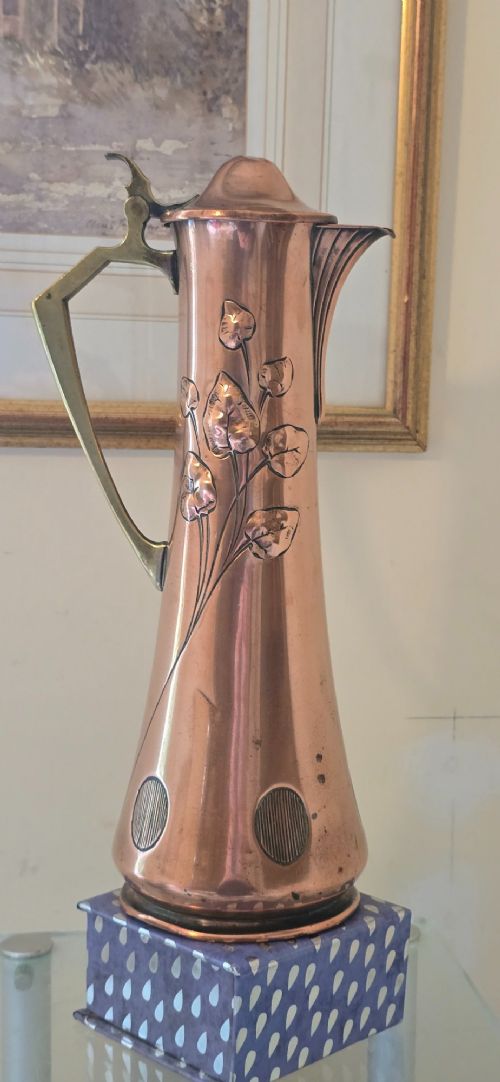
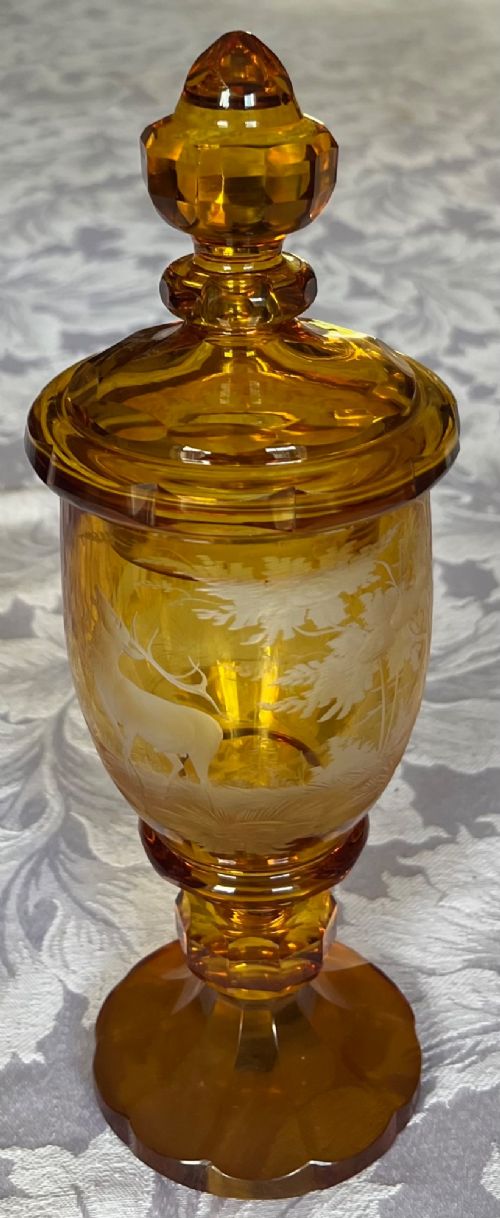
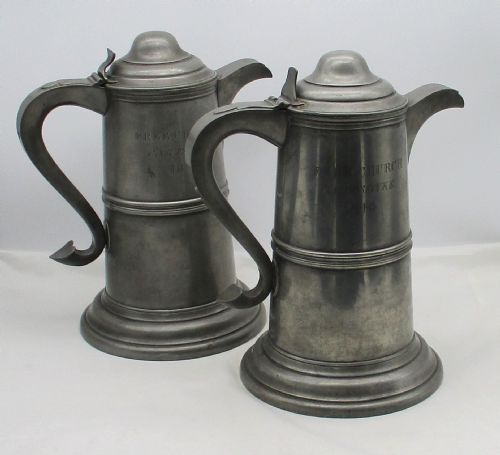
When you search for a vintage lidded vessel, you encounter a diverse group of covered containers spanning centuries of metalwork, ceramics and glass. These range from heavy copper log bins and pewter flagons to delicate porcelain ginger jars and cloisonne enamel urns.
The selections on this page draw from British, continental European and Asian traditions. Domestic storage containers sit alongside decorative jars and ritual pieces, reflecting how different cultures valued covered vessels for both utility and display.
How they were made
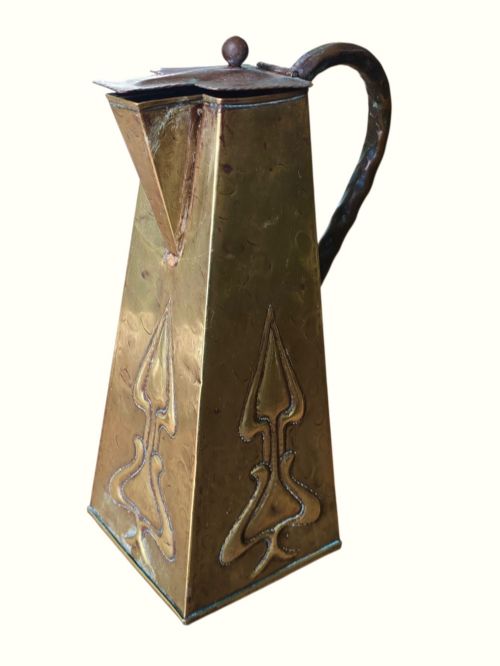
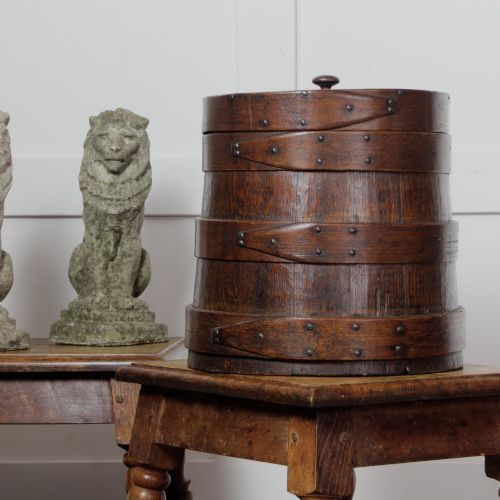
Metals such as copper, brass, pewter and silver form the backbone of many items here, shaped through hammering, casting and repousse relief work. Makers utilised iron frames for large copper bins and applied detailed fretwork or floral motifs to surface designs.
Ceramic and glass examples demonstrate alternative traditions, from handpainted porcelain and relief-moulded earthenware to cut and engraved crystal. Cloisonne pieces incorporate fine wire cells filled with enamel powders and fired to create complex pictorial patterns.
Vintage Lidded Vessel Retail Price Guide 2026
Typical asking prices for vintage lidded vessel among the pieces listed under this phrase on Sellingantiques today, from the lower quarter to the upper quarter. They describe what is for sale here now, not the wider market.
Materials range from heavy industrial copper and iron to delicate Japanese cloisonne enamel.
What varies in quality
Quality rests in the crispness of execution, whether in the depth of a hand-cut glass pattern or the precision of metal chasing and joinery. Finer specimens display clean lines, well-fitted lids that sit flush with the rim, and purposeful weight in the material.
The standard also depends on the artistic ambition behind the piece, distinguishing standard utilitarianware from signed studio works or intricate export items decorated with specialised enamels and hand-painted details.
WMF·Joseph Sankey·Charles Meigh·Asprey & Co.·Royal Worcester
The Vintage Lidded Vessel Glossary
- Cloisonne
- Enamelling technique using fine metal wires soldered to a base to create cells filled with coloured paste before firing. This method produces intricate mosaic-like patterns.
- Flagon
- A large drinking vessel with a handle and lid, historically used for ale or wine. Many surviving examples originate from ecclesiastical or tavern settings.
- Ginger jar
- A ceramic or metal container with a wide mouth and domed lid, originally designed for storing spices. Later export models became prized purely for interior decoration.
- Repousse
- Metalworking technique where the artisan hammers the design from the reverse side to form a raised relief on the front. It creates tactile surface decoration on copper and silver.
- Censer
- A vessel intended for burning incense, typically featuring a tripod base and a pierced cover to release smoke. Bronze and jade are common historic materials.
Vintage Lidded Vessel: Frequently Asked Questions
What were lidded vessels originally used for?
These containers served practical domestic or ritual functions, holding tea, tobacco, spices, grain, wine or incense. Lads and lids kept contents secure from moisture, pests and dust.
Over time, many functional vessels transitioned into purely decorative objects prized for their craftsmanship and decorative presence in a room.
How do I care for antique metal vessels?
Copper, brass and pewter require gentle treatment to preserve their historic surfaces. Dusting with a soft cloth prevents grime buildup.
Avoid harsh modern chemical polishes that strip away age-appropriate patination. Light application of microcrystalline wax can protect exposed metal surfaces from active tarnishing.
How can I tell the period of a lidded vessel?
Dating relies on examining manufacturing marks, material composition, and stylistic cues such as Art Nouveau curves or Georgian proportions. Tool marks and construction methods offer clues to workshop traditions.
Maker stamps and registry marks provide definitive chronological anchors when present on the base or interior rim.
How do I style a lidded vessel at home?
These pieces function well as standalone display items on mantelpieces, sideboards, or open shelving. Larger vessels like copper bins can hold fireplace logs or act as planters.
Smaller lidded jars work effectively on entry tables or desks to conceal small everyday items while adding texture to a room.