






Vintage Lidded Jar
These vintage lidded jar selections range from delicate glass trinket boxes to sturdy ceramic ginger jars, offering practical storage with distinct period character.
Vintage Lidded Jar
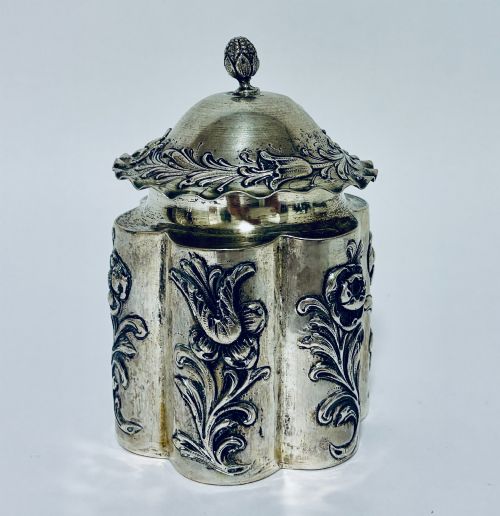
When you search for a vintage lidded jar, you encounter a diverse assortment of covered vessels spanning utilitarian storage containers and decorative vanity pieces. These objects serve multiple historical functions, including storing tobacco, biscuits, tea leaves, cosmetics, and apothecary goods.
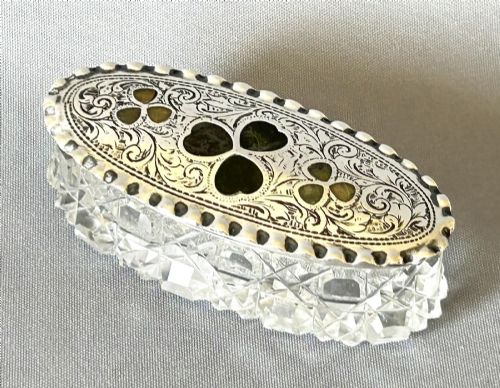
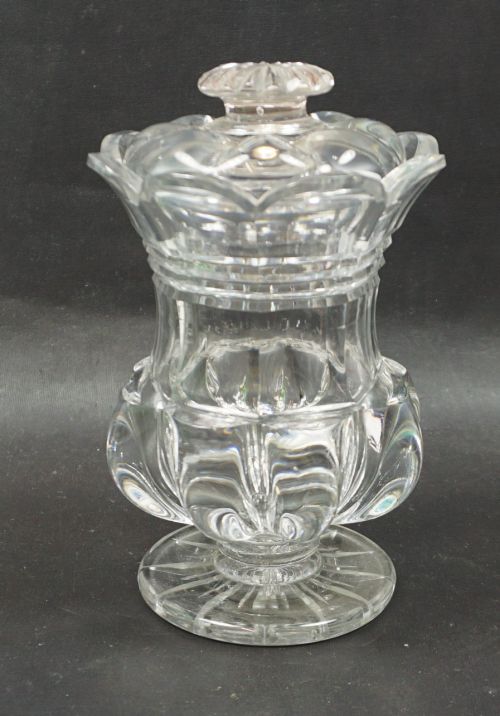
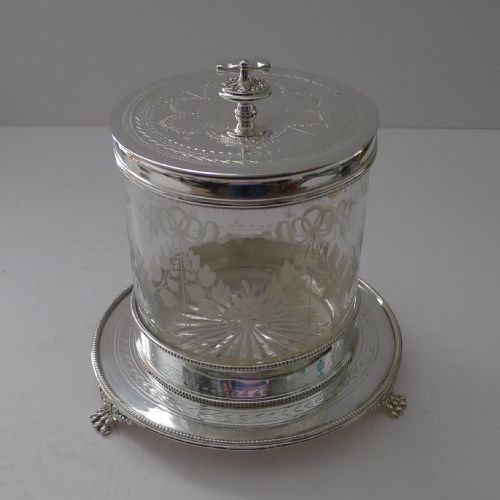
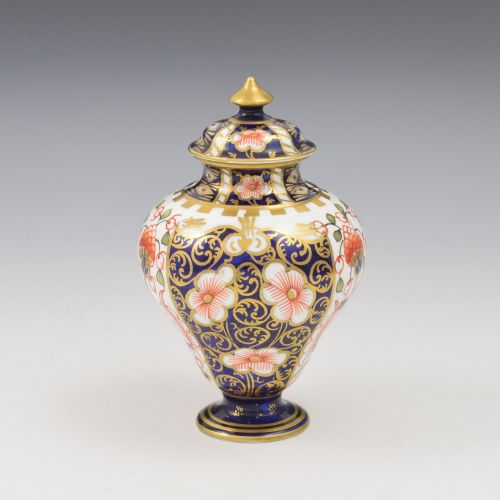
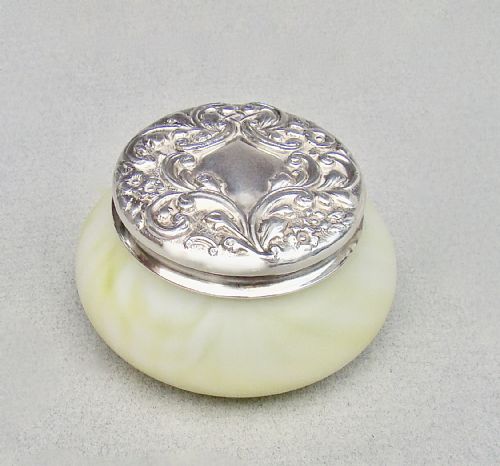
The selections on this page most frequently include cut glass trinket boxes mounted with sterling silver, porcelain ginger jars, ceramic biscuit barrels, and glass apothecary jars. Pieces range from the Edwardian and Art Deco eras back through the Victorian and Georgian periods.
Originating across England, Europe, and Asia, these vessels utilise materials such as silver, enamel, crystal, and earthenware. Each form reflects the specific domestic or commercial purpose for which it was originally manufactured.
How They Were Made
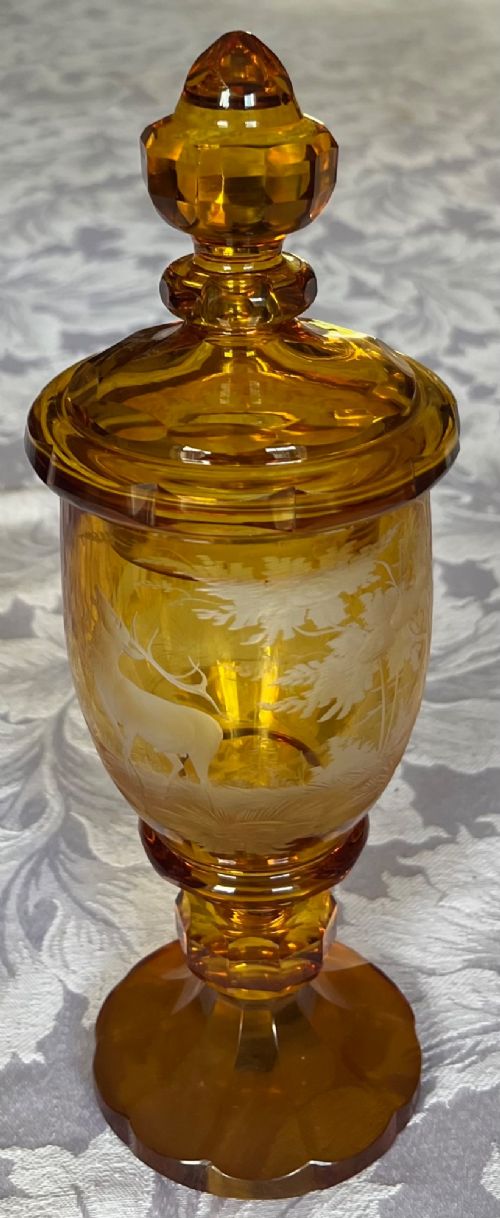
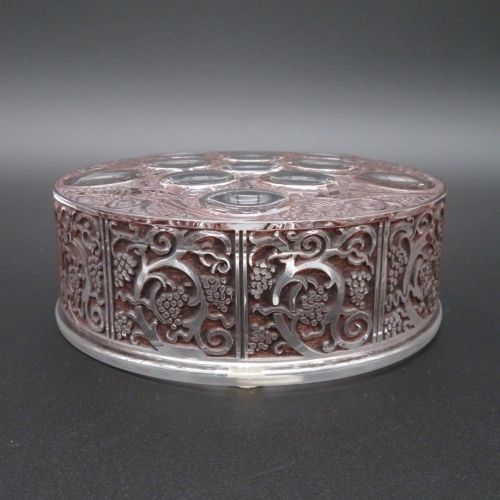
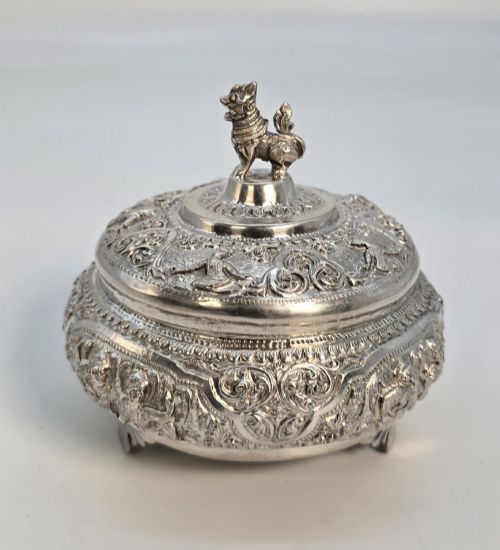
Glass vessels are frequently wheel-cut, engraved, or moulded into clear, satin, cranberry, or amethyst bodies. Many incorporate sterling silver lids, mounts, or rims fashioned by silversmiths, often featuring Birmingham hallmarks.
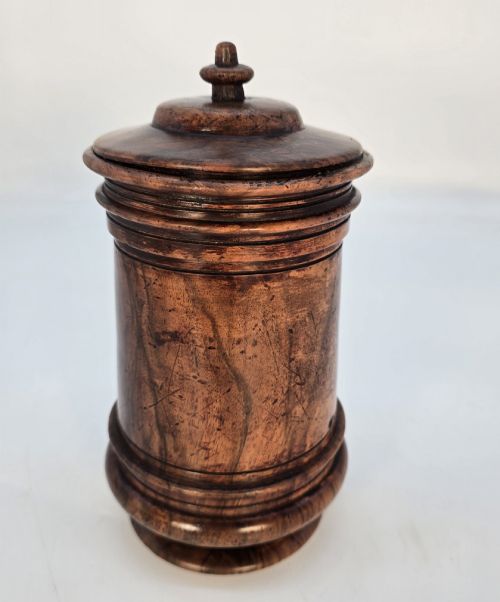
Ceramic and porcelain pieces utilise traditional throwing, moulding, and casting techniques, finished with glazes, hand-painted decoration, or blue and white transfers. Some examples integrate fine metalwork, enamel accents, or carved wooden elements like walnut and linden.
Vintage Lidded Jar Retail Price Guide 2026
Typical asking prices for vintage lidded jar among the pieces listed under this phrase on Sellingantiques today, from the lower quarter to the upper quarter. They describe what is for sale here now, not the wider market.
One particularly charismatic 19th-century German lidded box takes the solid form of a carved wooden bear holding a tobacco reserve.
What Varies in Quality
The calibre of a piece rests largely on the crispness of its execution, whether through the deep faceting of cut glass, the precision of silver hallmarks and mounts, or the hand-painted detail of ceramic glazes. Maker attribution and the preservation of delicate applied elements, such as guilloche enamel or tortoiseshell panels, heavily influence distinction.
Materials also dictate the tier of an object, moving from standard utility glass and earthenware to heavy crystal, solid sterling silver, and fine porcelain from established potteries. The integrity of the fit between the vessel and its cover remains a key indicator of original craftsmanship.
Royal Crown Derby·A. J. Pepper & Co·A. Bromet & Co·Lalique·Royal Worcester
The Vintage Lidded Jar Glossary
- Biscuit barrel
- A covered ceramic or glass container historically utilised for storing dry biscuits at the dining table. They frequently incorporate silver-plated or sterling silver swing handles and rims.
- Trinket box
- A small lidded container designed for holding jewellery or small personal accessories. These frequently combine cut glass bodies with hinged silver or enamel lids.
- Ginger jar
- A globular ceramic vessel originally made in China for storing spices, later adopted as a decorative ornamental form. They are commonly paired with flat ceramic covers.
- Pot pourri
- A lidded vase or urn featuring a pierced or perforated cover intended to release the fragrance of dried flowers and spices. Examples span porcelain and earthenware bodies.
- Guilloche enamel
- A decorative technique where a geometric pattern is engraved beneath a translucent layer of coloured enamel. This finish is frequently found on vanity jars and powder boxes.
Vintage Lidded Jar: Frequently Asked Questions
What were vintage lidded jars used for?
These vessels fulfilled diverse storage needs in domestic and commercial settings, holding items like dry provisions, tobacco, and tea leaves. Others served personal grooming functions on dressing tables, containing powders, scents, and small trinkets.
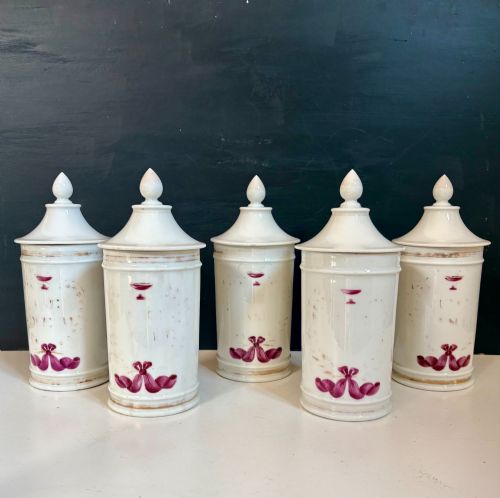
Larger specimens functioned as apothecary containers for medicines or ornamental display pieces such as pot pourri urns. Their primary purpose dictated both their material composition and their decorative style.
How do I identify the period of a lidded jar?
Metal components often carry hallmarks that reveal exact assay years and silversmith workshops. Stylistic markers, such as geometric Art Deco motifs or ornate Victorian and Georgian contours, provide broad chronological indicators.
Material analysis and manufacturing techniques, including hand-painted underglaze blue or moulded glass signatures, further narrow down the era of production. Examining the base and interior wear patterns helps confirm historical age.
How should I display a lidded jar at home?
Glass and silver vanity jars suit dressing tables and mantelpieces where light can catch the cut facets and metallic surfaces. Ceramic ginger jars and urns sit well on sideboards, bookshelves, or as standalone centrepieces.
Grouping jars by material or colour tone creates a cohesive display while highlighting contrasting textures like enamel, wood, and porcelain. Ensuring stable placement protects delicate lids and handles from accidental knocks.
What is the difference between a ginger jar and a biscuit barrel?
Ginger jars feature rounded bodies with flush-fitting lids and typically lack handles, originating as utilitarian storage containers for transport. Biscuit barrels are broader dining vessels designed with hinged or fixed metal handles and matching silver-plated or ceramic covers.
While ginger jars rely on ceramic decoration such as hand-painted cobalt or enamels, biscuit barrels frequently combine glass or ceramic bodies with elaborate metal mounts.