


Vintage Leather Wing Chairs
Vintage leather wing chairs offer deep-seated comfort and traditional form, spanning periods from the eighteenth century to the mid-twentieth century.
Vintage Leather Wing Chairs
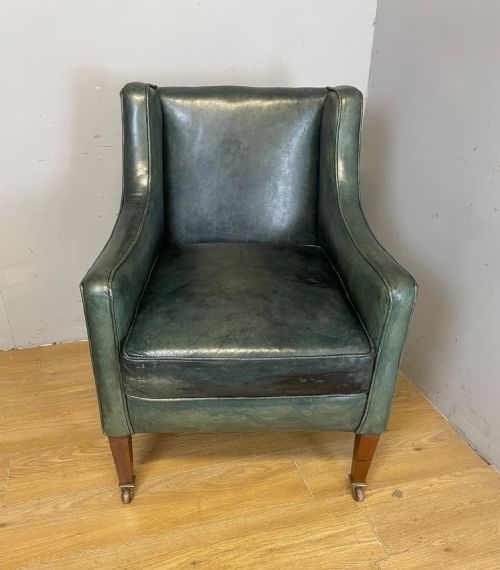
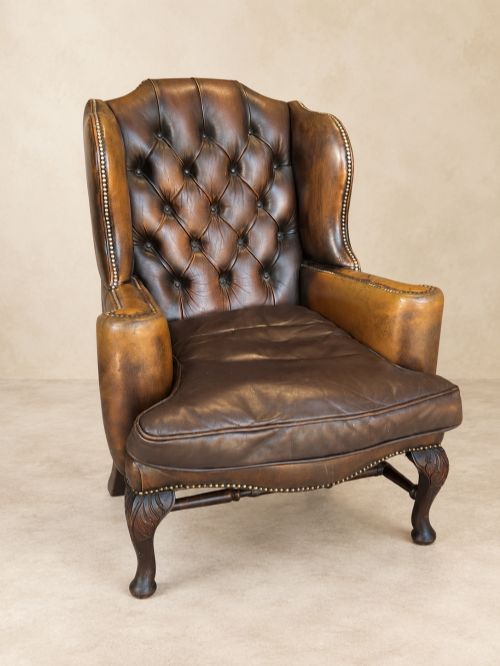
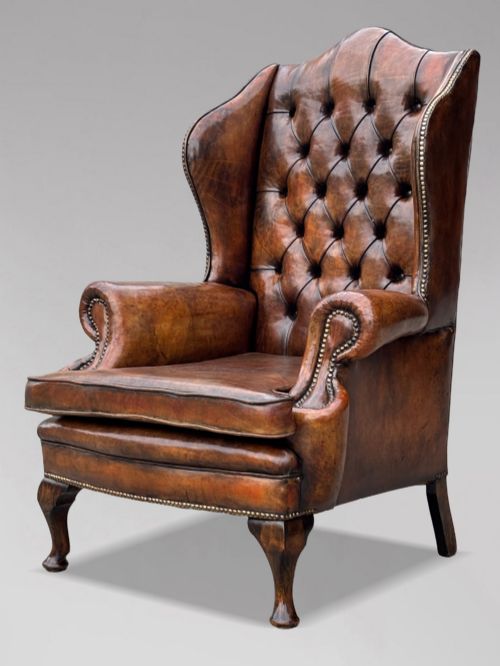
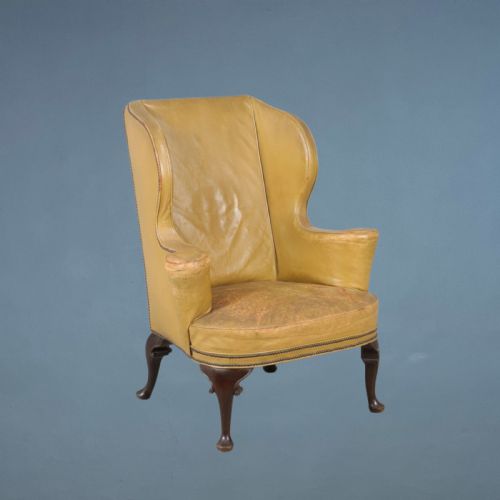
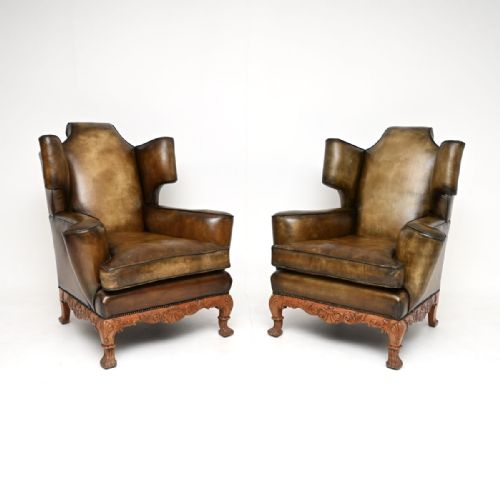
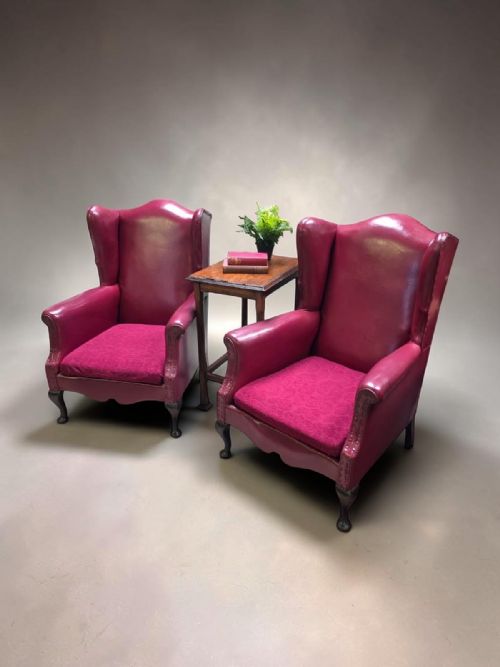
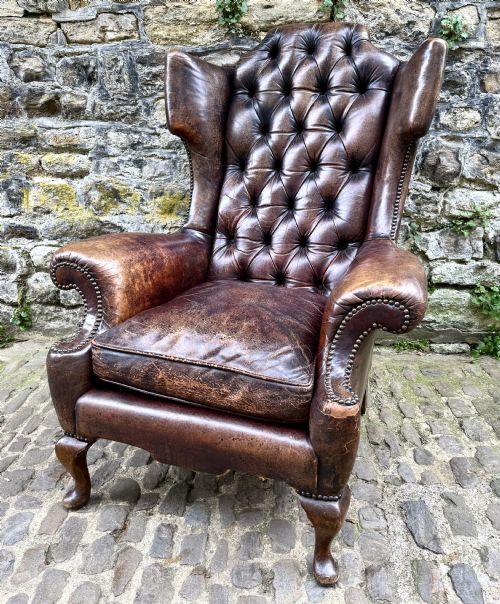
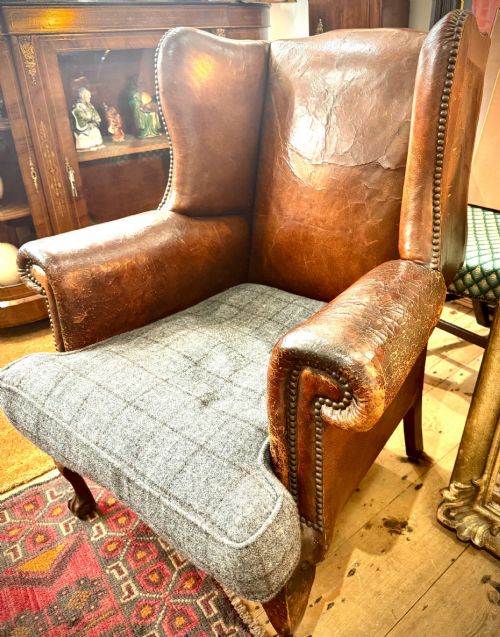
Vintage leather wing chairs comprise deep-seated armchairs and lounge chairs featuring protective side panels, known as wings, designed originally to shield sitters from draughts. The selection includes examples shaped in Georgian, Victorian, Edwardian and Regency styles, alongside revivals from the early twentieth century.
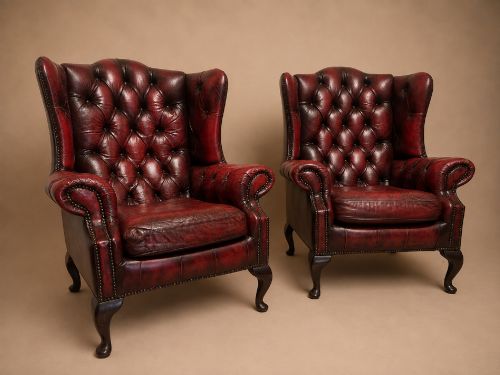
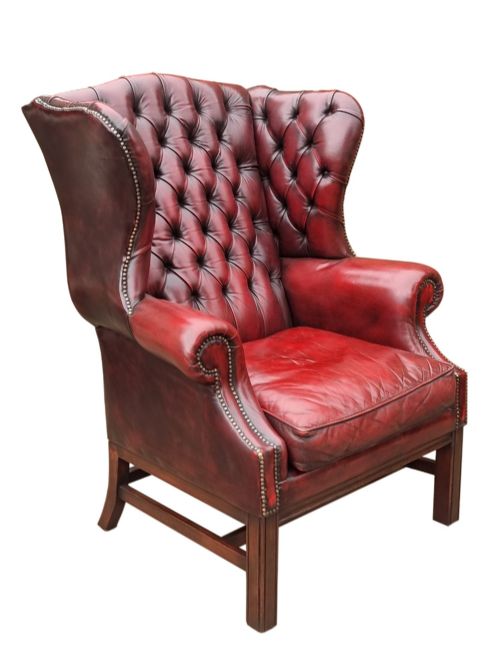
Buyers will encounter single armchairs, matching pairs, and occasional sofas or settees upholstered in hide. The forms range from modest library seating to large button-back chesterfield designs and porters' chairs.
Origins span English workshops of the eighteenth and nineteenth centuries through to continental European pieces. The structural framing shifts from oak and mahogany to general hardwood and timber.
How vintage leather wing chairs were made
Frames rely on timber foundations constructed from oak, mahogany, walnut, and mixed hardwoods. Structural rigidity often depends on solid wood joinery beneath upholstered padding.
Upholstery incorporates traditional leather hides, sometimes hand-dyed or finished in tan, brown, burgundy, oxblood, and green. Buttoning techniques, including full-buttoning, secure the leather surface to the interior stuffing.
One exceptional nineteenth-century invalid wheel chair brings a surprising medical twist to standard library seating.
What varies in quality in vintage leather wing chairs
Quality rests in the integrity of the timber frame and the depth of the upholstery work. Heavier frames utilising oak or mahogany provide greater structural stability than softer wood alternatives.
The finish of the leather surface dictates the visual calibre of the chair. Hand-dyed hides and properly maintained natural leather display superior ageing compared to heavily pigmented synthetic corrections.
The Vintage Leather Wing Chairs Glossary
- Wingback
- An armchair featuring projecting side panels attached to the arms and back. This traditional design was conceived to deflect cold air away from the sitter's head.
- Chesterfield
- A deep-buttoned upholstered seating style traditionally finished in leather. It is characterised by arms and back of equal height.
- Hide
- The natural animal skin used for upholstery. In older seating, this material develops a characteristic patina over decades of use.
- Patina
- The surface sheen and softening acquired by leather and wood through age and handling. Collectors value this indicator of authenticity and historical wear.
- Buttoning
- A method of securing upholstery padding by pulling twine through the stuffing to form indented patterns. Full buttoning covers the entire backrest and sometimes the arms.
Vintage Leather Wing Chairs: Frequently Asked Questions
How do I identify a Georgian wing chair?
Georgian examples typically exhibit understated timber frames, often in mahogany or oak, with characteristic wing shapes and proportions native to the eighteenth century.
Later revival pieces produced in the twentieth century often replicate these historic profiles but utilise machine-prepared timbers and modern fixings.
Were these chairs used only in libraries?
While frequently termed library chairs due to their association with reading rooms and studies, these seats served general domestic functions in parlours and drawing rooms.
Their enclosed wing design made them practical for placement near fireplaces in large country houses and urban townhouses alike.
What is the difference between tan and oxblood leather?
Tan leather displays a warm, light brown hue that brightens as it ages and absorbs natural oils from use. Oxblood refers to a deep, dark reddish-brown pigment commonly found on nineteenth and twentieth-century club and chesterfield seating.
Both colours rely on the underlying quality of the hide to determine how gracefully the surface wears over time.
How do I care for vintage leather upholstery?
Maintenance involves keeping the hide nourished with appropriate leather balms to prevent cracking. Avoiding direct sunlight and excessive heat protects the natural moisture within the material.
Regular dusting with a soft cloth preserves the surface without stripping the accumulated patina.