
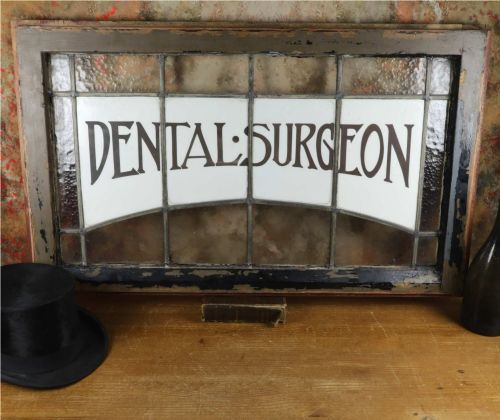


Vintage Leaded Window
A vintage leaded window brings authentic period light into a room through intricate glass panels held together by lead cames.
Vintage Leaded Window
A vintage leaded window comprises architectural panels formed from individual pieces of glass joined by lead cames, frequently incorporating hand painted details. Buyers seek these items to introduce historic character, coloured light and architectural salvage into domestic or commercial interiors. The selections on this page span several decades, crossing periods from the late nineteenth century through to the interwar years.
Most examples originate from the Victorian, Edwardian, and Art Nouveau eras, alongside specific pieces dated to the 1900s, 1910s, 1920s, and 1930s. Common forms include stained glass windows, window panels, church windows, and shop display panels. Architectural salvage items often retain their original timber or pine frames, ready for installation or interior display.
Figurative and pictorial designs appear frequently across the selection, featuring hand painted countryside scenes, birds, flowers, and religious subjects. Stylistic influences range from Gothic Revival to Arts and Crafts and Art Deco. Buyers meet both modest geometric panels and large, multi-section church or domestic windows.
Materials and construction methods
Glass and lead form the core materials of these panels, with craftsmen cutting coloured, clear, and textured panes by hand. Artisans applied enamel paints directly to the glass surface for pictorial elements such as landscapes, flora, and fauna, then fired the pieces in kilns to fix the pigment. Amber bullseyes and specialised cut or reverse-cut glass frequently accent the primary leaded matrix.
Flexible lead cames create the structural grid that holds the individual glass segments together, soldered at the joints for stability. Many panels integrate wooden frames, utilising timber such as pine to support the heavier architectural salvage pieces. The combination of soldered lead strips and rigid wooden surrounds allowed these windows to withstand decades of structural use.
Listings feature items spanning the 1880s to the 1930s, incorporating Victorian, Edwardian, Art Nouveau, and Arts and Crafts design movements.
Assessing quality in period glass
Quality rests in the ambition and execution of the painted or stained imagery, ranging from simple geometric arrangements to intricate hand painted countryside, bird, and religious scenes. The complexity of the leadwork and the integration of specialised elements like bullseyes and reverse-cut panels elevate certain pieces above standard utility glazing. The presence of original timber frames adds substantial architectural value to salvage items.
The preservation of the glass and the stability of the lead matrix determine the structural integrity of each piece. Superior examples maintain intact enamel paintwork without significant fading or flaking from the kiln-firing process. Art Nouveau and Arts and Crafts examples often demonstrate higher design execution through thoughtful colour harmony and balanced composition.
The Vintage Leaded Window Glossary
- Came
- The slender, channelled strip of lead used to hold individual pieces of glass together in a window. These flexible strips are soldered at the intersections to form a rigid structural network.
- Bullseye
- A circular roundel of glass formed during the glassblowing process, featuring a characteristic central pontil mark. They appear frequently in period panels as decorative accents.
- Stained glass
- Glass that has been coloured during its manufacture by the addition of metallic oxides, or subsequently painted with enamels and fired. This material forms the colourful pictorial elements of architectural panels.
- Architectural salvage
- Building components and fixtures rescued from demolished or remodelled period structures for reuse. This category includes church windows, shop panels, and domestic frames.
- Reverse cut glass
- A technique where glass is carved, etched, or painted from the back surface to create depth and protect the design from physical wear. It appears frequently in commercial shop panels from the Edwardian era.
Vintage Leaded Window: Frequently Asked Questions
How do I hang a leaded window?
Most panels require secure bracket fixings attached to the surrounding wooden frame rather than hanging by the lead matrix alone. The weight of the glass demands sturdy support to prevent distortion of the soft lead cames over time.
For interior wall display, position the panel in front of a light box or a naturally lit window to illuminate the colours properly. Ensure the wooden surround is firmly anchored to the wall structure.
Can these windows be installed outside?
Many of these pieces served as exterior architectural elements originally, but vintage leaded glass often benefits from protective secondary glazing when exposed to modern weather. The older lead cames and historic glass can be fragile against strong winds and severe frost.
Consult a professional glazier if you intend to fit a salvage panel into an external wall opening. Interior placement remains the simplest way to display and protect delicate painted scenes.
How do I identify the period?
Stylistic clues such as the sweeping organic lines of Art Nouveau or the geometric austerity of Art Deco provide clear chronological markers. Subject matter like Dutch children, specific bird motifs, or hand painted pastoral scenes also point towards Edwardian or 1900s preferences.
Construction details, including the thickness of the timber frame and the profile of the lead cames, help differentiate Victorian church salvage from later domestic panels. Comparing the design motifs with dated pieces in the selection narrows down the era.