
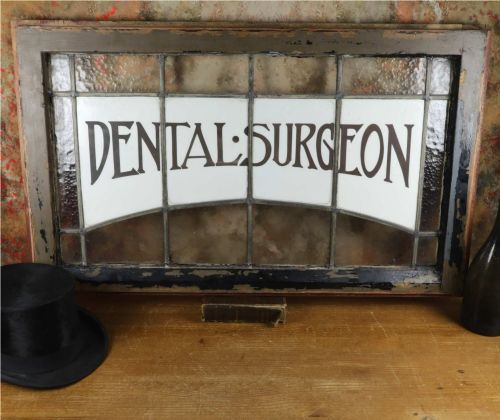


Vintage Leaded Glass Window
A vintage leaded glass window brings historic light and colour into a room, offering tactile panels of glass held together by lead cames.
Vintage Leaded Glass Window
When searching for a vintage leaded glass window, buyers look at architectural salvage pieces ranging from domestic panels to large church fixtures. These items span Victorian, Edwardian, and later twentieth century periods, appearing in styles from Gothic Revival to Art Nouveau and Art Deco.
The selections available include architectural salvage panels, architectural windows, and framed stained glass panels. Many incorporate hand painted scenes depicting birds, countryside landscapes, botanical motifs, or specific commercial themes.
Common forms on this page include structural window panels mounted in timber frames such as pine wood, as well as standalone stained glass panels. Pieces often date across the late nineteenth and early twentieth centuries, capturing the distinct aesthetic movements of each decade.
Materials and construction methods
Makers constructed these panels using sections of coloured and clear glass joined by flexible lead cames soldered at the joints to form intricate geometric or pictorial designs. Many pieces integrate hand painted details on the glass surface, fired to bond the pigment permanently.
Wooden framing, frequently pine or other timber, supports the heavier architectural salvage windows and church arches. Additional decorative elements like amber bullseyes appear embedded within the leaded matrix to add texture and catch the light.
Several windows feature unexpected inhabitants, including a lingering fox, a parrot, and a Dutch boy and girl peering through the glass.
Evaluating craftsmanship and detail
Quality in these windows rests upon the complexity of the hand painted artwork and the ambition of the pictorial design, such as detailed countryside scenes or animal motifs. Finer examples display precise leadwork and varied glass types that manipulate natural light effectively.
The integrity of the timber frame and the original lead cames contribute significantly to the overall substance of the piece. Superior items maintain their original glass panes and coherent stylistic execution across the entire composition.
The Vintage Leaded Glass Window Glossary
- Lead came
- The channelled strip of lead used to hold individual pieces of glass together in a window. These pliable strips form the structural grid of the design.
- Bullseye
- A round piece of glass featuring a central raised knob, formed by the pontil mark during glassblowing. They add varied texture and amber tones to panels.
- Architectural salvage
- Building components rescued from older structures slated for demolition. This category includes church windows and shop panels.
- Stained glass
- Glass that has been coloured by adding metallic salts during its manufacture, or subsequently painted and fired. It forms the vibrant imagery in these panels.
Vintage Leaded Glass Window: Frequently Asked Questions
How do I hang a heavy leaded window?
Support the weight using a custom metal bracket or secure wooden frame attached to load-bearing wall studs. Avoid hanging the panel directly by its original lead cames.
Ensure the window receives adequate backing light if mounted against an interior wall rather than a natural light source.
What periods do these windows come from?
The pieces span from the late Victorian and Edwardian eras through to the 1920s and 1930s. Styles range from Gothic Revival and Arts and Crafts to Art Nouveau and Art Deco.
Design motifs and framing materials generally reflect the specific architectural preferences of their decade of origin.
Are these windows suitable for exterior installation?
Many architectural salvage windows were originally built for exterior use in homes, shops, and churches. Older lead cames may require reinforcement to withstand modern weather conditions.
Consult a specialist conservator before placing delicate hand painted panels directly into exterior walls.