

Vintage Lapel Jewellery
Vintage lapel jewellery brings together decades of finely worked brooches, pins and stick pins crafted to accent a lapel or collar.
Vintage Lapel Jewellery
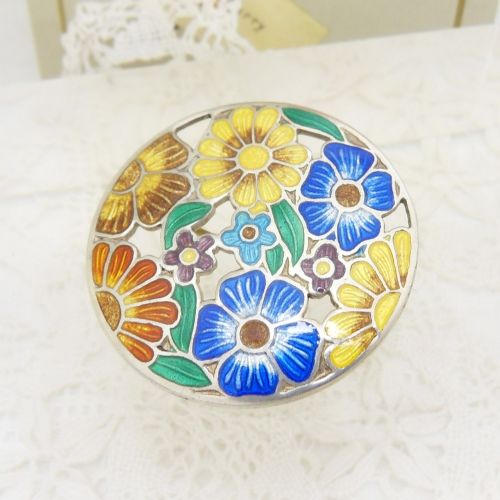
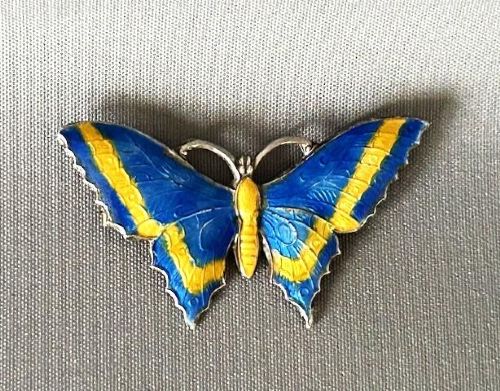
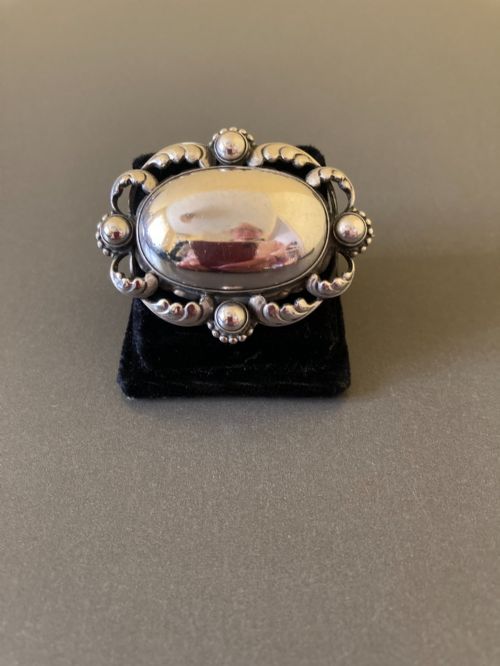
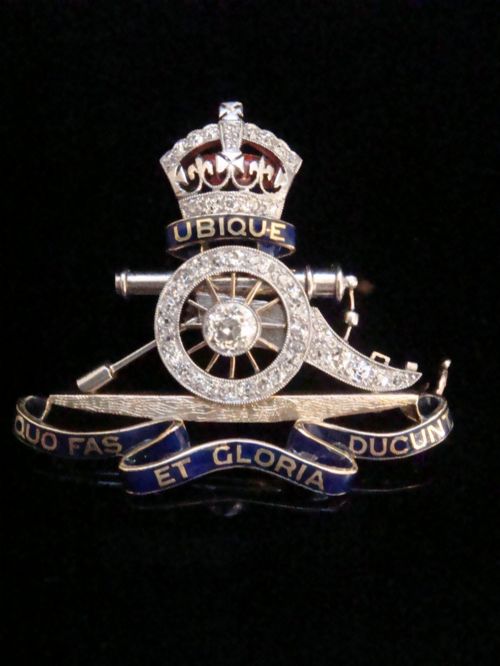
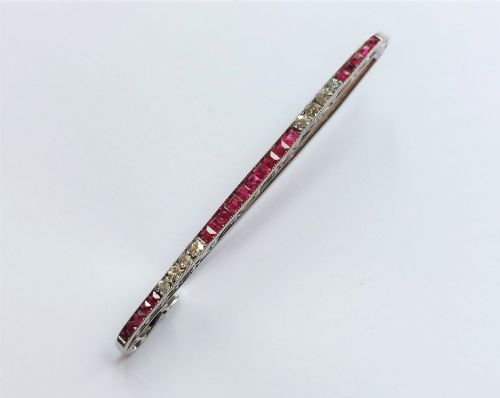
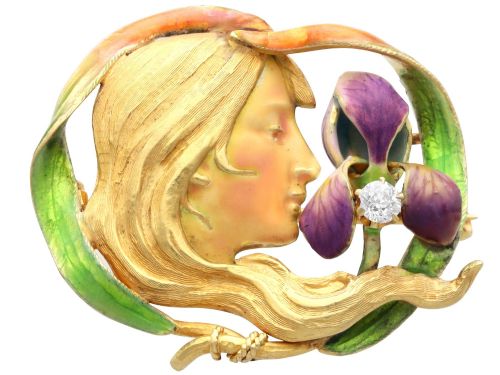
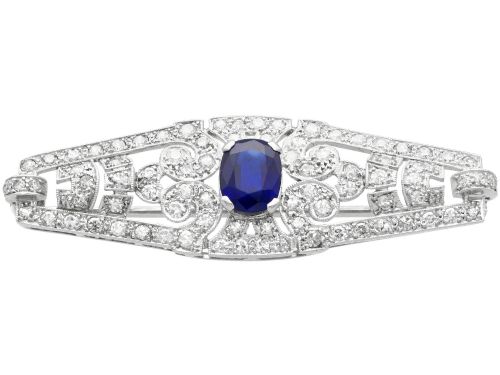
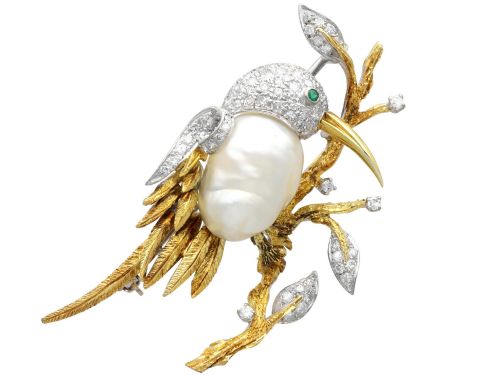
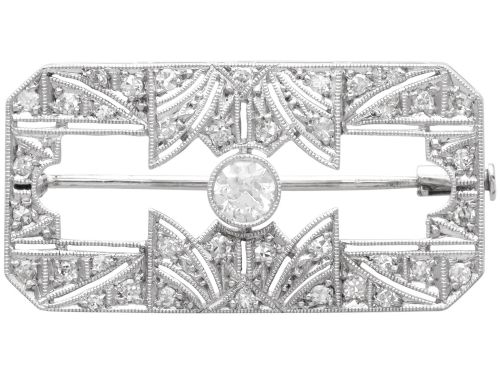
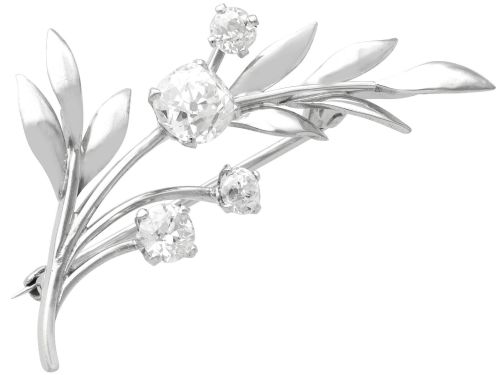
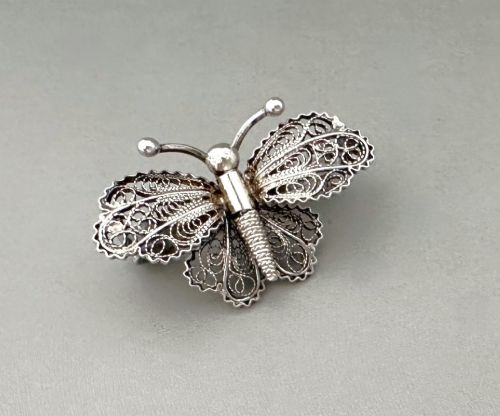
Vintage lapel jewellery primarily consists of brooches and pins spanning from the Victorian and Edwardian eras through to the mid-twentieth century. Buyers searching for vintage lapel jewellery encounter diverse forms ranging from naturalistic silver butterflies and floral sprays to geometric Art Deco bar brooches.
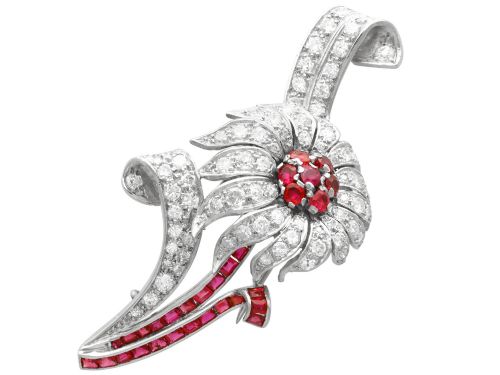
The selection ranges from delicate 9ct gold and turquoise pieces of the early twentieth century to platinum flower brooches set with diamonds and rubies from the 1950s. Animal figures, enamel work and gemstone clusters appear frequently across these decades.
Materials and methods of construction
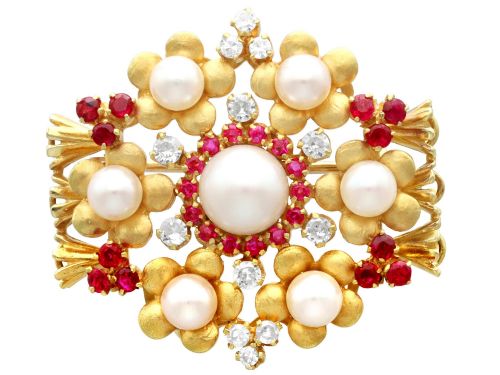
Goldsmiths and silversmiths utilised sterling silver, 9ct and 18ct gold, and platinum as foundations for stone-setting and enamel work. Precious and semi-precious stones including diamonds, rubies, sapphires, pearls and opals are secured in claw, bezel or channel settings.
Guilloche enamel and silver filigree techniques provide colourful geometric or naturalistic patterns, particularly visible in butterfly and floral designs. Marcasite and paste elements also appear, set into silver for sparkling surface texture.
Vintage Lapel Jewellery Retail Price Guide 2026
Typical asking prices for vintage lapel jewellery among the pieces listed under this phrase on Sellingantiques today, from the lower quarter to the upper quarter. They describe what is for sale here now, not the wider market.
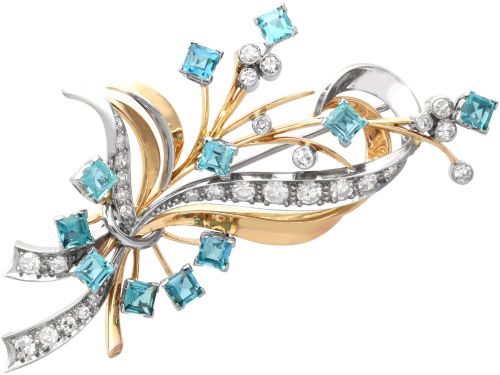
Listings feature precious stones including diamonds, rubies, sapphires, opals, and emeralds set in platinum, silver, and gold across multiple decades.
Distinctions in quality and execution
Quality in vintage lapel jewellery rests on the precision of the metalwork, the symmetry of the stone-setting and the condition of any enamel. Finer pieces demonstrate crisp detail in hand-carved elements, secure prong settings for gemstones, and unblemished translucent enamel surfaces.
The choice of materials also divides the range, moving from base metal pastes and silver-gilt up to substantial platinum, high-carat gold and certified diamond configurations by known makers.
Kutchinsky·Hroar Prydz·Charles Horner
The Vintage Lapel Jewellery Glossary
- Guilloche enamel
- A decorative technique where a precise pattern is mechanically engraved beneath a translucent layer of enamel paint. This creates a shimmering, patterned depth of colour.
- Bar brooch
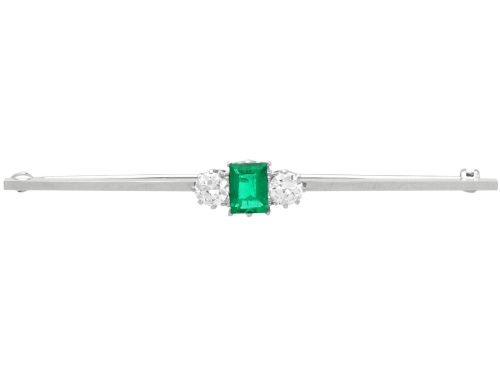
- A slender horizontal metal pin, often straight or graduated, frequently decorated with gemstones or central motifs. They became particularly popular during the Art Deco period.
- Marcasite
- Small faceted pieces of iron pyrite polished and set closely into silver to imitate the sparkle of diamonds. This material is characteristic of Art Deco and mid-century designs.
- Silver gilt
- Sterling silver that has been coated with a thin layer of gold through electroplating or chemical processes. It offers the rich appearance of gold while retaining a silver base.
- Stick pin
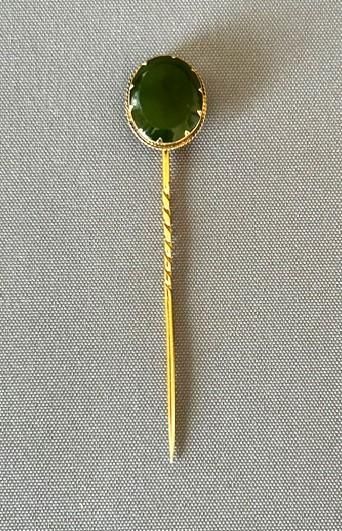
- A long pin topped with a decorative ornamental head, originally designed to secure a cravat or lapel lapel fold. The decorative head often matches the styles of Edwardian or Art Nouveau periods.
Vintage Lapel Jewellery: Frequently Asked Questions
How do I wear vintage lapel jewellery?
These pieces pin securely through heavy fabrics like wool coats, blazers, or knitted cardigans. Placing them on a lapel draws the eye upward towards the face.
For a modern twist, cluster smaller stick pins together on a collar or secure a larger brooch to a scarf or hat band.
What periods are common in vintage lapel jewellery?
The selection spans from late Victorian and Edwardian designs through Art Nouveau and Art Deco periods, extending into mid-century modern aesthetics.
Victorian and Edwardian pieces lean towards romantic motifs and lower carat golds, while Art Deco introduces geometric platinum and diamond configurations.
How do I care for enamel and pearls?
Enamel and pearls are delicate and require gentle handling to avoid scratching or surface damage. Keep them away from harsh chemical cleaners, ultrasonic baths, and direct perfumes.
Store them individually in soft pouches or lined boxes to prevent metal pins from scratching adjacent items.
Are hallmarks important on these pieces?
Hallmarks stamped into the metal provide reliable clues regarding the country of origin, metal purity, and sometimes the maker or date of creation. Finding a maker's mark or assay office stamp confirms authenticity.
Unmarked pieces still rely on style, material quality, and construction techniques to determine their approximate age and origin.