




Vintage Landscape Study
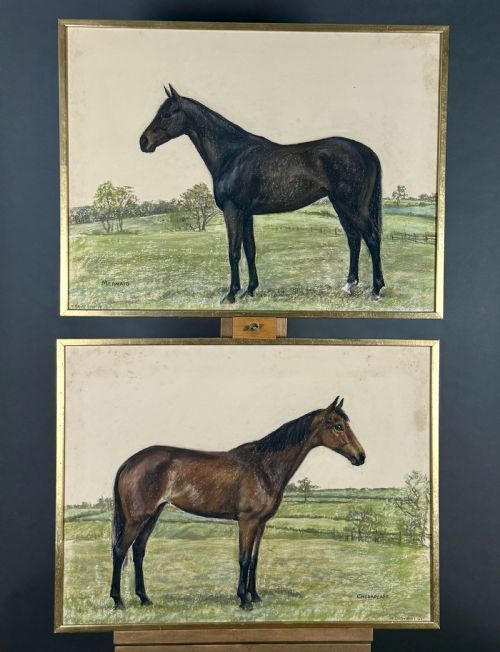
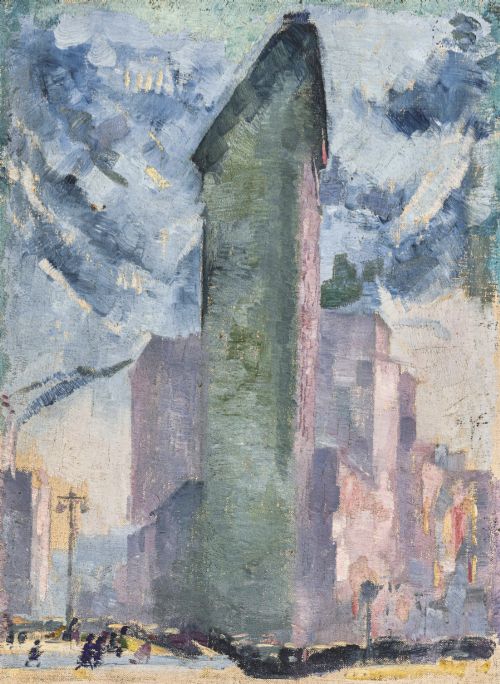
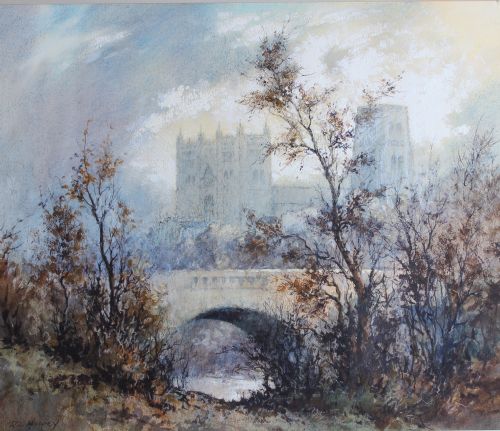
These vintage landscape study pieces capture topographies and coastal views across varied periods, offering direct insight into historic artistic techniques.
Vintage Landscape Study
A vintage landscape study represents a focused exploration of terrain, architecture, or water, rendered by artists capturing specific lighting and geographical details. Buyers hunting for a vintage landscape study often encounter works originating from the nineteenth century through the mid-twentieth century.
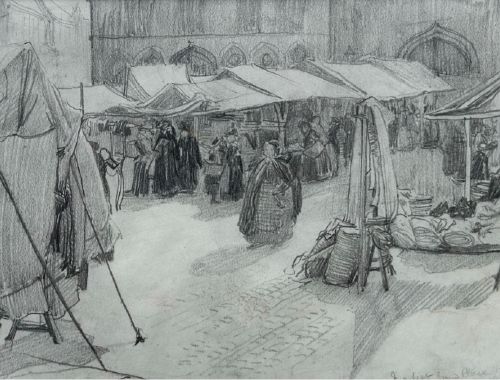
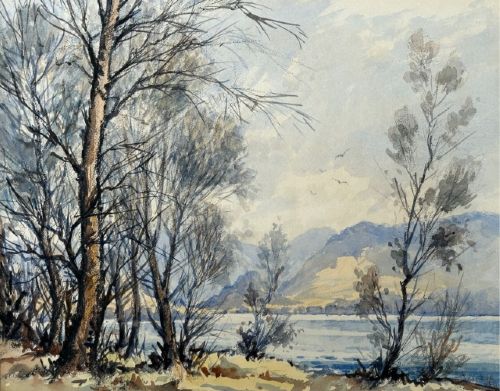
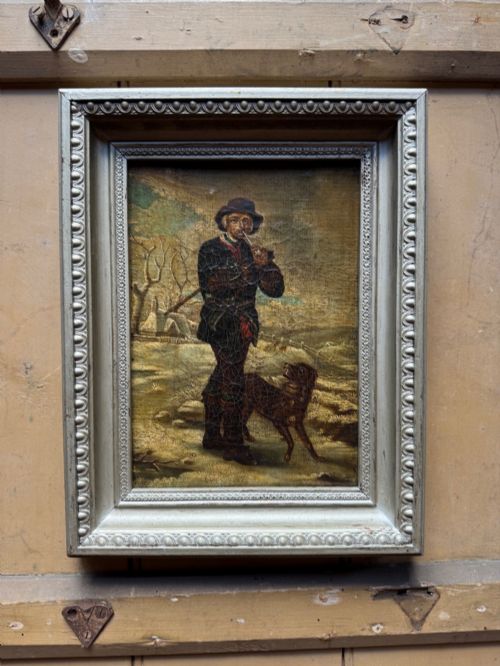
The objects span diverse formats, including framed watercolours, oil paintings on canvas or panel, and occasional charcoal sketches or pencil drawings. Many pieces document specific locations across Britain and continental Europe, ranging from Italian monuments to northern English lakes.
Materials and methods
Makers utilised traditional mediums such as watercolour pigment on paper and oil paint applied to canvas, wood panels, or paper supports. Some works incorporate gouache, pastel, and ink to build texture and define architectural or natural forms.
Framing often complements the period of the artwork, utilising timber surrounds, including burr wood frames, to protect the delicate paper or canvas surfaces.
Vintage Landscape Study Retail Price Guide 2026
Typical asking prices for vintage landscape study among the pieces listed under this phrase on Sellingantiques today, from the lower quarter to the upper quarter. They describe what is for sale here now, not the wider market.
Listings feature works spanning the nineteenth century through the 1960s, executed in watercolour, oil, pastel, and charcoal.
Evaluating the works
Quality rests in the confidence of the brushwork, the handling of light and shadow, and the immediacy of the composition. Stronger examples demonstrate a clear command of atmospheric perspective and tonal balance, whether executed swiftly outdoors or worked up in a studio.
The condition of the paper or canvas, stability of the pigment, and the integrity of the original or period frame further distinguish individual pieces within the collection.
Henry Percy Huggill·Robert Leslie Howey·Alfred Wolmark·Anne Dorrien Smith·Adrian Van Porten·James Hardy Junior·Ernest Higgins Rigg·Kershaw Schofield·Rowland Henry Hill·Peter Jackson·Edmond Defonte·Charles James Adams·Francis William Topham·Peter Toft·W E Barrington Browne·John J Hamer·Tom Dudley
The Vintage Landscape Study Glossary
- Watercolour pigment
- A colourant suspended in a water-soluble binder, applied to paper to achieve translucent washes and fine linear details.
- Oil paint
- A slow-drying paint made by mixing pigments with oils, allowing for rich impasto and subtle blending on canvas or panel.
- Impressionism
- An art style focused on the depiction of light and its shifting qualities, often executed with visible brushstrokes.
- Plein air
- The practice of painting outdoors to directly capture the transient effects of natural light upon a landscape.
Vintage Landscape Study: Frequently Asked Questions
What defines a landscape study?
A landscape study is a preparatory or finished work focusing on natural scenery, terrain, or architecture. Artists created these pieces to record specific atmospheric conditions and topographical details.
Such works range from rapid plein air sketches to detailed watercolours and oils intended to capture the essence of a particular location.
How should I display these paintings?
Display these paper and canvas works away from direct sunlight to preserve the integrity of watercolour pigments and oil paints. Proper wall placement protects the delicate mediums from fading and environmental damage.
Ensure humidity levels remain stable in the room to prevent warping in wooden panels and paper supports.
How do I identify the period?
Dating relies upon stylistic markers, framing techniques, and signatures or inscriptions left by the artist. Nineteenth and early twentieth-century pieces often reflect distinct regional schools and academic training.
Examine the reverse of the canvas or paper for any historical labels, stamps, or handwritten notes that confirm the date and origin.
Are these works signed by artists?
Many pieces feature visible signatures, monograms, or studio inscriptions left by the original maker. Some works also include titled mounts or gallery notes that document the subject and creator.
Unsigned examples are typically attributed through stylistic comparisons to known schools and regional British or European traditions.