



Vintage Landscape Print
When you search for a vintage landscape print, you are looking at wall art spanning periods from the 17th century to the mid-20th century.
Vintage Landscape Print
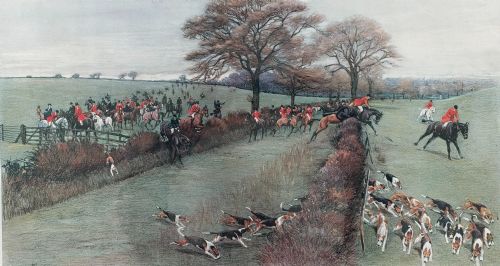
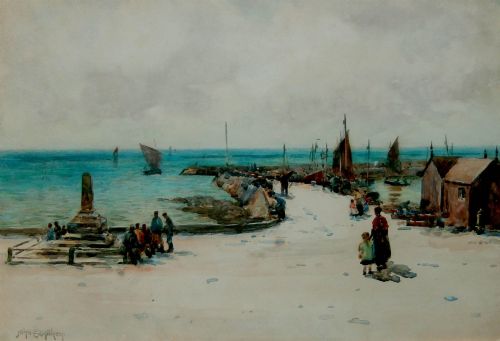
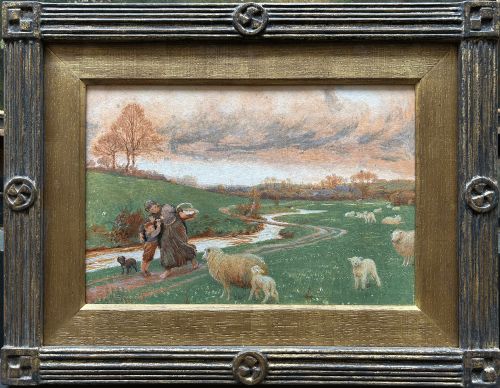
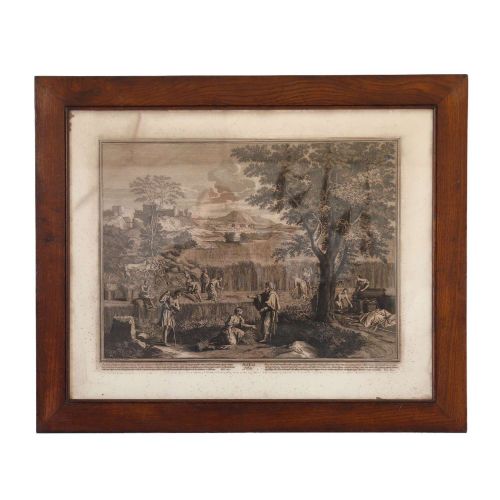
A vintage landscape print captures pastoral vistas, river valleys, and architectural scenes rendered across multiple eras, including Victorian, Edwardian, and mid-century periods. These works present framed compositions on paper, wood, and canvas that record changing approaches to scenery and topography.
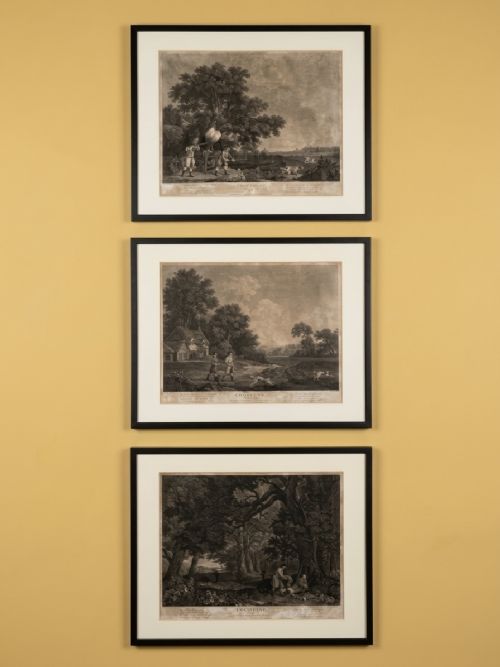
The most common examples on this page derive from the early 20th century and the Victorian era, utilising techniques ranging from lithography and woodblock printing to hand-coloured etchings. Collectors encounter both original graphic works and reproductive prints issued by period publishers.
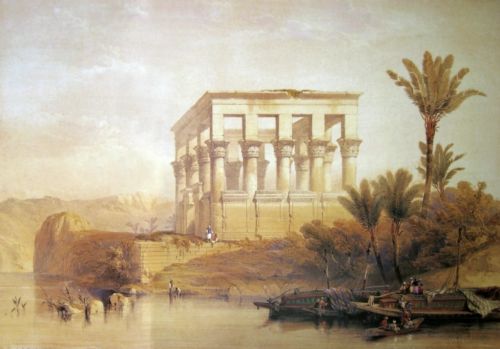
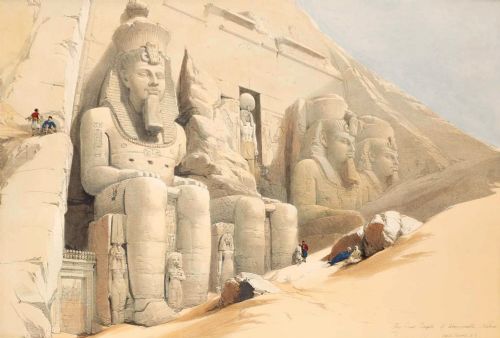
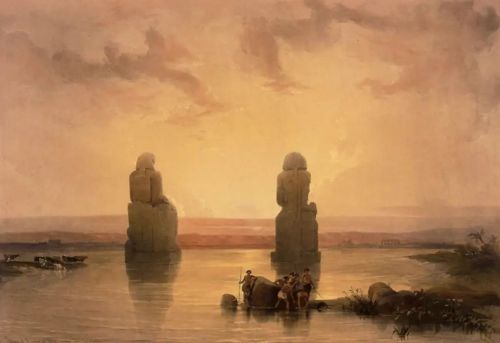
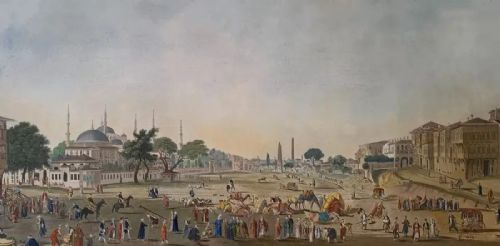
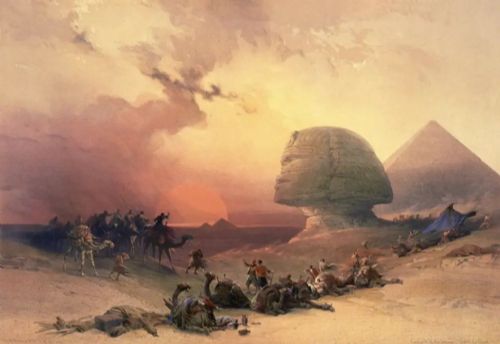
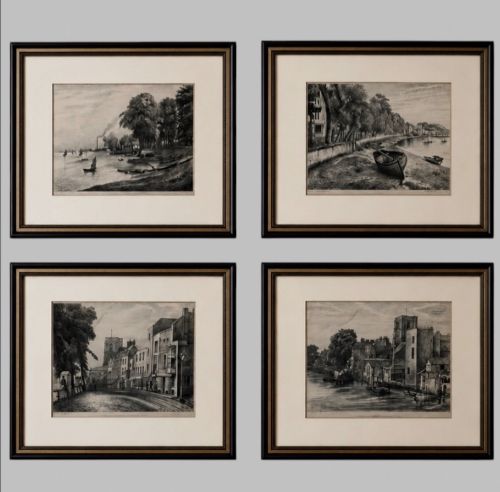
Subjects stretch from British and European countryside scenes to distant views of Constantinople and Egypt, reflecting diverse regional aesthetics. Architectural prints and topographical studies sit alongside atmospheric watercolours and oil paintings within the broader category.
Materials and production methods
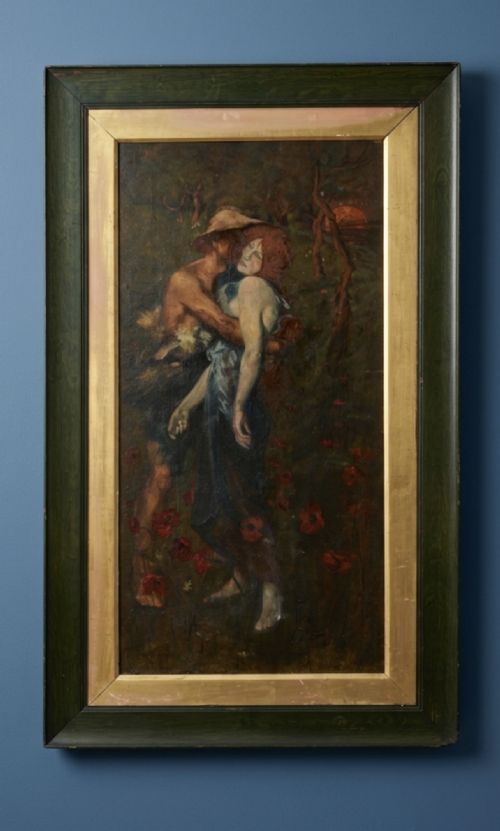
Makers utilised paper, wood, and glass alongside ink, watercolour, and oil on canvas to produce these pieces, frequently setting them within gilt wood or simple timber frames. Gold leaf appears on select works to accent the imagery.
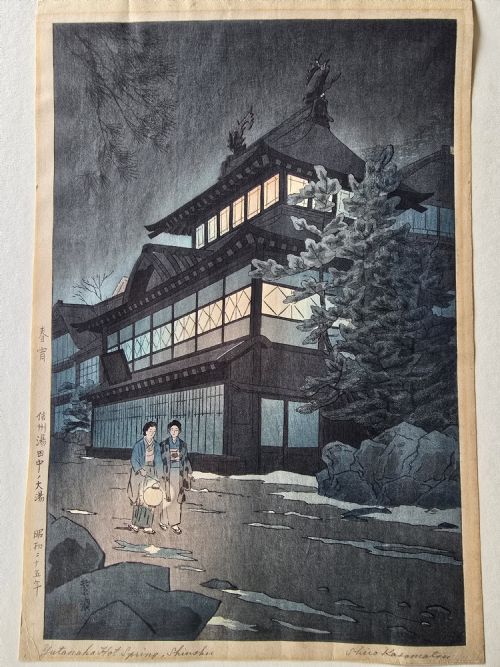
Printing techniques recorded in the inventory include lithography, collotype, aquatint, and traditional Japanese woodblock printing. Hand-colouring was frequently applied to engravings and etchings to enrich the visual depth of the printed line.
Vintage Landscape Print Retail Price Guide 2026
Typical asking prices for vintage landscape print among the pieces listed under this phrase on Sellingantiques today, from the lower quarter to the upper quarter. They describe what is for sale here now, not the wider market.
Materials in this selection include oil on canvas, watercolour, ink, paper, wood, glass, gold leaf, and gilt wood.
Distinctions in quality and execution
The handling of framing materials, such as genuine gilt wood moulding and protective glass, contributes to the overall integrity of the piece. Superior works maintain vibrant pigments and stable grounds across decades of exposure.
David Roberts·Shiro Katamatsu·Kunisada·Joseph Constantime Stadler·William Day
The Vintage Landscape Print Glossary
- Lithography
- A planographic printing process utilising a stone or metal plate on which the image area is receptive to ink and the non-image area is repellent.
- Woodblock print
- A relief printing technique where an image is carved into a block of wood, inked, and transferred to paper.
- Aquatint
- An intaglio printmaking technique that produces tonal effects by using acid to etch resin-covered copper plates.
- Collotype
- A photomechanical process that produces continuous tone photographic reproductions using hardened gelatin on glass plates.
- Etching
- A process where lines are bitten into a metal plate with acid to hold ink for printing.
Vintage Landscape Print: Frequently Asked Questions
What periods do these landscape prints cover?
The listings encompass works originating from the 17th century through to the 1960s, with a strong concentration of pieces from the Victorian, Edwardian, and early 20th-century eras.
Individual items reflect the stylistic shifts of their respective decades, ranging from traditional British topographical views to mid-century mixed media interpretations.
How should I frame and display vintage prints?
Selecting appropriate framing involves using materials that complement the period of the artwork, such as simple timber or gilt wood moulding. Conservation-grade backing and glass help protect vulnerable paper and ink from environmental degradation.
Positioning pieces away from direct sunlight preserves the pigments in watercolours and coloured lithographs over time.
What is the difference between a print and an original painting?
Prints are produced in multiples using techniques such as lithography, woodblock carving, etching, or collotype, allowing an image to be replicated on paper. Original paintings involve direct application of media like oil or watercolour onto a canvas or paper support by the artist's hand.
Certain listings combine these categories by offering hand-coloured prints alongside mixed media works and unique oil paintings.
Are Japanese woodblock prints common in this category?
Japanese woodblock prints appear alongside European works, representing traditional Ukiyo-e and mid-century printmaking styles. These pieces showcase distinct carving and printing techniques on specialised paper stocks.
Artists such as Shiro Katamatsu and Kunisada contribute to this international representation within the overall selection of landscape and architectural subjects.