
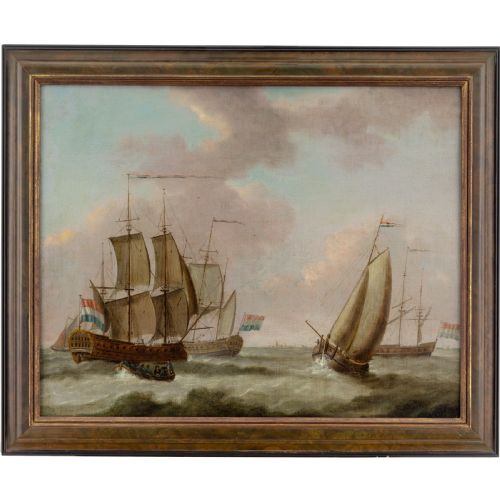
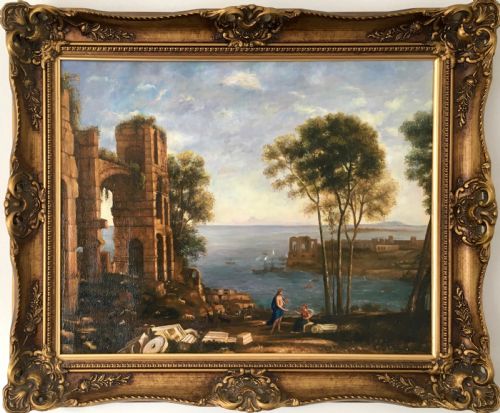
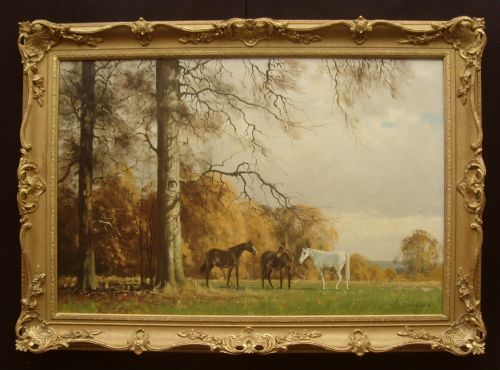
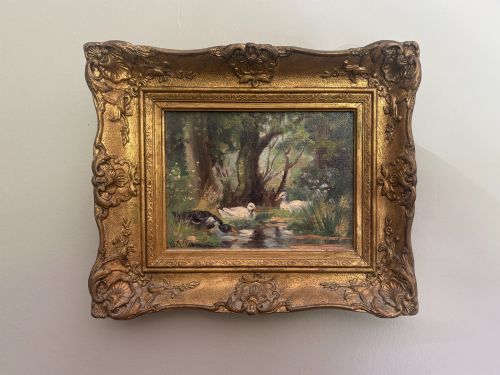
Vintage Landscape Painting Framed
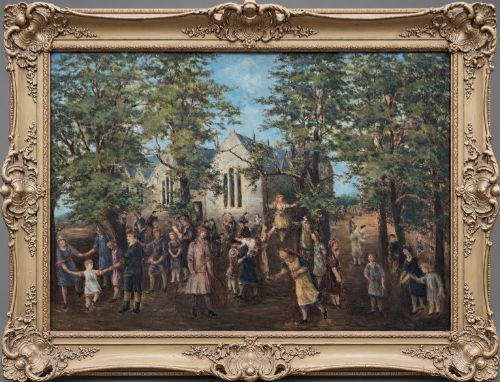
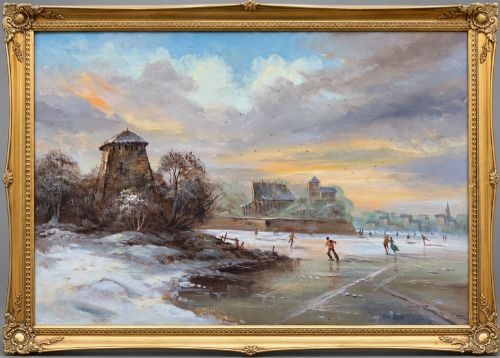
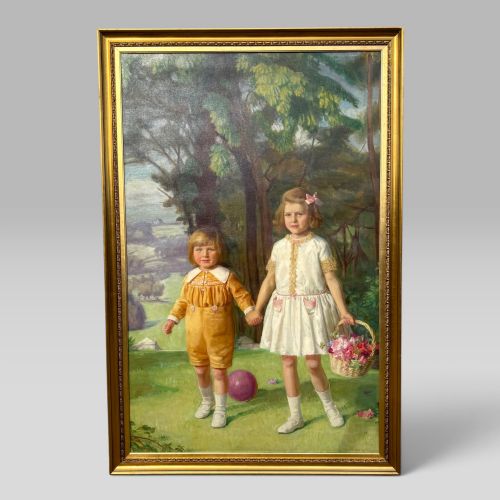
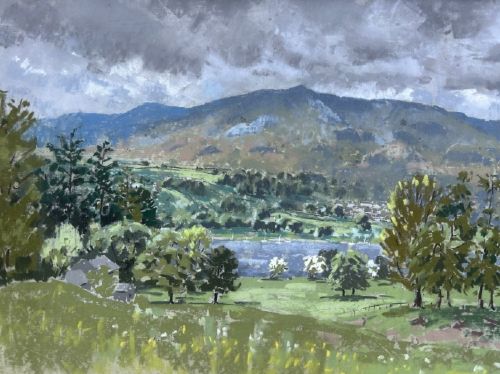
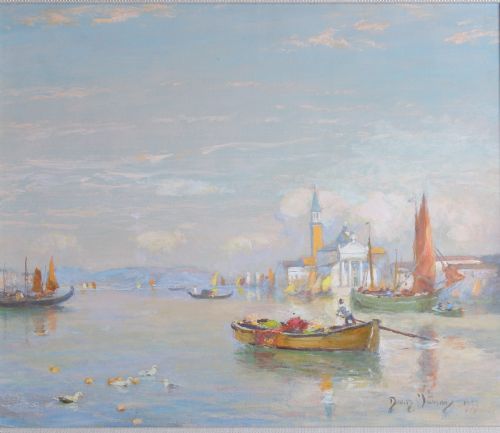
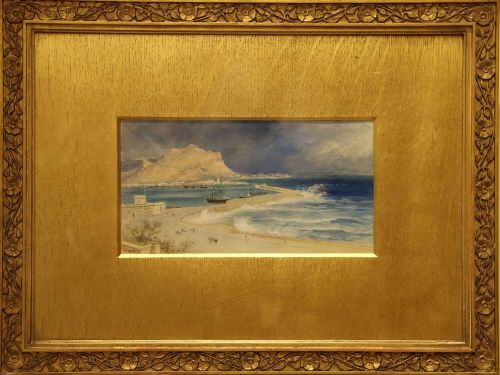
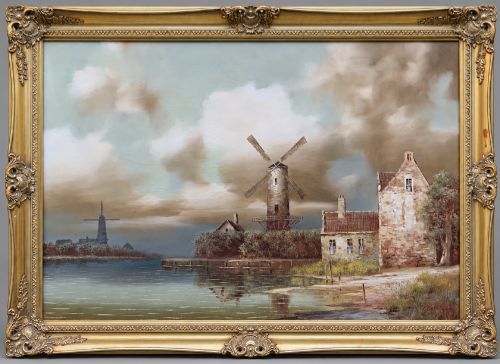
These vintage landscape painting framed pieces bring historic countryside, marine, and rural scenes into rooms through period brushwork and original mouldings.
Vintage Landscape Painting Framed
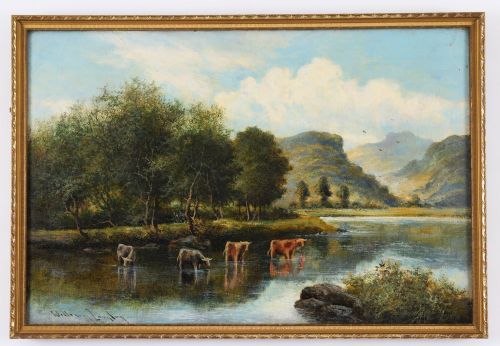
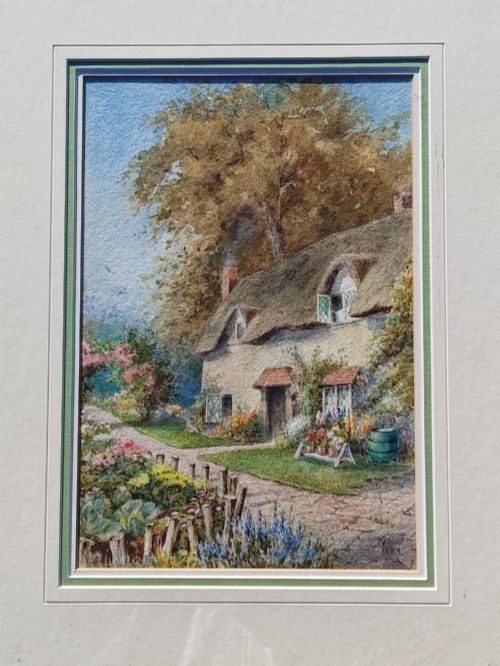
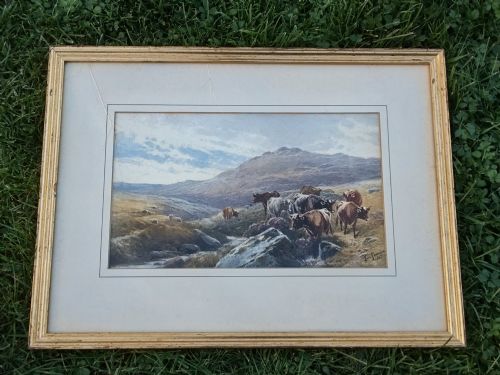
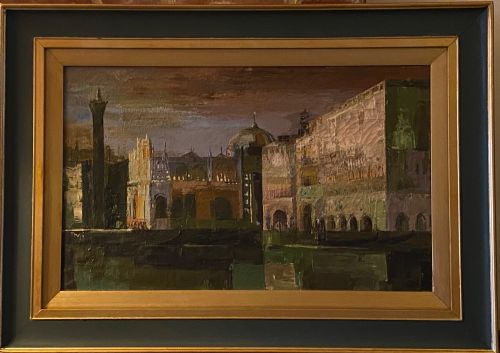
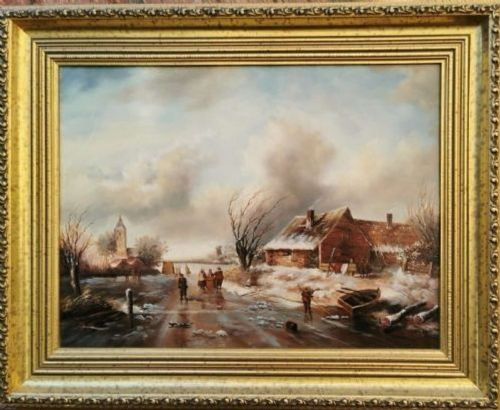
When you search for vintage landscape painting framed, you encounter works spanning the nineteenth century through the mid twentieth century, capturing rural fields, coastal harbours, and woodland vistas. The selection relies heavily on oil paint and watercolour mediums, presented within period wooden and gilt frames that complement the composition.
Most pieces date from the Victorian, Edwardian, and early twentieth-century periods, showcasing British and European rural life, marine views, and agricultural subjects. Canvas, board, and paper serve as the primary supports for artists recording pastoral settings, livestock, and street scenes.
Framed works in this category range from intimate cabinet watercolours to larger oil paintings on canvas, reflecting the changing aesthetic movements from traditional representation to impressionism.
How They Were Made
Artists built these works using oil paint on stretched canvas or wooden board, alongside watercolour applied to heavy paper, often working en plein air to capture natural light. Gilt wood and painted timber frames house these paintings, sometimes retaining their original nineteenth or early twentieth-century mouldings and glass protection.
Pigments were layered with varying brushwork, from tight academic detail to looser impressionistic strokes, capturing atmosphere in coastal Cornwall, Welsh rivers, and Yorkshire dales.
Several sheep and cattle clearly posed for their portraits long before digital cameras existed.
What Varies in Quality
Quality rests on the handling of light and perspective, where accomplished brushwork creates genuine depth in foliage, water, and skies rather than formulaic repetition. Stronger examples reveal the artist's confident touch in defining livestock, architectural elements, or atmospheric weather conditions.
The integrity of the original frame also influences the piece, as period gilt wood mouldings that match the age and scale of the canvas elevate the presentation.
R Leyton·William H Myers·George Graham·Clifford Hanney·Frederick Marriott·Reginald Arthur Borstel·A Marie Parsons·William Joseph Shayer Senior·Alfred Fontville de Breanski Jr·Sidney A Court·EJ Letheren·B Nash·Edward Mills·Robert Leslie Howey·Kershaw Schofield·George Houston·John E Aitken·William Banks Fortescue·Thomas W Lascelles·William Joseph Boyes·James Kay·Augusto Alberici·Gabriel Mathieu·Arthur Gué·Thomas Smythe
The Vintage Landscape Painting Framed Glossary
- En plein air
- Painting outdoors to capture direct observations of natural light and atmosphere. This method gained prominence in the later nineteenth century.
- Gilt wood
- Timber treated with a thin layer of gold leaf or metallic gilt, commonly utilised for traditional picture frames. It adds reflective warmth around the artwork.
- Watercolour
- A paint consisting of water-soluble pigments applied to paper supports. It produces luminous, transparent washes favoured for topographical and landscape sketches.
- Impressionism
- An art movement focusing on transient effects of light and spontaneous brushwork. It influenced many twentieth-century landscape painters.
- British School
- A designation for artists trained or working within Britain. It groups together diverse talents operating across the nineteenth and twentieth centuries.
Vintage Landscape Painting Framed: Frequently Asked Questions
How should I hang a framed vintage landscape?
Position the painting at eye level on a wall with stable ambient conditions, away from direct heat sources and strong sunlight that could damage the pigment or paper.
Ensure you use appropriate picture hooks rated for the weight of the wooden and gilt frames to secure the artwork safely.
How do I identify the period of a frame?
Examine the joinery at the corners of the frame, the type of gesso used beneath the gilt, and the composition of the underlying timber.
Period frames often show shrinkage cracks in the gilt and carry old framer labels or stamps on the reverse.
Are watercolours more fragile than oils?
Watercolour paintings on paper are more sensitive to light exposure and high humidity than oil paintings on canvas or board.
Keeping them behind glass in rooms with controlled light levels protects the fugitive pigments from fading over time.