



Vintage Lake Scene Artwork
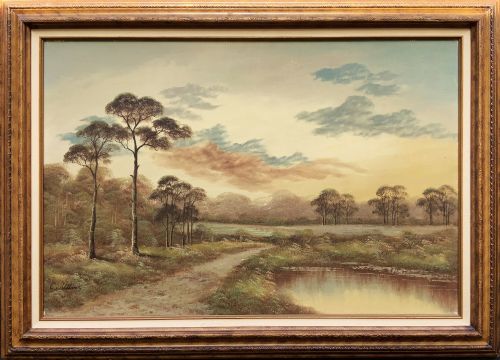
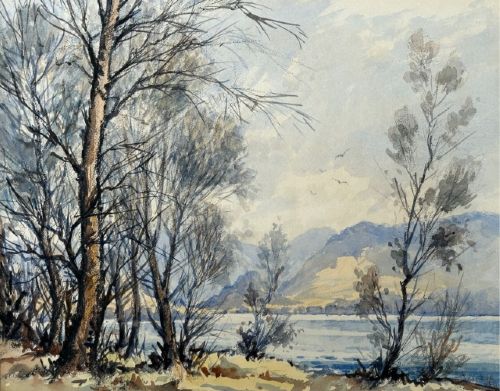
Vintage lake scene artwork brings tranquil waters and distant mountains directly into a room, offering a quiet focal point for any wall.
Vintage Lake Scene Artwork
Vintage lake scene artwork captures pastoral waters, Scottish highlands, and alpine shores through oil and watercolour mediums. Buyers searching for vintage lake scene artwork frequently encounter oil on canvas paintings and framed watercolours spanning the nineteenth and twentieth centuries.
The selection ranges from Victorian Scottish highland vistas to mid-century British and French impressionist interpretations. These pieces record landscapes across Europe, including Austrian mountains, Dutch skating lakes, and Cumbrian waters.
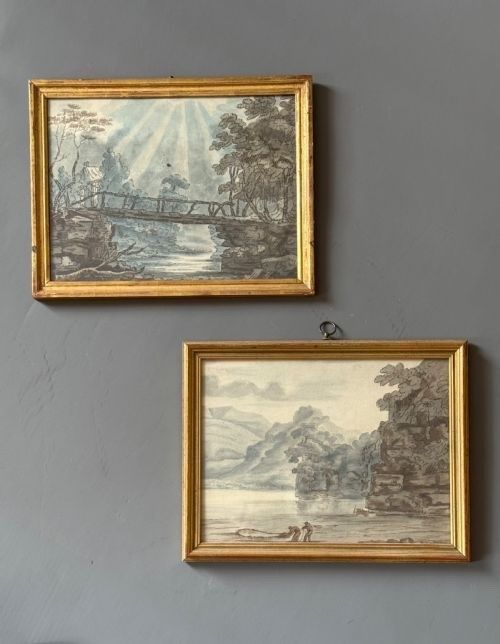
Framed artwork appears in various formats, from intimate watercolours on paper to large oil paintings housed in giltwood and gesso frames. Most examples present rural tranquility, featuring figures by the shore, boating lakes, and snow-capped mountain backdrops.
What varies in quality
The strength of composition and the handling of light define the upper tier of these paintings. Masterful handling of atmosphere, particularly in depicting reflections on water and distant mountain mist, separates finer works from standard decorative pieces.
The integrity of the original canvas, the preservation of the pigment, and the quality of the surrounding giltwood and gesso frame influence the overall character and presence of the artwork.
Vintage Lake Scene Artwork Retail Price Guide 2026
Typical asking prices for vintage lake scene artwork among the pieces listed under this phrase on Sellingantiques today, from the lower quarter to the upper quarter. They describe what is for sale here now, not the wider market.
Some lakes come complete with tiny ice-skaters making their way across frozen Dutch waters.
Robert Leslie Howey·Gabriel Dauchot·Frank Hider·Giulio Cecchini·Milton Drinkwater·George Harrison·Louis Smets·Antoine Bouvard·George Neil
The Vintage Lake Scene Artwork Glossary
- Oil on Canvas
- Pigment mixed with drying oil applied to a woven fabric support. This traditional medium allows for rich colour depth and textured brushwork.
- Giltwood
- Wood carved and covered with a thin layer of gold leaf. It frequently surrounds antique oil paintings to enhance their visual weight.
- Gesso
- A paint mixture consisting of a binder mixed with chalk, gypsum, or pigment. It provides a smooth base for gilding on picture frames.
- Watercolour
- Paint consisting of colour pigments suspended in a water-based solution applied to paper. It produces transparent washes of colour.
- Impressionism
- A nineteenth-century art movement characterised by relatively small, thin, yet visible brush strokes. It emphasises accurate depiction of light in its changing qualities.
Vintage Lake Scene Artwork: Frequently Asked Questions
Where should I hang a lake painting?
These landscapes suit living rooms, studies, or hallways where natural light can illuminate the brushwork and canvas texture.
Keep them away from direct sunlight and damp environments to protect the canvas, paper, and wooden frames over time.
How do I identify a Victorian lake painting?
Victorian examples often feature romantic Scottish highland or pastoral mountain backdrops rendered in traditional oil paints.
They are commonly housed in ornate giltwood and gesso frames that reflect nineteenth-century framing styles.
What is the difference between oil and watercolour lake scenes?
Oil paintings utilise pigment on stretched canvas, offering heavy texture and deep colour layering. Watercolours use pigment on paper under glass, presenting a lighter and more transparent view of the landscape.
Oils usually appear in heavier frames, while watercolours require protective glass matting.
How do I care for framed vintage artwork?
Dust the frames gently with a dry cloth and avoid using liquid cleaners on the canvas or paper surface. Maintain stable room temperatures to prevent the wood and canvas from warping.