


Vintage Lacquered Side Table
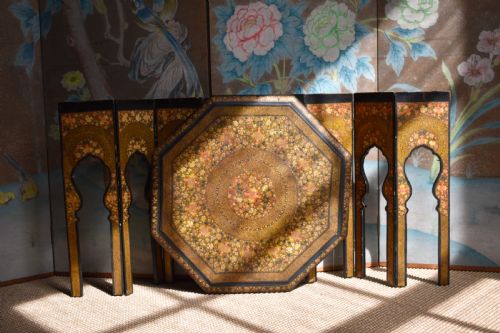
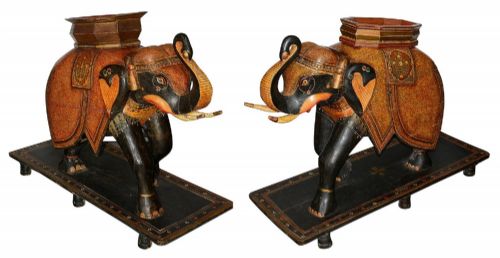
A vintage lacquered side table brings rich surface and deep historical pattern to a room, drawing the eye with dark gloss and gilt.
Vintage Lacquered Side Table
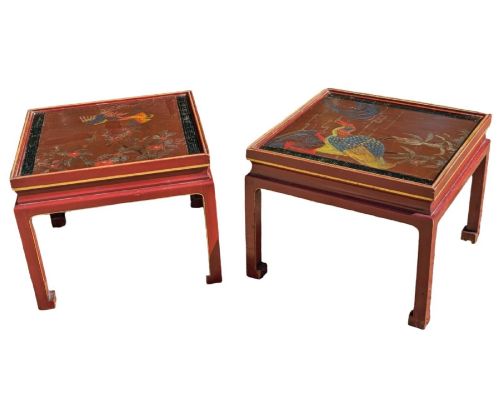
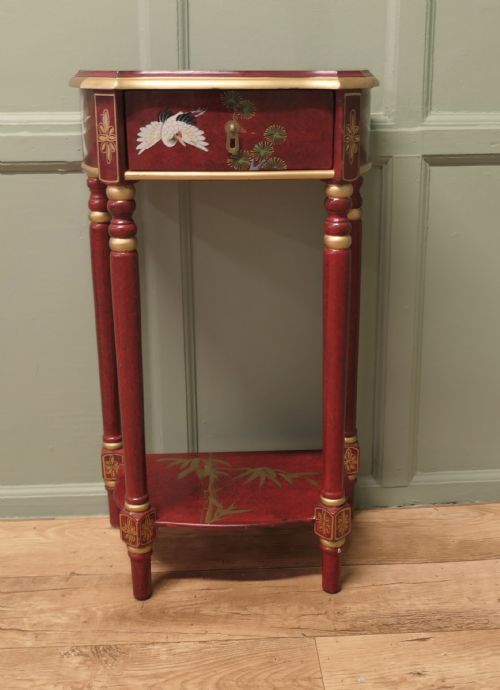
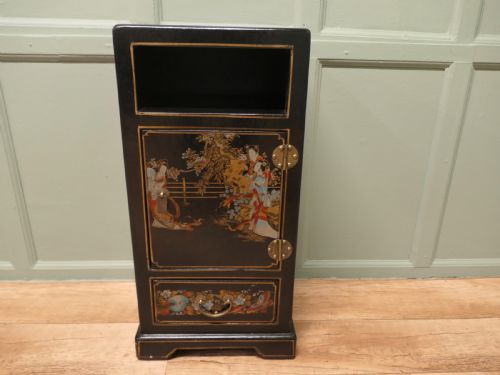
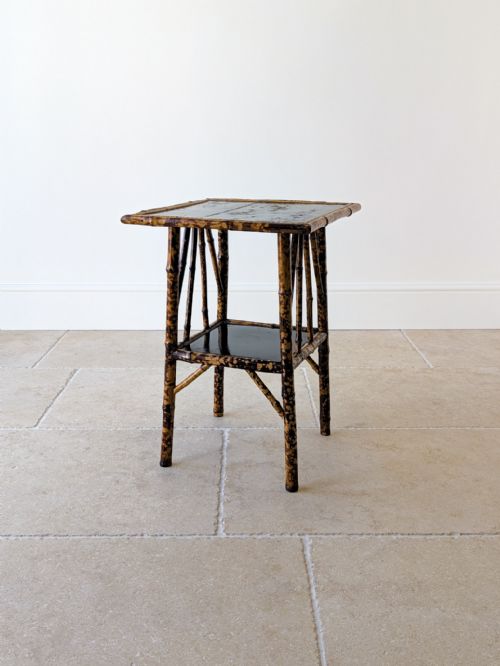
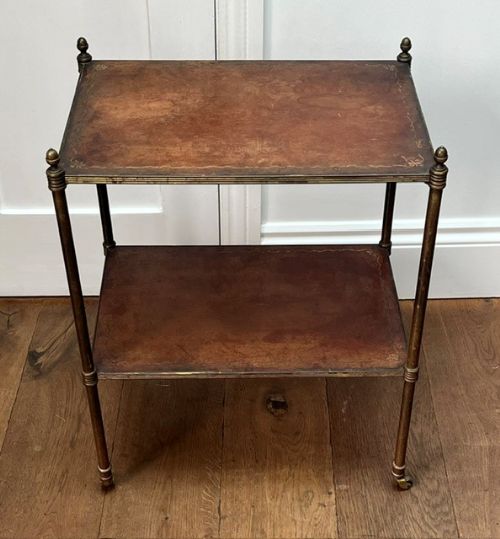
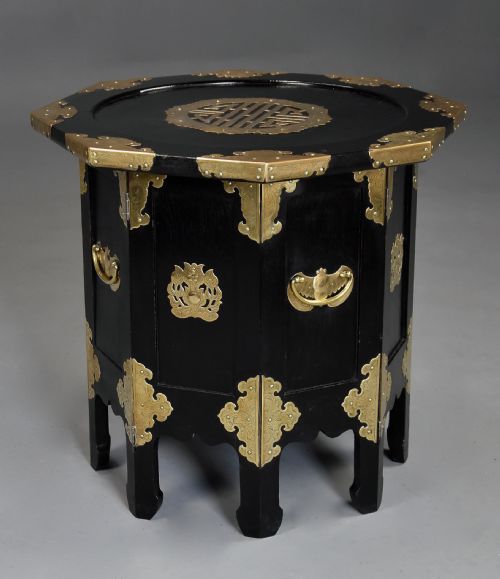
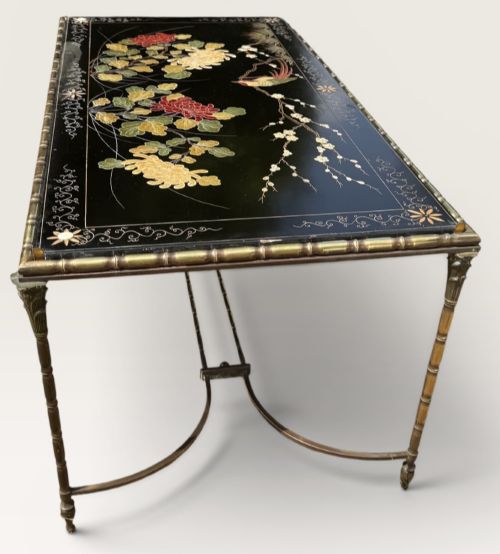
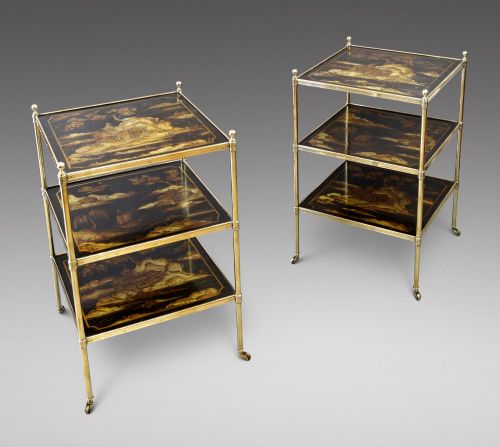
A vintage lacquered side table encompasses low occasional pieces, nests, and tray stands finished in polished coats of lacquer, often decorated with Oriental or European motifs. Buyers seek these items to introduce rich surface pattern, dark sheen, and compact utility into a room. The selections here span the nineteenth century through the nineteen-thirties, reflecting diverse regional interpretations from Chinese provincial work to British Aesthetic Movement and French taste.
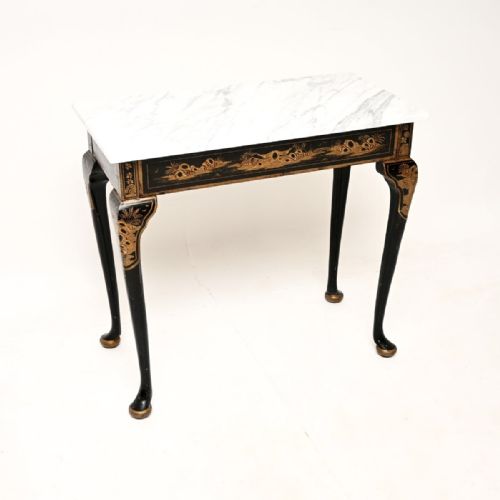
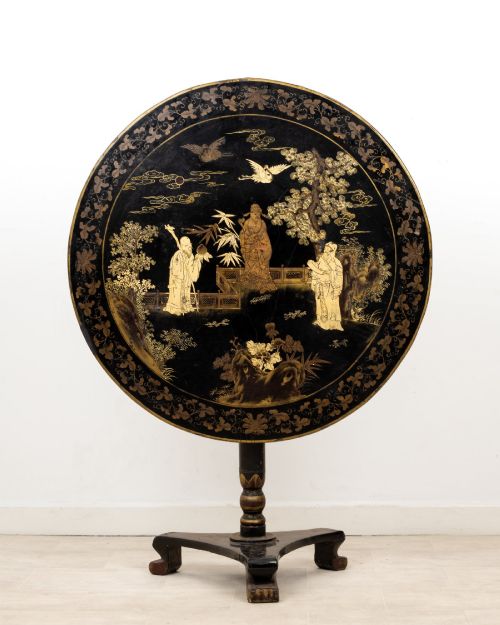
The most common forms on this page include occasional tables, nests of multiple tables, and coffee tables originating from various global traditions including Chinese, Burmese, and Kashmiri workshops. Victorian and early twentieth-century examples frequently employ Chinoiserie decoration on black or red grounds, pairing functional surfaces with intricate painted or gilded scenery. These pieces operate effectively as focal points in traditional or eclectic interiors due to their distinct decorative heritage.
Materials and construction methods
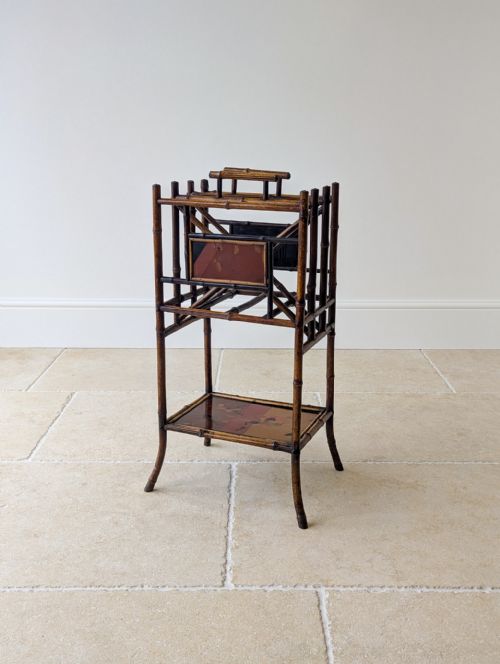
Construction relies on solid timbers such as elm, alongside bamboo and other carved woods, providing stable structural frames for decorative surfaces. Artisans applied layers of lacquer to build durable, lustrous finishes that were subsequently painted, gilt, or inlaid with materials like brass. Many examples integrate secondary elements including tooled leather, marble tops, and cloisonne accents to enhance the visual texture of the table.
Techniques range from traditional Asian lacquer applications on regional furniture to European adaptations like toleware and painted tray tables. Workshops utilised gold leaf and fine pigments to depict figurative scenes, foliage, and architectural landscapes upon the dark or brightly coloured grounds. This combination of robust carpentry and meticulous surface finishing accounts for the survival of these pieces across centuries.
The listings here incorporate nineteenth-century Victorian designs alongside early twentieth-century pieces utilising elm, brass, and traditional lacquer.
Judging the quality of the finish and form
Quality rests primarily on the depth, intactness, and refinement of the lacquered surface, together with the crispness of any applied gilding or painted detail. Superior examples display complex pictorial narratives and carefully layered finishes that reflect disciplined regional craftsmanship rather than hurried mass production. The integrity of the underlying timber framework and the stability of joints further distinguish finer pieces.
Proportion and decorative coherence separate exceptional items from standard commercial variants. Pieces that retain their original structural hardware and unblemished surface patination offer a more authentic historical record. Attention to secondary details, such as finely wrought brass mounts or precise joinery, marks the work of accomplished makers and distinguished workshops.
Mallett of London·Maison Bagues
The Vintage Lacquered Side Table Glossary
- Chinoiserie
- European decorative style reflecting Chinese artistic influences, prominent in furniture decoration through lacquering and gilt painting. It frequently depicts imaginary landscapes, pagodas, and figures.
- Etagere
- A set of open shelves or tiers used for displaying small objects or serving drinks. These pieces often feature brass supports and lacquered surfaces.
- Toleware
- Painted or enamelled sheet metal household objects and furniture. Items in this medium often exhibit rich dark finishes akin to traditional lacquer.
- Canterbury
- A low stand featuring sloped partitions originally designed for holding sheet music or books. Nineteenth-century variants sometimes incorporate bamboo and lacquered panels.
- Altar table
- A traditional Chinese form characterised by rectangular proportions and upturned ends. These tables provide substantial surfaces finished in red or black lacquer.
Vintage Lacquered Side Table: Frequently Asked Questions
How do I care for a lacquered surface?
Dust surfaces gently with a soft, dry cloth and avoid exposing the timber to direct sunlight or moisture.
Keep polished pieces away from extreme temperature fluctuations to prevent the lacquer from cracking or crazing over time.
Are these tables suitable for daily use?
Many occasional and coffee tables function well for daily placement of lamps or small items if treated with care.
Using coasters and avoiding heavy impacts will protect the delicate painted and gilt details from unnecessary wear.
What is the difference between Chinoiserie and Chinese provincial work?
Chinoiserie represents European interpretations of Eastern motifs, often produced in Britain or France during the Victorian and Edwardian eras.
Chinese provincial work comprises items made within China for local use, featuring authentic regional construction and vernacular lacquer techniques.
How can I date a lacquered side table?
Dating relies on examining the construction methods, wood types, and stylistic indicators such as Victorian bamboo framing or nineteen-thirties modernist lines.
Wear patterns, original fixings, and the composition of the lacquer layers also offer reliable clues to the period of manufacture.