



Vintage Lacquered Chair
A vintage lacquered chair brings striking decorative form to a room through dark polished finishes and traditional craftsmanship.
Vintage Lacquered Chair
A vintage lacquered chair encompasses diverse seating forms ranging from nineteenth-century Chinese elm armchairs to Edwardian walnut and cane seating. Buyers searching for a vintage lacquered chair encounter pieces spanning the eighteenth century through to the 1930s, including side chairs, hall chairs, and dining sets.
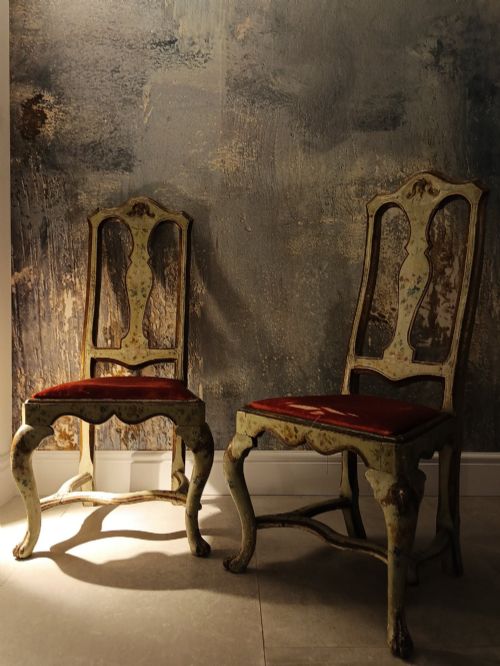
The selection includes specific regional interpretations such as North Italian side chairs, Qing Dynasty pieces, and Chinoiserie satinwood armchairs. Most examples fall into the category of armchairs and side chairs, often appearing in pairs or larger matched sets.
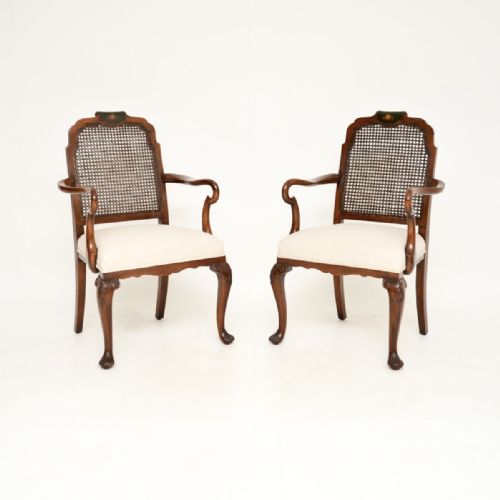
Makers and craftsmen utilised traditional forms influenced by Queen Anne styles alongside oriental designs. Buyers frequently discover bergere armchairs and accent seating featuring painted surfaces and intricate structural details.
Materials and construction methods
Construction relies heavily on traditional timber frames fashioned from elm, walnut, and satinwood, combined with applied lacquer surfaces. Artisans incorporated natural materials like cane and bamboo into seats and backrests alongside upholstered elements in velvet and fabric.
Finishes feature layered lacquer work often paired with gilt highlights and painted ornamentation. Woodworkers joined structural components using traditional joinery appropriate to the period, whether creating nineteenth-century concubine chairs or Edwardian bedroom furniture.
Vintage Lacquered Chair Retail Price Guide 2026
Typical asking prices for vintage lacquered chair among the pieces listed under this phrase on Sellingantiques today, from the lower quarter to the upper quarter. They describe what is for sale here now, not the wider market.
Listings feature pieces spanning multiple centuries, with materials including lacquer, cane, elm, walnut, and gilt across styles from Chinoiserie to Queen Anne.
Distinctions in craftsmanship and finish
Quality separates standard production from superior artistry through the depth and resilience of the lacquer finish. Finer examples display meticulous hand-painted details and well-preserved gilt accents that retain their original lustre across centuries.
Structural integrity of the underlying timber frame and woven components like cane or bergere work defines the grade of the piece. Consistency within matched pairs and larger dining sets dictates the desirability of the seating.
The Vintage Lacquered Chair Glossary
- Lacquer
- A durable resin finish applied in multiple coats to wood surfaces, providing a glossy protective coating. This technique creates the smooth, reflective exterior characteristic of these seats.
- Bergere
- An enclosed upholstered armchair featuring exposed wooden framing and woven cane panels. The style provides comfortable seating with a refined silhouette.
- Cane
- Woven material made from rattan plant stems, frequently utilised for chair seats and backs. This lightweight weave adds textural contrast to solid wooden frames.
- Qing Dynasty
- The final imperial dynasty of China, spanning from the seventeenth to the early twentieth century. Pieces from this era exhibit traditional Asian joinery and form.
Vintage Lacquered Chair: Frequently Asked Questions
What is a vintage lacquered chair?
A vintage lacquered chair is a wooden seat finished with protective resin coatings, originating from periods spanning the eighteenth century to the 1930s. These pieces combine functional seating with decorative painted surfaces.
Designs range from traditional Chinese elm models to European Chinoiserie armchairs and dining sets.
How do I style a lacquered chair?
These chairs function well as accent pieces in living spaces, studies, or bedrooms, adding visual contrast through glossy finishes. Pairs and larger sets integrate effectively into dining rooms.
Matching them with neutral backgrounds allows the painted details and lacquer sheen to become focal points.
How do I identify the period?
Dating relies on stylistic markers such as Queen Anne influences, Edwardian satinwood framing, or nineteenth-century Chinese construction techniques. Timber choices like elm and walnut also indicate specific eras.
Examining the wear patterns and finish application helps confirm the age of the piece.
Were these chairs used for dining?
Many examples on this page comprise dining chairs, hall chairs, and side chairs intended for formal seating. Larger sets were produced for dining rooms and grand halls.
Armchairs and bergere styles served primarily as occasional or bedroom seating.