



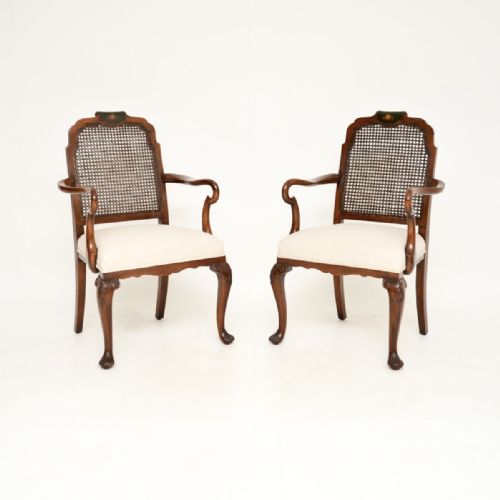

Vintage Lacquer Furniture
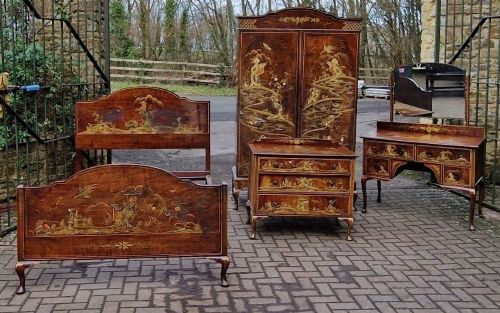
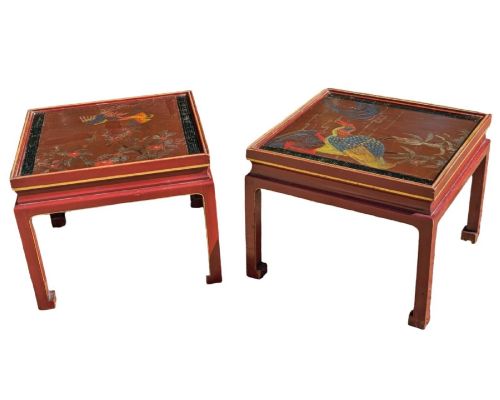
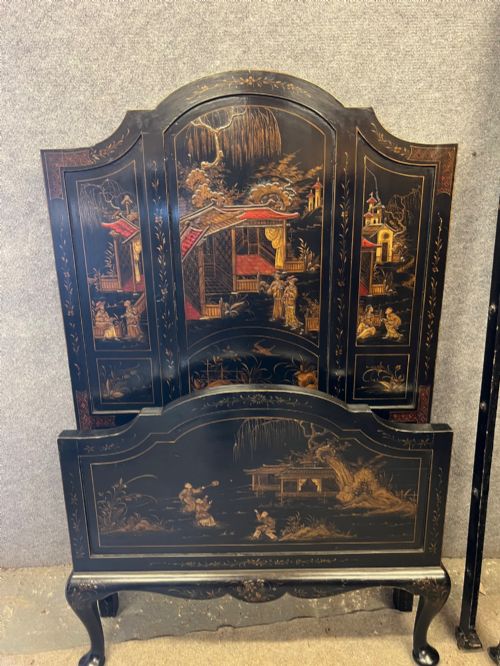
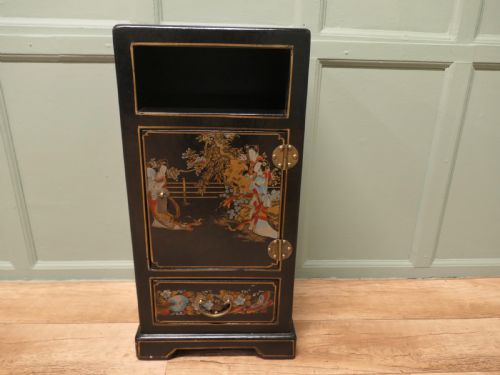
These vintage lacquer furniture pieces bring rich hand-painted storytelling and deep glossy surfaces into a room.
Vintage Lacquer Furniture
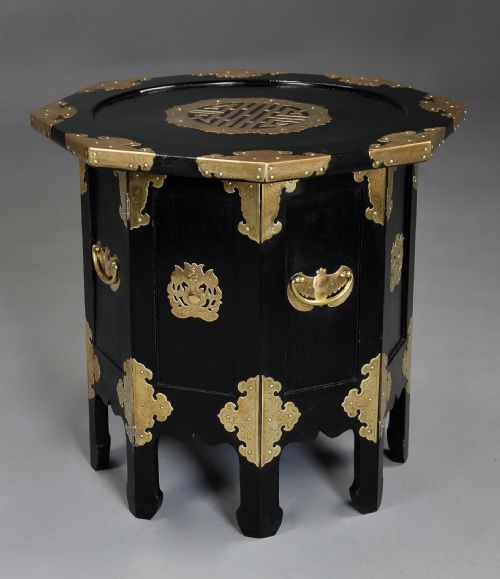
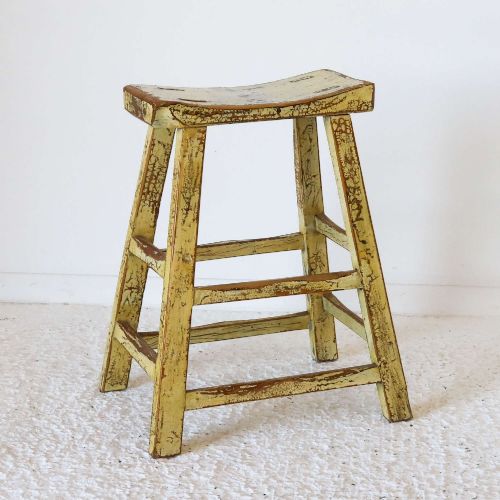
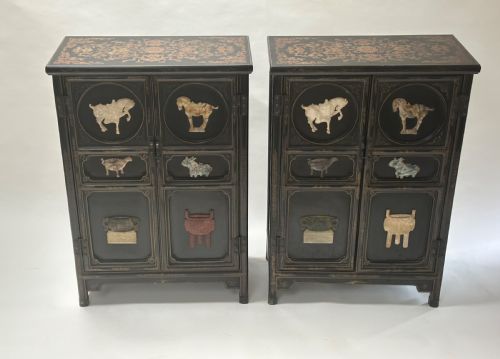
Vintage lacquer furniture encompasses a diverse array of decorative storage and seating, uniting traditional Eastern craftsmanship with European revival styles. Pieces range from nineteenth-century Chinese chests and side tables to early twentieth-century English japanned cabinets and Art Deco cocktail bars.
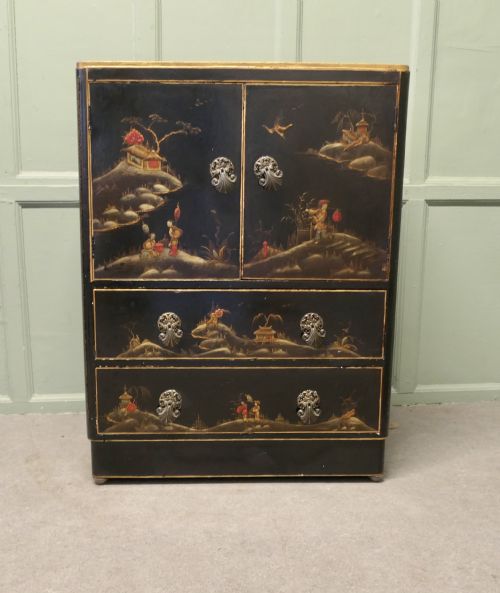
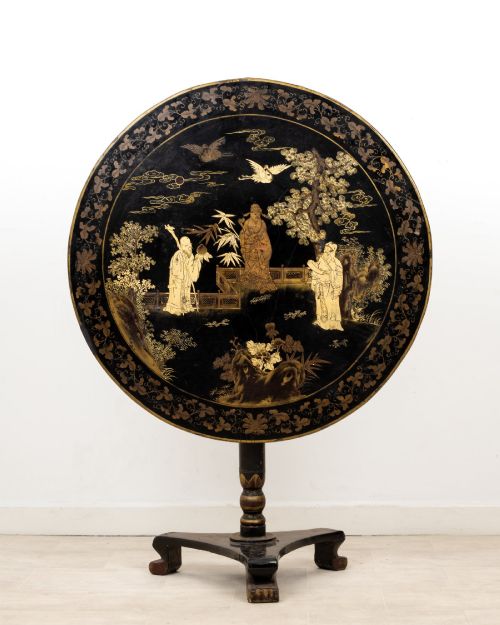
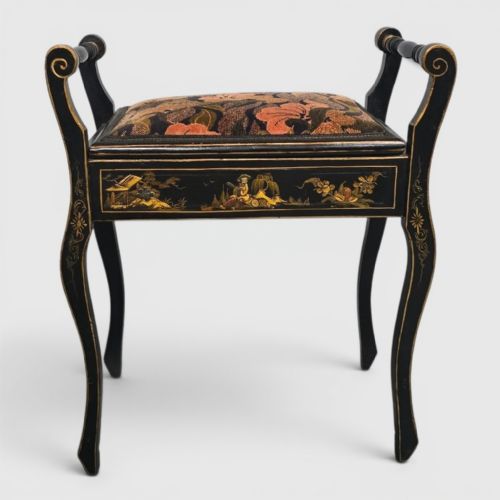
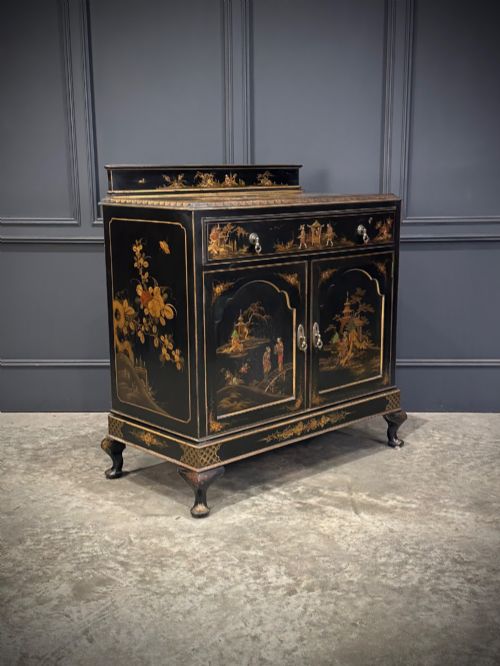
Buyers will most frequently encounter side cabinets, coffee tables, and occasional tables spanning the Victorian, Edwardian, and Art Deco periods. These forms merge utility with intricate surface decoration, often featuring Chinoiserie motifs or deep black and coloured painted finishes.
How they were made
Construction relies upon a core of solid wood such as elm, walnut, or maple, which provides a stable foundation for multiple layers of finish. Artisans applied natural sap or specialised paint formulations, building up smooth surfaces that could be polished, carved, or painted.
Decoration involved delicate hand-painting, gilding with gold leaf, and occasionally incorporating brass hardware, bamboo accents, or inlaid materials like cloisonné. This layered technique required patient drying and rubbing between coats to achieve a durable, lustrous sheen.
Vintage Lacquer Furniture Retail Price Guide 2026
Typical asking prices for vintage lacquer furniture among the pieces listed under this phrase on Sellingantiques today, from the lower quarter to the upper quarter. They describe what is for sale here now, not the wider market.
Listings feature lacquer furniture spanning the nineteenth century through the Art Deco era, incorporating materials like brass, cane, elm, and gold leaf.
What varies in quality
The degree of artistic execution in the painted decoration separates standard utilitarian pieces from exceptional works of interior design. Finer examples display confident brushwork, intricate detailing of birds and flowers, and harmonious colour palettes that retain their original depth.
The integrity of the underlying woodwork and the preservation of the original lacquered finish dictate the longevity and visual impact of a piece. Superior examples maintain stable joints and honest patination without heavy modern repainting obscuring the historical surface.
H and L Epstein·Maison Krieger
The Vintage Lacquer Furniture Glossary
- Chinoiserie
- European decorative style in the Chinese taste, popular in furniture and interior design during various periods. It employs motifs of figures, pagodas, and landscapes rendered in paint and gilt upon lacquered grounds.
- Japanned
- European imitation of Asian lacquerwork, created by applying layers of varnish and paint to furniture surfaces. Artisans often decorated these pieces with raised motifs and metallic dust.
- Cloisonne
- Enamelling technique where thin metal wire creates compartments on a surface to hold coloured glass paste. It occasionally appears alongside lacquer on tables and cabinets.
- Tansu
- Traditional Japanese mobile storage chest built from wood with distinctive metal mountings. These cabinets served functional domestic purposes before entering the antique market.
- Canterbury
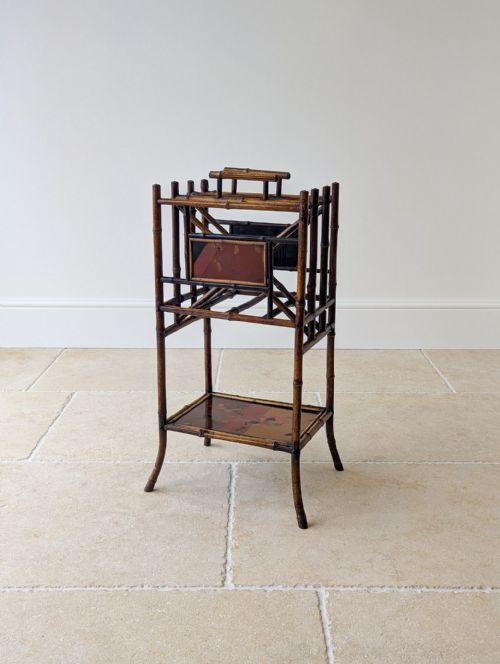
- Small stand fitted with partitions for holding sheet music or books, sometimes constructed from bamboo and lacquer. It represents a specific Victorian form of occasional furniture.
Vintage Lacquer Furniture: Frequently Asked Questions
How do I clean vintage lacquer furniture?
Dust surfaces gently with a soft, dry microfibre cloth to remove everyday particles without scratching the glossy top layer. Avoid chemical cleaning products, excessive moisture, and direct sunlight, which can dull the historical finish over time.
For stubborn marks, use a barely damp cloth followed immediately by a dry one. Preserving the integrity of the original paint and varnish relies on gentle, chemical-free maintenance.
Are these pieces suitable for daily use?
Many items, such as side tables, desks, and cabinets, function practically in modern interiors just as they did originally. Placing coasters under drinks and protecting surfaces from sharp objects will prevent unnecessary wear to the delicate painted finishes.
Larger storage cabinets and chests offer substantial enclosed space for everyday organisation. Their sturdy wood construction handles routine domestic demands while retaining their decorative appeal.
How do I identify Chinoiserie from other styles?
Chinoiserie is characterised by European interpretations of East Asian landscapes, figures, and architectural motifs rendered in gold or paint. These designs typically appear against dark backgrounds like black or deep green lacquer.
Distinguishing this from traditional Eastern manufacture involves examining the construction methods and regional wood types used beneath the finish. European interpretations often reflect the fashionable tastes of the Victorian and Edwardian periods.
What rooms suit a lacquer cabinet?
Side cabinets and small chests work well in living rooms, hallways, or bedrooms as focal points that introduce texture and colour. Their decorative surfaces contrast effectively with plain walls and contemporary interior furnishings.
Pairing a lacquer table or chest with neutral surroundings allows the intricate painted details to stand out clearly. These versatile forms add depth and character to both traditional and eclectic modern spaces.