

Vintage Kitchen Server
A vintage kitchen server brings honest utility and heavy timber presence into a room, serving as a hardworking surface for prep and storage.
Vintage Kitchen Server
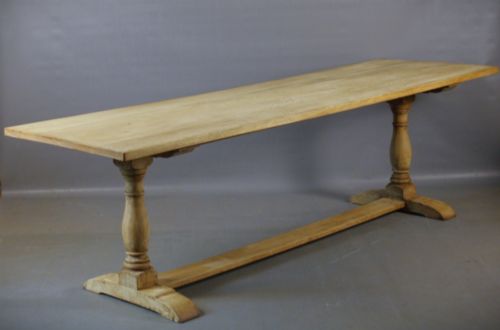
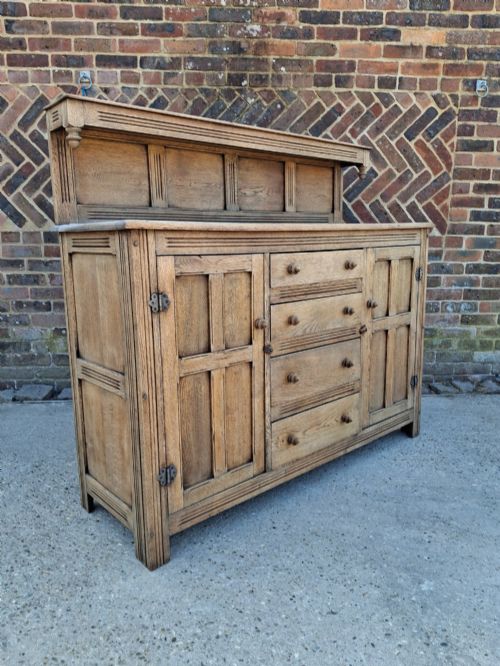
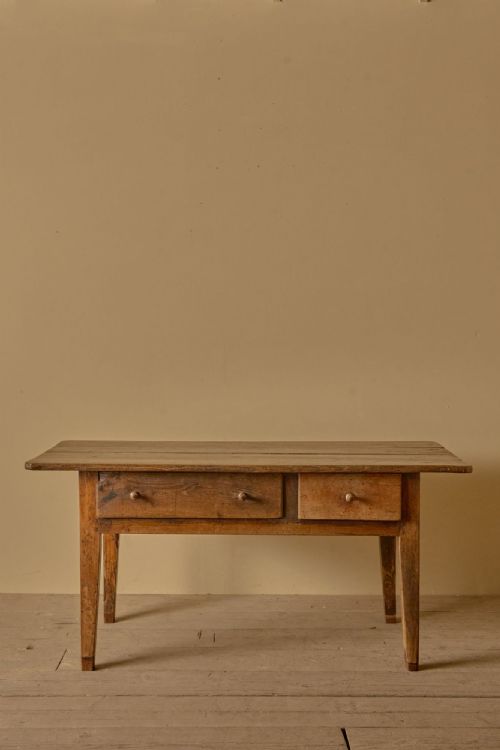
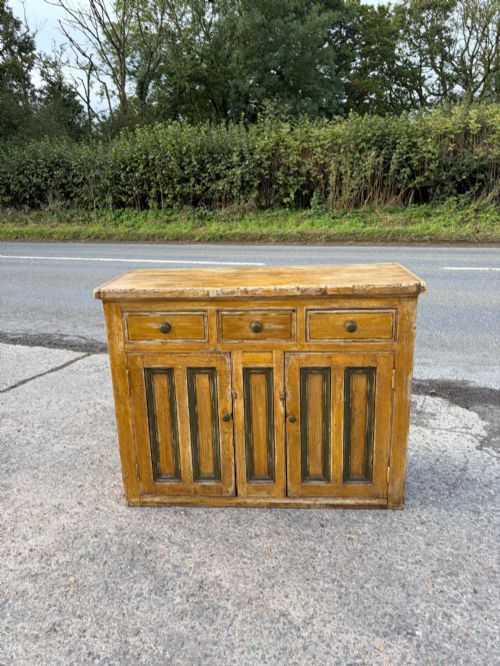
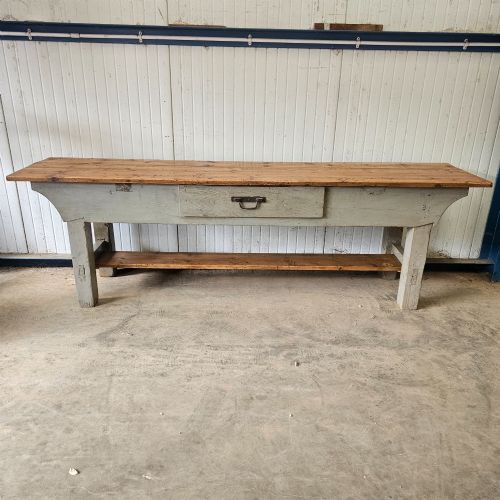
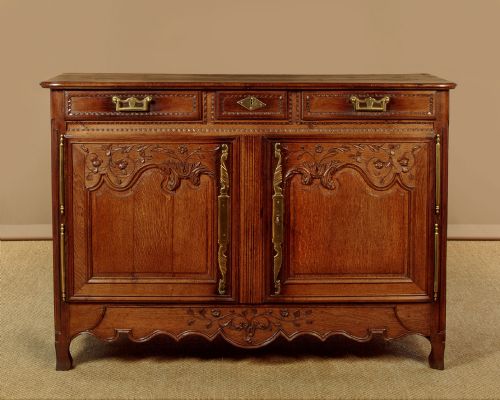
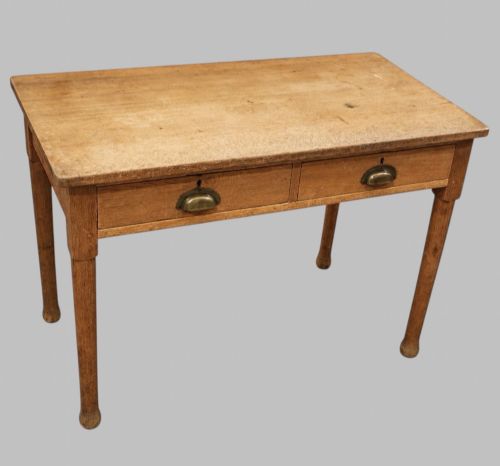
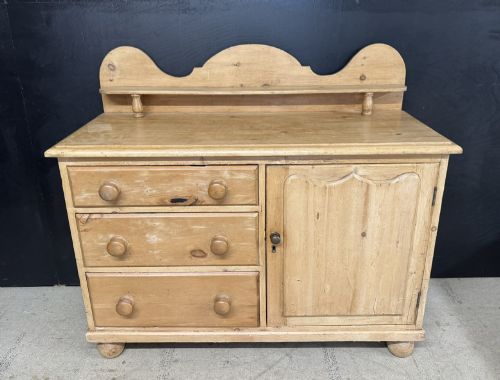
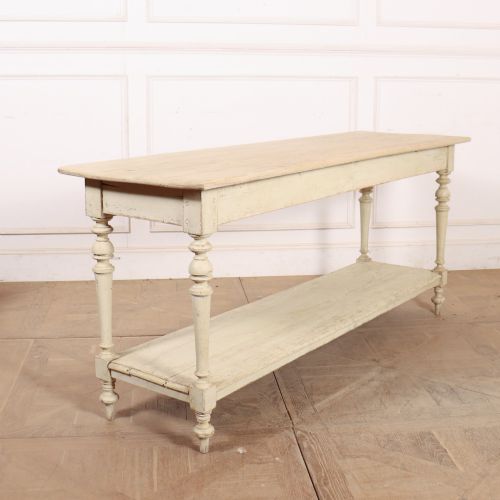
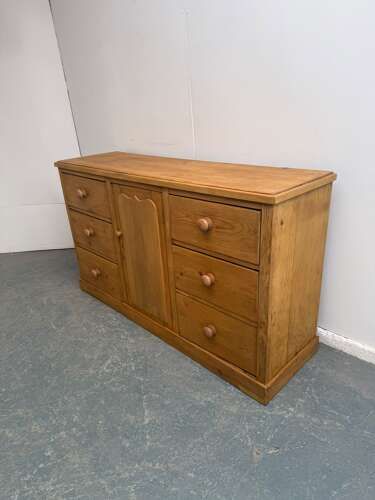
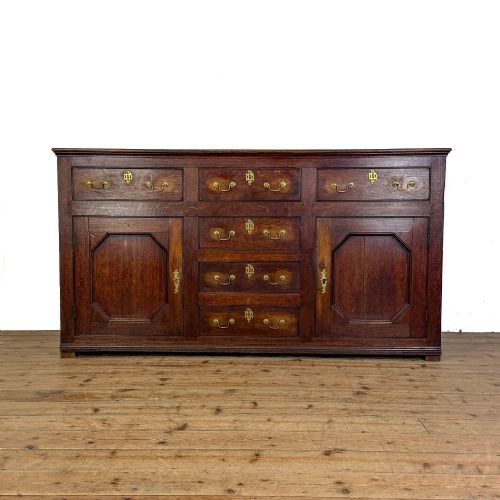
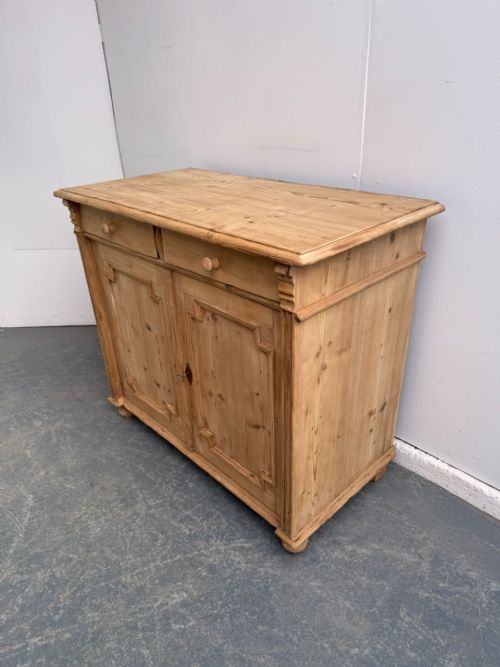
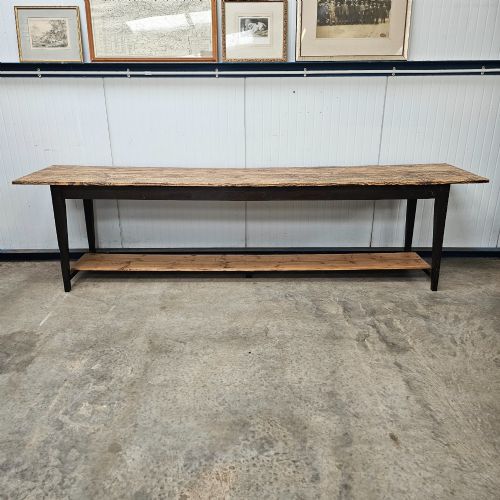
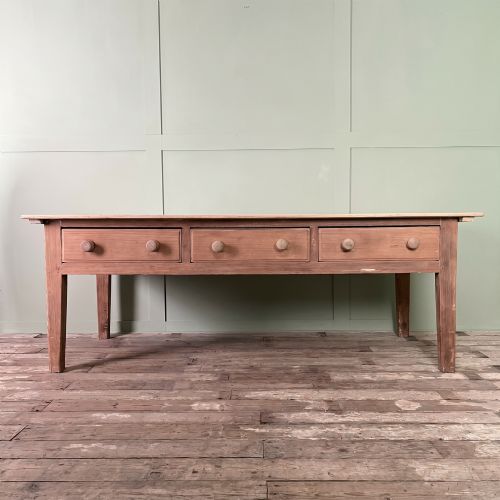
A vintage kitchen server encompasses sturdy pine and oak dresser bases, worktables, serving tables, and drapers tables originating from domestic and shop settings. These pieces carry the marks of daily preparation, utility, and domestic labour from centuries past.
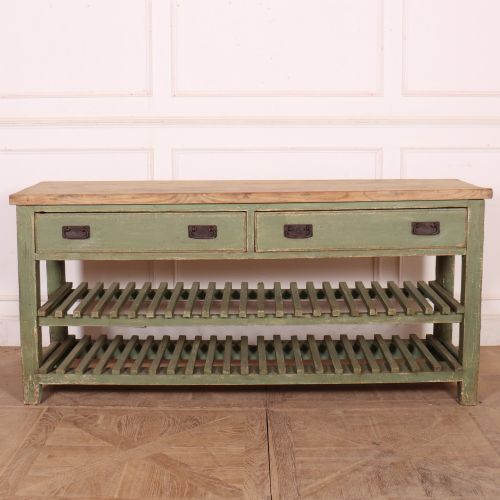
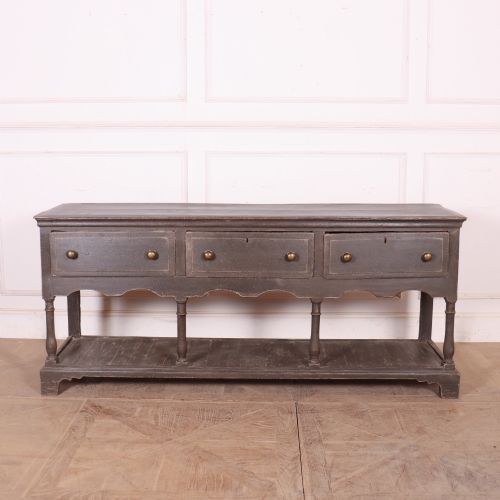
The version most commonly encountered on this page is the English or French pine or oak dresser base, frequently featuring drawers, cupboards, or open potboards. These utilitarian surfaces were built for hard work in country houses, dairies, and rural kitchens.
Originating across the eighteenth, nineteenth, and early twentieth centuries, these items span Georgian, Victorian, and Arts and Crafts aesthetics. Their forms remain resolutely practical, designed to hold provisions, display tableware, or provide generous working space.
Materials and Construction Methods
Makers relied heavily on solid pine, oak, and sycamore, selecting timbers for strength, density, and resilience against daily wear. Surfaces often display the honest grain of unpainted wood or retain traces of original paint and historic wax.
Construction techniques focus entirely on durability, utilising sturdy joinery, panelled doors, and deep drawers fitted with brass or iron hardware. Potboards, lower shelves, and marble tops were integrated to provide extra storage and specialised preparation spaces.
Vintage Kitchen Server Retail Price Guide 2026
Typical asking prices for vintage kitchen server among the pieces listed under this phrase on Sellingantiques today, from the lower quarter to the upper quarter. They describe what is for sale here now, not the wider market.
Distinguishing Quality and Proportion
Quality rests in the integrity of the timber, the retention of original surfaces, and the balance of proportions. Pieces with untouched historic paintwork or rich, waxed patination stand apart from those stripped or altered over time.
Subtleties in construction, such as dovetailed drawer construction, original iron or brass handles, and robust potboard lower tiers, indicate the care taken by the original maker. Length, depth, and height dictate how a server occupies a room and whether its utility remains practical today.
The Vintage Kitchen Server Glossary
- Dresser base
- The lower portion of a traditional kitchen dresser, typically comprising drawers and cupboards beneath a flat top, used independently as a sideboard or server.
- Potboard
- An open slatted lower shelf fitted beneath a dresser base or serving table, traditionally designed for storing pots and pans.
- Drapers table
- A long, wide table originating from retail shops, featuring generous proportions and often multiple drawers, highly sought after for prep work.
- Dairy table
- A specialised work table built with scrubbed timber tops, designed to withstand moisture and heavy daily use in food preparation.
- Patination
- The surface sheen, depth of colour, and wear accumulated on wood and paint over centuries of handling and exposure.
Vintage Kitchen Server: Frequently Asked Questions
What is a vintage kitchen server used for?
These pieces function as sturdy sideboards, prep surfaces, and storage units in contemporary kitchens and dining spaces. Their deep tops and drawers accommodate culinary tools, tableware, and provisions.
They also serve as display consoles in hallways and living rooms, bringing practical surface area and historical character to an interior.
How do I care for a waxed pine surface?
Maintenance involves regular dusting with a soft cloth and occasional application of appropriate beeswax to nourish the dry timber. Avoid placing hot items or standing water directly on the historic wood.
Gentle care preserves the underlying patination and protects the centuries of wear that give these surfaces their distinct character.
Are these servers suitable for modern kitchen islands?
Many examples provide generous working heights and deep surfaces well-suited for food preparation and serving. Their open potboards and drawers offer accessible storage for everyday kitchen items.
Buyers should verify the specific height, length, and depth of each piece to ensure it matches domestic ergonomic needs.
How can I tell a Georgian server from a Victorian one?
Georgian pieces often display simpler, linear proportions and classical cabinetmaker details dating from the eighteenth and early nineteenth centuries. Victorian examples tend to be heavier, sometimes featuring taller dimensions, waxed pine finishes, or bolder cupboard configurations.
Examining the construction of the drawer linings, timber choices, and hardware helps clarify the period of manufacture.