




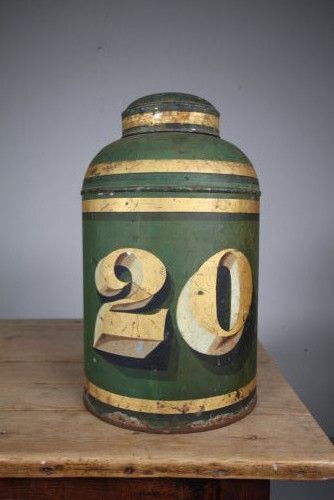
Vintage Kitchen Display
Vintage kitchen display pieces bring practical utility and heritage character to modern cooking spaces through authentic period storage and shelving.
Vintage Kitchen Display
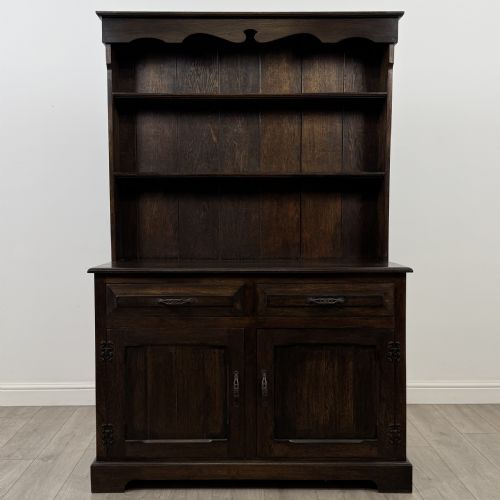
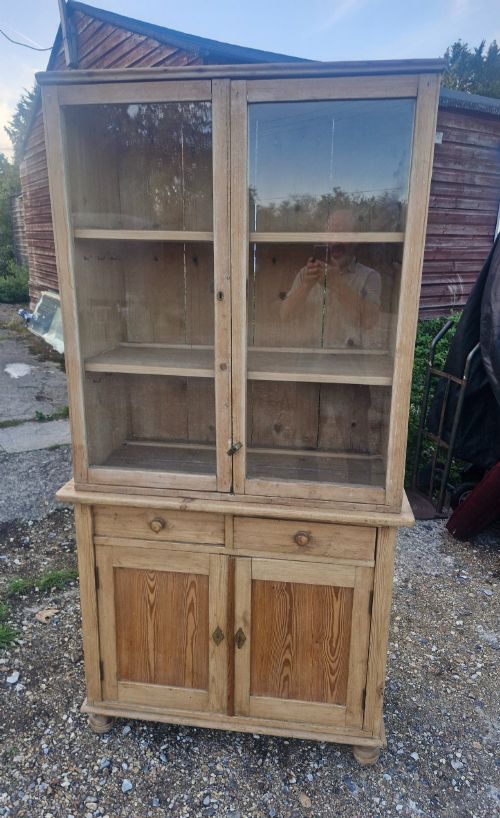
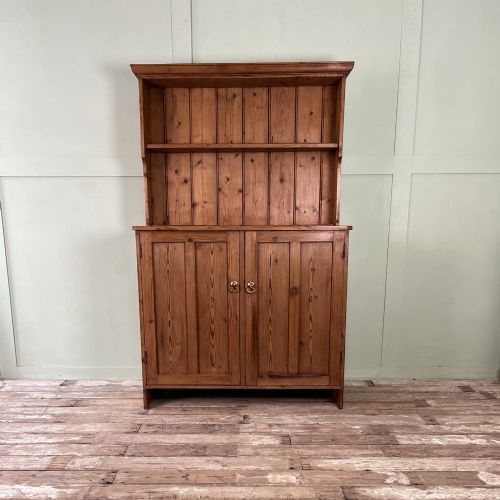
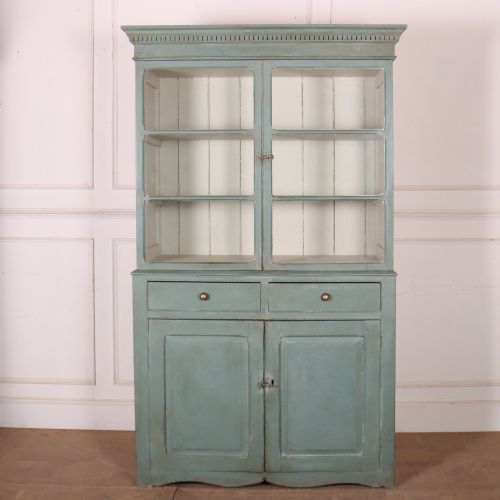
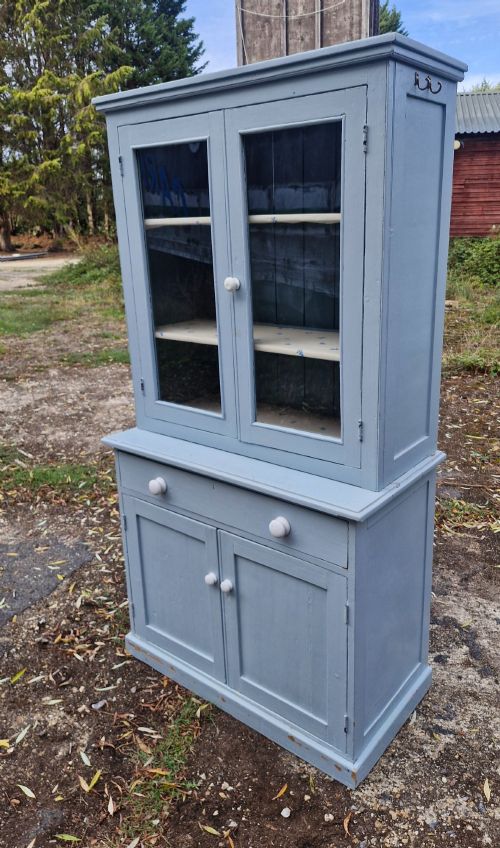
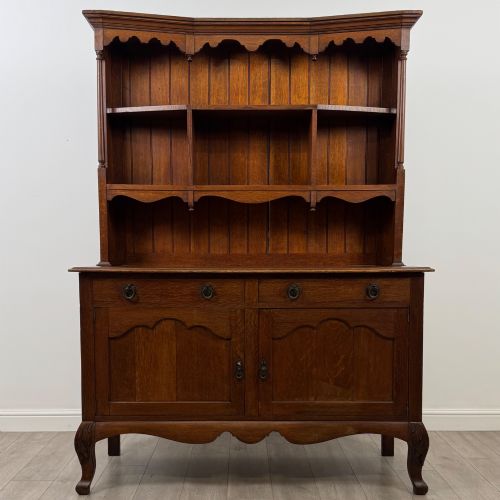
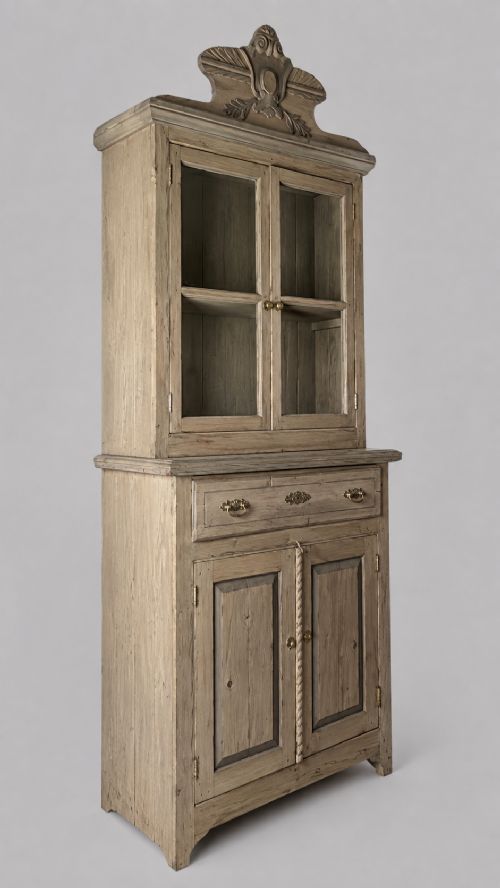
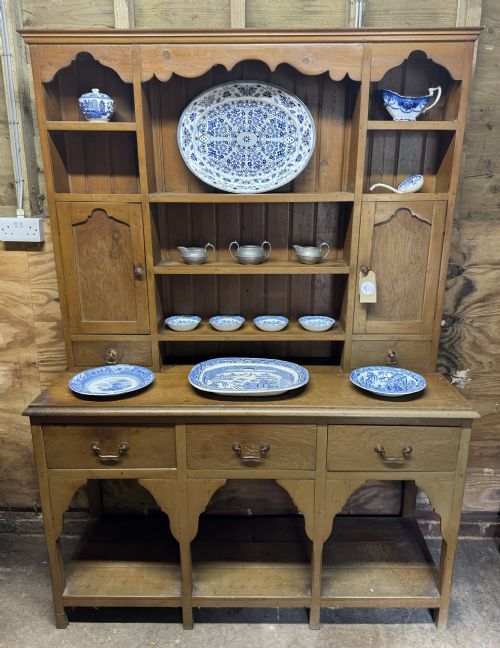
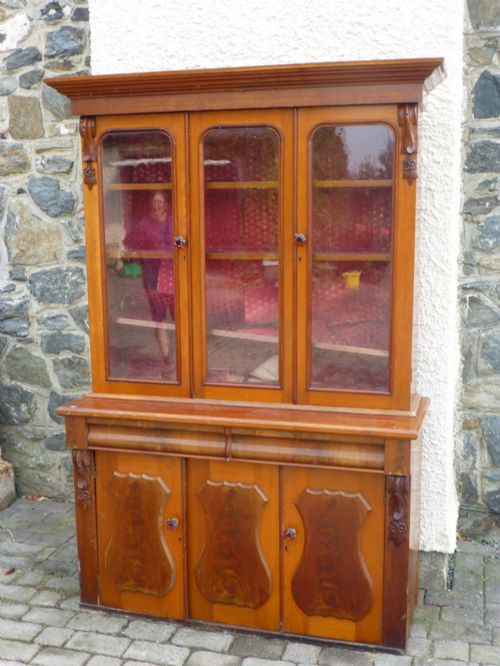
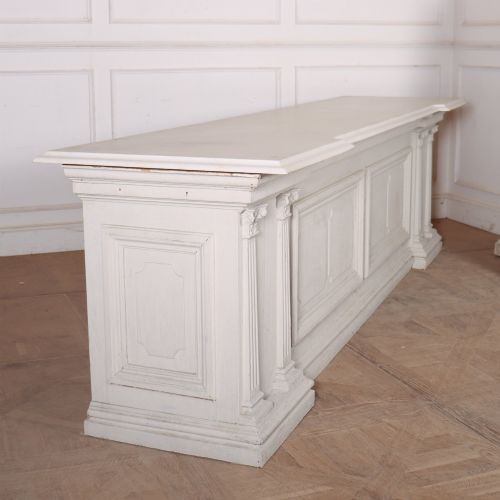
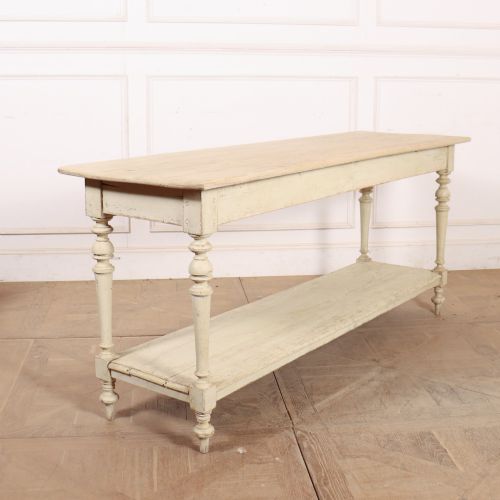
Vintage kitchen display items encompass utilitarian storage furniture designed for food preparation spaces, featuring dressers, cupboards, bakers racks, and plate racks. These pieces range from open shelving units to glazed cabinets that organise culinary equipment while exhibiting everyday domestic objects.
The selections span multiple eras from the 18th century through the Edwardian period and early 20th century, drawing on English, French, and Welsh traditions. Oak and pine dominate the forms, frequently appearing in two-part configurations with plate racks positioned above base cupboards.
Regional variations introduce distinct joinery and timber choices, from West Country dressers to French provincial bakers racks in wrought iron. Buyers encounter both polished hardwood finishes and painted wooden surfaces showing original patination.
Materials and Construction
Carpenters built these kitchen pieces primarily using sturdy timbers such as oak, pine, and mahogany, selecting them for durability against daily domestic use. Joinery techniques relied on traditional framing and panel construction to support heavy earthenware and provisions.
Metal elements including brass, iron, and wrought iron formed hardware, game hooks, and structural frameworks for industrial bakers racks. Surfaces received traditional finishes of wax, oil, or historical paint layers that developed character through decades of kitchen environments.
Vintage Kitchen Display Retail Price Guide 2026
Typical asking prices for vintage kitchen display among the pieces listed under this phrase on Sellingantiques today, from the lower quarter to the upper quarter. They describe what is for sale here now, not the wider market.
Keep an eye out for historic game hook racks designed to hang Sunday joints before refrigeration changed the kitchen forever.
Factors of Quality
Quality rests in the preservation of original surfaces and structural integrity rather than decorative excess, distinguishing utilitarian pieces that retain their authentic patina. Original backboards, unaltered plate racks, and matching hardware elevate the standing of a dresser or cupboard.
The sophistication of the timber selection and regional joinery methods indicate the standard of production, whether in a provincial workshop or an urban cabinet maker's shop. Pieces maintaining their original configuration without marriage between upper racks and lower bases hold greater integrity.
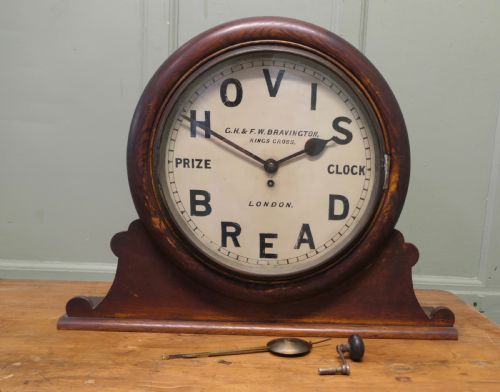
Rushworth's·Dubois of Lyon·G.H.& F.W. Bravington London
The Vintage Kitchen Display Glossary
- Welsh Dresser
- A traditional kitchen storage unit featuring base cupboards or drawers surmounted by open plate racks for displaying ceramic plates.
- Delft Rack
- A wall-mounted or integrated shelving unit specifically designed with wooden guard strips to hold plates upright.
- Baker's Rack
- A tall metal or wooden shelving structure traditionally utilised in food preparation and baking, often incorporating wrought iron frames.
- Patina
- The surface sheen and textural depth acquired by timber, paint, and metal through age, handling, and use over centuries.
- Two-Part Cupboard
- A piece of furniture constructed in upper and lower sections that separate for transportation and installation.
Vintage Kitchen Display: Frequently Asked Questions
What is a Welsh dresser?
A Welsh dresser is a traditional kitchen storage furniture piece combining a lower section of cupboards or drawers with an upper open rack designed for displaying plates.
These units served as the central storage hub in historic kitchens for tableware and cooking utensils.
How do I style a plate rack?
Plate racks display ceramic collections upright within the structural wooden grooves built into the shelves.
They accommodate everyday dishes and decorative platters while keeping frequently used items within reach.
Are these pieces made of solid wood?
Historic kitchen furniture utilised solid native timbers such as oak, pine, and walnut for structural durability.
Craftsmen selected these sturdy woods to withstand the heavy loads of dishware and daily domestic activity.
What is original patina?
Original patina refers to the accumulated surface wear, colour shifts, and texture developed through decades of domestic use.
It demonstrates that a piece retains its historic finish rather than having been stripped or heavily restored.