



Vintage Kitchen Armchair
A vintage kitchen armchair brings solid timber construction and honest country craftsmanship into daily use.
Vintage Kitchen Armchair
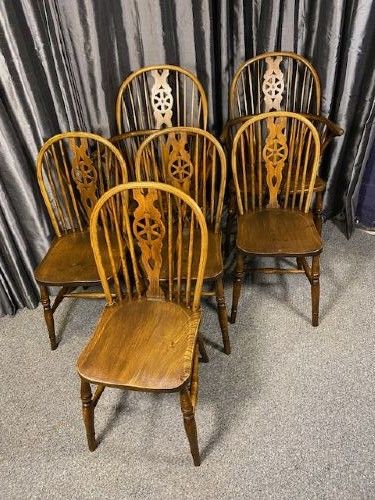
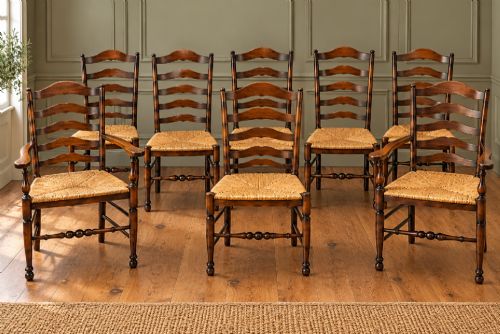
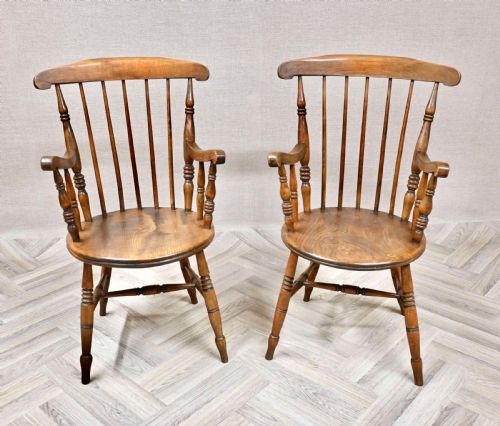
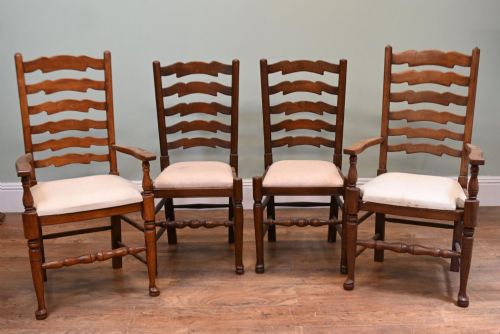
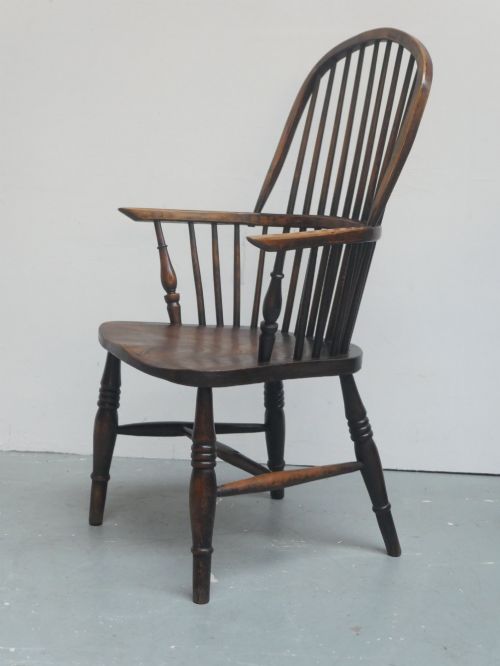
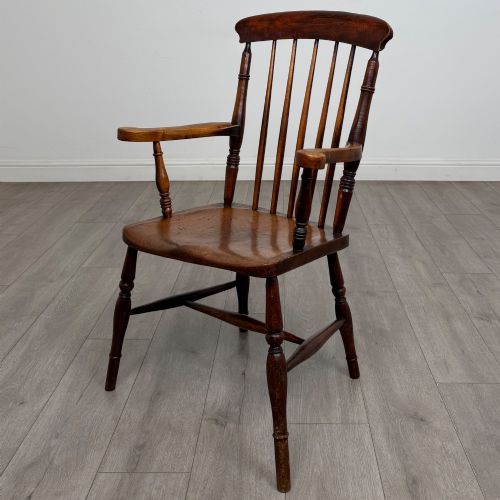
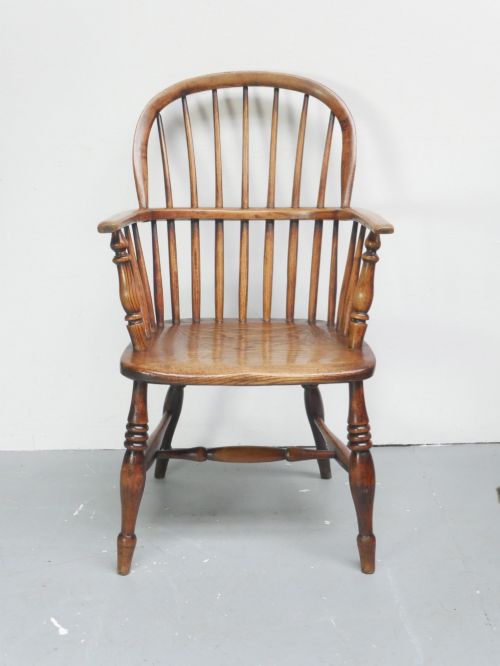
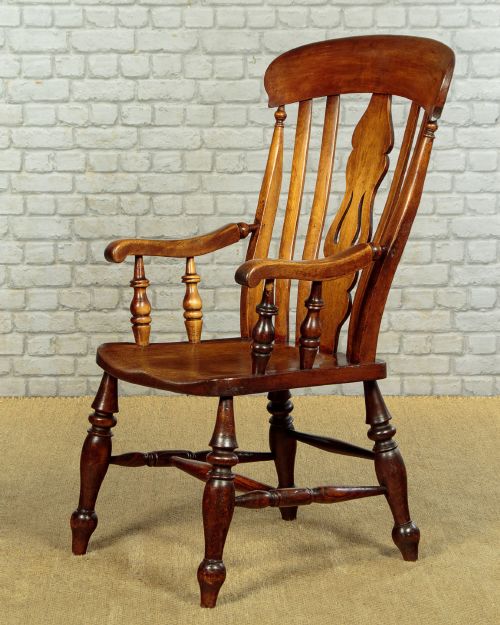
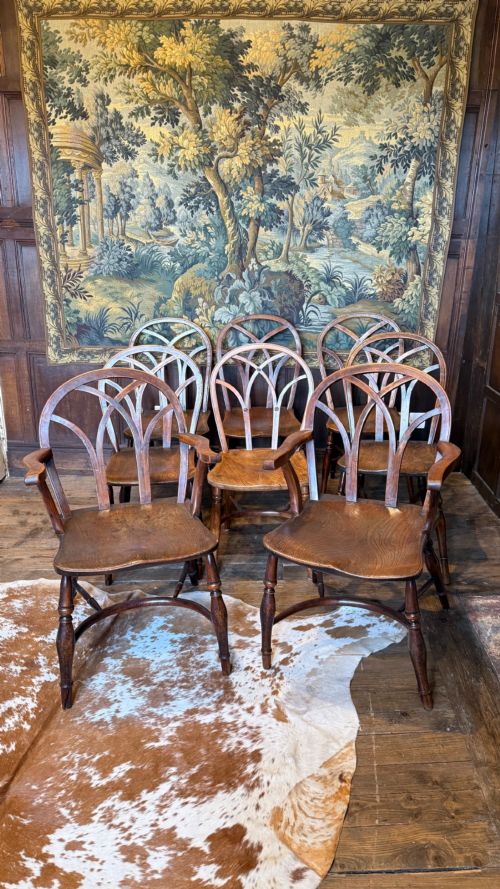
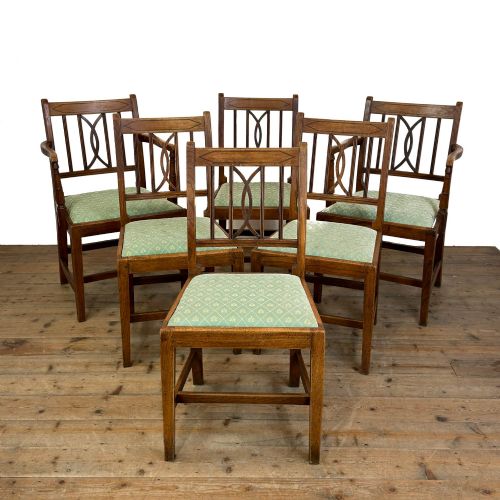
A vintage kitchen armchair represents traditional seating forms shaped by centuries of domestic utility across British and European farmhouses. When searching for a vintage kitchen armchair, buyers most frequently encounter sturdy Windsor chairs alongside ladder backs and spindle-backed carvers.
The selections span periods from the nineteenth century through the Edwardian era and into the early twentieth century. These sturdy wooden seats served in working kitchens, farmhouses, and informal dining spaces where durability mattered above all else.
Makers utilised regional timber traditions, producing low back, high back, and lath back variants tailored for domestic comfort. Each piece reflects the functional requirements of nineteenth and early twentieth-century rural life.
How they were made
These armchairs rely on solid native hardwoods including elm, beech, oak, ash, and yew, often combined within a single frame such as an elm seat fitted with ash or beech spindles. Turned components and steam-bent rails provide structural integrity without complex upholstery.
Traditional joinery techniques unite the components, utilising wedged tenons and mortise joints alongside rush seating on specific continental variants. The natural grain of the timber remains visible, often finished simply to endure daily wear.
Vintage Kitchen Armchair Retail Price Guide 2026
Typical asking prices for vintage kitchen armchair among the pieces listed under this phrase on Sellingantiques today, from the lower quarter to the upper quarter. They describe what is for sale here now, not the wider market.
Listings feature solid woods including elm, beech, oak, ash, and yew, spanning Victorian to Edwardian periods.
What varies in quality
The calibre of a vintage kitchen armchair rests upon the selection of timber and the harmony of its proportions. Finer examples display well-figured elm seats paired with cleanly turned spindles and balanced armbows.
Construction methods dictate longevity, distinguishing sturdy daily seating from simpler utilitarian output. Original surface patination and tight, uncompromised joinery separate superior country pieces from heavily restored alternatives.
The Vintage Kitchen Armchair Glossary
- Windsor
- A traditional wooden chair featuring a solid carved seat into which the legs and back spindles are directly fitted. This form developed numerous regional variations across Britain.
- Spindle back
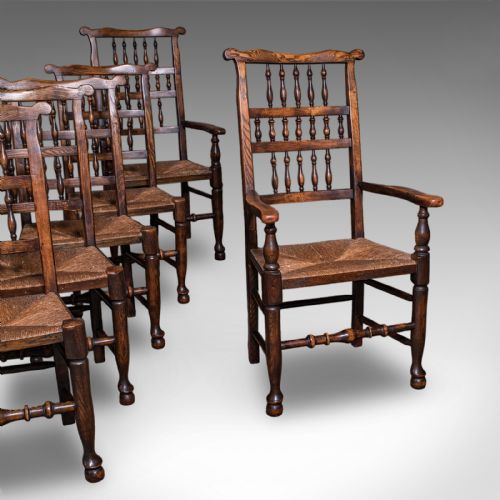
- A chair back constructed from a series of turned wooden rods secured between a top rail and the seat. These slender vertical members provide robust support with minimal weight.
- Lath back
- A chair design incorporating a flat, curved wooden slat across the upper backrest for added shoulder support. This style frequently appears on nineteenth-century farmhouse seating.
- Rush seat
- A woven seating surface created from dried marsh grasses twisted into cords and hand-plaited across a wooden frame. This technique appears on traditional ladder back dining chairs.
- Carver
- An armchair designed with arms, traditionally placed at the head of a dining table or utilised as a fireside seat. These pieces match or complement sets of side chairs.
Vintage Kitchen Armchair: Frequently Asked Questions
What defines a vintage kitchen armchair?
These pieces comprise sturdy wooden seating built for rural and domestic utility during the nineteenth and early twentieth centuries. They rely on traditional timber construction rather than modern synthetic materials.
Most examples take the form of Windsor or spindle-backed chairs fashioned from native hardwoods like elm, ash, and beech. Their design prioritises practical comfort and durability for everyday use.
How do I identify different periods?
Dating relies on observing construction methods, timber patination, and stylistic markers recorded across Victorian, Edwardian, and early twentieth-century eras. Earlier nineteenth-century examples often feature deep elm saddle seats and hand-turned spindles.
Later Edwardian and 1920s pieces tend toward standardised turning and lighter framing. Examining the wear patterns and joining techniques helps clarify the age of each chair.
Can I use these chairs daily?
Solid hardwood construction ensures these armchairs remain fully functional for regular seating in kitchens or dining rooms. Their original purpose demanded resilience against heavy daily wear.
Placing them away from direct heat sources helps preserve the natural moisture in vintage timber and rush. Routine care keeps the joints stable and the wood nourished.
What woods were commonly used?
Craftsmen utilised native timbers suited to specific structural demands, such as resilient elm for carved seats and flexible ash or beech for bentwood rails and spindles. Oak and yew also appear in regional variations.
Combinations of multiple woods within a single chair were standard practice to balance strength and flexibility. Each timber contributes a distinct grain pattern and weight to the finished piece.