
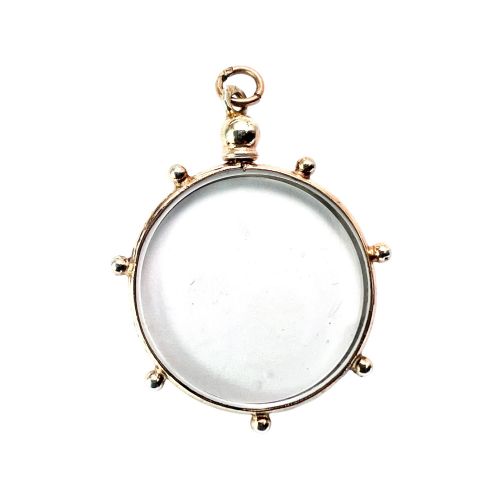

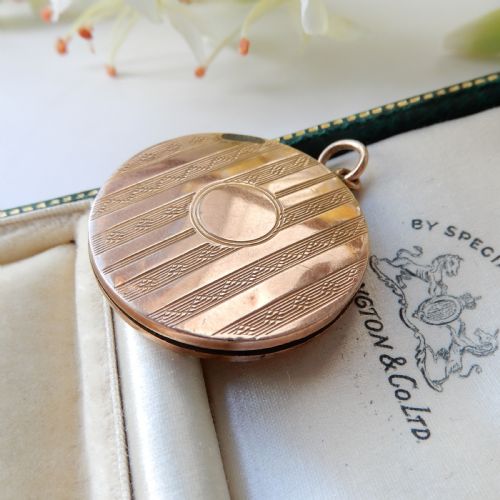


Vintage Keepsake Pendant
These vintage keepsake pendants are miniature treasures designed to hold a photograph or hair, and you want one for the sheer intimacy of the craft.
What vintage keepsake pendant pieces are
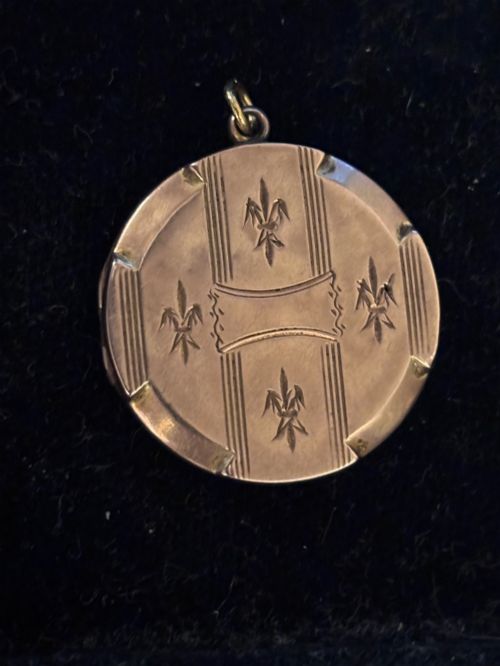
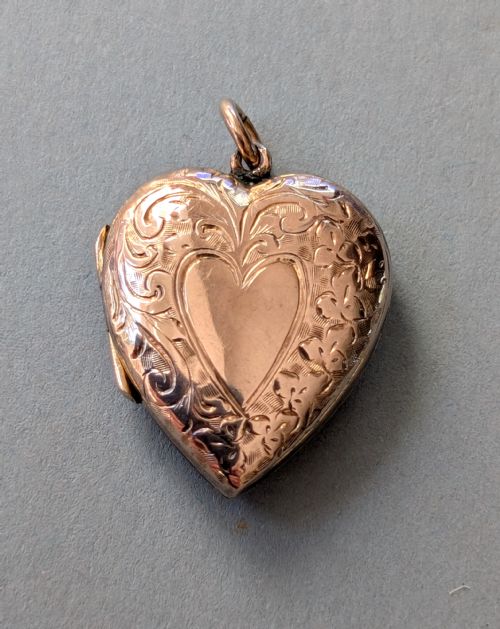
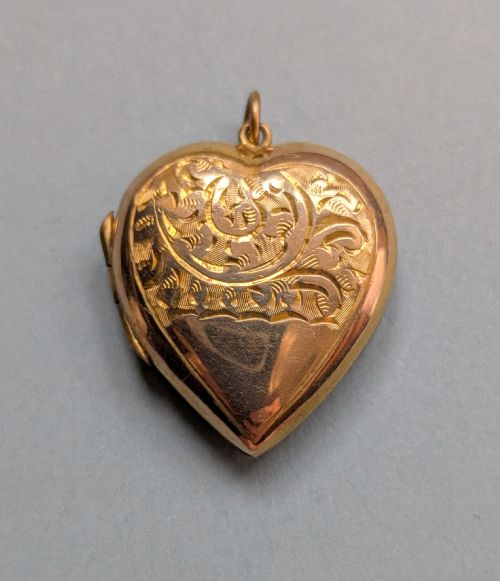
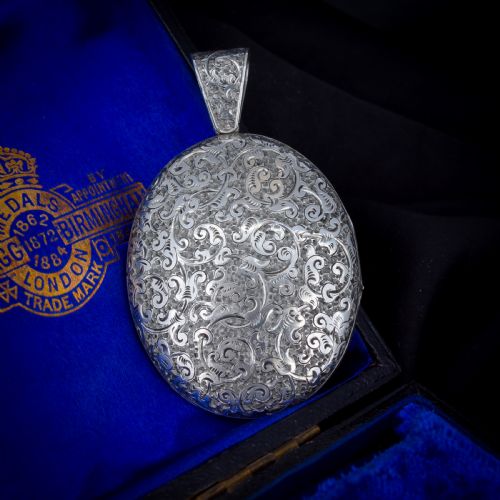
When you search for vintage keepsake pendant designs, you encounter small hinged metal containers meant to hold a portrait or personal memento near the heart. The pieces listed here span the Victorian, Edwardian, and 1940 periods, showing how these wearable containers evolved across decades.
The dominant forms are heart locket shapes and round locket pendants. These items double as lockets and pendants, offering a functional compartment behind a decorated exterior.
Origins represented in the current selection include British and French workshops. Such geographical variety brings together distinct stylistic choices in engraving and stone setting.
How they were made
Maker techniques rely heavily on gold working, utilising 9ct rose gold, 9ct yellow gold, gold back and front construction, and 18ct yellow gold. Gold back and front methods sandwich a base metal core between thin gold sheets to provide structural rigidity while keeping the precious metal exterior.
Surface ornamentation incorporates hand engraving alongside gem-setting techniques. Artisans flush-set turquoise stones and pearls into the metal faces to create floral and avian motifs such as flower baskets and swallow birds.
Retail Price Guide 2026
Typical UK retail prices for vintage keepsake pendant, calculated from the Sellingantiques database of over a million retail prices indexed since 2003. This retail price guide relies exclusively on Sellingantiques data; no external sources or auction records are used, so the figures do not describe the wider market.
The selection spans Victorian, Edwardian, and 1940 periods, incorporating British and French stylistic influences.
What varies in quality
The distinction between standard and superior examples rests on the depth and execution of the hand engraving. Crisp, deeply chased floral baskets and swallow birds elevate a piece above simpler mechanical stampings.
Material composition also dictates standing, with solid 18ct gold or heavy 9ct gold iterations holding greater intrinsic substance than gold back and front alternatives. Furthermore, the integration of delicate gemstones like turquoise and pearls requires precise mounting that marks out superior workshop output.
The Vintage Keepsake Pendant Glossary
- Gold Back and Front
- A construction method where thin sheets of gold are applied to a base metal core. This technique provided the appearance and wear properties of solid gold while reducing weight and cost.
- Double Photo Locket
- A hinged pendant designed to hold two separate photographs inside. These pieces open like a book to reveal interior glazing or metal rims.
- Edwardian
- The period spanning the reign of King Edward VII from 1901 to 1910. Jewellery from this era often exhibits lighter, more graceful ornamentation than heavy Victorian designs.
- Napoleon III
- A French design style spanning the mid to late nineteenth century. It frequently draws inspiration from earlier historical epochs with elaborate decorative flourishes.
Frequently Asked Questions
How do I open a locket pendant?
Most pendant lockets open via a small thumbnail notch or a side hinge. You gently pry the covers apart to reveal the inner frame where a photograph sits.
Exercise caution with older hinges and clasps to avoid straining the metal. If a locket resists opening, inspect for a tiny push button or a concealed release mechanism.
What is gold back and front?
Gold back and front is a historical manufacturing technique where outer sheets of gold are fused to a non-precious base metal core. This allowed makers to produce robust items with solid gold exterior surfaces.
You can identify this construction by specific stamps on the interior rims or inner bezels. It was a popular method in the nineteenth and early twentieth centuries for everyday lockets.
How do I date a locket?
Dating a locket involves examining the materials, hallmark stamps, and decorative motifs. Styles changed from heavy Victorian ornamentation to lighter Edwardian work and later 1940 designs.
Motifs such as swallow birds and specific stone settings offer strong clues to the manufacturing era. Comparing the construction methods against known periods helps narrow down the decade of creation.