
Vintage Jewellery
Vintage jewellery encompasses rings, pendants, earrings, bracelets, brooches, necklaces, and decorative boxes spanning periods from the Victorian era through the mid-century.
Vintage Jewellery
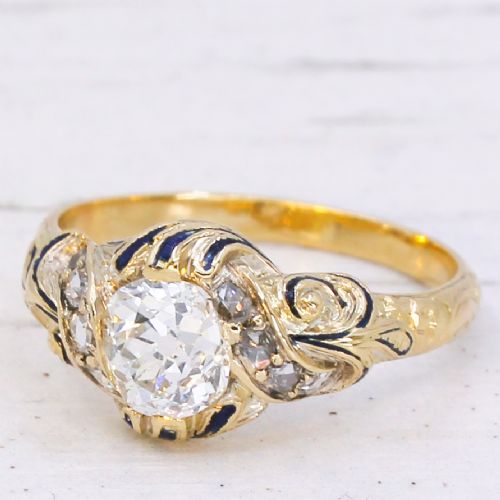
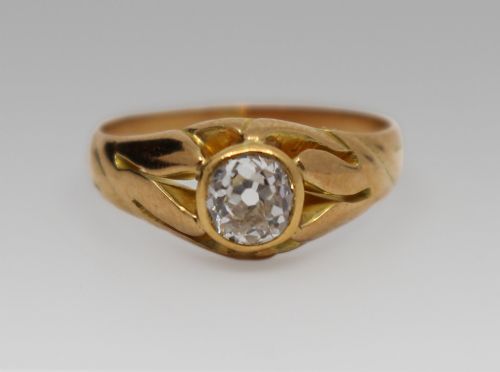
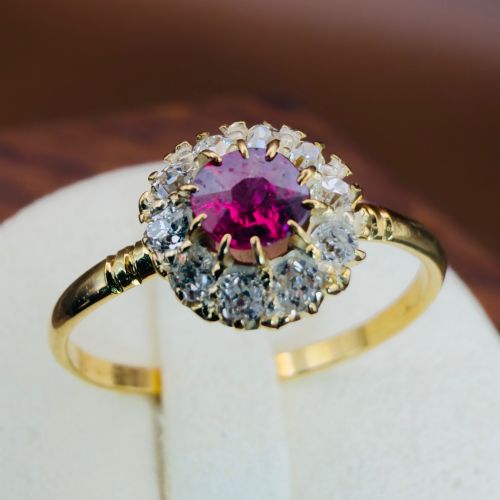
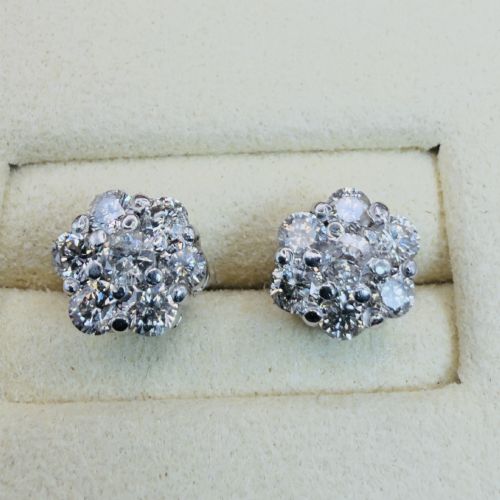
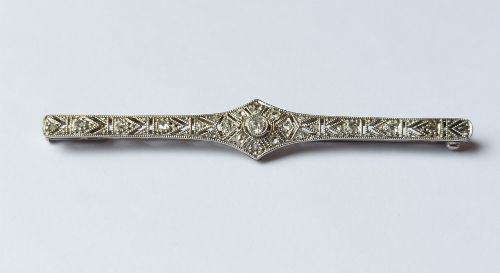
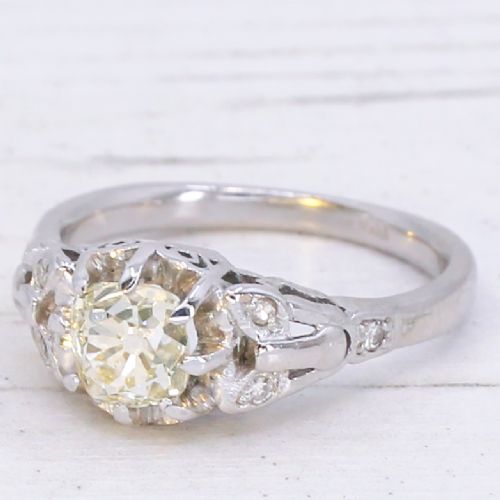
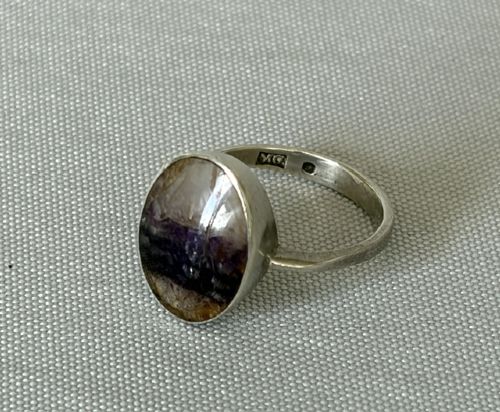
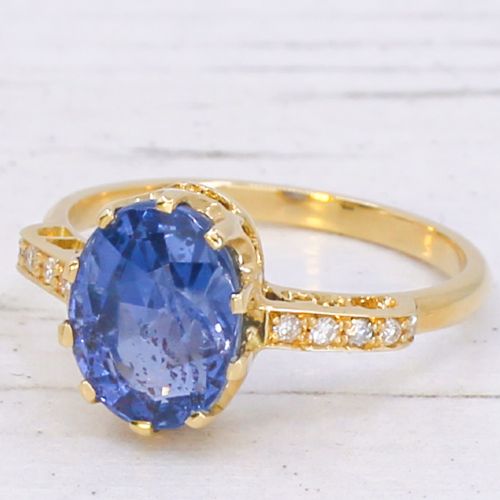
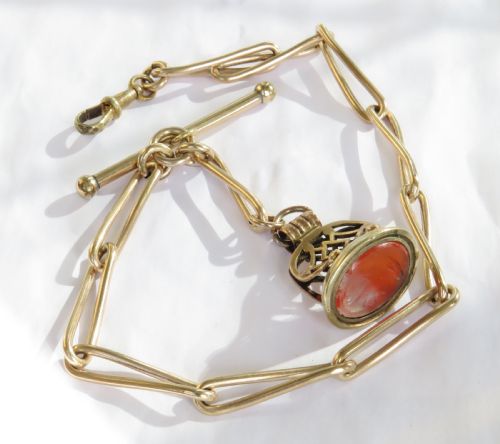
Vintage jewellery encompasses rings, pendants, earrings, bracelets, brooches, necklaces, and decorative boxes created across multiple decades and centuries. When browsing vintage jewellery, buyers encounter forms ranging from Victorian diamond solitaire rings and Edwardian opal boat rings to Art Deco platinum bar brooches and mid-century sapphire pieces.
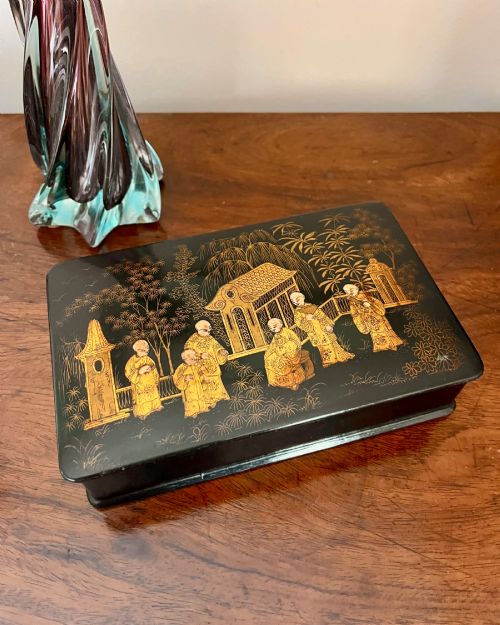
The selections span distinct historical periods including the Victorian era, the 1900s, 1910s, Art Deco 1920s and 1930s, 1940s, and mid-century 1950s. Alongside wearable adornments, the category includes decorative boxes such as lacquered chinoiserie examples, amboyna boxes, and sterling silver and guilloche enamel jewellery boxes.
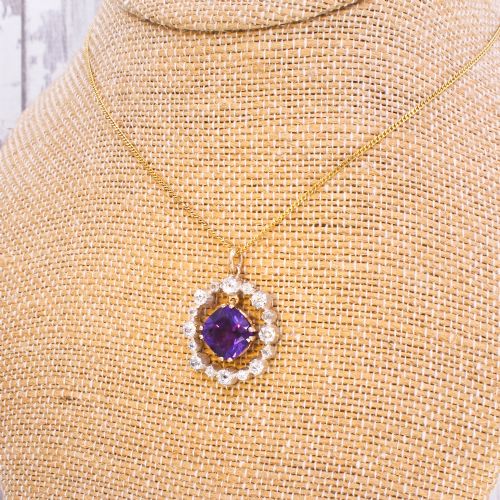
Makers and designers represented in the evidence include Marius Hammer and Argy Rousseau, alongside marked pieces originating from assay offices in Birmingham and Chester. Forms utilise various gold purities, platinum, silver, and rolled gold, incorporating gemstones such as diamonds, amethysts, rubies, opals, sapphires, turquoises, and pearls.
How they were made
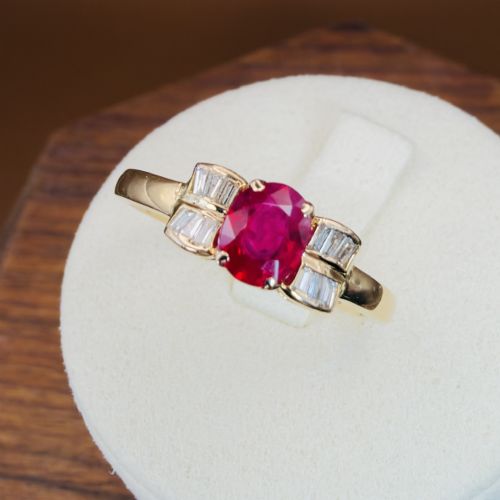
The pieces utilise precious metals including platinum, sterling silver, yellow gold, rose gold, and white gold in purities such as 9ct, 15ct, 18ct, and rolled gold. Stones are set using traditional techniques suited to old cut diamonds, oval cut rubies, and unheated Ceylon sapphires.
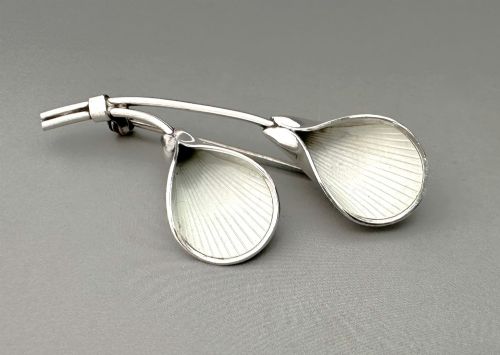
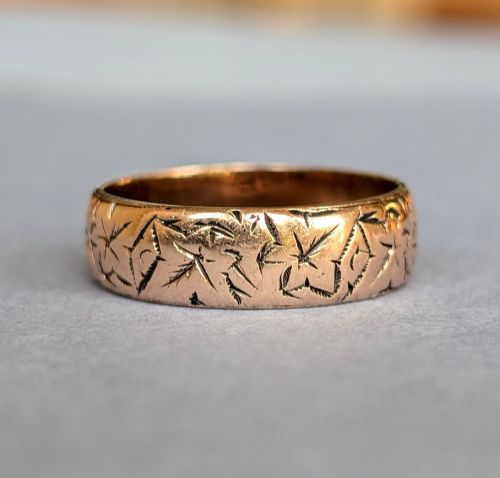
Craftsmanship incorporates specialist decorative methods such as guilloche enamel work, pate de verre glass production, lacquered chinoiserie, and detailed hand engraving on items like heart padlock charm pendants and wedding band rings.
Gemstones recorded across the inventory include diamonds, amethysts, rubies, opals, sapphires, turquoises, and pearls.
What varies in quality
Quality varies through the fineness of the materials utilised, such as the purity of the gold or platinum, and the carat weight, cut, and clarity of diamonds and coloured gemstones like sapphires, opals, and amethysts. Pieces featuring signed makers or documented assay office hallmarks demonstrate higher levels of distinction.
The standard of execution in decorative techniques, including guilloche enamel work, fine metal engraving, and pate de verre glass shaping, distinguishes standard production items from exceptional examples.
Marius Hammer·Argy Rousseau·Tahan Paris
The Vintage Jewellery Glossary
- Old cut
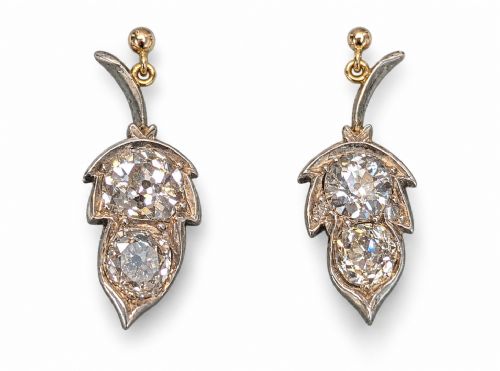
- A diamond cutting style characterised by a smaller table, higher crown, and open culet, typical of stones set in Victorian and Edwardian pieces.
- Guilloche
- A decorative technique where a precise, intricate pattern is mechanically engraved into a metal surface beneath translucent enamel.
- Boat ring
- A ring setting featuring a curved, boat-shaped face often mounted with multiple graduated gemstones such as opals and diamonds.
- Pate de verre
- A glass-making method involving crushed glass packed into a mould and fused in a kiln, utilised in early twentieth-century pendants.
- Toi Et Moi
- A two-stone ring design symbolising two souls intertwined, featuring a twist band holding adjacent gemstones.
Vintage Jewellery: Frequently Asked Questions
What periods do these pieces date from?
The selections span the Victorian era, Edwardian period, 1900s, 1910s, Art Deco 1920s and 1930s, 1940s, and mid-century 1950s. Pieces often carry hallmarks or stylistic indicators that connect them to these specific eras.
Items range from nineteenth-century band rings and lacquered boxes to mid-century cluster rings and silver brooches.
What materials are commonly used?
Common metals include platinum, sterling silver, yellow gold, rose gold, and white gold in various purities alongside rolled gold. Gemstones feature prominently, including old cut diamonds, amethysts, rubies, opals, sapphires, turquoises, and pearls.
Additional materials include enamel, glass, and exotic woods like amboyna found in decorative boxes.
How do I identify a Victorian ring?
Victorian rings frequently utilise old cut diamonds, rubies, opals, and amethysts set in yellow gold, rose gold, or silver-topped gold. Specific styles include solitaire rings, halo clusters, boat settings, and engraved band rings.
Assay office marks and stamped dates, such as Birmingham hallmarks from the nineteenth century, provide precise verification.
What is an Art Deco piece?
Art Deco items, dating from the 1920s and 1930s, often feature platinum, white gold, and geometric arrangements of diamonds, sapphires, and amethysts. Bar brooches and cluster rings are typical forms from this design movement.
Pieces combine clean architectural lines with precise gemstone cutting like baguette and old cuts.
How were decorative boxes used?
Decorative boxes served as receptacles for storing jewellery, trinkets, and personal valuables on dressing tables and desks. Examples include silver and guilloche enamel boxes, lacquered chinoiserie boxes, and amboyna wood boxes.
Interiors often featured lined compartments or trays tailored for safekeeping.