

Vintage Jardiniere
A vintage jardiniere brings living foliage indoors, elevating ordinary potted plants through decorative metal, ceramic or wooden vessels.
Vintage Jardiniere
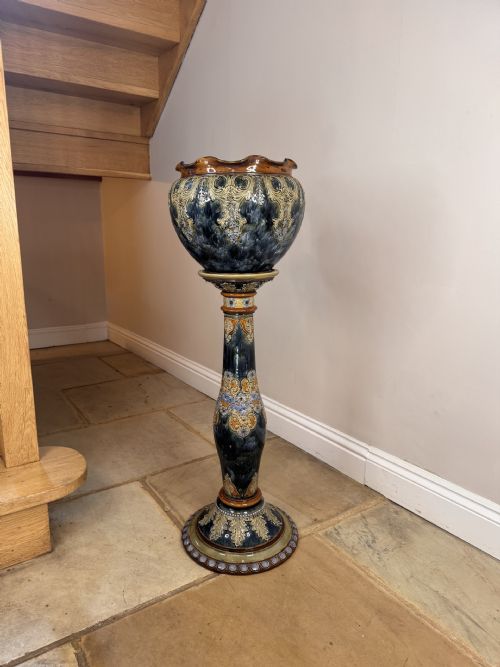
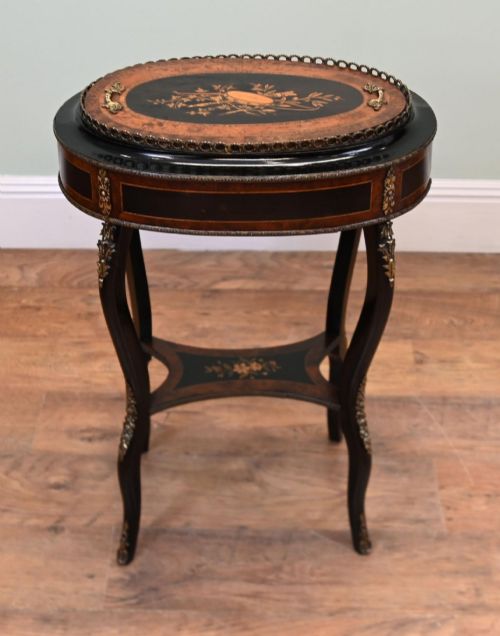
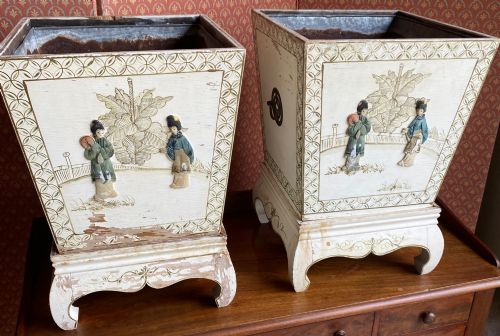
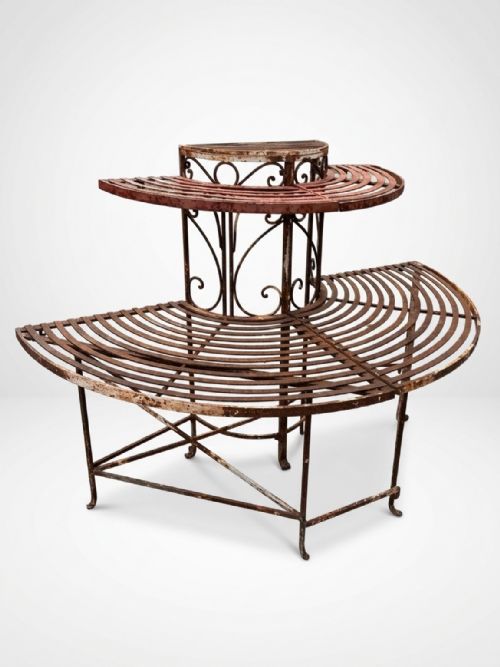
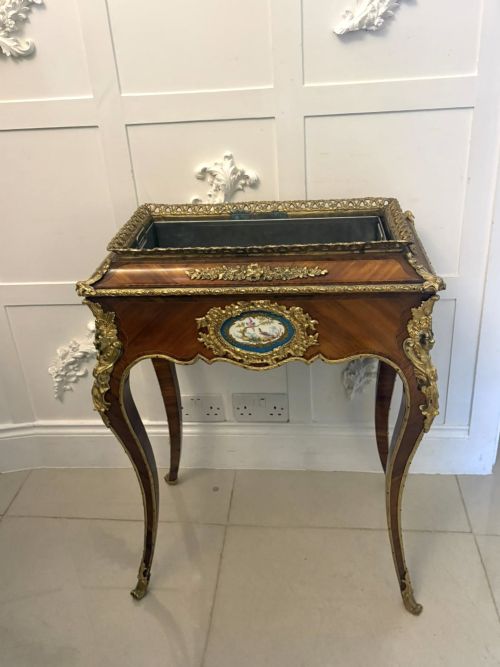
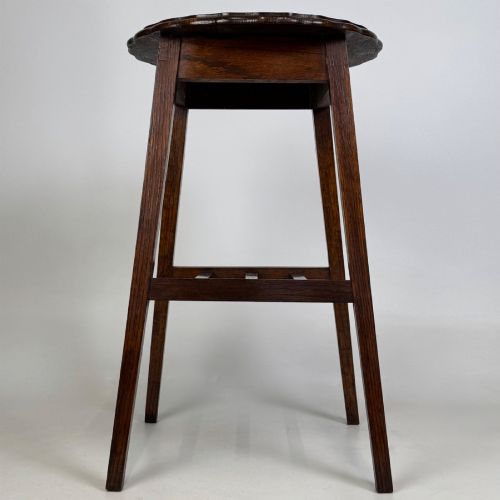
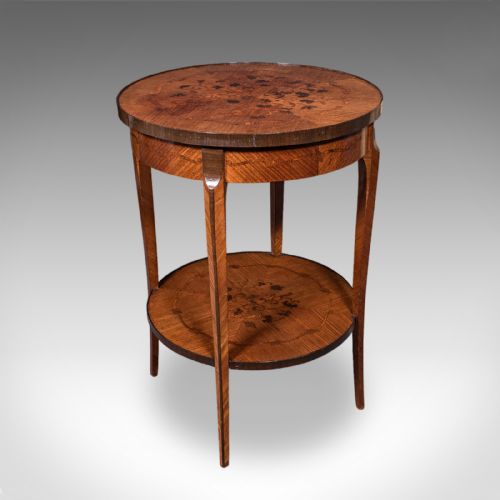
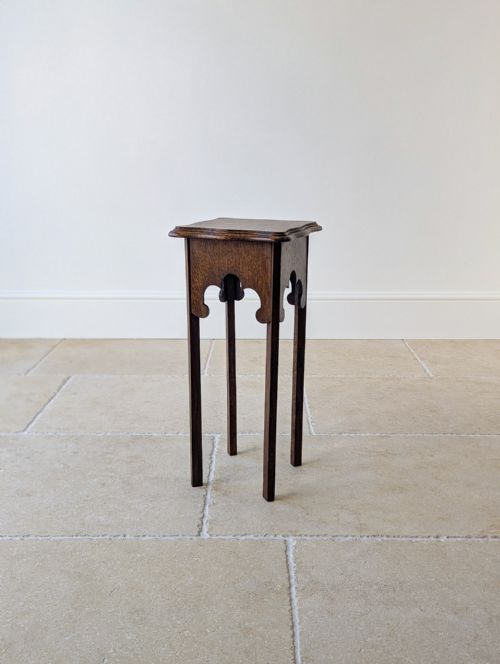
A vintage jardiniere comprises ornamental plant containers and stands designed to hold greenery within domestic interiors, encompassing forms like floor-standing pedestals, table-top planters and hanging vessels. When exploring a vintage jardiniere selection, buyers encounter everything from modest Edwardian oak plant stands to elaborate nineteenth-century French ormolu-mounted kingwood pieces.
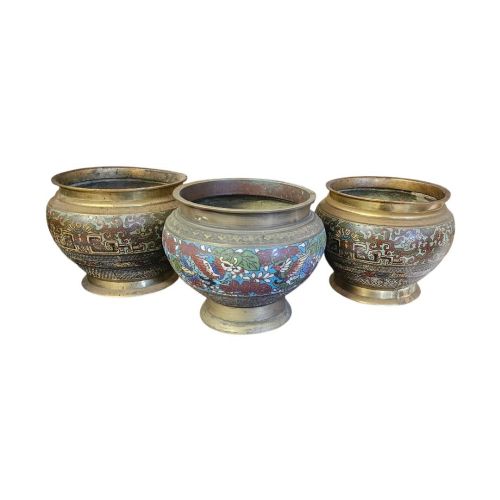
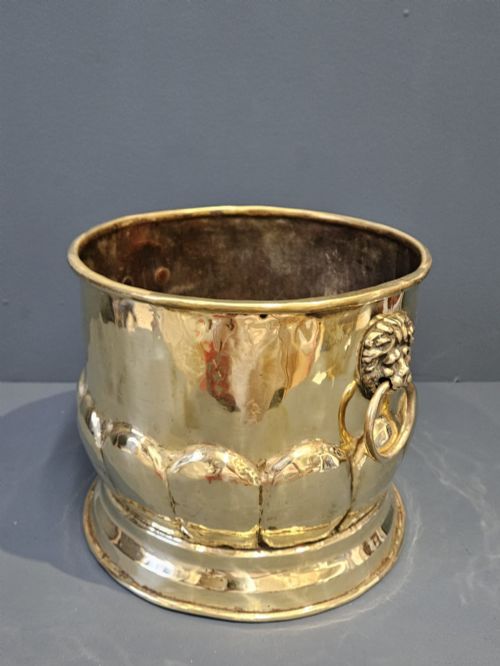
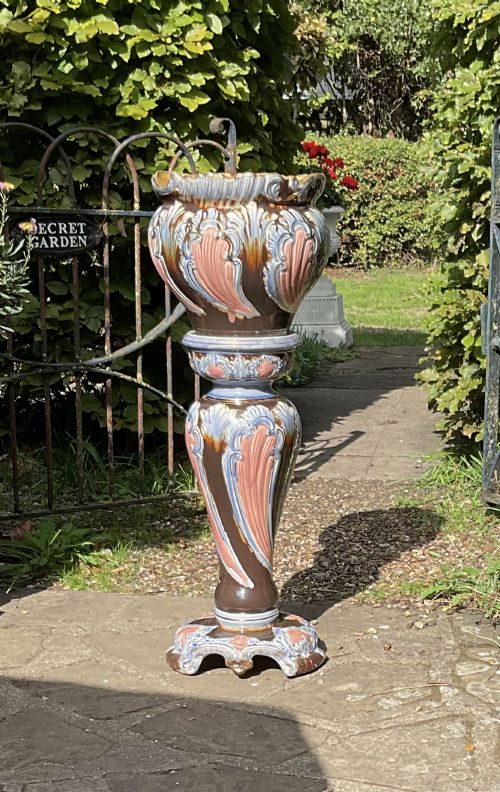
The objects span multiple decades, drawing heavily on Victorian and Edwardian craftsmanship alongside Arts and Crafts ideals. Alongside straightforward brass planters, the inventory includes side tables adapted for greenery, majolica pedestals and Chinese bronze champlevé enamel vessels.
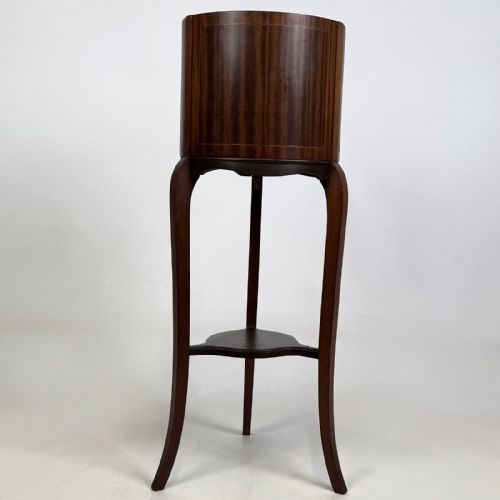
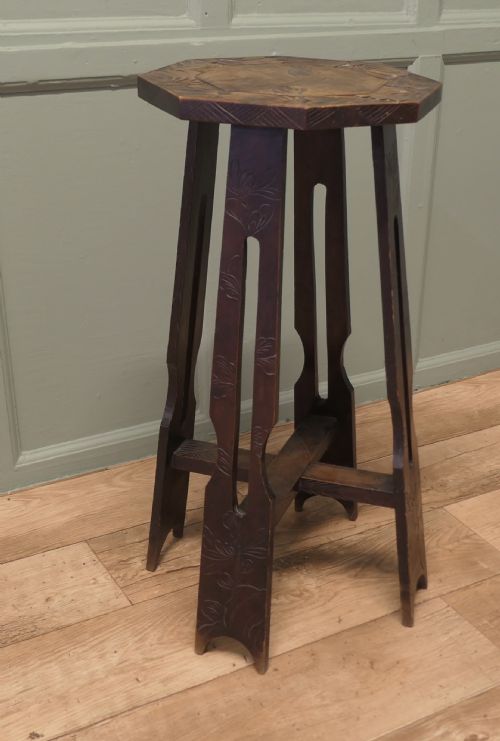
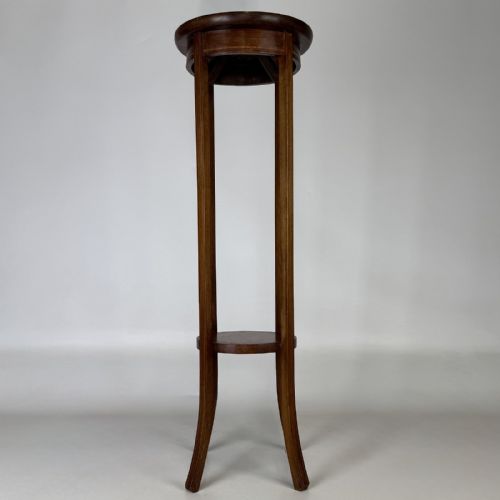
Origin and period heavily dictate the physical presence of each item, with French pieces offering ornate mounts whilst British examples often lean towards utility in mahogany or oak. Structural formats range from simple square tops to hexagonal and octagonal plant stands featuring lower display shelves.
Materials and construction methods
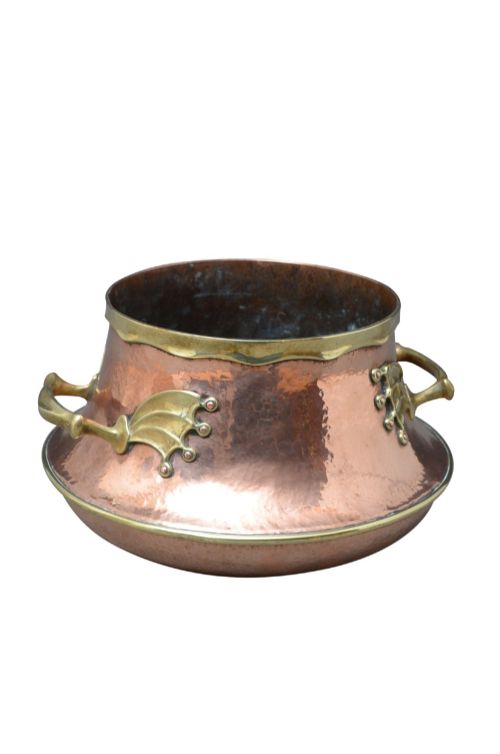
Makers utilised a diverse palette of metals, combining hammered copper and brass with cast iron and wrought iron for durability and decorative impact. Many metal vessels incorporate pierced brass galleries or embossed crests, whilst others rely on patinated surfaces achieved through natural ageing.
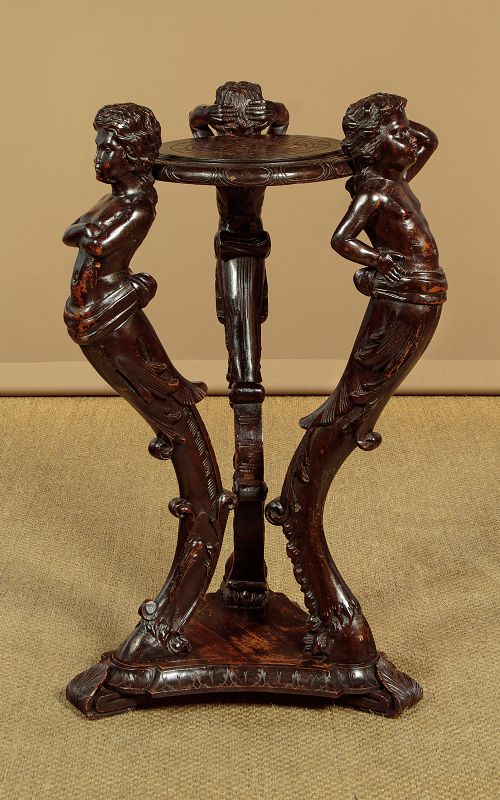
Cabinetmakers worked extensively in timber, selecting mahogany, oak, satinwood and kingwood to construct sturdy plant stands and occasional tables. Inlays, carved elm panels and painted finishes frequently complement the timber framework, alongside marble tops designed to withstand moisture from damp plant pots.
Vintage Jardiniere Retail Price Guide 2026
Typical asking prices for vintage jardiniere among the pieces listed under this phrase on Sellingantiques today, from the lower quarter to the upper quarter. They describe what is for sale here now, not the wider market.
The inventory records oak, mahogany, brass, copper and marble across pieces originating from the Victorian, Edwardian and late nineteenth-century periods.
Factors determining quality
Distinction within this category rests upon the ambition of the design and the fidelity of the period detailing. Pieces bearing maker attribution, such as Liberty & Co, or exhibiting complex decorative programmes like champlevé enamel and ormolu mounts, represent superior manufacture.
Construction integrity separates standard utility items from finer examples, visible in the precision of joinery on octagonal plant stands and the thickness of cast brass or copper vessels. Original surface patination and intact structural elements like lower shelves and marble inserts elevate the standing of an individual piece.
Liberty & Co
The Vintage Jardiniere Glossary
- Jardiniere
- An ornamental pot or stand designed specifically to hold plants or flowers. These vessels sit upon tables or incorporate integrated pedestals.
- Ormolu
- Gilded bronze applications utilised for decorative mounts on French furniture and planters. This technique creates a rich metallic contrast against dark hardwoods.
- Champlevé
- An enamelling technique where troughs are dug into a metal surface and filled with vitreous enamel. Chinese bronze vessels frequently employ this method.
- Majolica
- Tin-glazed earthenware known for brightly coloured lead glazes. It appears on pedestals and jardiniere sets from the later nineteenth century.
- Torchere
- A tall stand designed to support a light or a decorative plant. These slender supports often feature inlaid mahogany or satinwood.
Vintage Jardiniere: Frequently Asked Questions
What is a jardiniere?
A jardiniere is a decorative container designed to hold plants or floral arrangements inside the home.
They differ from standard flowerpots by prioritising ornamental appeal, often featuring elaborate metalwork, ceramic plaques or carved wooden stands.
How were plant stands used?
Victorians and Edwardians utilised plant stands to elevate potted ferns and palms into the centre of living spaces.
Positioned near windows or in hallways, these stands allowed household greenery to become a prominent feature of interior decoration.
Are copper and brass planters waterproof?
Many vintage metal planters include internal liners, but older vessels may develop microscopic separations at the soldered seams over time.
Placing a modern plastic saucer inside the jardiniere protects the historical base from moisture accumulation and potential tarnishing.
How do I distinguish Edwardian from Victorian pieces?
Victorian items tend to feature heavier proportions, darker woods and rich brass ornamentation or majolica ceramics.
Edwardian designs often shift towards lighter satinwood and mahogany timbers, reflecting simpler Arts and Crafts influences or inlaid neoclassical motifs.