



Vintage Jardiniere Pot
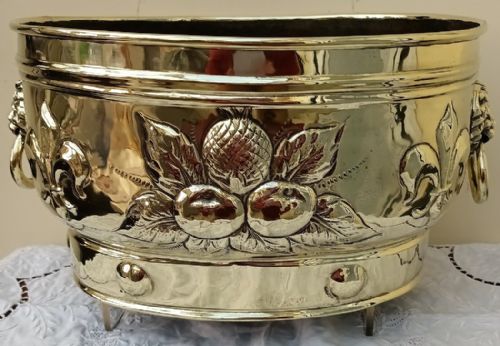
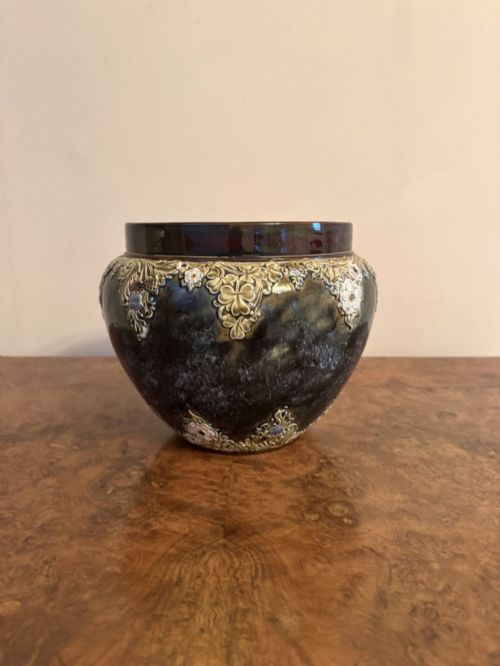
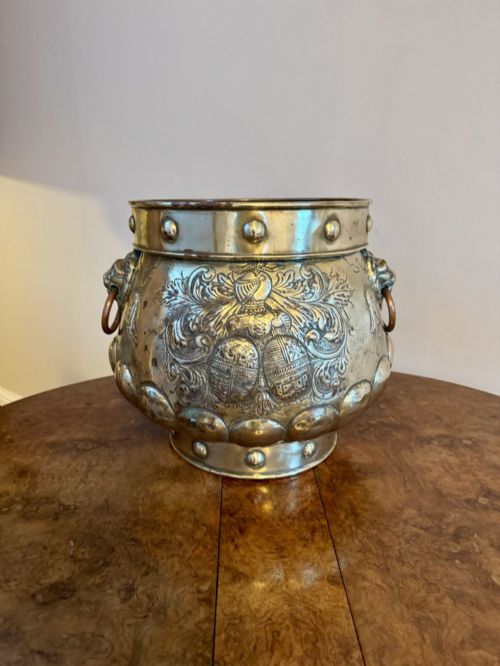
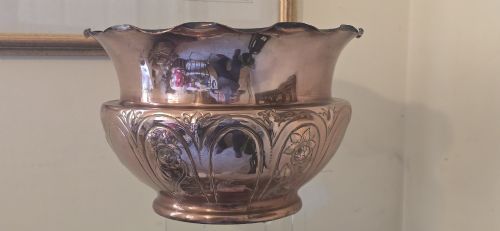
A vintage jardiniere pot brings interior greenery to life through brass, copper, ceramic and oak forms.
Vintage Jardiniere Pot
A vintage jardiniere pot encompasses indoor plant vessels and matching stands spanning the Victorian, Edwardian and early twentieth-century periods. These vessels function primarily to house potted plants and display decorative foliage within domestic interiors.
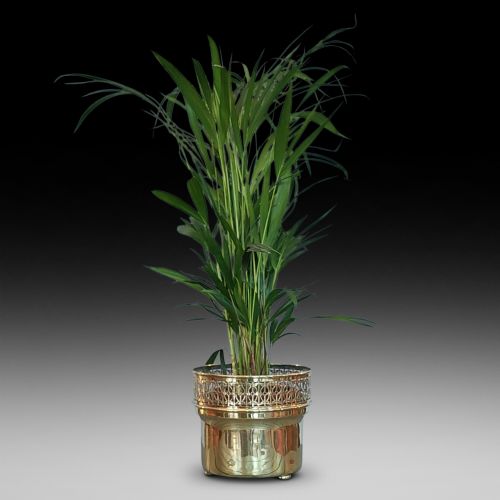
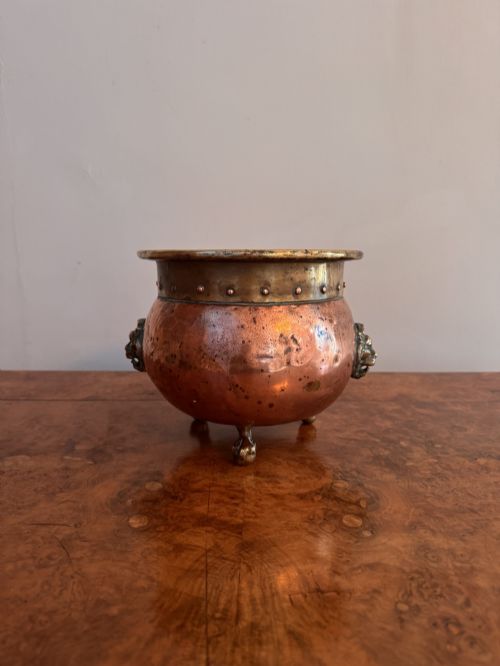
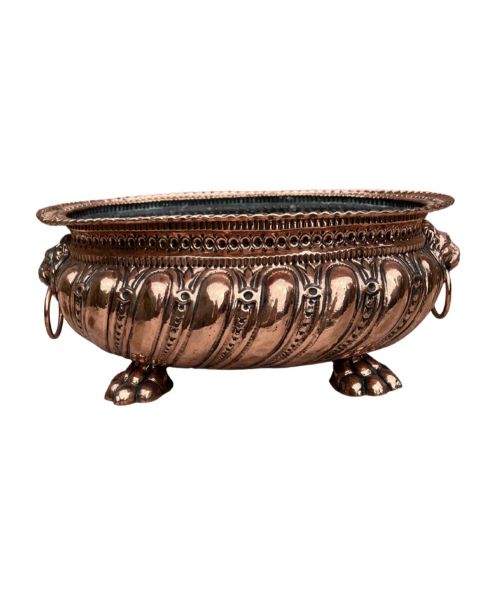
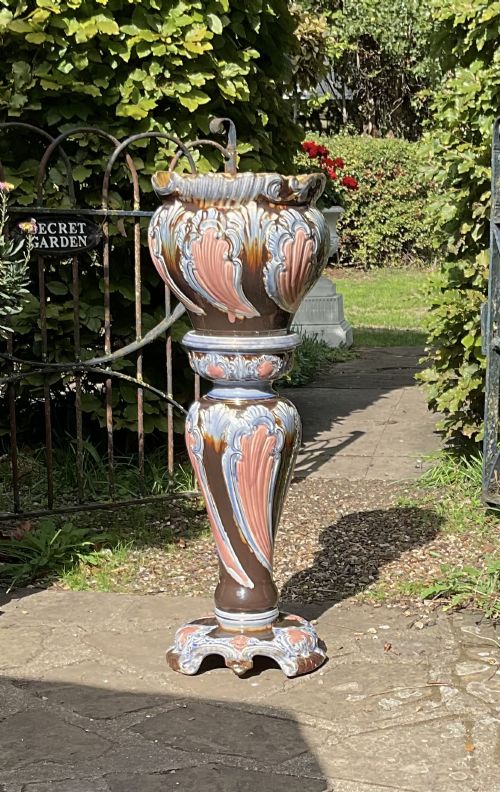
The selections here range from heavy metal vessels in brass and copper to glazed ceramic cache pots and carved wooden plant stands. Metal planters often feature hammered finishes or pierced decoration, whilst ceramic examples display majolica glazes, blue and white porcelain and Doulton Lambeth manufacture.
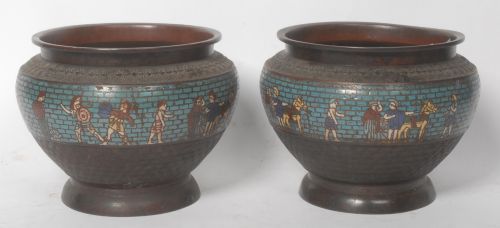
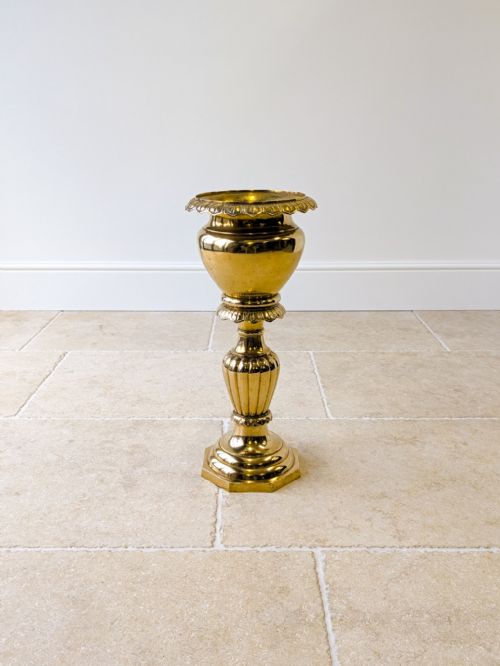
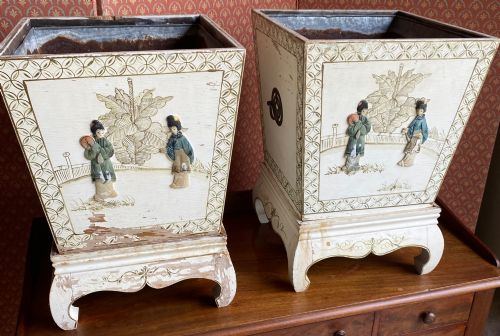
Buyers will encounter varied regional designs, including Dutch brass planters, Japanese style painted pieces and Chinese bronze champlevé enamel vessels. Many examples arrive paired with original stands or pedestals, creating a complete display unit for the home.
How they were made
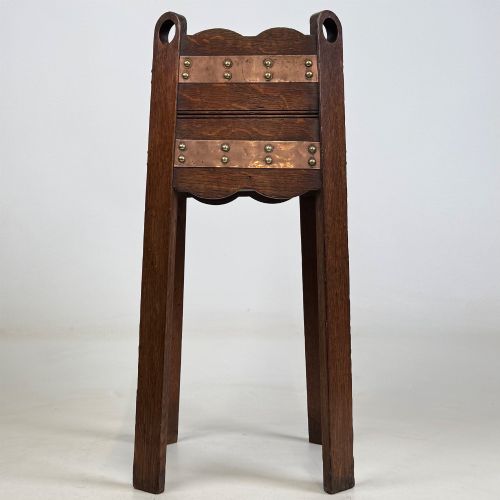
Metal vessels utilise sheet brass and copper formed through hammering, piercing and soldering techniques, frequently combining both metals for contrast. Artisans shaped these materials into cylindrical, urn and stylistic forms often associated with the Arts and Crafts and Art Nouveau movements.
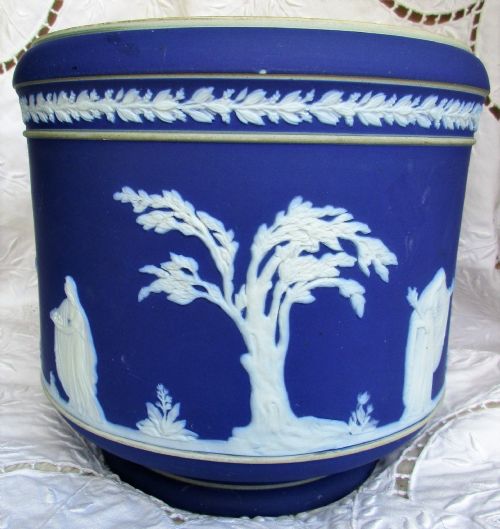
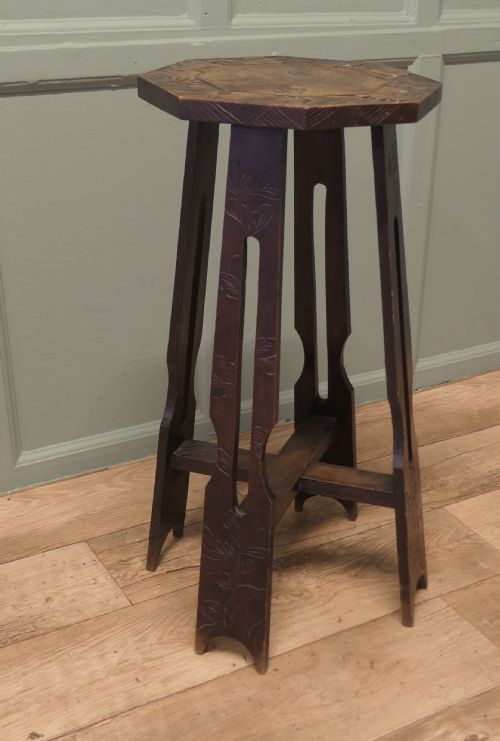
Ceramic and stoneware pieces involve thrown or moulded earthen bodies finished with glazes, including majolica and intricate blue and white porcelain. Wooden plant stands employ timber construction such as oak, elm and satinwood, occasionally featuring carved detail and inlaid work.
Vintage Jardiniere Pot Retail Price Guide 2026
Typical asking prices for vintage jardiniere pot among the pieces listed under this phrase on Sellingantiques today, from the lower quarter to the upper quarter. They describe what is for sale here now, not the wider market.
Periods represented cover Victorian, Edwardian, nineteenth century and early twentieth century production.
What varies in quality
Quality rests in the crispness of execution, from the depth of hand-hammered texture on a copper vessel to the precision of pierced brass work. Maker attribution also elevates certain pieces, particularly those bearing recognised factory marks from ceramic potteries or metalwork firms.
The integrity of materials and survival of original painted surfaces or associated stands determine distinction across the range. Finer examples display harmonious proportion and deliberate stylistic expression characteristic of specific periods like Art Nouveau and Arts and Crafts.
Royal Doulton·Liberty and Co·Doulton Lambeth·J Sankey and Sons·Enoch Wood and Sons
The Vintage Jardiniere Pot Glossary
- Jardiniere
- An ornamental pot or stand designed to hold a plant or flower arrangement indoors. These vessels sit upon tables or floors depending on their scale.
- Cache pot
- A decorative flowerpot used to conceal a plain inner plant pot without a drainage hole in the base. The term translates from French as hiding pot.
- Champlevé
- An enamelling technique where artists gouge troughs into a metal surface to receive enamel paste before firing. This method creates defined patterns set against metal boundaries.
- Majolica
- A type of earthenware covered with an opaque tin glaze and painted with bright colours. It achieved great popularity during the Victorian period for decorative vessels.
- Cache
- A hidden storage space or, in ceramics, the outer pot holding the growing vessel.
Vintage Jardiniere Pot: Frequently Asked Questions
How do I use a vintage jardiniere pot safely?
Place a smaller plastic pot with a saucer inside the metal or ceramic vessel to catch drainage water and protect the historic interior surface.
Avoid planting directly into unlined metal or porous antique containers to prevent moisture damage over time.
Can these planters stay outside?
Most of these pieces are designed for indoor use as decorative interior furnishings, particularly those featuring delicate glazes, inlaid wood or polished brass.
Exposure to frost and persistent outdoor weather will damage nineteenth-century ceramics and cause unprotected metals to corrode rapidly.
How do I clean brass and copper planters?
Dust gently with a soft dry cloth to maintain the aged patina that collectors prefer on historic metalwork.
Refrain from using harsh chemical polishes that strip away character and historical depth from the surface.
What is the difference between a plant stand and a jardiniere?
A jardiniere is the decorative pot that directly holds the plant, whereas a plant stand or pedestal is the elevated piece of furniture designed to support it.
Some historical sets combine both items into a matched ensemble meant to be displayed together.