
Vintage Japanese Vase
When you search for a vintage japanese vase, you are looking at centuries of exceptional ceramic, metal and enamel craft.
Vintage Japanese Vase
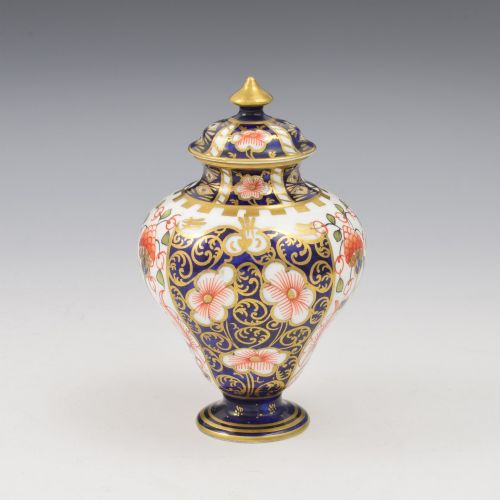
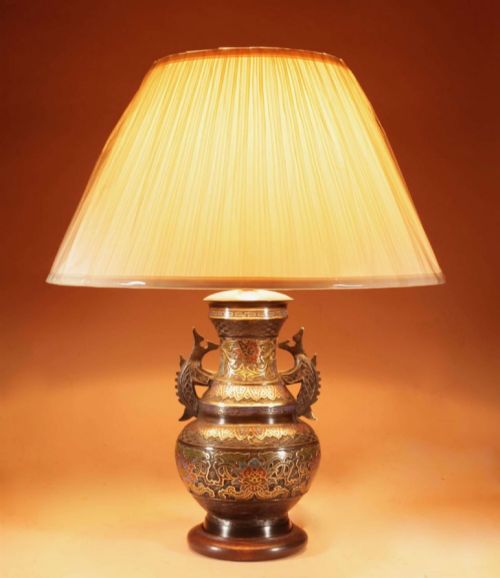
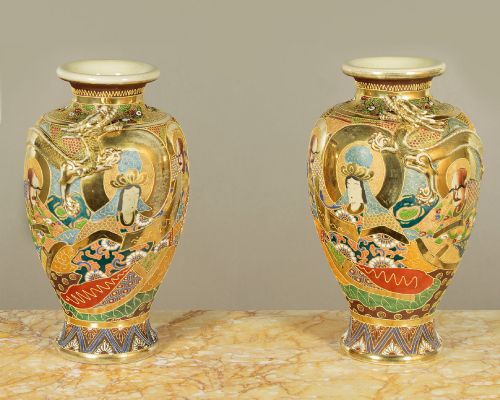
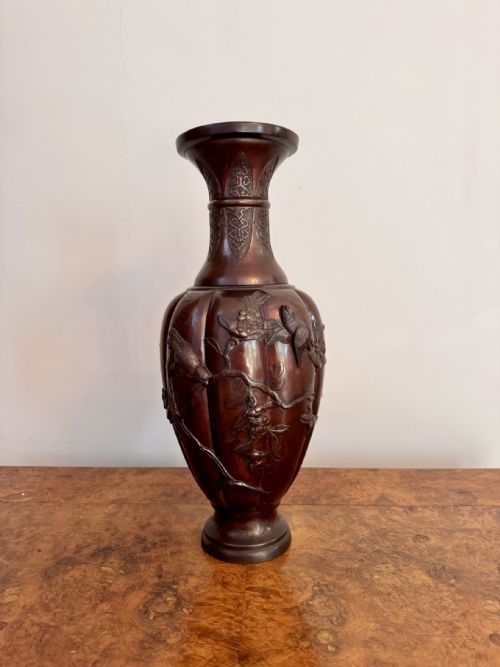
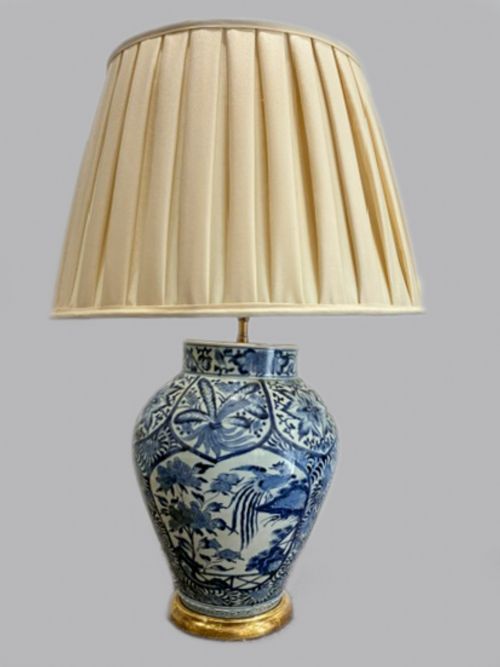
A vintage japanese vase encompasses a diverse selection of decorative vessels originating from the nineteenth and twentieth centuries, including the Meiji and Showa periods. The pieces appearing here range from traditional Imari porcelain and earthenware Satsuma wares to cloisonné enamel and bronze vessels.
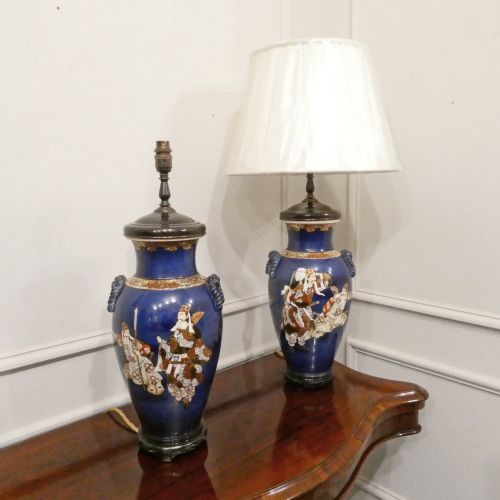
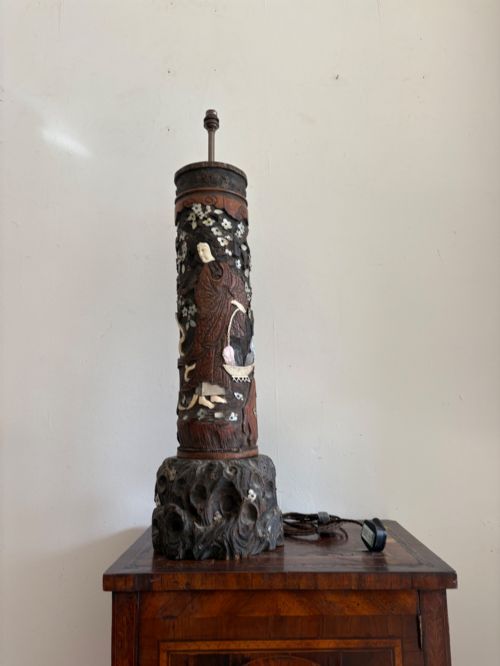
Buyers will encounter various forms, from slender neck vases and ginger jars to converted table lamps and baskets. Many examples reflect traditional domestic display, while others show the distinct influence of export markets during the late nineteenth and early twentieth centuries.
How they were made
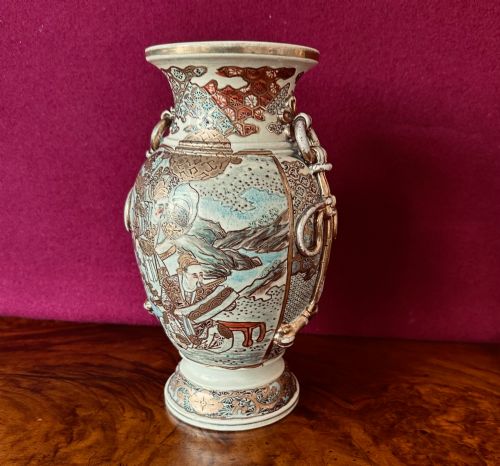
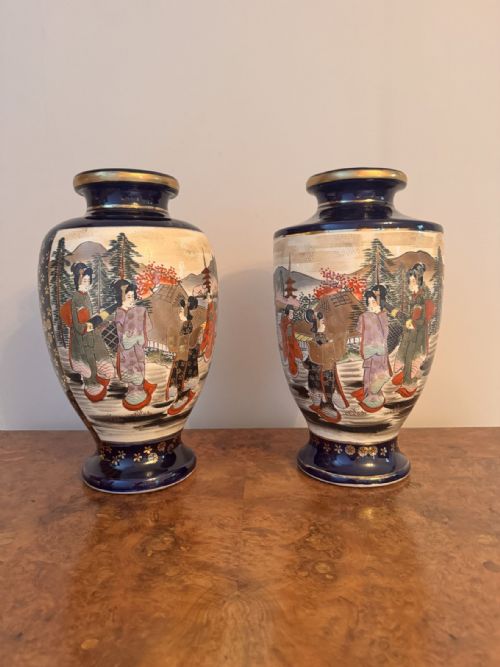
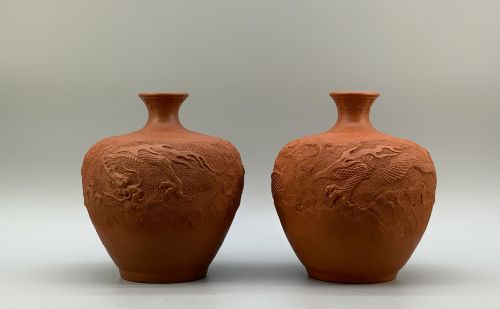
Potters and artisans utilised porcelain, earthenware and red clay, shaping vessels by hand or wheel before applying intricate underglaze and overglaze decorations. Imari pieces combine cobalt blue with iron red and gold leaf accents, whereas Satsuma wares feature fine earthenware covered in a crackle glaze and painted with elaborate figural or floral processions.
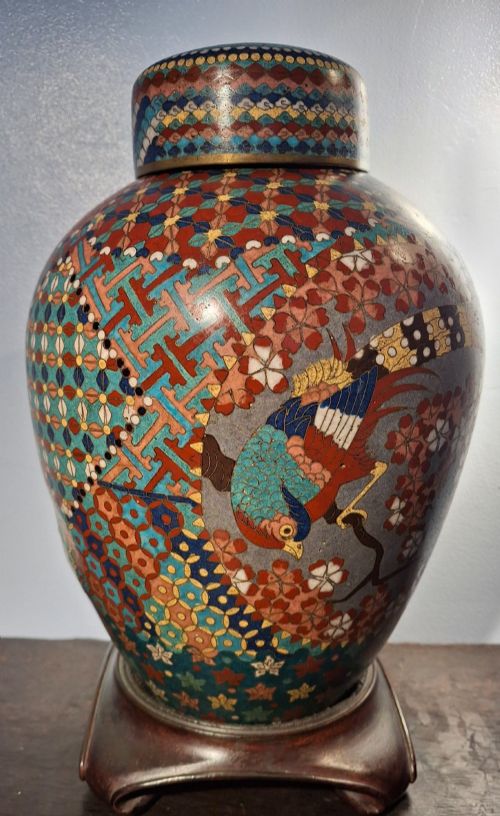
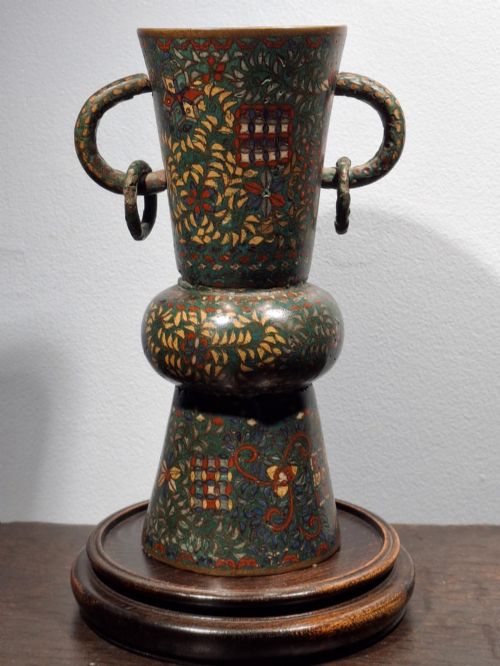
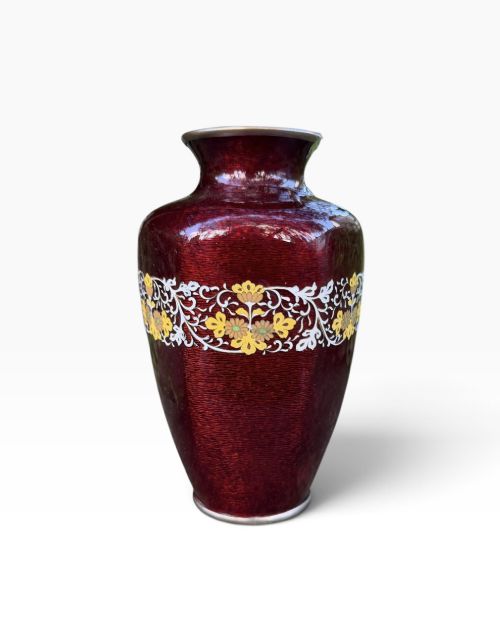
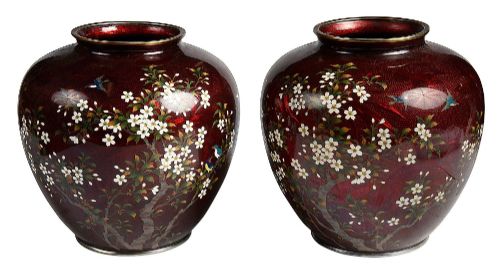
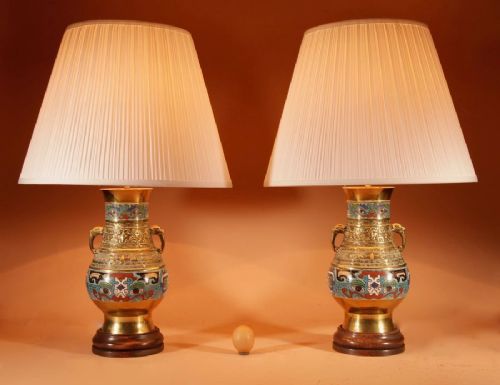
Metal and enamel works involve hammering or casting bronze and brass, followed by champlevé or cloisonné techniques where wires form cells for coloured enamels. Silver wire ginbari methods and basse-taille translucent enamels further demonstrate the technical mastery seen across Meiji period workshop productions.
Climbing monkeys and fierce dragons occasionally scale the sides of these vessels, bringing mischievous life to quiet corners.
What varies in quality
Quality rests upon the precision of the brushwork, the depth of the enamel work, and the clarity of the underlying glaze. Pieces carrying detailed hand-painted scenes or signed marks by notable makers display superior craftsmanship compared to standard commercial output.
The weight and balance of the bronze, the fineness of the cloisonné wirework, and the preservation of original gold leaf accents separate ordinary examples from exceptional collector pieces.
Ando Jubei·Tamura Yukio·Chosei·Hakusan·Kōko
The Vintage Japanese Vase Glossary
- Imari
- A style of Japanese porcelain featuring a distinct palette of underglaze cobalt blue, iron red, and gilding. These ceramics originated in Arita and became immensely popular for export.
- Satsuma
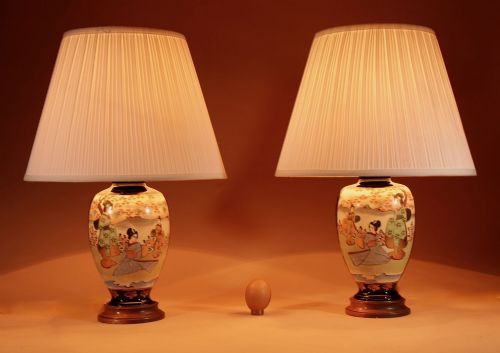
- Earthenware pottery characterised by an ivory-coloured crackle glaze and ornate polychrome enamel paintings enriched with gold. Much of this ware was produced specifically for Western markets.
- Cloisonné
- A metalwork technique where flat wires are soldered to a bronze or copper base to create compartments, which are then filled with enamel paste and fired.
- Champlevé
- An enamelling method where troughs or cells are carved directly into the surface of a bronze or brass body and filled with enamel before firing.
- Meiji
- The historical period spanning from 1868 to 1912, noted for rapid modernisation and the opening of trade with the West, which stimulated fine decorative arts.
- Ginbari
- A textured foil backing placed beneath translucent enamel to create a shimmering pattern visible through the coloured surface.
Vintage Japanese Vase: Frequently Asked Questions
How do I identify a Satsuma vase?
Satsuma vessels are generally earthenware with a distinctive creamy, crackled glaze beneath intricate hand-painted designs enriched with gold. They often depict figural scenes, landscapes, or floral motifs typical of Kyoto production.
Closer inspection reveals the porous nature of the earthenware body beneath the glaze, distinguishing them from hard-paste porcelain pieces.
What is the difference between Imari and Kutani?
Imari porcelain relies on a strict palette of cobalt blue, iron red, and gold, typically featuring symmetrical geometric and floral patterns. Kutani wares often employ a bolder, more painterly approach with dominant greens, yellows, and purples.
Both styles originated in distinct pottery regions and served different aesthetic roles within traditional Japanese interiors and export markets.
Are these vases suitable for holding water?
Many antique earthenware and cloisonné vessels are best used for dry display rather than holding fresh flowers. Earthenware bodies, particularly older Satsuma or porous clay pieces, can seep moisture through tiny glaze fractures.
Porcelain items like Imari ginger jars and certain glazed vases handle water more securely, though careful placement protects delicate antique surfaces.
How can I tell the Meiji period pieces apart?
Meiji period items, produced between 1868 and 1912, frequently display exceptional technical refinement, intricate metal wirework, or detailed artist signatures. This era marked a peak in Japanese decorative arts destined for international exhibition.
Later Showa period works often simplify these traditional techniques while maintaining specific regional forms and decorative motifs.