





Vintage Japanese Planter
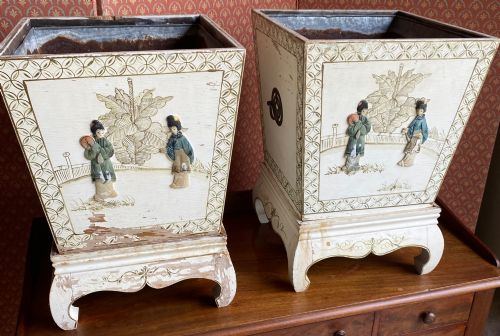
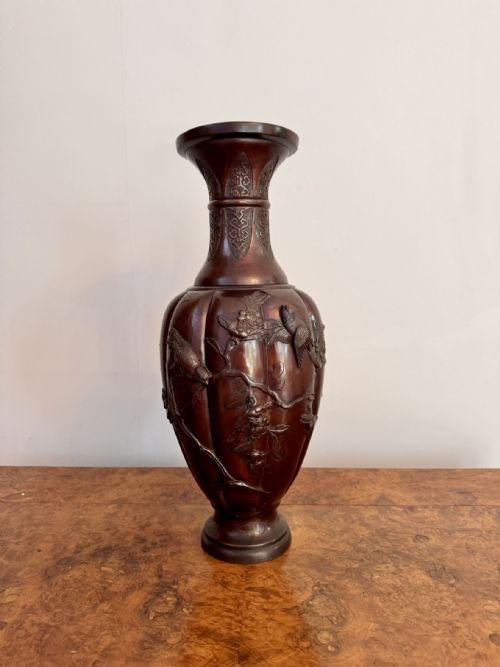
A vintage japanese planter brings distinct horticultural tradition into the home, offering robust bronze or porcelain vessels made to house plants.
Vintage Japanese Planter
When you search for a vintage japanese planter, you encounter vessels created for display and cultivation across various periods. The pieces appearing here span from the Edo period and the 19th century into the 20th century.
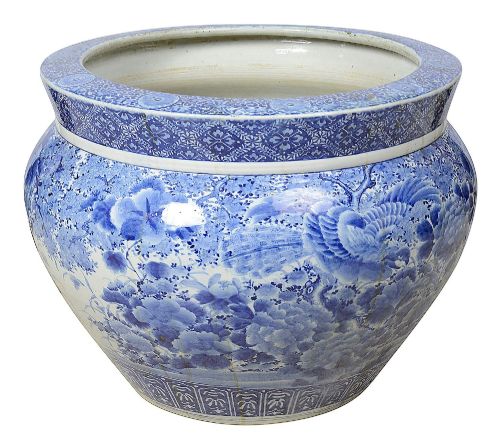
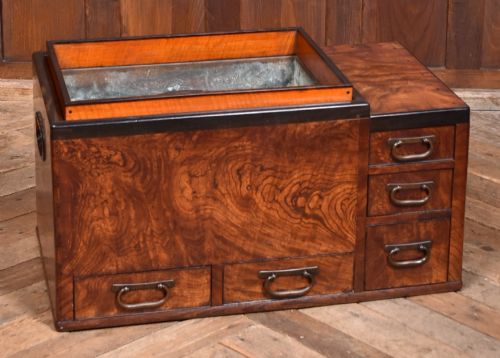
The form frequently takes shape as a jardiniere, a bowl, or a traditional hibachi adapted for botanical use. Bronze and blue and white porcelain dominate the selections you meet on this page.
Makers and workshops utilised stoneware, copper, iron, enamel, and wood to construct these items. Traditional Japanese, Mingei, and Imari styles appear alongside Meiji and Showa period examples.
How they were made
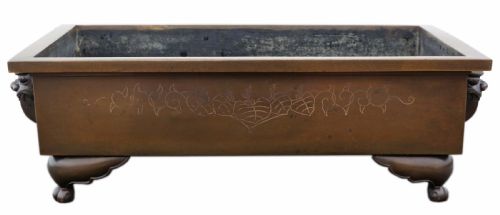
Artisans shaped bronze and copper vessels through casting and metalworking techniques. Cobalt underglaze was applied to porcelain and stoneware bodies before firing to achieve deep blue and white decoration.
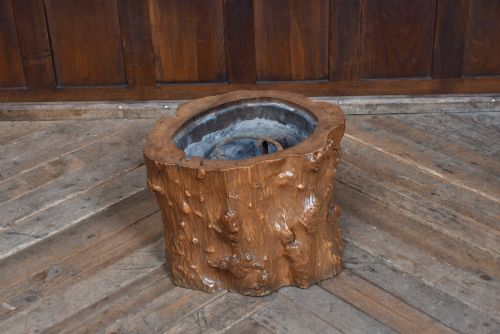
Wooden hibachi constructions involved traditional joinery suited for holding ash and charcoal. Enamel and ceramic finishes provided protective and decorative outer surfaces on iron and pottery forms.
Vintage Japanese Planter Retail Price Guide 2026
Typical asking prices for vintage japanese planter among the pieces listed under this phrase on Sellingantiques today, from the lower quarter to the upper quarter. They describe what is for sale here now, not the wider market.
Periods represented include the Edo period, 19th century, Victorian era, and the 1930s.
What varies in quality
Quality differentiates standard utilitarian vessels from masterwork objects produced by named artists. The refinement of the casting in bronze pieces or the precision of cobalt painting on porcelain dictates the upper tier.
Weight and structural substance signal superior construction, particularly in large bronze bowls and heavy stoneware jardinieres. Pieces bearing attributed signatures demonstrate a higher level of artistic execution.
Makuzu Kozan II
The Vintage Japanese Planter Glossary
- Jardiniere
- A large ornamental pot or stand for plants. These ceramic or metal vessels hold potted greenery indoors.
- Hibachi
- A traditional Japanese heating device consisting of a round, open-topped container. Collectors often utilise them as planters.
- Imari
- A style of Japanese porcelain decorated in underglaze blue, iron red, gold, and green. It originates from the town of Arita.
- Cobalt Underglaze
- A blue pigment applied to ceramic pieces before glazing and firing. This technique creates durable patterns beneath the shiny surface.
- Suiban
- A shallow basin used for traditional flower arrangements or display stones. They share similar water-holding forms with jardinieres.
Vintage Japanese Planter: Frequently Asked Questions
What is a vintage japanese planter used for?
These vessels serve primarily as decorative containers for houseplants and indoor botanical displays. Many originated as jardinieres, braziers, or hibachi bowls.
Their substantial weight and waterproof materials make them practical for housing potted greenery while adding historic aesthetic value to a room.
How do I identify a Meiji period piece?
Meiji period items reflect the artistic output spanning from 1868 to 1912. Look for intricate bronze casting or refined porcelain decoration.
Makers during this era often combined traditional motifs with advanced metallurgical and ceramic techniques intended for both domestic and export markets.
Are bronze and porcelain common materials?
Bronze and porcelain form the majority of surviving vessels found in this category. Metal pieces often feature heavy patination and substantial weight.
Porcelain examples frequently display cobalt underglaze painting, showcasing traditional blue and white floral or landscape designs.
Can I use a hibachi as a planter?
Wooden and ceramic hibachi bowls make ideal containers for indoor plants. Originally designed to hold charcoal for heat, their open basins accommodate soil and pots easily.
Ensure proper drainage management inside the vessel to protect the historic materials from moisture damage.
What does Imari mean on a jardiniere?
Imari refers to a distinct style of Japanese porcelain exported through the port of Imari. These items feature characteristic palettes of underglaze blue and iron red.
Such pieces represent centuries of ceramic tradition adapted into large decorative planters and jardinieres.