






Vintage Japanese Ceramic Lamps
Vintage japanese ceramic lamps bring rich Far Eastern artistry into a room, offering both character and warm illumination.
Vintage Japanese Ceramic Lamps
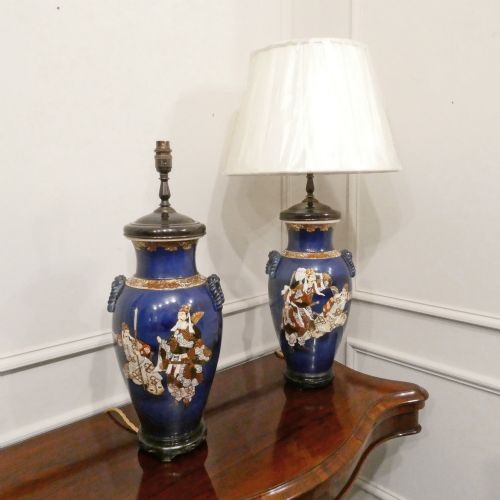
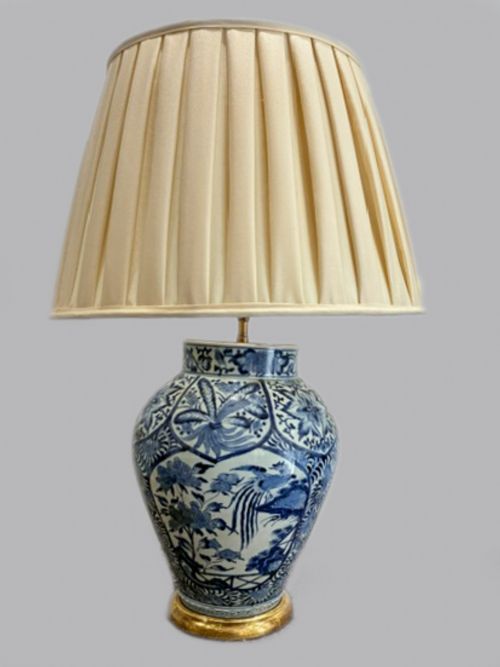
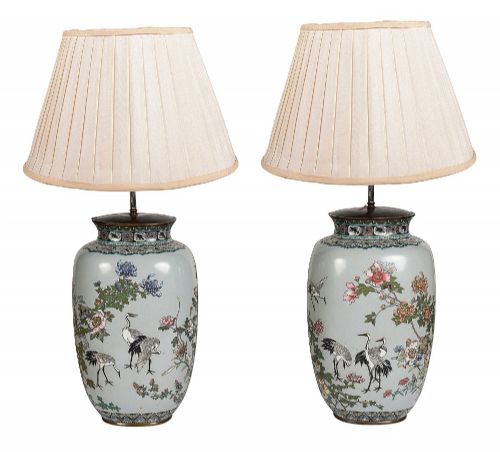
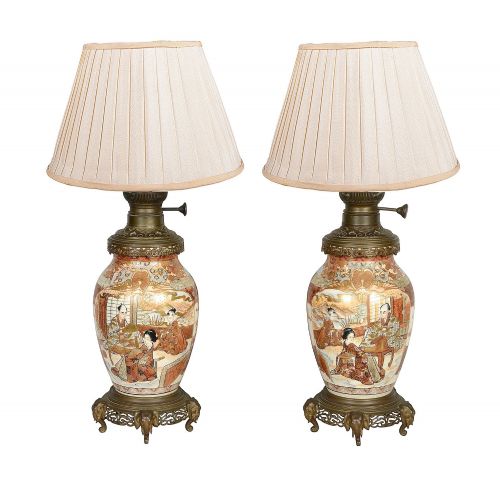
Vintage japanese ceramic lamps are primarily historic vases converted into table lighting, spanning periods from the late seventeenth century through to the early twentieth century. These pieces often arrive paired, displaying classic decorative forms that originate from traditional Japanese artistic movements.
The selection here is dominated by Satsuma, Imari, and Kutani wares, alongside cloisonné enamel and blue and white porcelain. Most pieces reflect the intricate aesthetics of the Meiji and Edo periods, adapted thoughtfully for modern interiors.
How they were made
These lamps utilise traditional ceramic and porcelain bodies, often hand-painted with detailed enamels and gilded highlights. Metal fittings in brass are later additions incorporated during the conversion of antique vases into functional table lamps.
The manufacturing process relies on historical firing techniques, resulting in robust earthenware and porcelain structures. Silk and fabric shades frequently complement the textured ceramic bases.
Vintage Japanese Ceramic Lamps Retail Price Guide 2026
Typical asking prices for vintage japanese ceramic lamps among the pieces listed under this phrase on Sellingantiques today, from the lower quarter to the upper quarter. They describe what is for sale here now, not the wider market.
Listings feature items spanning the seventeenth to the twentieth centuries, utilising porcelain, earthenware, brass, and silk.
What varies in quality
Quality rests in the crispness of the hand-painted detail and the preservation of the original ceramic glaze over centuries. Finer examples display precise brushwork and balanced proportions that elevate the vessel before its conversion.
The integrity of the conversion work also dictates value, particularly how cleanly the lamp wiring integrates with the antique body. Harmony between the ceramic vase and its chosen fittings defines the superior pieces.
The Vintage Japanese Ceramic Lamps Glossary
- Imari
- A style of Japanese porcelain featuring a distinct palette of underglaze blue, iron red, and gold. This traditional aesthetic originated in Arita and remained popular across multiple centuries.
- Kutani
- Japanese coloured porcelain known for bold pictorial designs and rich colour schemes. These pieces frequently incorporate greens, blues, purples, and reds.
- Cloisonné
- An enamel technique where metal wires form compartments on a ceramic or metal base, which are then filled with coloured paste and fired. This creates a vibrant, patterned surface texture.
- Japonisme
- The influence of Japanese art and design on Western aesthetics, particularly prominent in nineteenth-century decorative arts. It shapes how these converted objects appeal to European interiors.
Vintage Japanese Ceramic Lamps: Frequently Asked Questions
Are these lamps converted from old vases?
Most of these pieces started life as historic Japanese vases and jars produced during the Edo or Meiji periods. Skilled artisans later adapted them into table lamps by adding electrical fittings and bases.
This conversion process preserves the artistic integrity of the original ceramic while making the vessel suitable for contemporary lighting needs.
How do I date a Japanese ceramic lamp?
Dating relies heavily on the style of the ceramic body, the painting technique, and any recognizable historic period aesthetics. Reference points include seventeenth-century Arita wares or nineteenth-century Satsuma and Kutani production.
The specific artistic motifs and glaze characteristics help historians place the vessel within the Edo or Meiji eras.
What is the difference between Satsuma and Imari?
Satsuma ware is typically an earthenware ceramic featuring a warm, crackled ivory glaze decorated with intricate polychrome and gilt patterns. Imari ware is a hard porcelain characterised by a strong palette of cobalt blue, iron red, and gold.
Both styles offer distinct visual qualities, though Imari relies on traditional porcelain ring while Satsuma presents a softer, porous finish.
How do I style a ceramic lamp at home?
These statement lamps work well on side tables, sideboards, or console units where their intricate painted details can be appreciated up close. Pairing them with simple fabric or silk shades allows the decorated ceramic base to remain the focal point.
They bring warmth and historical depth to both traditional studies and contemporary living spaces.