




Vintage Jade Jewellery
Vintage jade jewellery brings together carved stones, platinum and gold across periods from the nineteenth century to the mid-century.
Vintage Jade Jewellery
Vintage jade jewellery encompasses rings, earrings, pendants, necklaces and bangles spanning the nineteenth century through the mid-century. When searching for vintage jade jewellery, buyers encounter pieces set in silver, yellow gold, rose gold, and platinum.
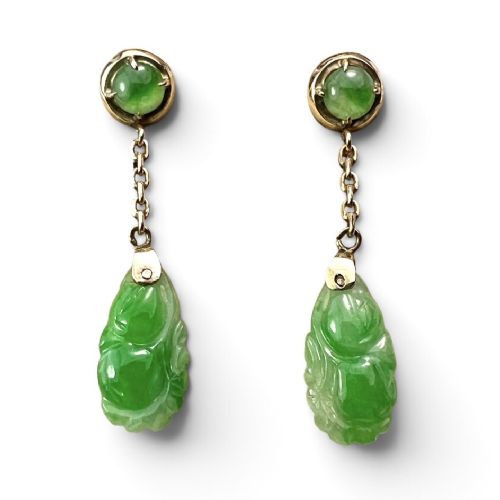
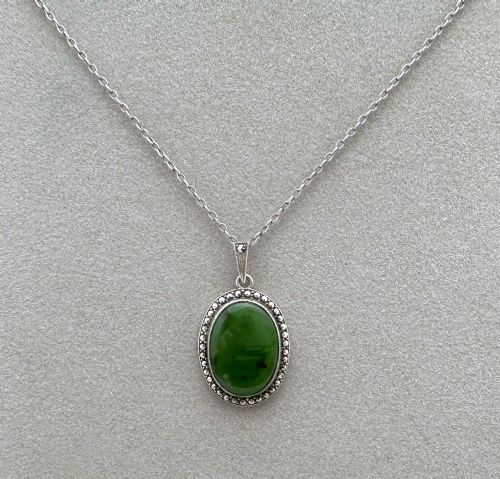
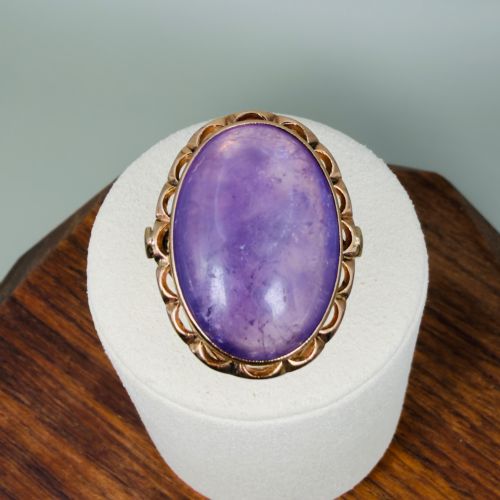
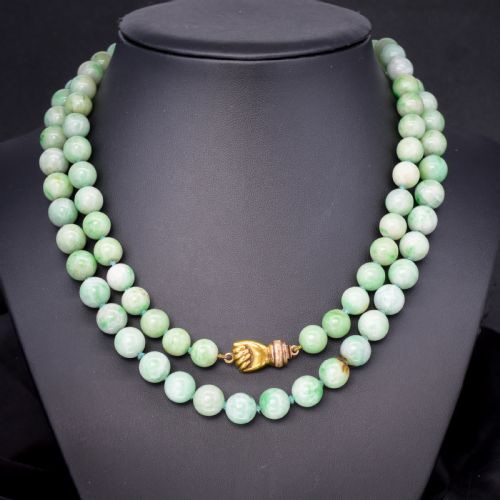
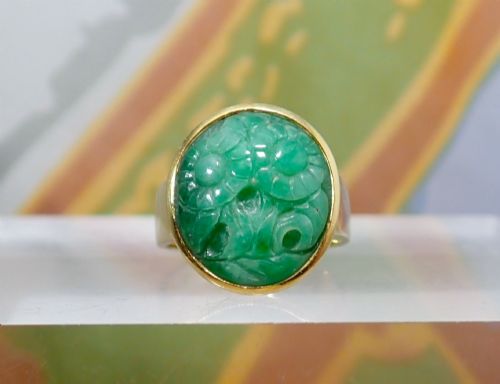
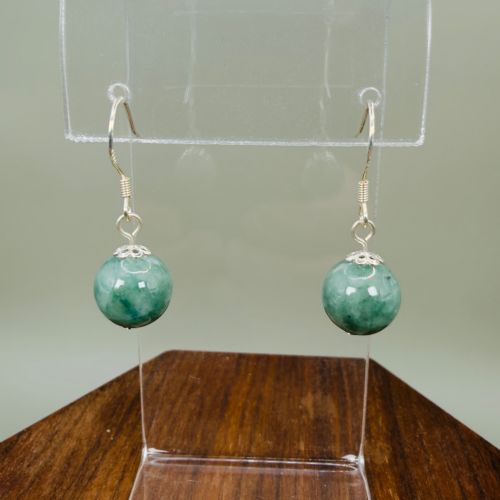
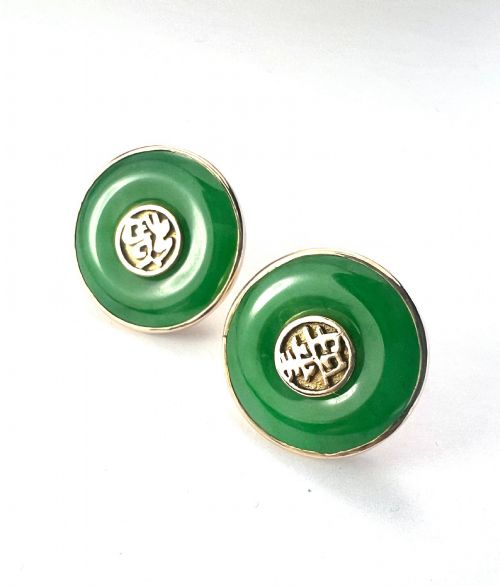
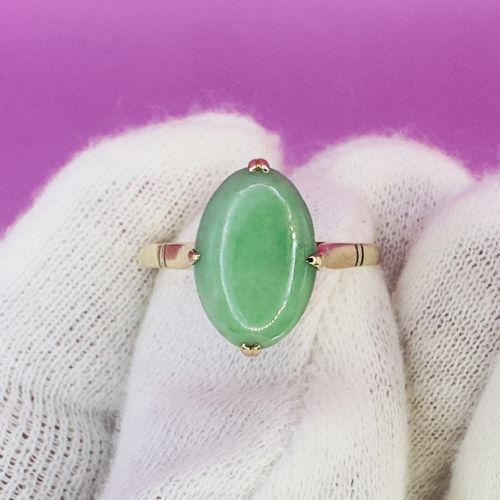
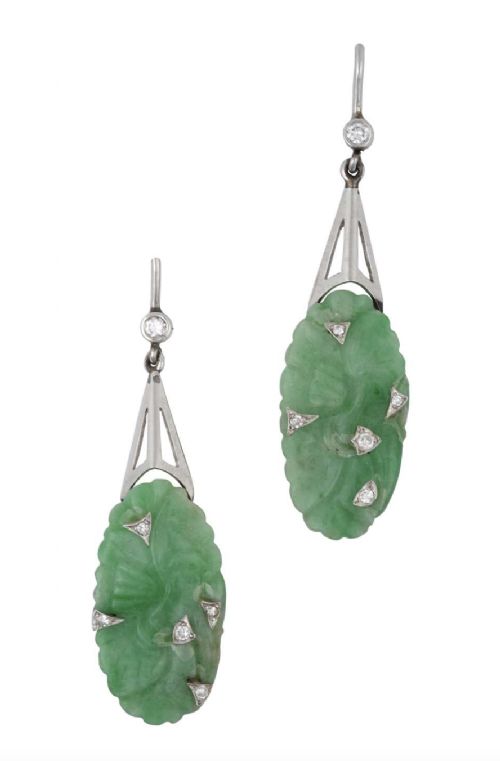
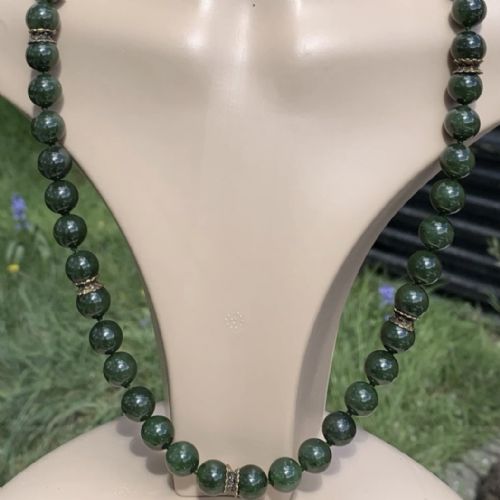
The selection ranges from Edwardian and Art Deco designs to Chinese Republic Period pendants and mid-century modern rings. Carved drops, beaded strands, and cabochon solitaires form the core of the items seen here.
How they were made
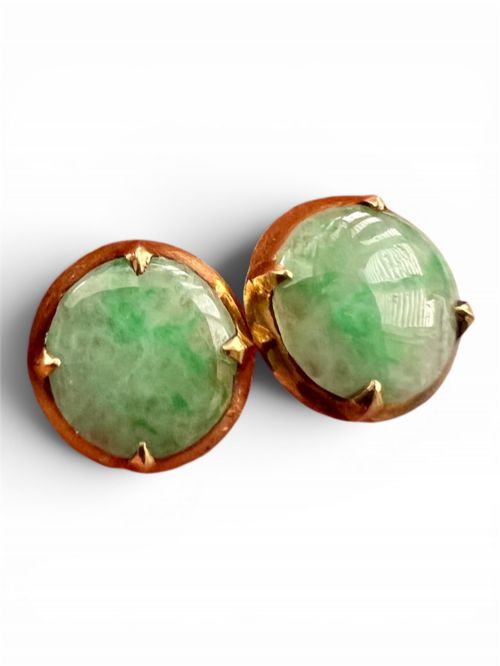
Goldsmiths and jewellers mounted jade and jadeite into yellow gold, 14ct gold, 18ct gold, platinum, and silver settings. Stones were carved into intricate motifs, shaped into smooth cabochons, or polished into toroidal beads.
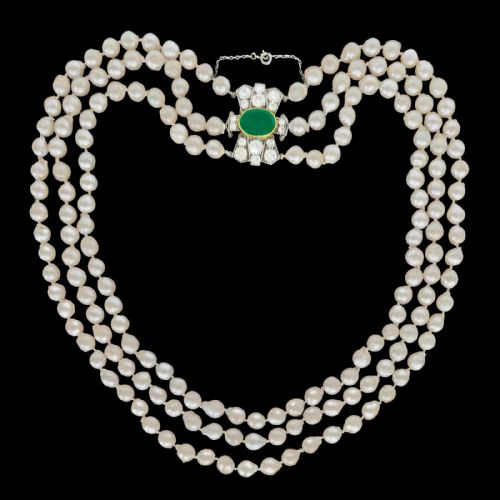
Many items incorporate supplementary gems such as diamonds and cultured pearls. Metalwork techniques span delicate millegrain edges on Art Deco platinum mounts to solid gold bezels and clasps.
Listings incorporate items spanning the Edwardian era, 1920s, Art Deco period, and the 1950s mid-century revival.
What varies in quality
Quality rests in the intensity and natural distribution of colour within the jadeite or nephrite, alongside the crispness of the carving. Translucency and even texture separate exceptional stones from more opaque varieties.
The standard of accompanying metalwork and gemstone accents also dictates the tier of a piece. Substantial gold weights, platinum settings, and well-matched diamonds elevate the overall integrity of the mount.
The Vintage Jade Jewellery Glossary
- Cabochon
- A gemstone shaped and polished with a smooth, rounded surface rather than faceted. This style highlights the natural depth and lustre of jadeite.
- Jadeite
- One of the two mineral species recognised as jade, known for bright green, lavender, and pale tones. It appears frequently in twentieth-century rings and pendants.
- Nephrite
- The tougher, more fibrous of the two jade minerals, often displaying deep green or spinach hues. It is seen in heavier antique necklaces.
- Repubilc Period
- An era in Chinese history spanning the early twentieth century that produced distinctive carved pendants and motifs. These items often feature symbolic carvings.
- Toroidal
- Ring-shaped or doughnut-formed beads utilised in earrings and pendants. They showcase the skill of the stone-carver.
Vintage Jade Jewellery: Frequently Asked Questions
How do I identify Art Deco jade?
Art Deco jade items typically feature geometric platinum or white gold mounts combined with calibre-cut diamonds and precise carving. The lines lean heavily into symmetry and architectural forms typical of the 1920s and 1930s.
Look for screw-back closures on earrings and millegrain detailing around the bezels holding the cabochon or drop-cut jadeite.
What is the difference between jadeite and nephrite?
Jadeite and nephrite are chemically distinct minerals, though both fall under the broader gemological term jade. Jadeite tends to present brighter greens and lavenders with greater translucency.
Nephrite is structurally tougher with a denser, more fibrous composition, frequently appearing in heavier antique beads and carved bangles.
How should I care for antique jade?
Clean antique jade pieces gently using a soft cloth and warm soapy water, avoiding harsh chemical dips or ultrasonic cleaners. Many vintage settings with delicate claws or pearl additions require physical protection.
Store items individually in soft pouches to prevent harder gemstones or diamonds from scratching the softer surface of the jade.
Are these pieces made with solid gold?
The listings feature pieces constructed using various purities of solid gold, including 9ct, 14ct, and 18ct yellow and rose gold, alongside platinum and sterling silver mounts. Hallmarks and metal tests confirm the material standard.
Assay office reports occasionally accompany pieces to verify the gemological composition and metal content.