

Vintage Jacobean Style Table
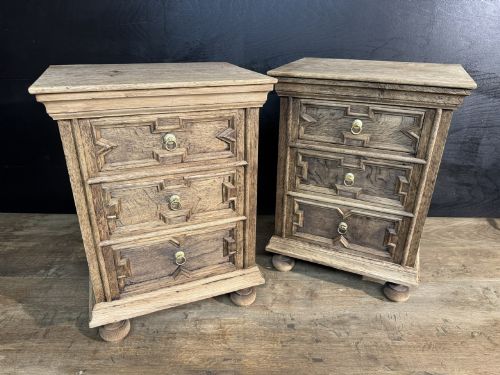
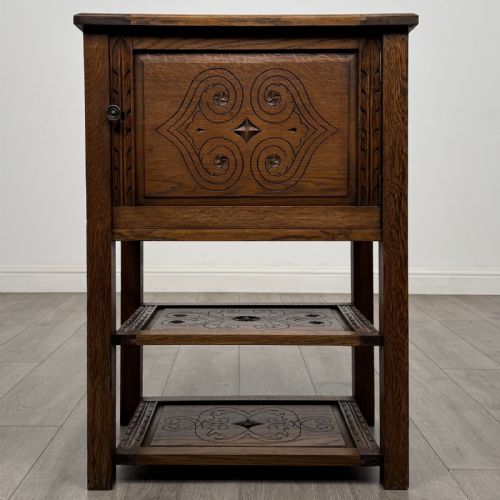
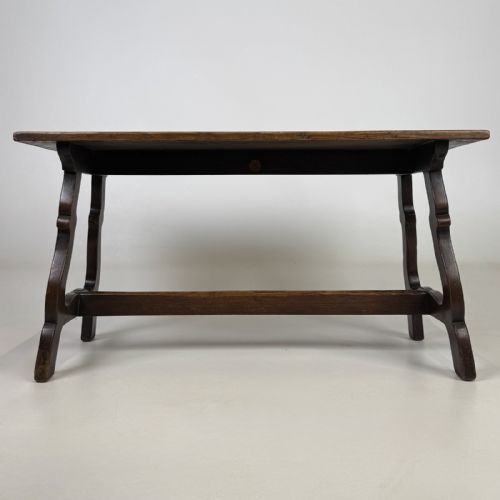
These vintage jacobean style table pieces bring heavy oak timbers, turned legs, and seventeenth century revivals directly into modern dining and living spaces.
Vintage Jacobean Style Table
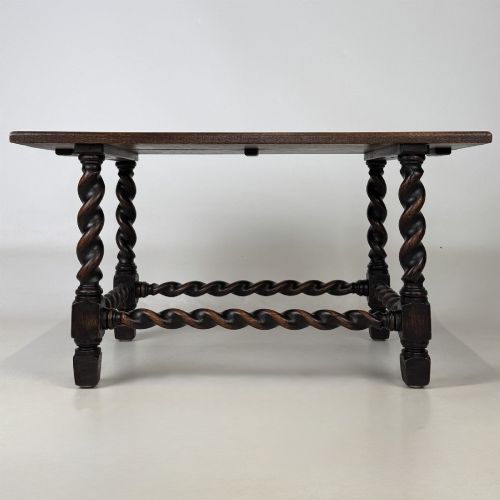
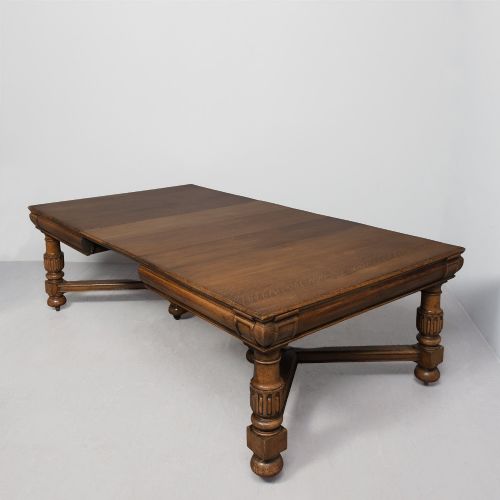
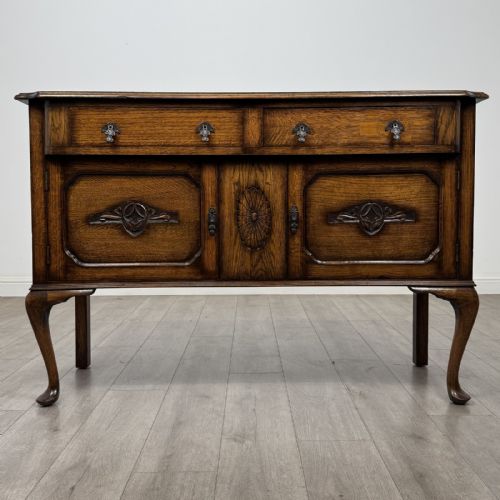
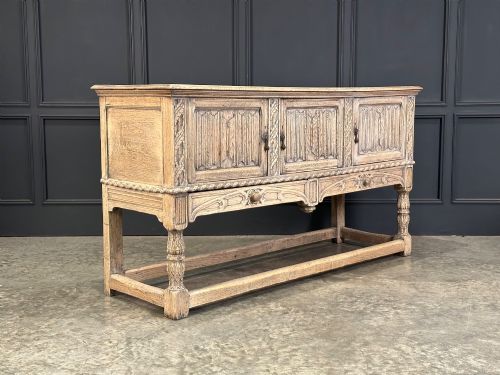
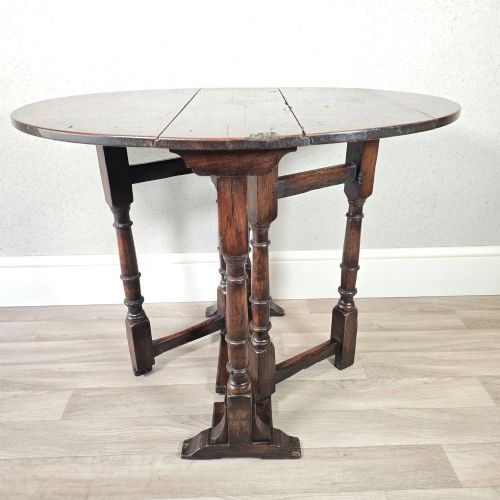
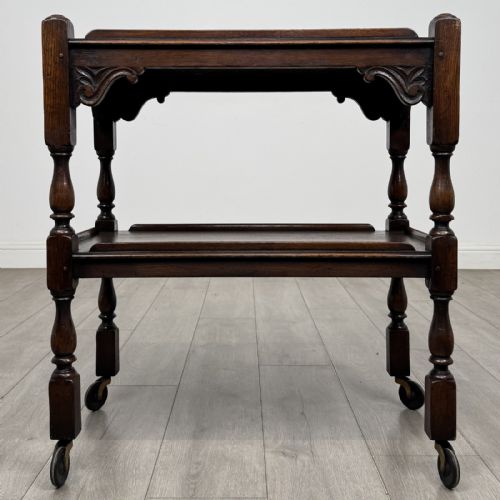
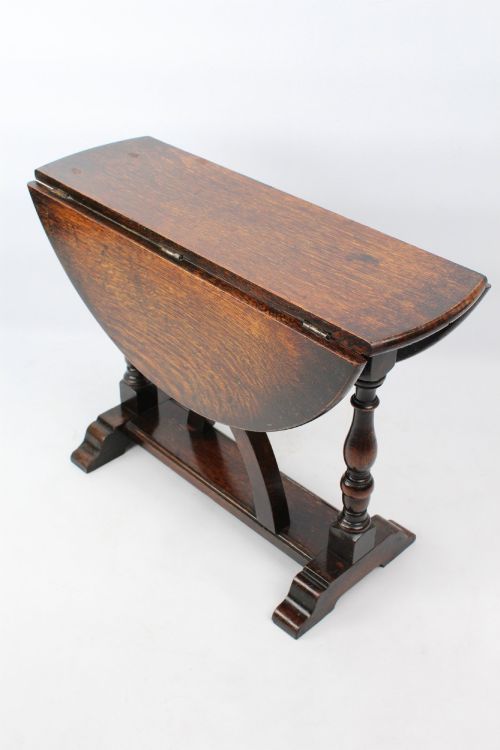
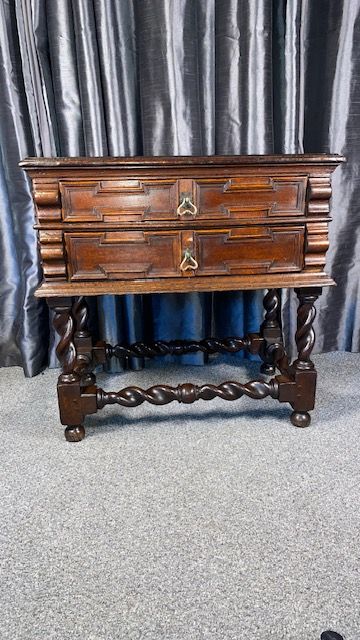
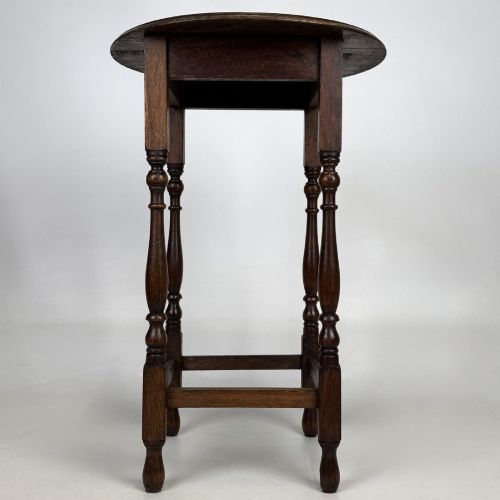
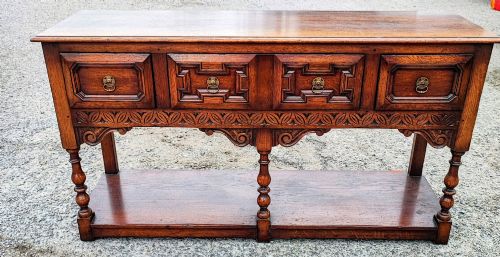
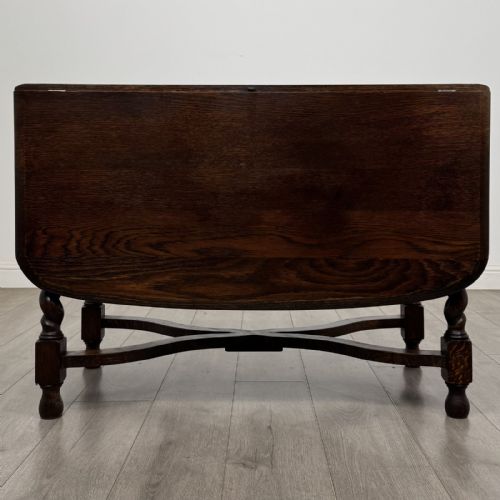
When searching for a vintage jacobean style table, buyers encounter substantial dining tables, gateleg designs, and smaller occasional pieces dating primarily from the early twentieth century alongside nineteenth century examples. The selection spans robust refectory tables, drop leaf formats, and tea trolleys that channel historic English country house aesthetics. Solid construction and dark timber predominate across these domestic forms, echoing seventeenth century models.
The most common versions met on this page are dining tables and side tables built from oak, often featuring characteristic turnings and carved borders. These pieces bridge the gap between heavy historic furniture and the proportions required for twentieth century homes. Refectory and gateleg configurations appear regularly, offering practical surface space combined with revival styling.
Quality distinctions in revival furniture
The standard of timber selection and depth of carving separate finer examples from simpler commercial production. Superior pieces utilise well-figured solid oak with rich colour and stable grain, avoiding thin veneers or excessive modern staining that obscures the wood.
Joinery integrity and the crispness of turned components dictate the overall durability and finish. Tables with tight joints, substantial stretcher bases, and well-executed turnings demonstrate the care taken during the early twentieth century revival period.
Vintage Jacobean Style Table Retail Price Guide 2026
Typical asking prices for vintage jacobean style table among the pieces listed under this phrase on Sellingantiques today, from the lower quarter to the upper quarter. They describe what is for sale here now, not the wider market.
Materials documented across the available inventory include solid oak, fruitwood, yew wood, walnut, brass, and iron.
G.T. Rackstraw
The Vintage Jacobean Style Table Glossary
- Refectory table
- A long, narrow dining table traditionally used in monasteries and large halls, characterised by substantial legs connected by a low stretcher. These versions appear frequently in early twentieth century oak.
- Gateleg table
- A drop leaf table where the leaves are supported by hinged legs that swing out like a gate. This design allows the surface area to expand or contract depending on space requirements.
- Draw leaf table
- An extending dining table with leaves stored beneath the main top that pull out to lengthen the surface. It provides a practical solution for flexible dining arrangements.
- Potboard dresser
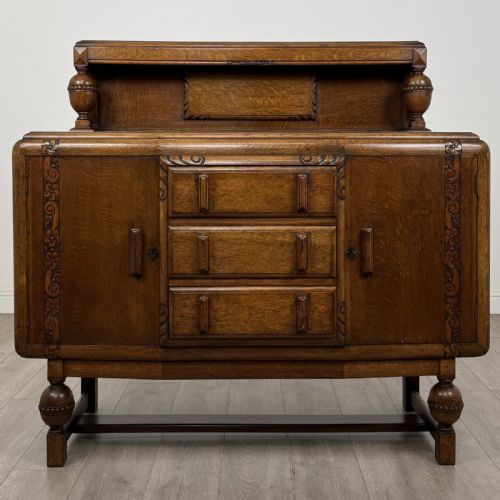
- A sideboard or dresser base featuring an open lower shelf traditionally used for displaying heavy pottery. These items anchor dining room interiors with robust proportions.
Vintage Jacobean Style Table: Frequently Asked Questions
How do I care for an oak surface?
Maintain solid oak tables by dusting regularly with a soft cloth and applying appropriate beeswax periodically to nourish the timber. Avoid placing them near direct heat sources to prevent the wood from splitting.
Keep moisture off the grain by using coasters and mats during daily use. Gentle cleaning preserves the historic finish without stripping the natural patina.
Are these tables suitable for daily dining?
Sturdy oak construction and robust stretchers make these revival pieces well-suited for everyday family meals and gatherings. Refectory and gateleg formats provide ample surface area and stability.
Selecting a model with extending leaves offers flexibility when hosting guests. Their solid build ensures they withstand regular use while maintaining period character.
How can I date an oak table?
Examine the tool marks, timber characteristics, and construction methods used on the underside and interior joints. Early twentieth century revival pieces often show machine assistance alongside traditional joinery techniques.
Compare the style of turning and hardware, such as castors or hinges, against known manufacturing periods. Nineteenth century and Edwardian examples typically display heavier wear and distinct patination compared to later reproductions.
What is the difference between refectory and gateleg styles?
Refectory tables feature fixed, long rectangular tops supported by heavy legs and low stretchers designed for permanent placement in a dining space. They offer a stationary, robust surface ideal for larger rooms.
Gateleg tables incorporate hinged drop leaves supported by swing-out legs, allowing the furniture to fold down into a compact footprint. This adaptability suits smaller rooms or multi-purpose living areas.