



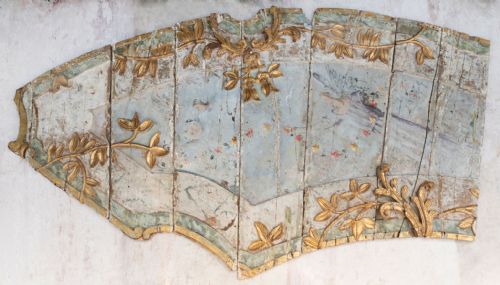
Vintage Italian Wall Art
Vintage italian wall art brings centuries of Mediterranean landscape, portraiture and mirrorwork directly into a room.
Vintage Italian Wall Art
Vintage italian wall art encompasses oil paintings, watercolours, mirrors and framed panels sourced from peninsula workshops across several centuries. When searching for vintage italian wall art, buyers encounter everything from grand tour oils and religious subjects to mid-century abstract compositions and Venetian glass looking glasses.
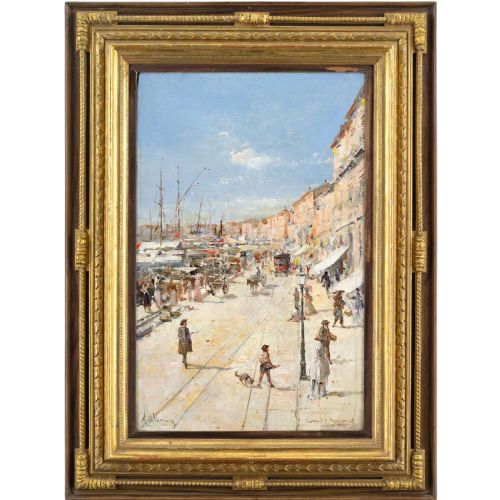
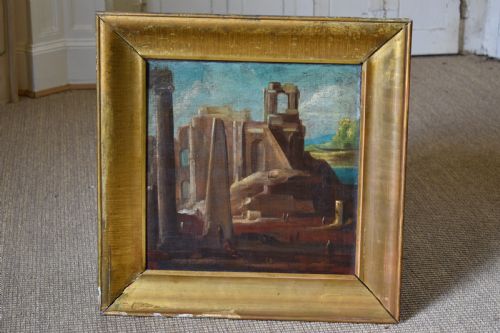
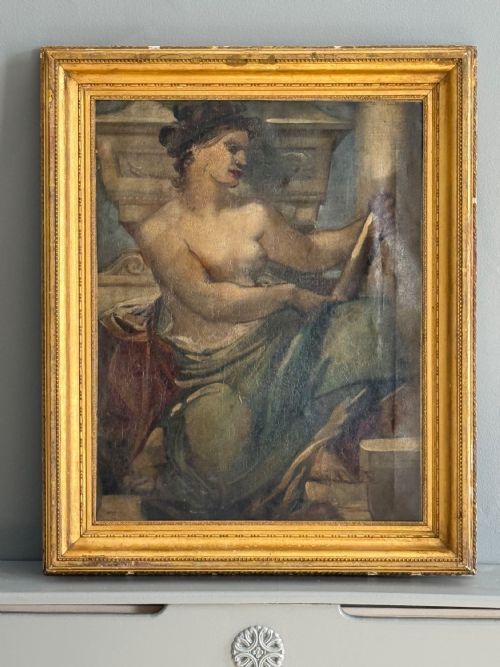
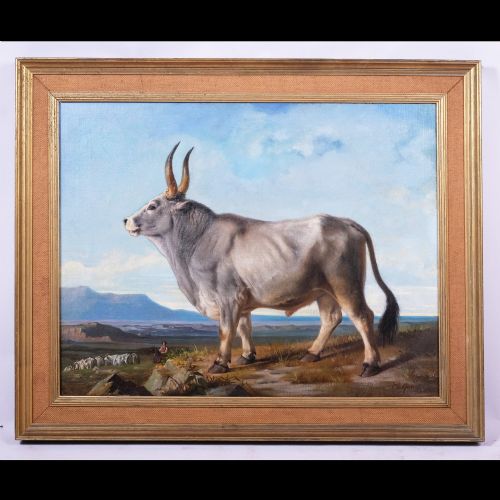
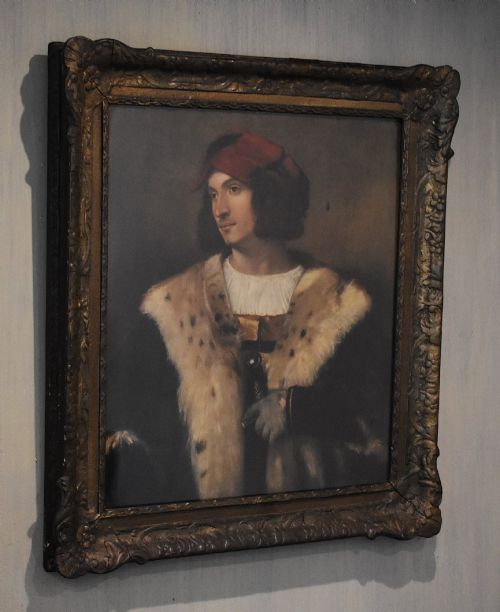
The selection ranges from 18th-century copies of old masters to mid-century modern posters and coastal scenes. Most pieces on this page lean towards traditional oil paintings on canvas or board, alongside ornate gilded wood mirrors from the nineteenth and twentieth centuries.
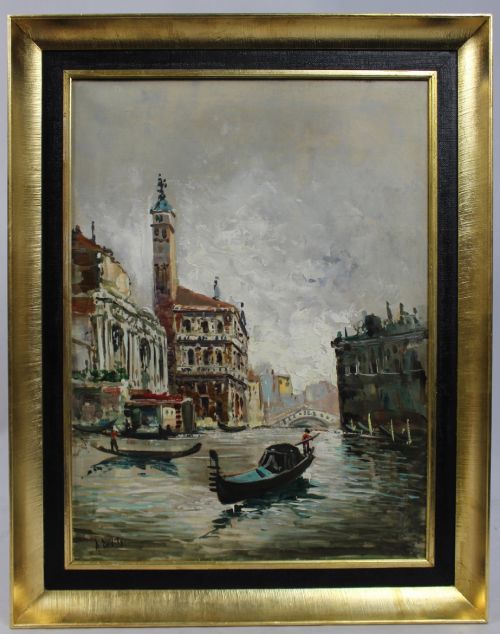
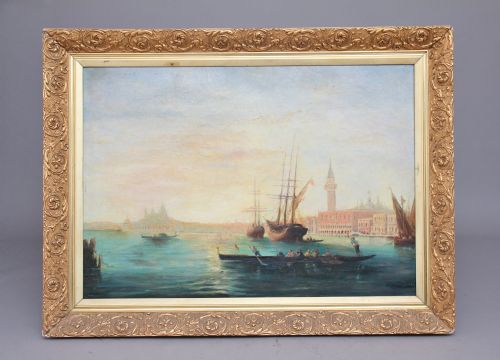
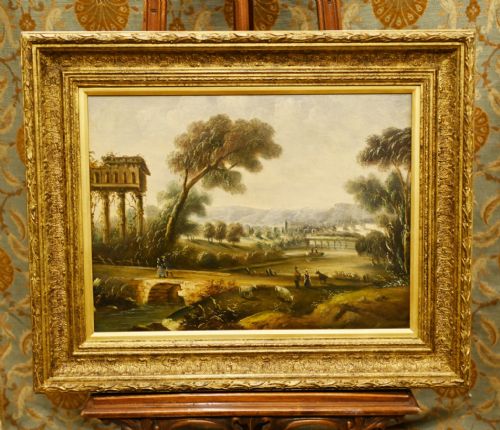
Regional subjects dominate the category, particularly Venetian canals, Tuscan landscapes and Neapolitan harbour views. These works capture the light and architecture that travellers sought on the grand tour and artists recorded across generations.
Materials and methods
Canvas, wood panel and paper support oil paint, watercolour and print techniques across these pieces. Traditional works utilise stretched canvas or timber boards primed for oil, while works on paper employ watercolour and gouache.
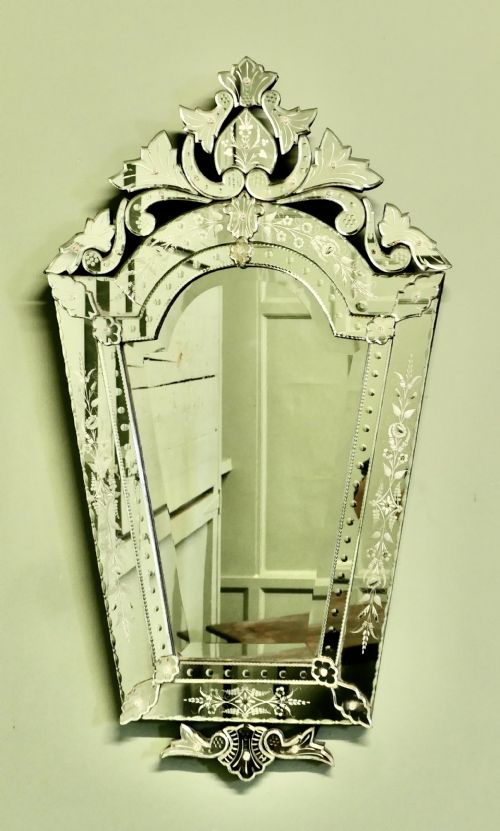
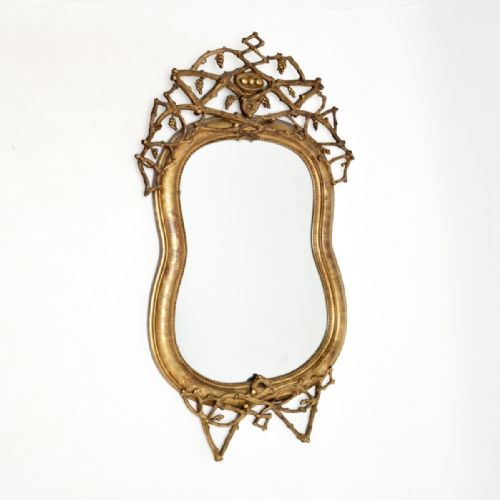
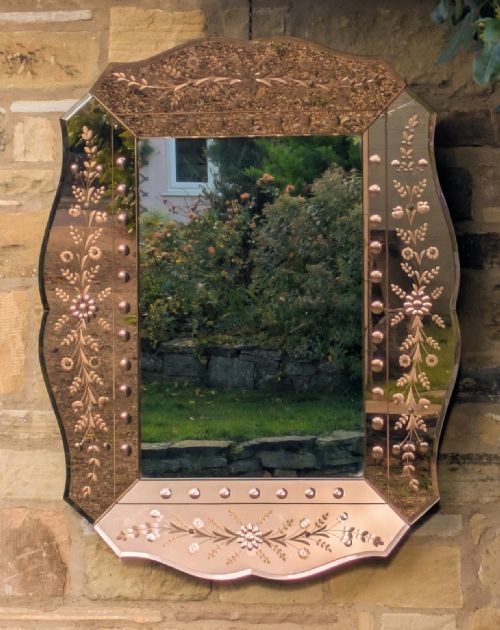
Frames and mirrors rely on gilded wood, carved walnut, peach glass and alabaster. Artisans carved intricate frames from timber before applying gold leaf, or shaped specialised glass plates for Venetian mirrors.
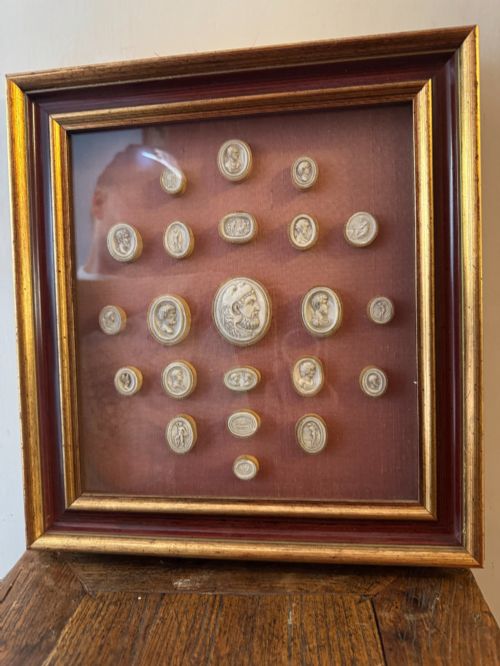
Inlaid stone panels use pietra dura technique, assembling precise slices of coloured marble and semi-precious stones into pictorial compositions. Intaglio panels carved into gypsum record classical cameos from antiquity.
Several panels preserve quiet moments of Italian livestock and alter angels, proving art history is full of unexpected companions.
Assessing quality and execution
The finesse of the brushwork and the confidence of the draughtsmanship separate superior paintings from routine decorative copies. Masterful handling of light, shadow and perspective reveals the hand of a trained artist rather than a hurried workshop production.
Frame construction and material integrity dictate the distinction in mirrors and panels. Hand-carved giltwood with original gold leaf and clear, unblemished antique glass represent superior craftsmanship compared to later cast resin replacements.
Provenance and attribution elevate certain pieces significantly. Signed works by documented artists or fine period copies executed with genuine historical awareness carry greater artistic weight than anonymous decorative items.
Dumini Leopoldo·Augusto Alberici·Antonio DeVity·Attilio Toro·Gino Severini·Ferruccio Vitale·William Raymond Dommersen
The Vintage Italian Wall Art Glossary
- Grand tour
- Educational travel across Europe undertaken by wealthy young men in the eighteenth and nineteenth centuries. These travellers collected paintings, watercolours and antiquities to bring home.
- Pietra dura
- Pictorial inlay technique using precision-cut polished coloured stones. Craftsmen assembled marble and jasper pieces to create durable stone mosaics.
- Ex voto
- Votive offering placed in a sacred location to give thanks for a miracle or blessing. These objects often take the form of painted panels or metal plaques.
- Intaglio
- Design incised into the surface of a hard material so that an impression pressed into it forms a raised relief. Gypsum panels often display this classical method.
- Renaissance revival
- Nineteenth-century artistic movement drawing inspiration from the art and architecture of the fifteenth and sixteenth-century Italian Renaissance.
Vintage Italian Wall Art: Frequently Asked Questions
How do I date an antique oil painting?
Examine the canvas weave, stretcher construction and the type of nails or tacks used to secure the canvas. Pigment analysis and the style of the frame also provide reliable clues to the decade of creation.
Look closely at the reverse of the panel or stretcher for old collection labels, stamps or inscriptions. These details often record previous exhibitions or sales that help narrow down the chronology.
Where should I hang a Venetian mirror?
Venetian mirrors perform best on feature walls in sitting rooms or dining rooms where they catch and reflect natural light. Their ornate glass frames act as focal points that balance surrounding furniture.
Ensure the wall structure can support the weight of the timber backing and glass plates. Position the mirror at eye level to maximise its decorative impact within the room.
What is a grand tour painting?
Grand tour paintings are landscapes, architectural views and classical scenes purchased by travellers touring Italy during the eighteenth and nineteenth centuries. Local artists produced these works specifically to satisfy foreign demand for souvenirs.
These pieces typically depict famous sights in Rome, Venice or Florence. They served as tangible proof of a gentleman's classical education and cultured travels.
How do I care for antique giltwood?
Dust giltwood frames gently with a soft, dry brush to prevent accumulation without disturbing the delicate gold leaf. Avoid using water, damp cloths or chemical cleaning sprays which strip the metallic finish.
Keep frames away from direct sunlight and sudden temperature fluctuations to prevent the underlying gesso and wood from cracking. Stable indoor humidity preserves both the timber and the gilding.