



Vintage Italian Marble Table
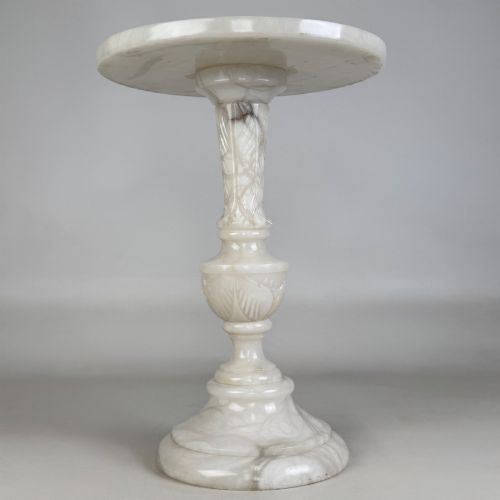
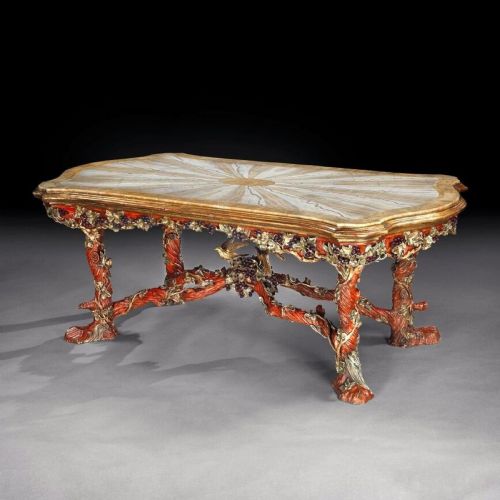
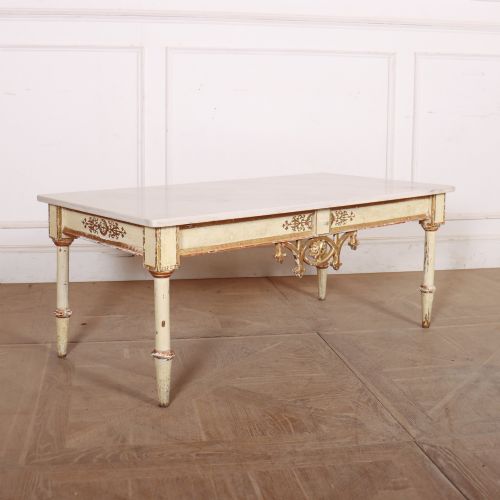
These vintage italian marble table pieces bring classical substance and varied stone tops into a room.
Vintage Italian Marble Table
When you search for a vintage italian marble table, you encounter a wide selection of furniture types spanning coffee tables, console tables, side tables, and bedside cabinets. These pieces often feature prominent stone surfaces supported by wood, brass, or gilt metal frames.
The materials and construction reflect distinct periods from the eighteenth century through the mid-twentieth century, including Edwardian, Art Deco, and mid-century Italian designs. Buyers frequently find side tables and low centre tables designed with specific regional stones.
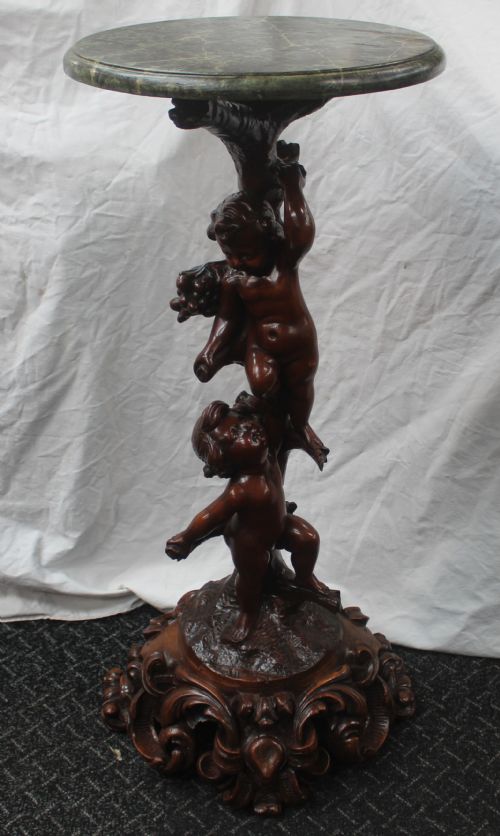
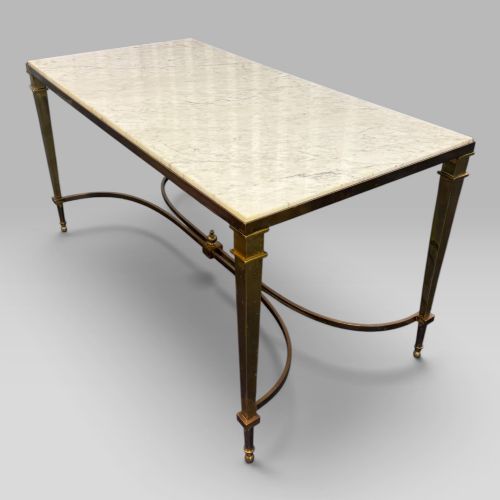
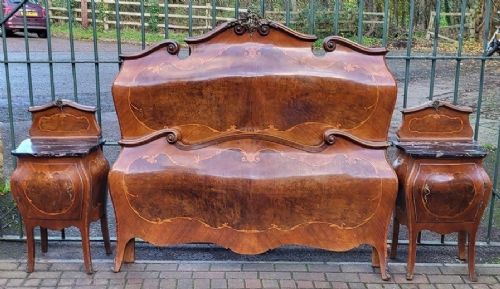
The selection ranges from ornate carved wood and gilt pieces with serpentine fronts to cleaner mid-century brass and marble combinations. Each example demonstrates the enduring utility of stone tops paired with decorative wooden or metal bases.
How they were made
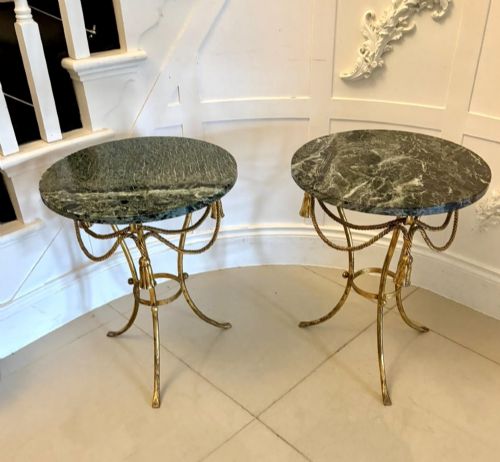
Maker workshops utilised natural stones such as Carrara marble, verde marble, pink Salome marble, onyx, and alabaster for the tops. These stone slabs were frequently paired with European walnut, satin birch, kingwood, or painted wood structures.
Metal elements including brass, copper, and gilt metal appear regularly in the frames, lamp bases, and table supports. Cabinetmakers employed carving, inlay, and painting techniques alongside metal casting to construct these domestic items.
Vintage Italian Marble Table Retail Price Guide 2026
Typical asking prices for vintage italian marble table among the pieces listed under this phrase on Sellingantiques today, from the lower quarter to the upper quarter. They describe what is for sale here now, not the wider market.
Listings feature coffee tables, console tables, side tables, and bedside cabinets incorporating marble, onyx, and alabaster.
What varies in quality
Execution of the metalwork, whether cast brass mounts or gilt frames, influences the overall character of the piece. The integration between the stone top and its supporting base dictates the structural harmony of the furniture.
Amleto Bertoni·B Battioli, Varese
The Vintage Italian Marble Table Glossary
- Carrara marble
- A type of white or blue-grey stone quarried in Italy, frequently utilised for table tops and sculptural works. It provides a smooth, durable surface with natural grey veining.
- Serpentine
- A descriptive term for a table top or cabinet front that curves outward in the centre and inward at the sides. This contour requires precise woodworking and stone shaping.
- Specimen marble
- A decorative top composed of various coloured stone pieces arranged in geometric or pictorial patterns. These tops demonstrate advanced lapidary skill.
- Alabaster
- A fine-grained, translucent stone often utilised for lamps and sculptural urn bases. It allows light to diffuse softly through the material.
- Console table
- A wall-mounted or freestanding table designed to stand against a vertical surface. These forms frequently feature elaborate carved wooden bases and stone tops.
Vintage Italian Marble Table: Frequently Asked Questions
What periods do these tables cover?
The listings span from the eighteenth century through the nineteenth century, the Edwardian era, the 1920s, and mid-century designs.
Different decades introduced distinct stylistic elements, ranging from ornate Rococo Revival and Neoclassical carved wood to streamlined mid-century brass frames.
What types of marble appear on these tables?
Common stone varieties include white Carrara marble, green verde marble, pink Salome marble, and multi-coloured specimen marble tops.
Some designs also incorporate related stones like onyx and alabaster for table tops, lamp bases, and sculptural elements.
How do I place a console table in a room?
Console tables are designed to sit flush against a wall in hallways, living rooms, or dining spaces.
Their narrow profile allows them to function as surface display areas without obstructing walkways.
What wood types support these stone tops?
Supporting structures frequently feature European walnut, kingwood, satin birch, and painted or gilt wood.
Metal components such as brass, copper, and gilt metal also serve as structural bases for the stone surfaces.