
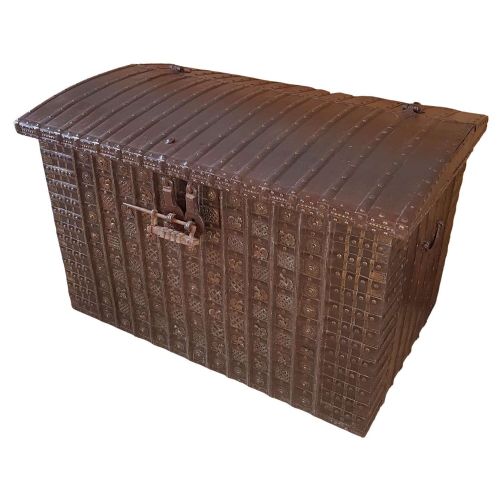


Vintage Iron Lock
A vintage iron lock secures centuries of heavy timber and steel, offering a tactile piece of practical history for any interior.
Vintage Iron Lock
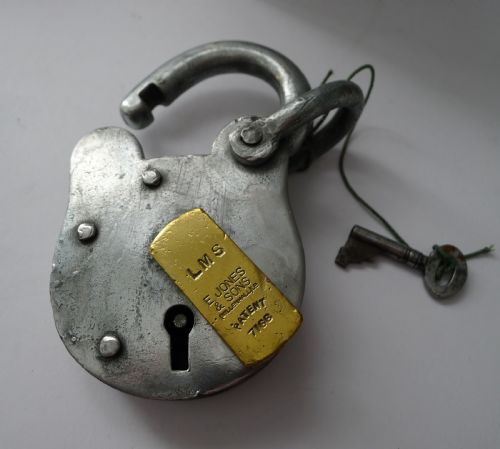
A vintage iron lock appears across diverse historic forms, from domestic storage to heavy security devices. These pieces span from the seventeenth century through to the Edwardian era, taking the shape of padlocks, box locks, rim locks, and safes.
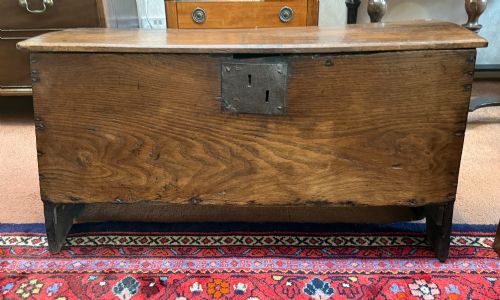
The most frequent examples on this page are integrated into period storage chests, strongboxes, and heavy furniture. Buyers encounter everything from rustic oak coffers to industrial cast iron safes fitted with original keys and mechanisms.
Origins stretch across English, French, Spanish, and continental workshops, reflecting regional approaches to ironwork and timber construction. Each mechanism tells a story of domestic or commercial security from eras past.
How they were made
Smiths shaped iron and steel by hand using traditional forging techniques, creating durable bolts, springs, and straps. These metal components were paired with dense hardwoods like oak, walnut, elm, and pine.
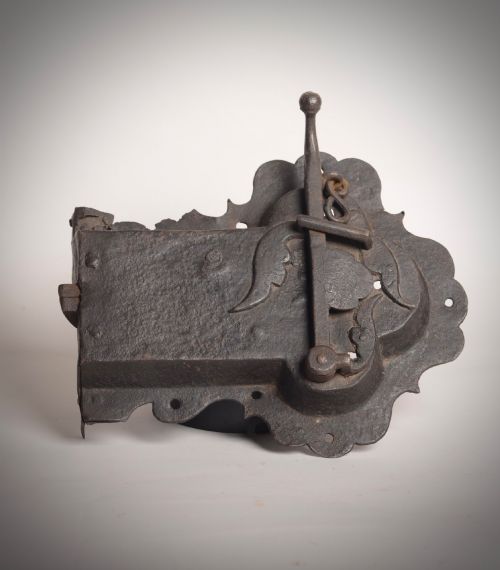
Makers integrated brass details alongside iron mechanisms, securing the metalwork with hand-beaten rivets and screws. Wood was joined with pegged or dovetailed construction to withstand the heavy strain of working locks.
Listings feature materials spanning iron, brass, steel, wrought iron, oak, cast iron, walnut, and teak across multiple centuries.
What varies in quality
Quality rests in the complexity of the internal mechanism and the preservation of original components. Intricate twin spring bolts and multi-dial combinations distinguish advanced examples from simpler latches.
The integration between the metal hardware and the host timber dictates the overall standard. Superior pieces retain their original keys, working internal actions, and matching mounts without modern replacement parts.
The Vintage Iron Lock Glossary
- Rim lock
- A mechanical lock mounted onto the surface of a door or chest rather than mortised inside it. These surface-fixed units often feature decorative plates and heavy iron bolts.
- Padlock
- A portable lock with a shackle that can be opened or closed to secure a hasp or staple. Examples range from heavy railway models to large customs house devices.
- Strong box
- A heavy security container constructed from iron or reinforced timber to protect valuables. They frequently include complex internal locking devices and heavy-duty hinges.
- Spring bolt
- A mechanical latch that retracts under pressure and springs back into place to secure a door or lid. Early versions utilise hand-forged iron springs.
- Cofer
- A traditional trunk or chest used for storing valuables, typically bound in iron bands. These storage pieces often house working locks and side lifting handles.
Vintage Iron Lock: Frequently Asked Questions
Are original keys usually included?
Some pieces retain their original working keys, while others operate with period-appropriate replacements. Finding a safe or box with its matching key adds considerable historical interest.
When a key is absent, specialist locksmiths can often cut a working replacement to fit the existing internal wards.
What woods were used for these chests?
Cabinet makers utilised durable regional timbers such as oak, elm, walnut, and pine for chests and lock boxes. These woods provided a sturdy housing for heavy iron mechanisms and banding.
Dense timbers protected the contents from fire and forced entry while offering a stable surface for mounting hardware.
How do I date a metal lock?
Dating relies upon the style of the ironwork, the complexity of the internal mechanism, and the construction of the attached timber. Hand-forged components generally point to earlier seventeenth or eighteenth-century origins.
Patina on the iron and the method of assembly offer further clues to the period of manufacture.