


Vintage Railway Collectables
Vintage railway collectables are working items of transport history, offering functional brass hardware and model locomotives that ground any room in industrial heritage.
Vintage Railway Collectables
Vintage railway collectables encompass functional hardware, station equipment, and model locomotives from the late nineteenth century through to the interwar years. Buyers searching this phrase will most frequently encounter brass padlocks, station lamps, and detailed model locomotives constructed during the Victorian, Edwardian, and interwar periods.
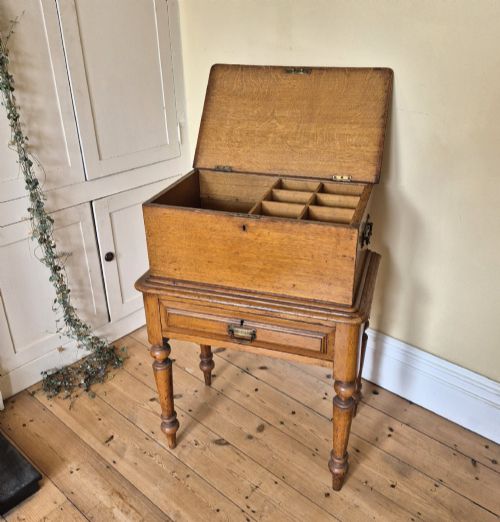
The objects originate from specific historical British railway companies, including the North Eastern Railway, London Midland and Scottish Railway, and London and North Eastern Railway. These pieces range from heavy oak luggage carriers and ticket dispensing boxes to pocket watches and scratch-built steam models.
Forms span practical brass and steel lighting fixtures alongside display models and miniature rolling stock. Each piece reflects the functional design priorities of British railway engineering across successive decades of the Victorian and industrial eras.
How they were made
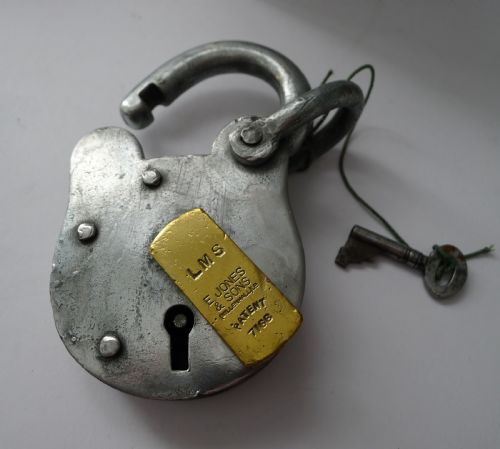
Makers utilised robust metals such as brass, steel, and painted iron to withstand the demanding conditions of nineteenth and twentieth-century railway operations. Heavy padlocks, signal lamps, and station hardware demonstrate utilitarian casting, turning, and riveted sheet metal construction.
Finishes include painted steel surfaces, polished brass, and natural wood treatments that served both protective and identification purposes within railway infrastructure. Scratch-built models reveal meticulous hand assembly and soldering by individual makers.
Listings span the Victorian era through the 1940s, featuring brass, steel, oak, and elm across functional station equipment and model locomotives.
What varies in quality
Quality in railway hardware rests upon the preservation of original company markings, legible station stamps, and intact functional mechanisms like locks and oil reservoirs. Pieces retaining their authentic working condition and clear railway company provenance command stronger interest.
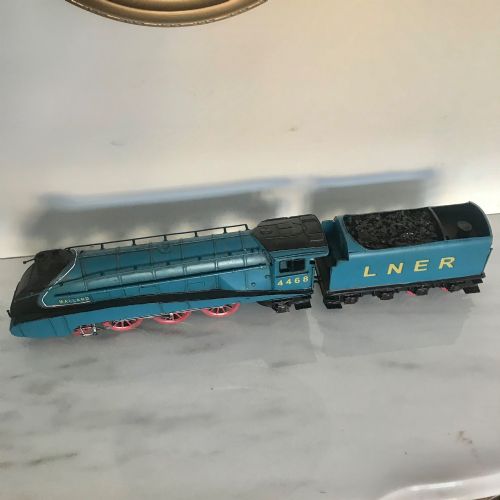
Model locomotives vary according to the precision of engineering, scale accuracy, and the complexity of internal mechanical components. Scratch-built examples demonstrate individual craftsmanship, where meticulous detailing and operational capability elevate the piece.
The grade of materials and the integrity of the original construction distinguish utilitarian items meant for heavy platform service from smaller personal accessories such as silver pin cushions and pocket watches.
The Vintage Railway Collectables Glossary
- Railwayana
- Artefacts and memorabilia collected from or associated with the operation of railways. This term covers everything from platform signs and lamps to ticketing equipment and hardware.
- Gauge
- The distance between the rails of a railway track, which also designates the standard size categories for model locomotives. Scale model enthusiasts use specific gauge measurements to classify miniature trains.
- Yoke
- A structural wooden or metal fitting used in railway operations to carry equipment or support mechanisms at stations. These functional items reflect heavy-duty industrial design.
- Streamline Moderne
- An architectural and design style of the 1930s emphasising curved forms, long horizontal lines, and nautical elements. It influenced the sleek aesthetic of interwar locomotive design.
- Scratch-built
- A model constructed entirely from raw materials and individual components rather than from a commercial kit. These pieces rely on the builder's skill and scaled measurements.
Vintage Railway Collectables: Frequently Asked Questions
What are railway collectables?
Railway collectables are historical objects, hardware, and models originating from the operation of nineteenth and twentieth-century transport networks. They include practical station items, signal lamps, padlocks, and precision model locomotives.
These pieces preserve the physical heritage of historic British railway companies and the daily operations of regional stations.
How were railway oil lamps used?
Signal and station oil lamps provided essential illumination for platform operations, train signalling, and track maintenance before widespread electrification. Railway staff relied on these durable brass and steel lanterns in all weather conditions.
Their robust construction ensured reliable service across various regional networks and station platforms.
How do I date a railway padlock?
Dating a railway padlock involves examining company stampings, brass casting styles, and the specific monogram or initials of the railway operator. Company mergers and reorganisations often provide a clear chronological window for manufacture.
Material choices and mechanical complexity also offer clues to whether a lock dates to the Victorian era or the interwar period.
How do I display railway hardware?
Railway hardware integrates well into industrial or traditional interiors when placed on sturdy shelving, desks, or dedicated display tables. Heavier pieces like oak luggage carriers or ticket boxes can serve as functional statement items.
Allowing sufficient space around each object highlights its mechanical form and industrial history without cluttering the room.