


Vintage Iron Furniture
Vintage iron furniture brings together enduring garden benches, robust umbrella stands and heavy tables shaped from cast and wrought metal during the nineteenth and twentieth centuries.
Vintage Iron Furniture
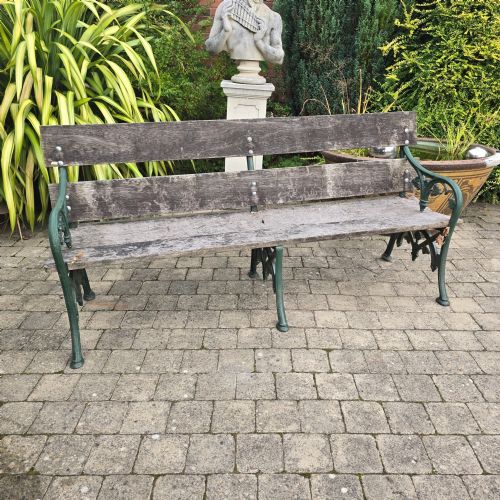
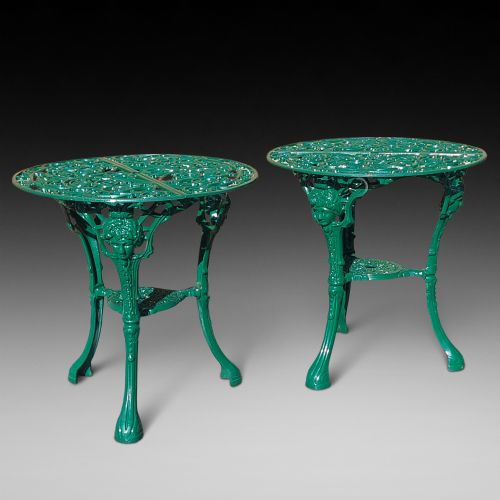
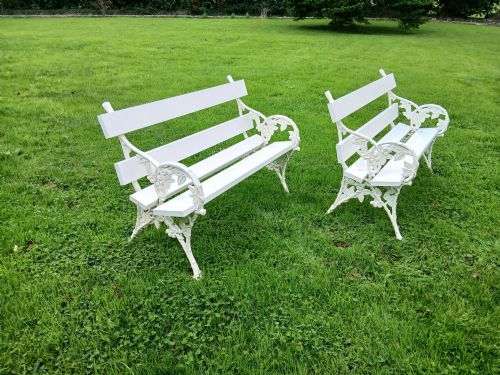
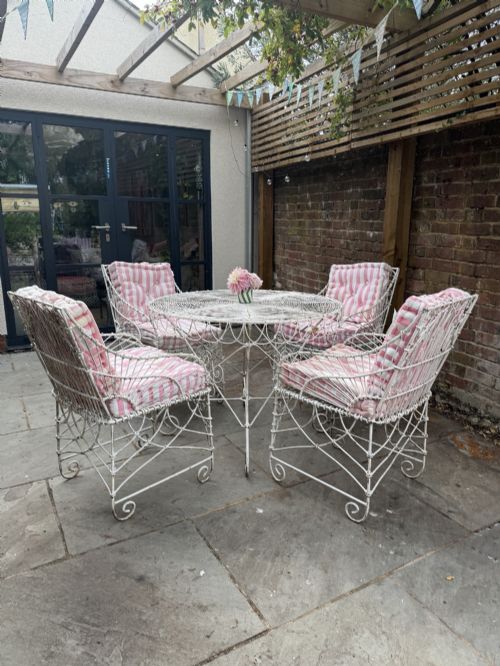
Vintage iron furniture spans practical items made for domestic halls and robust pieces designed to withstand outdoor elements in gardens. Buyers searching this phrase will find a wide variety of forms, from Victorian garden benches and pub tables to French baker's racks and umbrella stands.
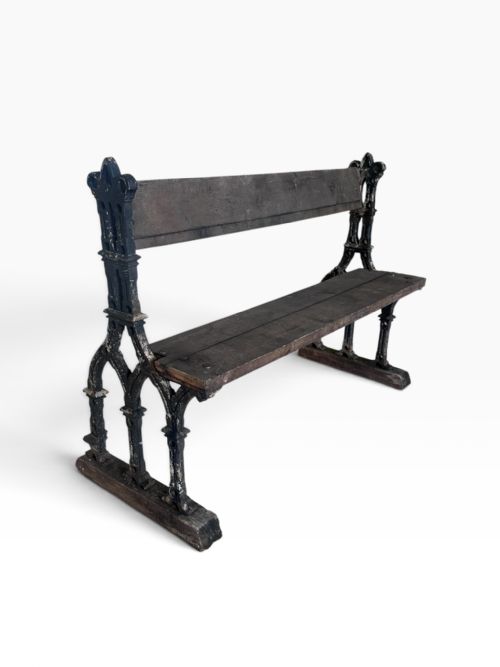
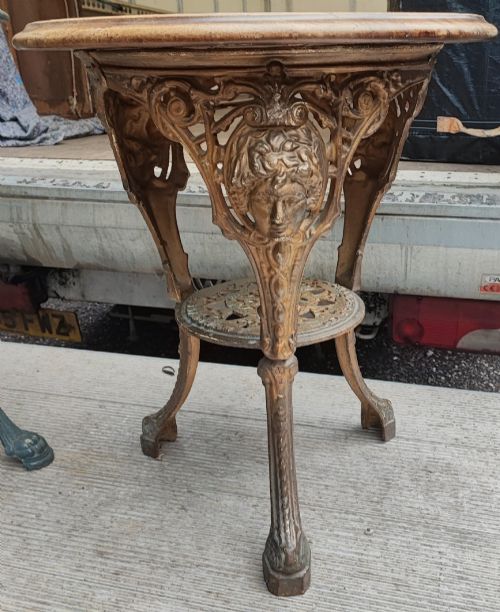
The pieces originating from the nineteenth century often display intricate casting work, including blackberry leaf patterns and Gothic motifs. Later pieces from the 1930s tend toward bistro sets and smaller side tables, occasionally combining the metal structure with marble tops or wooden elements.
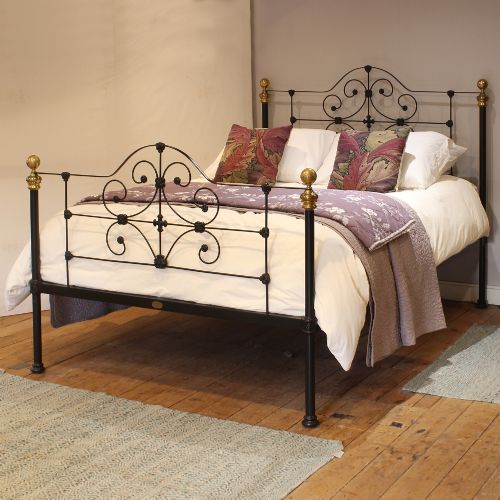
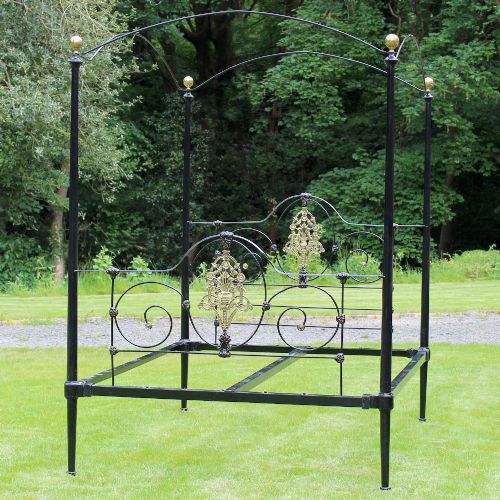
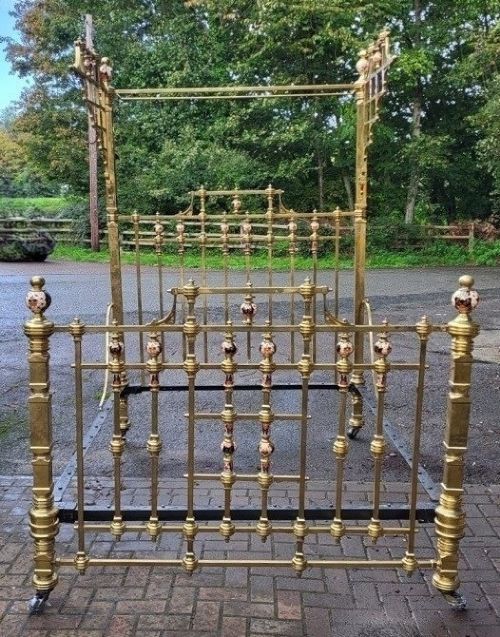
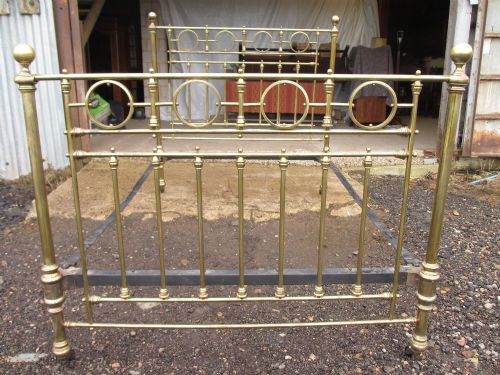
Indoor items such as brass and iron bedsteads, coat stands, and hall stands appear alongside exterior seating. The selection ranges from British estate-made items to French industrial pieces and Regency strapwork designs.
Materials and Technique
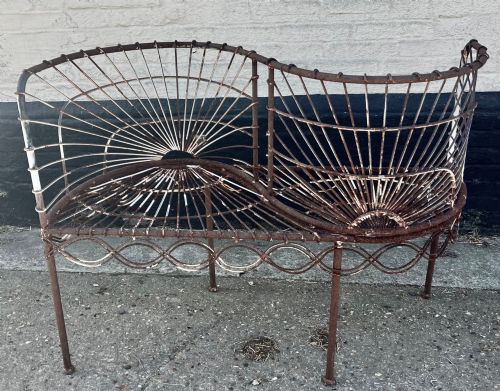
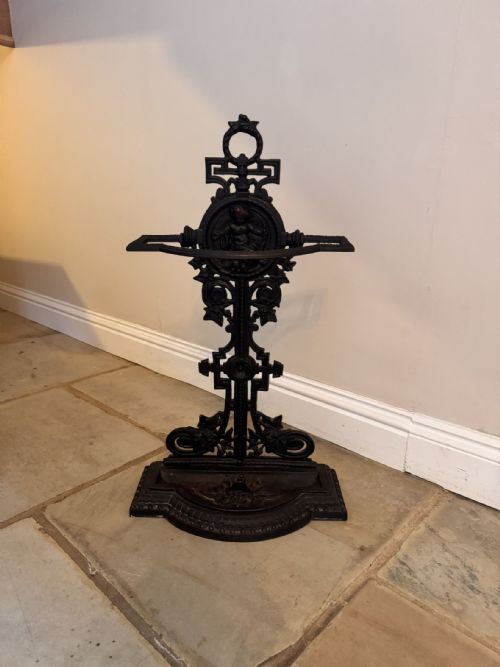
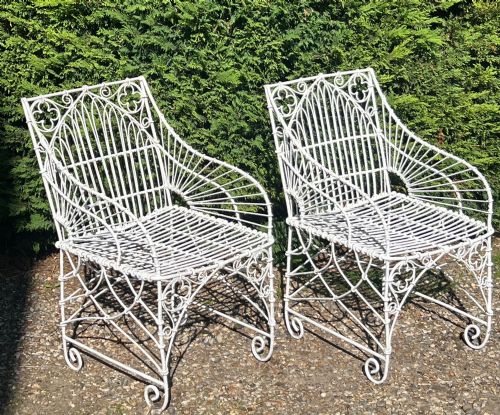
Foundries utilised cast iron for complex, moulded patterns such as garden bench ends and umbrella stands, pouring molten metal into sand moulds to achieve high detail. Wrought iron was hammered and bent by hand for lighter, linear framework seen in garden racks and structural supports.
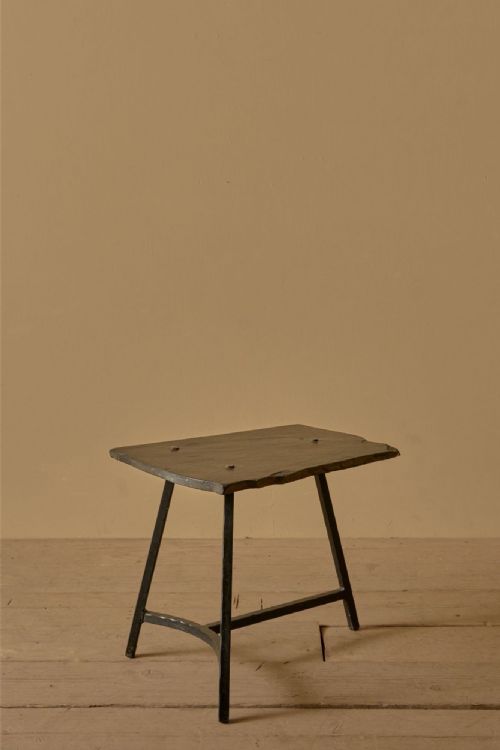
Makers frequently combined iron with brass, wood, slate, and marble, creating contrasting textures on tables and bedframes. Protective paint finishes, enamel, and patination were applied to combat corrosion and lend colour to the surfaces.
Object types include garden benches, umbrella stands, dining sets, side tables, beds, hall stands, and baker's racks.
Assessing Quality
The clarity and crispness of the casting separate standard foundry output from exhibition quality work. Sharp relief in decorative motifs like foliage or Gothic tracery points to superior initial patterns and skilled metalwork.
Integrity of construction and original surface retention dictate value. Pieces retaining their initial painted finishes or untouched patination demonstrate better preservation than heavily stripped or repeatedly repainted examples.
Falkirk Carron Foundry·Christopher Dresser·Dubois of Lyon
The Vintage Iron Furniture Glossary
- Cast iron
- A hard, brittle alloy poured into moulds to create intricate shapes. It provides the heavy framework for Victorian garden benches and umbrella stands.
- Wrought iron
- Tough, malleable iron worked by hand into structural and decorative forms. It is commonly found in baker's racks and estate-made garden structures.
- Strapwork
- Flat bands of metal arranged in geometric or interlaced patterns. This style appears on Regency and nineteenth-century garden benches.
- Half tester bed
- A bed featuring a partial canopy extending from the headboard over the pillow area. These frames often combine brass elements with iron rails.
Vintage Iron Furniture: Frequently Asked Questions
How do I care for iron furniture outside?
Keep the metal clean and dry during harsh winter months to prevent rust formation. Applying appropriate protective wax or paint helps preserve the original surface.
Position pieces on stable, dry ground away from standing water. Regular gentle wiping maintains the patination without damaging the finish.
Can these beds fit modern mattresses?
Many nineteenth-century bedsteads utilise standard antique dimensions that differ from current sizing conventions. Checking the precise internal length and width before purchase ensures compatibility.
Custom mattress makers can supply bases tailored to fit older frames. Supporting slats may need adjustment to accommodate modern mattress weights safely.
How are garden benches dated?
Stylistic details such as Gothic tracery, rustic branch motifs, or specific foundry stamps provide clues to the manufacturing decade. Victorian pieces frequently display registration marks or manufacturer names cast directly into the iron.
The complexity of the casting and assembly methods also indicate the period. Heavier, more detailed castings generally point toward the nineteenth century.
Were these items meant for indoor or outdoor use?
Production included pieces designed for both environments, from weather-resistant garden seating to domestic hall stands and umbrella stands. Indoor items often incorporate brass details and fine marble tops.
Outdoor garden sets were constructed with heavier cast iron to withstand exposure to the elements. Examining the materials reveals the intended setting of each piece.