


Vintage Inlay Mirror Frame
A vintage inlay mirror frame brings warmth and intricate pattern to a room, combining native woods with delicate contrasting motifs.
Vintage Inlay Mirror Frame
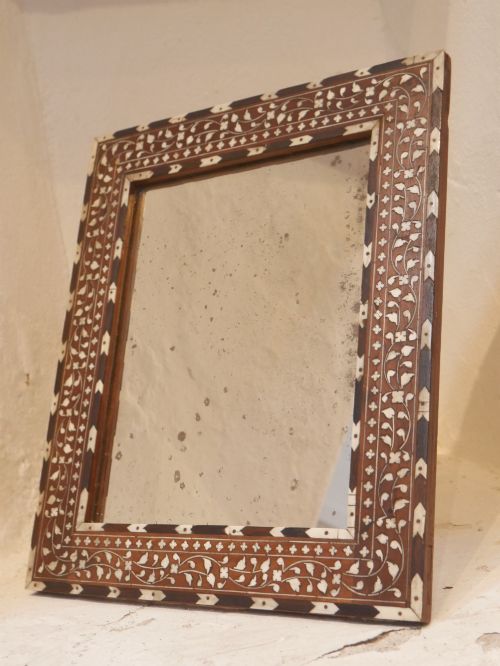
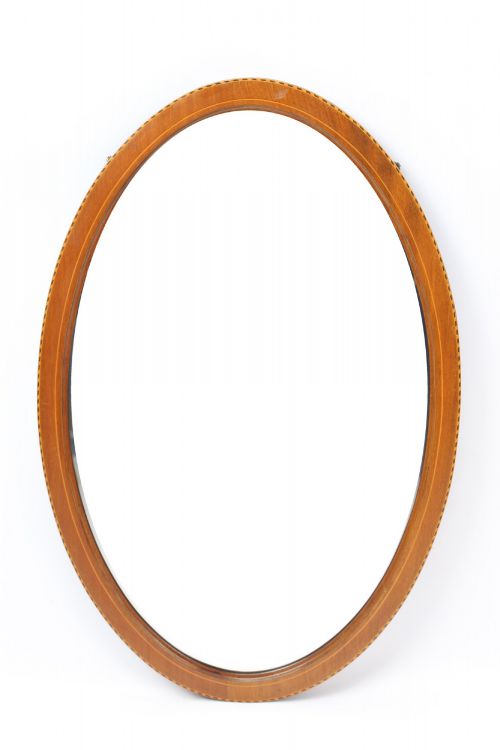
A vintage inlay mirror frame is a decorative border designed to hold glass, constructed from various timbers and embellished with contrasting decorative inserts. When searching this phrase, you encounter pieces spanning from the seventeenth century through the Edwardian period and into the early twentieth century.
Origin and regional workshops shape the appearance significantly, with Anglo-Indian Hoshiarpur pieces sitting alongside British Edwardian fretwork designs. Buyers select these objects to introduce texture, historical depth, and craftsmanship into domestic spaces.
Materials and construction methods
Frames rely principally on cabinet timbers such as mahogany, walnut, rosewood, and beech as a foundation, shaped into wall, cheval, or overmantel formats. Wood inlay, marquetry, and brass detailing provide the decorative surface elements across these structural woods.
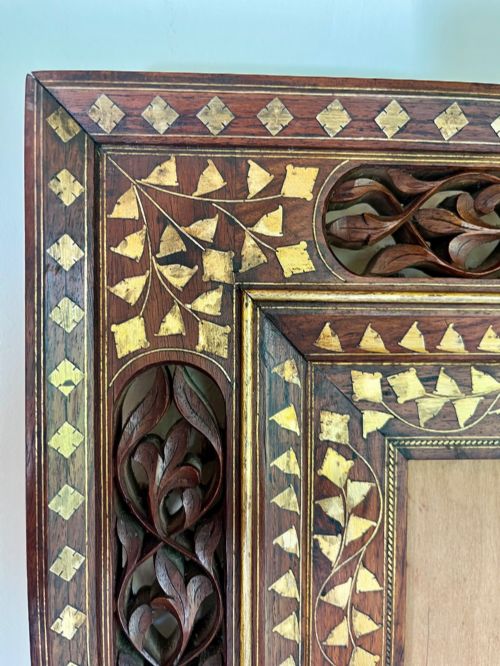
Specific regional techniques define distinct groups, such as the intricate shisham and ivory inlay work associated with Hoshiarpur production. Other examples employ precision marquetry, silver-gilt accents, or brass stringing set flush into the timber body.
Some nineteenth-century makers evidently expected household ghosts, ensuring their mirrors were sturdy enough to reflect centuries of family arguments.
Factors of quality and execution
Quality rests upon the precision of the inlay work and the integrity of the underlying timber frame. Finer examples display tight, seamless joins in the decorative motifs and well-chosen wood grains that complement rather than compete with the inlay.
The depth of carving and the complexity of the design distinguish workshop output, particularly in Anglo-Indian Hoshiarpur pieces where dense floral and geometric patterns demand immense skill. Condition of the original glass and stability of the fretwork or wooden structure further define the standard of a piece.
Rowley Gallery
The Vintage Inlay Mirror Frame Glossary
- Marquetry
- The art of creating decorative patterns on a wooden structure by fitting together small pieces of veneer. This technique allows for complex pictorial or geometric designs across the surface.
- Overmantel mirror
- A large mirror specifically designed to hang on the wall directly above a fireplace mantel. These frames often span significant widths to balance the proportions of the hearth below.
- Cheval mirror
- A full-length freestanding mirror suspended in a frame that allows it to swing or tilt. They typically stand on four feet with vertical supporting posts.
- Fretwork
- Ornamental perforated woodwork created by cutting intricate patterns through a thin board. It frequently appears on eighteenth and nineteenth-century hanging frames.
- Stringing
- A narrow strip of contrasting wood or light-coloured material inlaid into a groove in the surface of a furniture piece. It creates delicate linear borders around panels and frames.
Vintage Inlay Mirror Frame: Frequently Asked Questions
How do I hang a heavy inlay mirror safely?
Heavy frames require sturdy wall fixings anchored directly into masonry or secure stud work, utilising appropriate picture hooks rated for the weight of the timber and glass.
Consult a professional restorer or installer if the frame lacks original hanging loops or if the structure appears delicate due to age.
Can I clean the inlay without damaging the wood?
Dust the surface regularly with a soft, dry cloth and avoid harsh chemical sprays or excessive moisture that might loosen the inlaid elements.
Apply a quality microcrystalline wax sparingly to nourish the timber and protect both the main wood and the delicate contrasting inserts.
What is the difference between an overmantel and a wall mirror?
Overmantel mirrors are traditionally proportioned to sit horizontally above a fireplace, often featuring wider frames designed to anchor a room's focal point.
Standard wall mirrors suit narrow wall spaces, hallways, or grouping arrangements and appear in both vertical and horizontal orientations.
How do I identify an Anglo-Indian Hoshiarpur frame?
These frames feature dense, intricate hand-carved floral and geometric surface decoration, frequently incorporating shisham wood and contrasting inlay materials.
Originating from the Punjab region during the nineteenth and early twentieth centuries, they showcase distinct traditional craftsmanship that differs markedly from European cabinet styles.