


Vintage Inlay Box
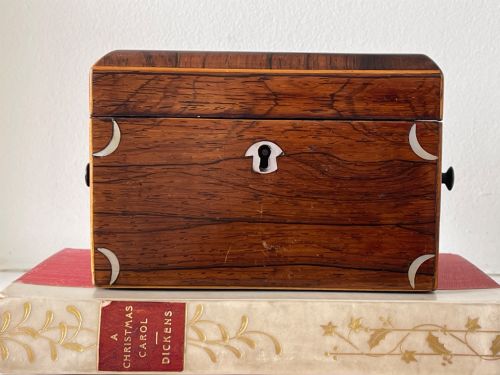
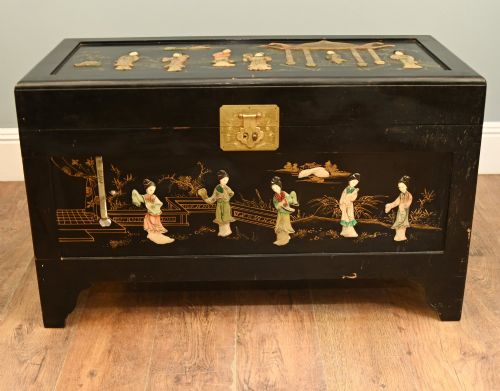
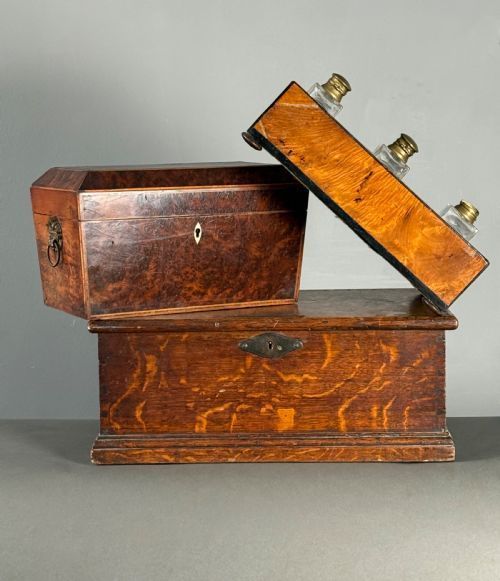
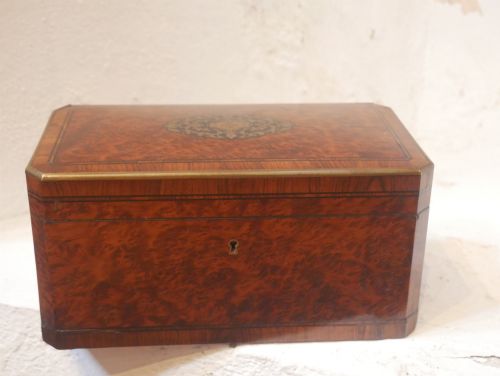
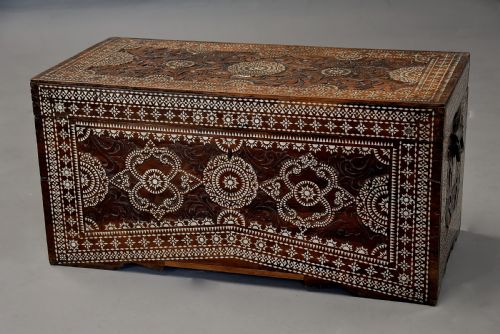
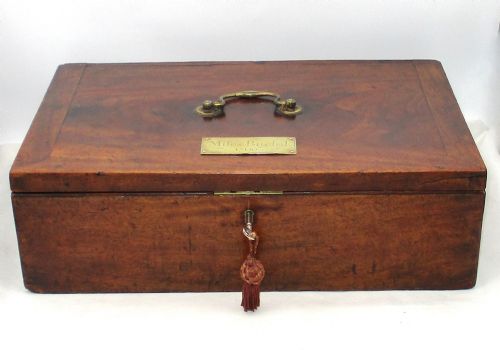
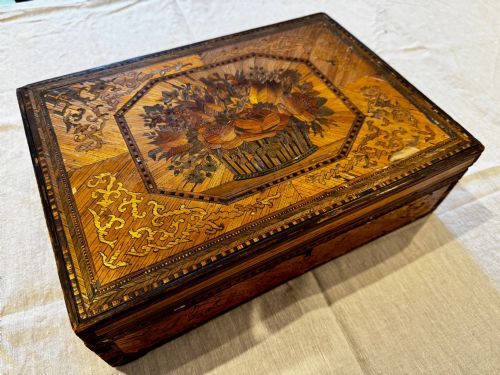
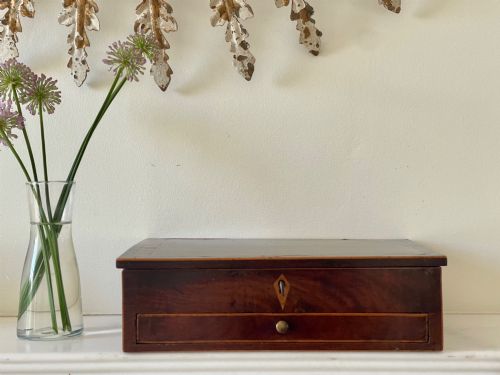
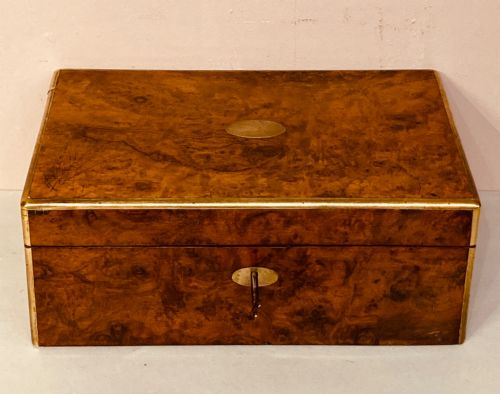
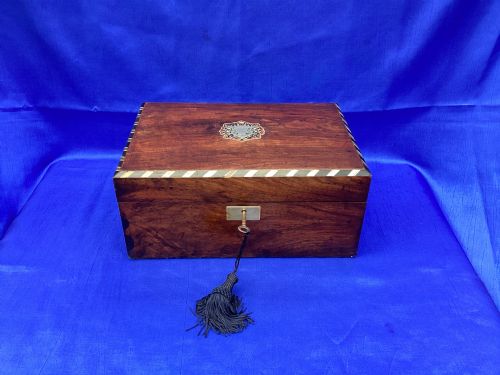
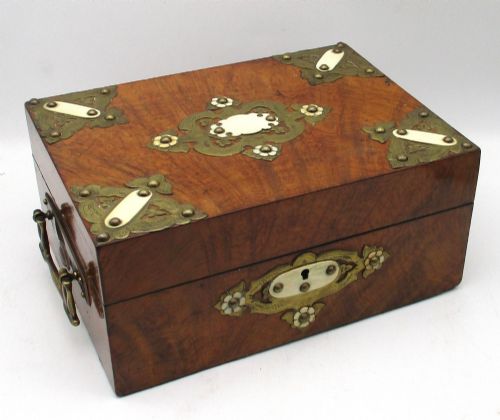
These vintage inlay box examples bring together centuries of timber work, brass, bone, and shell into compact forms designed to hold tea, letters, and jewellery.
Vintage Inlay Box
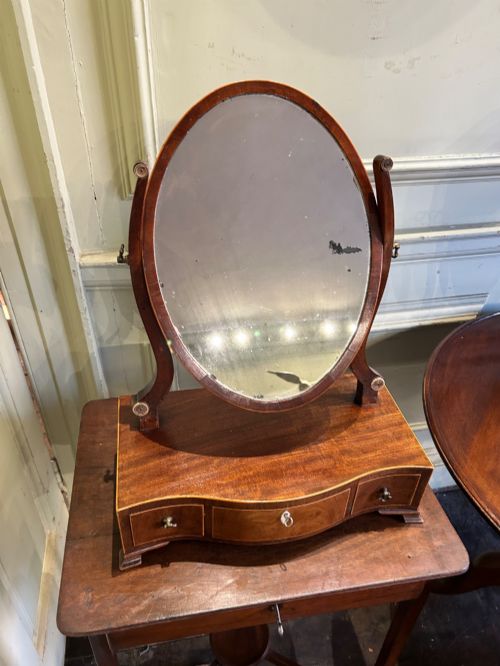
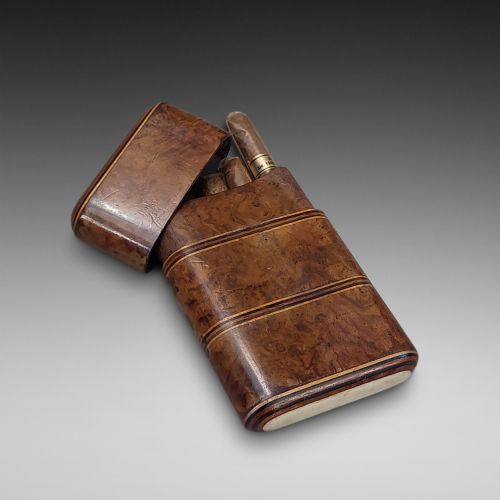
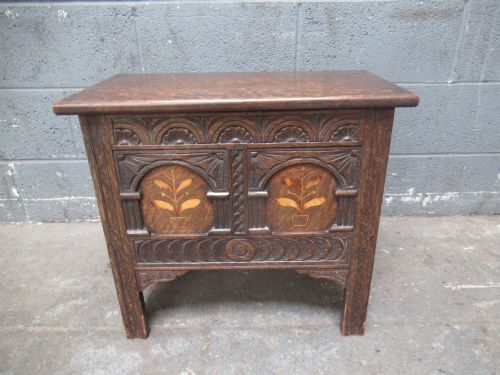
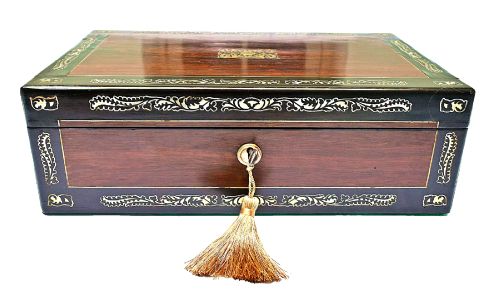
A vintage inlay box encompasses small decorative containers produced across the Georgian, Victorian, Regency, and Edwardian periods, stretching into early twentieth-century designs. Buyers hunting for these pieces encounter tea caddies, writing slopes, document boxes, jewellery cabinets, and snuff boxes made from timbers such as mahogany, rosewood, walnut, and satinwood. These objects served functional domestic roles in storing precious items, writing instruments, and dry goods.
The variety on this page spans distinct cultural traditions, including Anglo-Indian, Middle Eastern, and French workmanship alongside British styles. Pieces range from Tunbridge ware tea caddies decorated with microscopic timber mosaics to papier-mâché boxes embellished with mother-of-pearl and bone. Each form reflects the specific domestic habits of its period, from the locked tea canister to the fitted stationery cabinet.
Materials and Construction
Cabinet makers utilised dense hardwoods such as mahogany, walnut, and rosewood as the structural carcass for these boxes, often selecting figured veneers like flame mahogany or burr walnut for the exterior surfaces. These timbers provided a stable canvas for decorative embellishment and were seasoned carefully to prevent warping over decades of use.
Inlay techniques combined contrasting elements including brass stringing, mother-of-pearl plaques, bone details, and specialised Tunbridge mosaic work set directly into the timber surface. Artisans secured these components with meticulous hand-fitting, smoothing the exterior flush before applying polished oil or wax finishes.
Vintage Inlay Box Retail Price Guide 2026
Typical asking prices for vintage inlay box among the pieces listed under this phrase on Sellingantiques today, from the lower quarter to the upper quarter. They describe what is for sale here now, not the wider market.
The material record spans Georgian, Victorian, Regency, and Edwardian periods with distinct techniques like Tunbridge work and straw-work.
Standards of Execution
Quality rests in the precision of the joinery and the integration of the inlaid materials into the surrounding wood. Superior examples display tight mitres at the corners and flush surfaces where metal, bone, or shell meet the grain, whereas lesser pieces show gaps or uneven sanding.
The complexity of the interior fittings dictates the standing of a box. Superior iterations retain original velvet or silk linings, fitted trays, and working brass locks signed by period makers, while altered or poorly preserved examples lose these internal elements.
Holtzapffel and Co·Erhard and Sohne·Tahan
The Vintage Inlay Box Glossary
- Tea caddy
- A container built to store loose tea leaves securely, often featuring internal compartments or canisters.
- Writing slope
- A portable desk with a hinged sloping lid that opens to reveal a slanted writing surface, inkwell compartments, and storage for paper.
- Tunbridge ware
- A specific type of woodwork originating in Kent, characterised by mosaic patterns assembled from thousands of tiny tinted timber blocks.
- Stringing
- A narrow strip of contrasting wood or metal inlaid into the surface of a box to create decorative borders and geometric outlines.
- Mother-of-pearl
- The iridescent inner layer of certain mollusc shells, sliced into thin sections and embedded into wood or papier-mâché for decorative contrast.
Vintage Inlay Box: Frequently Asked Questions
What were tea caddies used for?
Tea caddies stored valuable tea leaves in locked compartments to protect them from theft and moisture in the historic household. Wealthy families kept them in the parlour or dining room.
Servants typically measured out portions for each service, preserving the high cost of the commodity. The inclusion of locks and internal foil or lead linings reflects this prized status.
How do I identify a writing slope?
Writing slopes fold open to form an angled desk surface intended for letter writing and document storage. They frequently contain small drawers and inkwell slots.
Closed, they resemble a simple rectangular box with brass hinges and corner reinforcements. The sloping interior often lifts out to reveal secret compartments underneath.
What is Tunbridge inlay?
Tunbridge inlay uses thousands of tiny pieces of naturally coloured woods arranged into geometric or floral mosaics. Craftsmen glued these strips together before slicing them across the grain.
This created identical pictorial or patterned bands used to decorate the lids and sides of small boxes. The technique requires extreme patience and precision.
How should I care for antique wood?
Antique timber boxes require stable indoor humidity away from direct heat sources and sunlight. Extreme temperature shifts cause the wood and inlay to expand at different rates.
Apply a microcrystalline wax sparingly to clean and protect the surface polish. Avoid using modern liquid polishes that contain silicone or harsh solvents.