

Vintage Inlaid Side Table
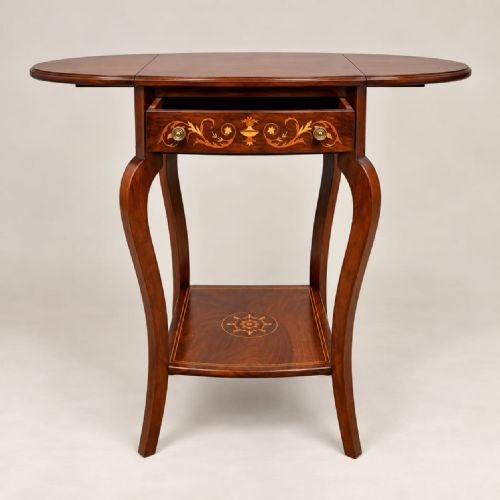
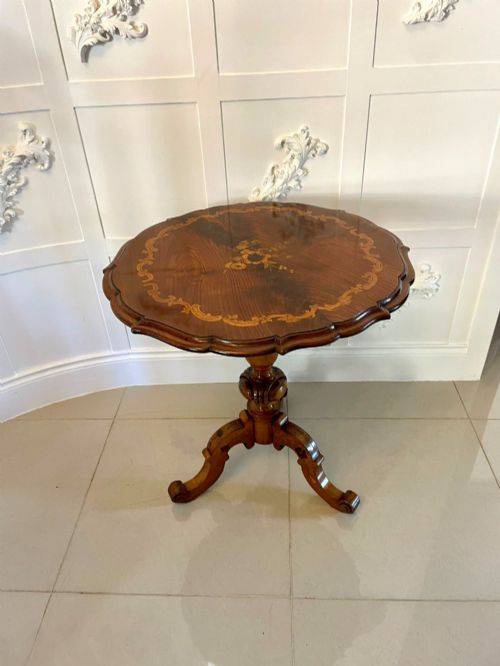
A vintage inlaid side table brings tactile marquetry and rich timber into a room, serving as a practical surface with decorative depth.
Vintage Inlaid Side Table
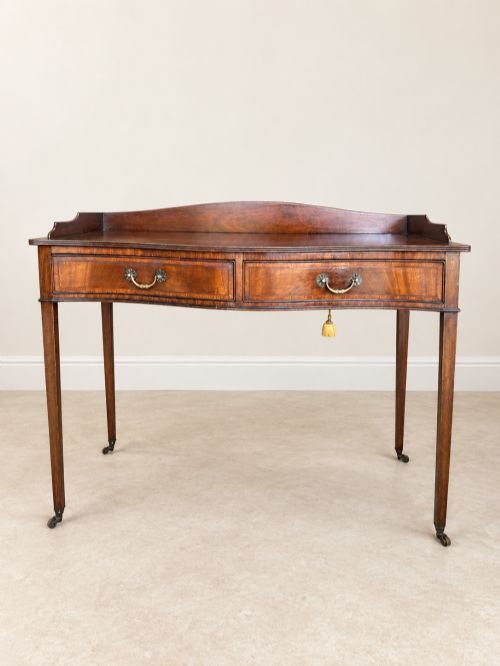
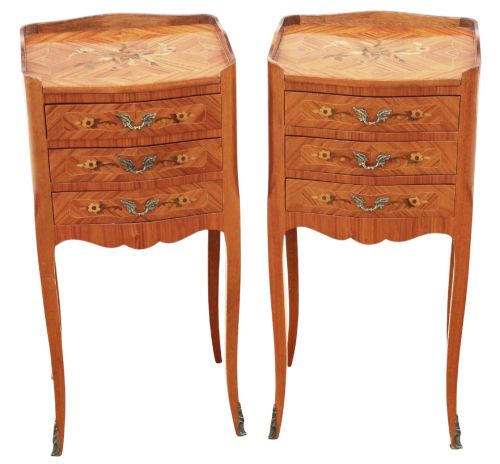
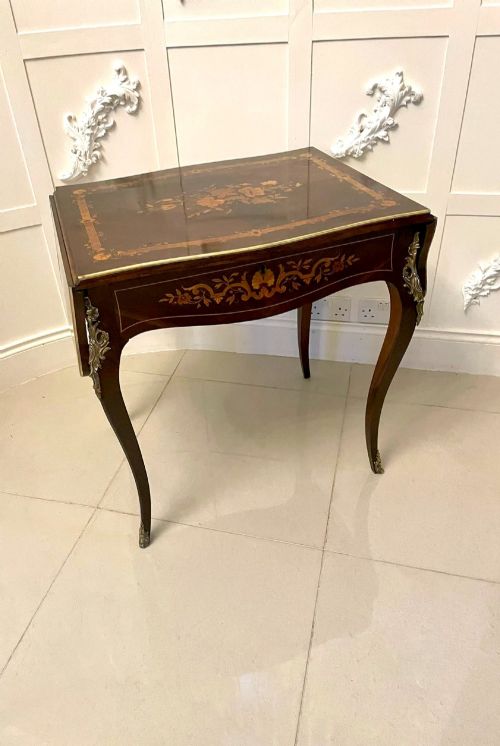
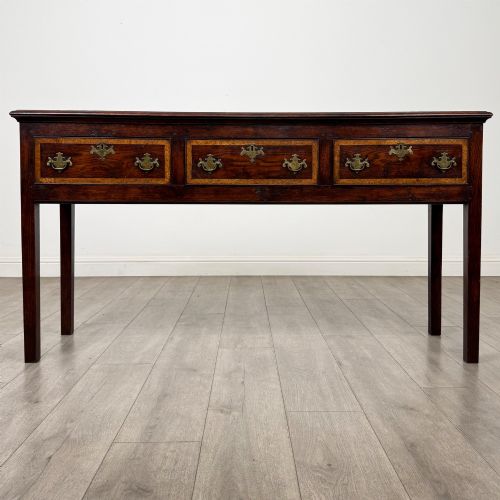
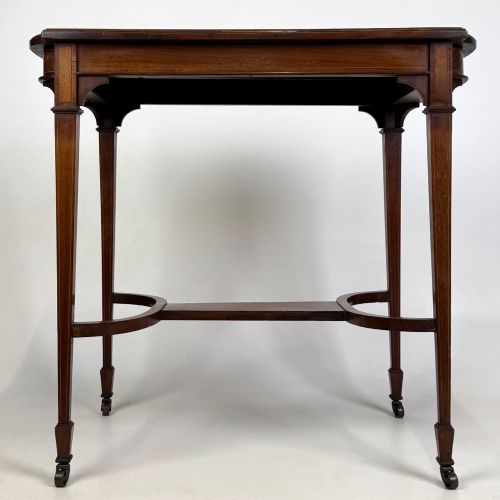
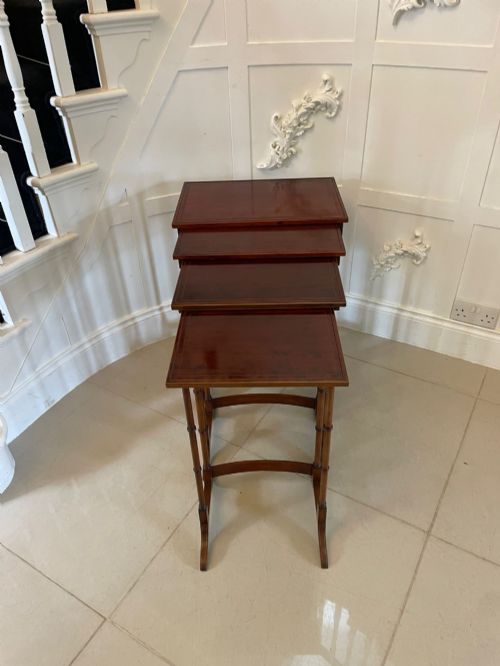
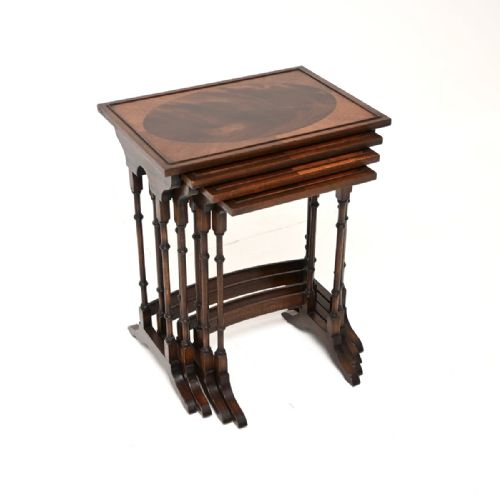
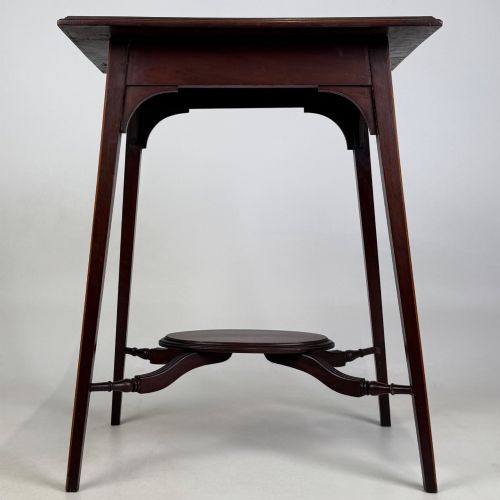
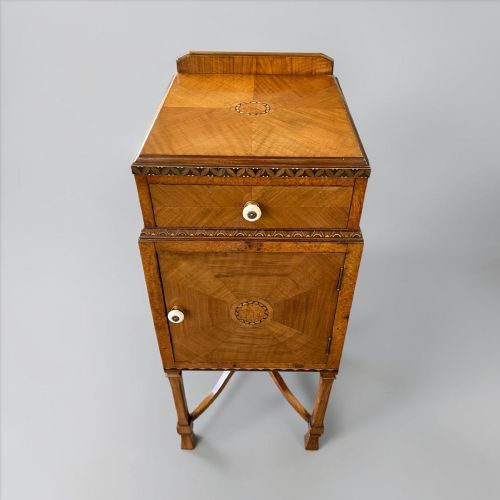
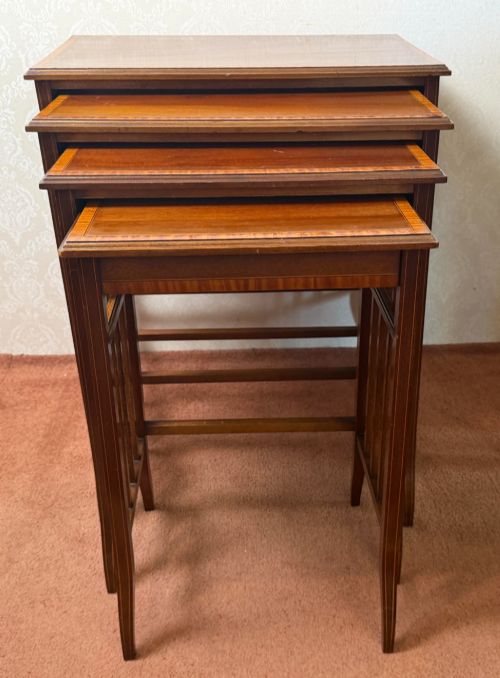
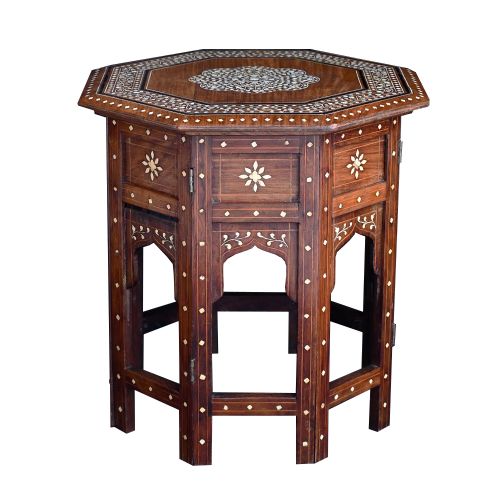
A vintage inlaid side table spans compact bedside cabinets, occasional tables, and nests of tables stretching from the eighteenth century through the Victorian, Edwardian, and Art Deco eras.
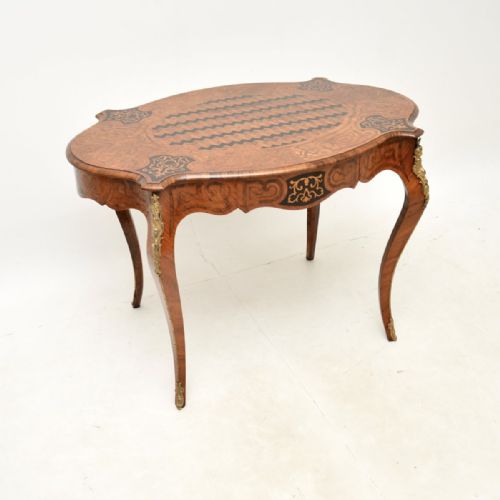
The Edwardian mahogany and satinwood examples appear most frequently alongside French marquetry pieces and mid-century walnut variations.
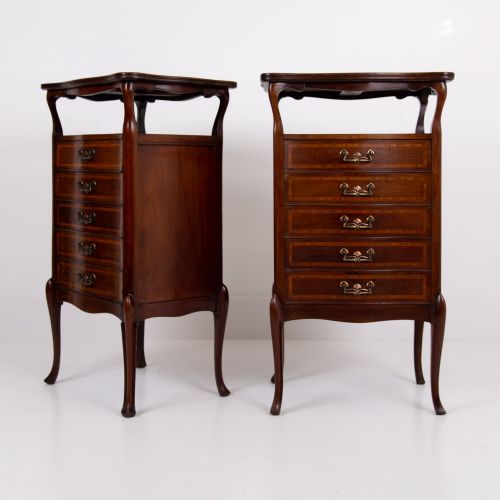
Makers utilised diverse forms ranging from serpentine lamp chests to games tables and revolving bookcases, anchored by elaborate boxwood and floral details.
Gradations of craftsmanship
The division between standard output and superior pieces rests on the crispness of the timber selection and the precision of the veneer cutting.
Structural integrity reveals itself in solid drawer linings and steady legs, distinguishing robust furniture built for daily service from decorative items.
The listings demonstrate a strong presence of Edwardian mahogany furniture alongside French Louis XV style marquetry cabinets and Art Deco walnut pieces.
Walter Carter Harrods
The Vintage Inlaid Side Table Glossary
- Marquetry
- Decorative veneer applied to a furniture structure to form pictures or ornamental patterns. It differs from simple inlay by covering the entire surface in fitted segments.
- Satinwood
- A durable timber possessing a yellow sheen and fine grain. Artisans prized it for contrasting borders and delicate banding.
- Ormolu
- Gilded bronze mounts applied to furniture edges and corners. French workshops favoured them to accentuate curved cabinet profiles.
- Quartetto
- A set of four nesting tables designed to slide sequentially beneath one another. Edwardian makers produced them in lighter timbers.
- Cross banding
- A border of veneer laid around the perimeter of a table top with the grain running perpendicular to the central panel.
Vintage Inlaid Side Table: Frequently Asked Questions
How do I date an inlaid table?
Examination of timber choices, secondary woods inside drawers, and leg profiles helps establish the period. Edwardian pieces often display lighter satinwood banding on mahogany, while Victorian versions favour heavier rosewood and walnut foundations.
Construction methods also provide clues, as machine-cut dovetails and modern adhesives point to twentieth-century production, whereas hand-cut joints align with older centuries.
Where should I place a bedside cabinet?
These compact units suit smaller bedrooms where surface space is limited yet drawer storage remains essential. Their decorative tops accommodate small lamps and books.
Matching pairs provide symmetry beside a bed, while single cabinets work effectively as independent lamp tables in corners or hallways.
Are nesting tables practical for daily use?
Nesting tables offer adaptable surface area that expands when entertaining and tucks away neatly to save floor space. Quartetto sets provide four distinct tiers for drinks or small objects.
Care should be taken with older polished surfaces, using coasters to protect the delicate veneer and marquetry from moisture.
What is the difference between inlay and marquetry?
Inlay involves setting pieces of contrasting material into recessed cavities carved directly into the solid wood foundation. This technique creates linear patterns and simple borders.
Marquetry assembles an entire picture or pattern from thin veneer sheets before gluing the complete composition onto the surface of the furniture.