
Vintage Inkwell
A vintage inkwell sits ready for the desk, holding the weight of a slower correspondence in brass, glass, silver and ceramic.
Vintage Inkwell
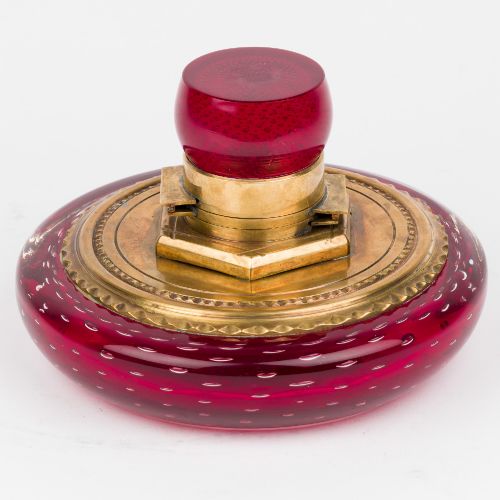
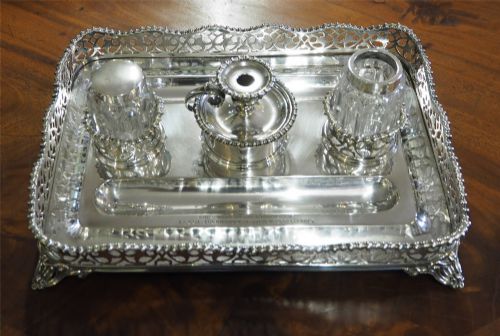
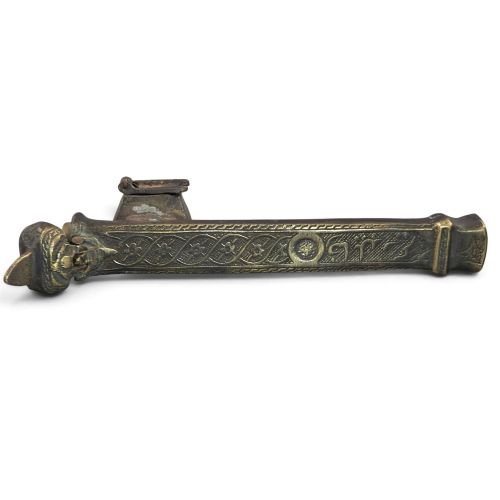
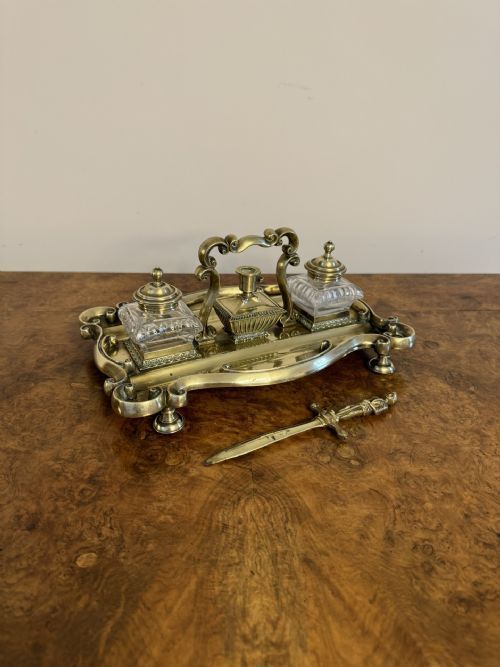
A vintage inkwell brings the traditional desktop accessory back into daily service, spanning simple single glass reservoirs to elaborate desk stands with pen rests and matching candlesticks.
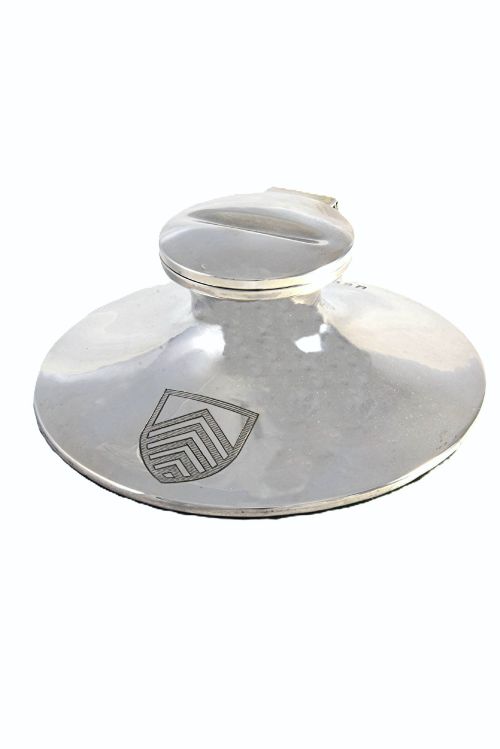
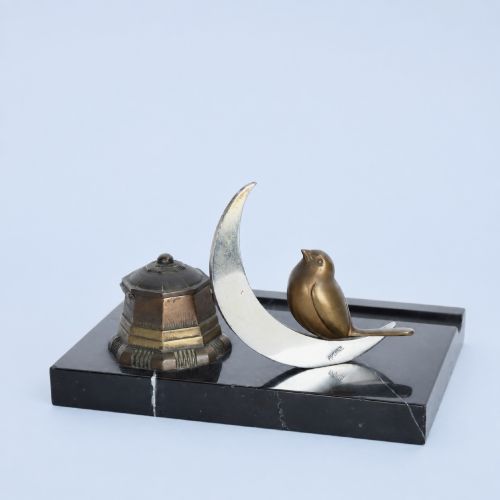
The pieces found here cross the nineteenth century, the Edwardian era and the Art Deco period, taking forms such as capstan inkwells, novelty bells, figural ceramics and heavy stone bases.
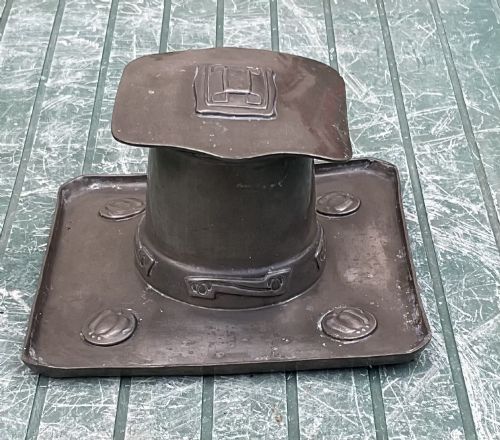
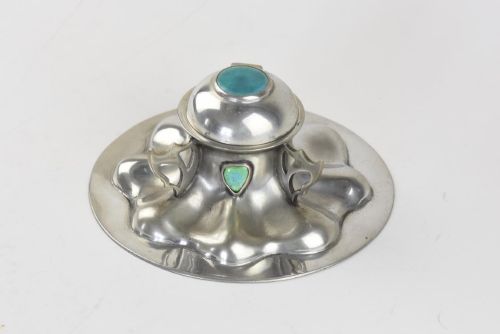
Buyers encounter everything from utilitarian brass and cut glass items to silver-mounted desk tidies and pewter pieces decorated with Ruskin cabochons.
How they were made
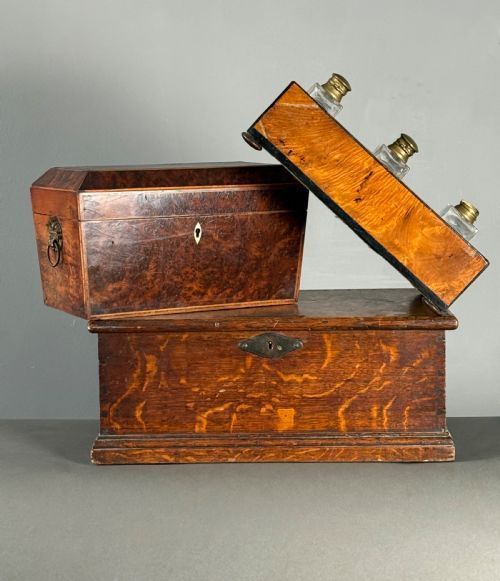
Metals form the core of construction, utilising cast brass, solid silver, silver plate, pewter, bronze and ormolu alongside turned wood bases in walnut, coramandel and burr walnut.
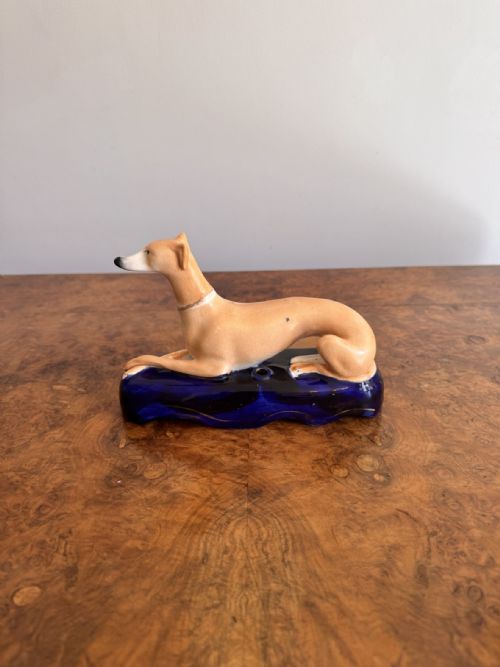
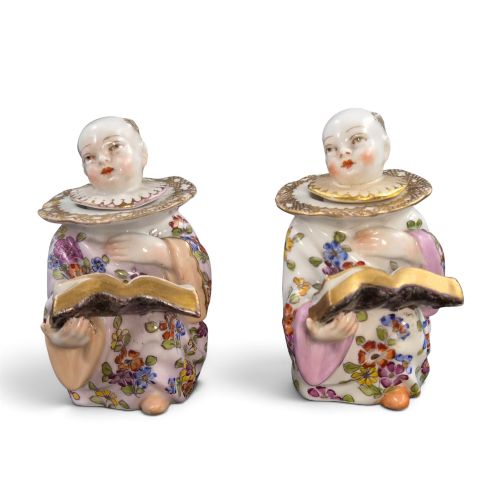
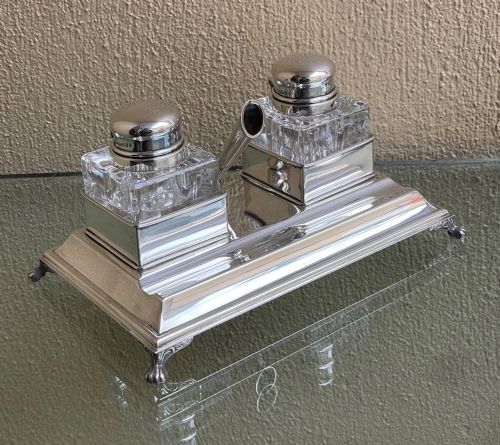
Glass elements appear as heavy cut glass and moulded reservoirs, frequently fitted with hinged metal lids, while ceramic variations incorporate Staffordshire pottery, Dutch Delft faience, porcelain and champlevé enamel.
Listings feature desk accessories produced across the nineteenth and twentieth centuries, utilising materials from cut glass and brass to marble, pewter and sterling silver.
What varies in quality
The standard rests upon the weight of the materials used, distinguishing solid sterling silver, heavy bronze and thick cut glass from lighter silver-plated alternatives.
Workmanship separates basic utilitarian items from decorative pieces by notable makers, particularly where intricate chasing, enamel work, inlaid lapis or mounted stones elevate the design.
Whitefriars·Edmé Samson·Archibald Knox Liberty·William Hutton·Elkington·Walker And Hall·Marson And Jones
The Vintage Inkwell Glossary
- Capstan inkwell
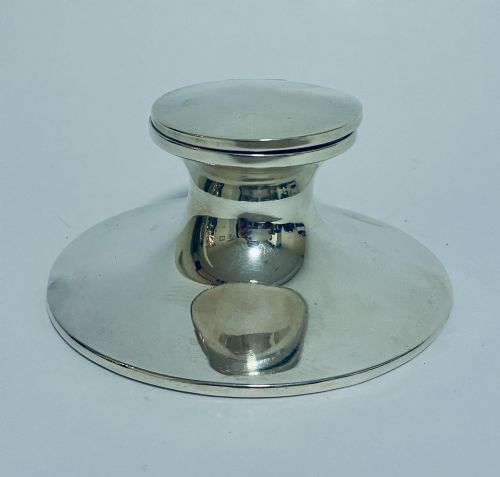
- A desk inkwell shaped like a ship's capstan, typically tapering inward from a wide weighted base to a smaller hinged silver top.
- Inkstand
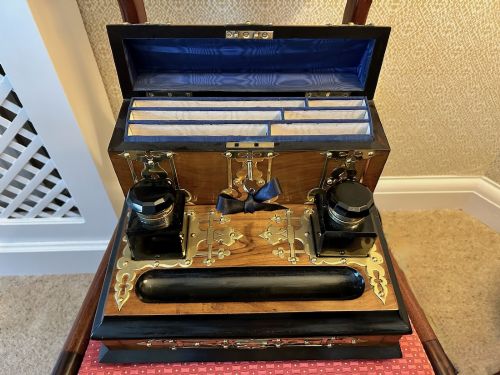
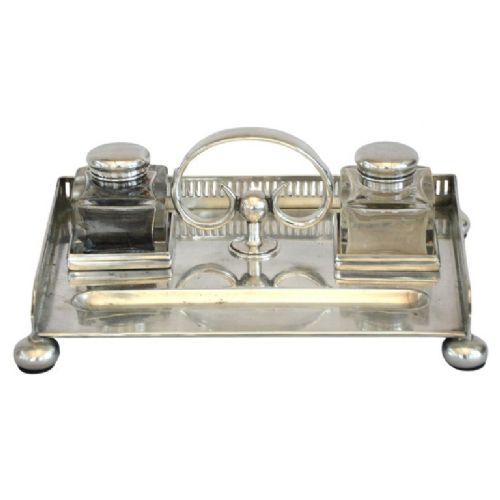
- A complete desk stand incorporating one or more inkwells alongside integrated trays or pen rests.
- Champlevé
- An enamelling technique where troughs are dug into a metal surface and filled with vitreous enamel before firing.
- Capstan
- A nautical term adopted for tapered desk vessels with broad bases that prevent tipping.
- Cabochon
- A polished, convex gem or stone without facets, often set into Arts and Crafts metalwork.
Vintage Inkwell: Frequently Asked Questions
How do I clean tarnished silver inkwells?
Use a soft cloth and a gentle silver polish specifically formulated for antique metals, taking care to avoid getting moisture inside the glass or ceramic liner.
Keep polishing cloths away from any enamel, glass or stone inserts to preserve the original mountings and fittings.
Can I still use these inkwells for writing?
Many vintage inkwells retain their original glass or ceramic inserts and function perfectly well with modern fountain pen inks.
Ensure the hinged lid closes properly and check the interior reservoir for any hairline cracks before filling.
What is the difference between an inkwell and an inkstand?
An inkwell is a single vessel designed simply to hold ink, whereas an inkstand is a larger desk set featuring a tray, pen rests and often multiple wells.
Inkstands usually accommodate stamps, sanders and taper sticks alongside the main ink reservoirs.
How do I identify the period of a desk stand?
Look to the combination of materials and decorative style, such as heavy brass and cut glass in Victorian pieces or clean geometric lines in Art Deco onyx and marble.
Silver components often bear hallmarks that give exact dates and assay office locations.