


Vintage Industrial Furniture
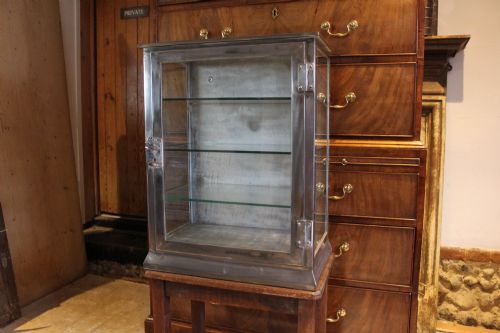
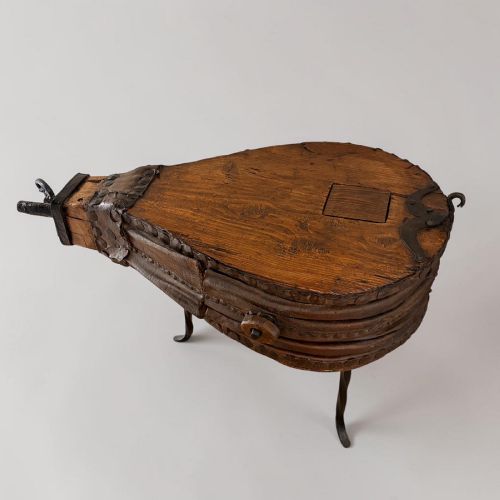
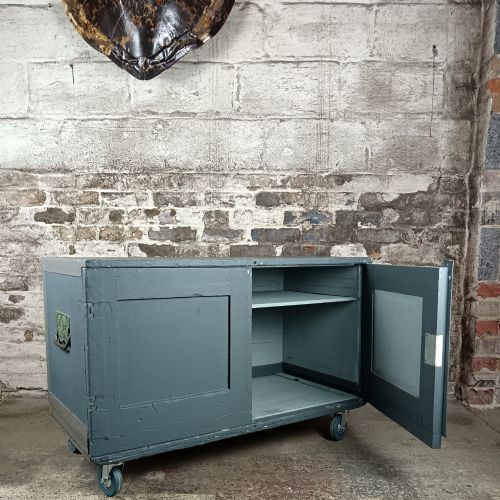
These heavy-duty pieces of vintage industrial furniture combine utilitarian function with rugged materials like cast iron and pine.
Vintage Industrial Furniture
Vintage industrial furniture encompasses sturdy utility pieces originating from commercial, transport and workshop settings, such as heavy workbenches, filing cabinets and bakers racks. When searching for vintage industrial furniture, buyers encounter items built for rigorous daily labour rather than domestic display.
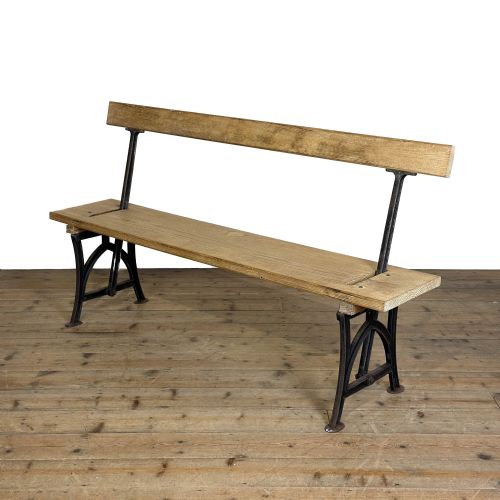
The selection here draws primarily from nineteenth-century and early twentieth-century examples, spanning Victorian British pieces alongside French industrial designs. Common forms include large bakers racks, station benches, shop display stands and sorting tables.
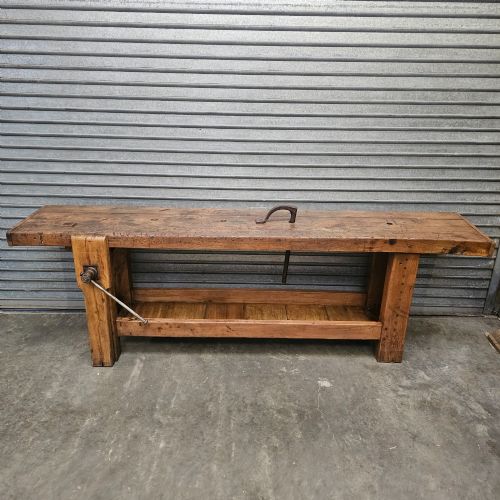
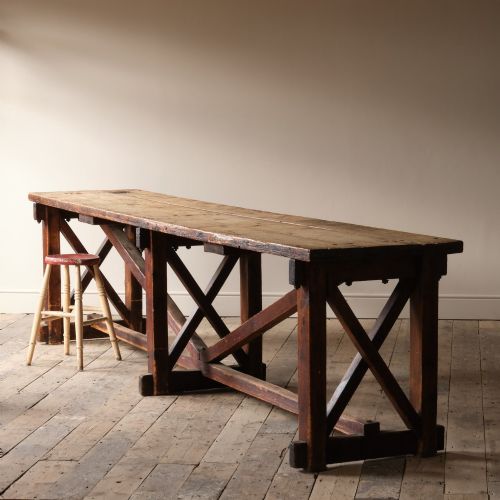
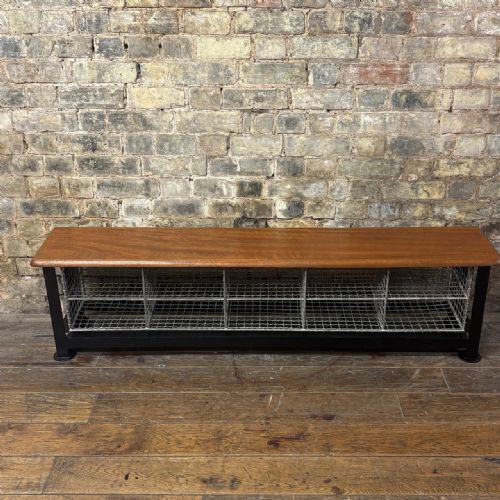
Workbenches and counters dominate the offerings, constructed by craftsmen using robust timbers paired with metal frames. These items transition easily into modern homes to serve as kitchen islands, side tables or functional storage.
Materials and construction methods
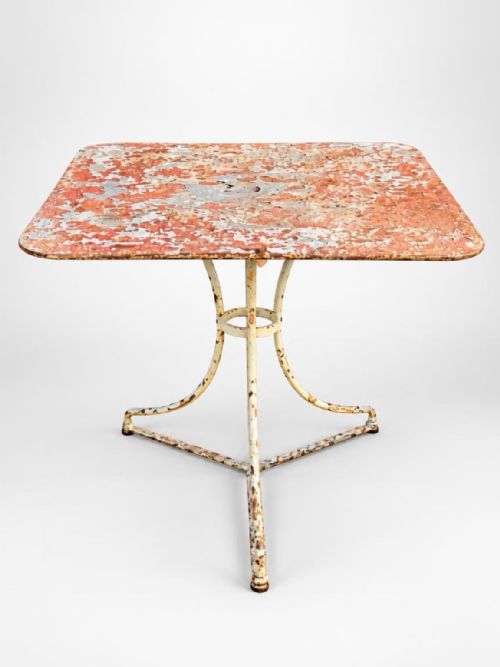
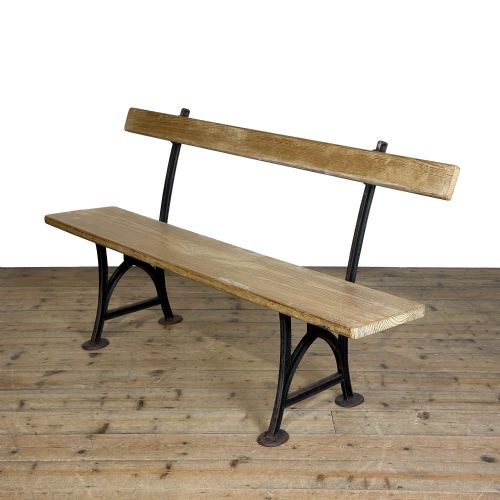
Makers utilised a combination of durable hardwoods like oak, beech and pine alongside structural metals including cast iron, wrought iron and steel. Heavy cast iron bases provide stability for pub tables and garden furniture, while thick timber tops withstand persistent physical work.
Construction prioritised utility and longevity, incorporating visible metal brackets, adjustable mechanisms, and integrated vices or clamping bars. Surfaces often display original paint, patinated brass fittings and natural wood grain shaped by decades of workshop use.
Vintage Industrial Furniture Retail Price Guide 2026
Typical asking prices for vintage industrial furniture among the pieces listed under this phrase on Sellingantiques today, from the lower quarter to the upper quarter. They describe what is for sale here now, not the wider market.
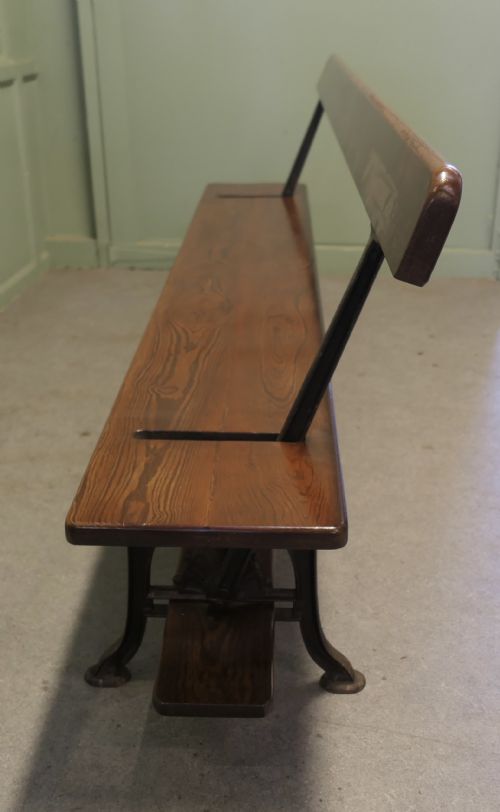
Tram and railway benches carry the echo of rushed commuters and steam-filled stations straight into the modern hallway.
Quality variations in industrial pieces
The distinction between ordinary utility items and superior pieces rests in the integrity of original mechanisms, maker stamps and untouched surfaces. Fully adjustable elements, stamped foundry marks and genuine period hardware elevate the status of a workbench or rack.
Makers focused on robust joinery and practical detailing, so better examples retain their authentic working parts rather than replacement components. The depth of patination on exposed timber and iron reflects the intensity of the piece's initial commercial employment.
Dubois of Lyon·Amberg
The Vintage Industrial Furniture Glossary
- Boulangerie rack
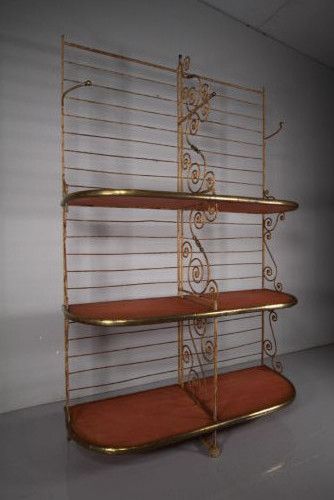
- A large metal and wire shelving unit used in French bakeries for cooling bread. These tall structures feature multiple tiers supported by wrought iron framework.
- Butchers block
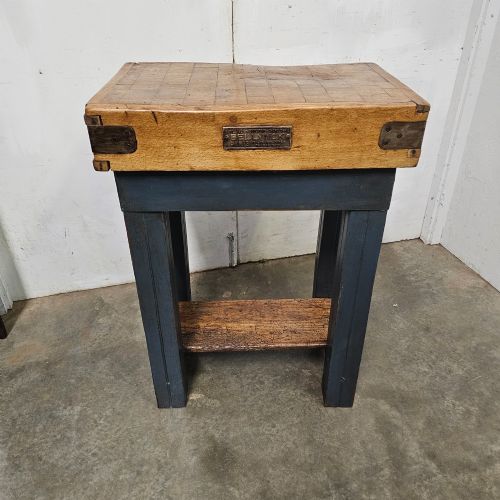
- A thick wooden cutting surface mounted on a sturdy stand, utilised for food preparation. They feature heavy end-grain timber tops designed to absorb repeated impact.
- Campaign chest
- A modular wooden packing case designed for military transport during the nineteenth century. These dismantle into sections fitted with recessed brass handles and protective corners.
- Pigeon holes
- A grid of small open wooden compartments used in offices and sorting rooms for mail and documents. They provide compact, visible storage for paper and stationery.
- Britannia table
- A small pub table featuring a heavy cast-iron base moulded in the shape of Britannia. The metal pedestal supports a round timber top, typically made from mahogany or pine.
Vintage Industrial Furniture: Frequently Asked Questions
What rooms suit industrial furniture?
These robust items fit naturally into kitchens, home offices and living spaces where practical surfaces matter. Workbenches serve well as kitchen islands, while pigeon holes and filing cabinets organise paperwork.
The neutral tones of aged wood and dark metal blend easily with both contemporary interiors and traditional settings. Their durable construction allows them to withstand heavy daily use in busy households.
How do I clean industrial metal?
Wipe metal surfaces with a dry or slightly damp cloth to remove dust and loose dirt. Avoid harsh chemical cleaners that might strip away the historic patination or original paintwork.
Applying a light coat of clear wax helps protect exposed iron and steel from moisture. This maintains the authentic finish without altering the character accumulated over decades of work.
How do I identify a workbench?
Authentic workbenches feature thick timber tops marked by scars, stain spots and cuts from tools. Many include integrated wooden vices, clamping bars or deep drawers for tools.
French and English examples often display regional variations in wood choice, such as beech or pine. The sheer weight of these pieces reflects their original purpose as stable platforms for carpentry.
Where were bakers racks used?
Bakers racks originated in commercial European bakeries and patisseries during the nineteenth century. Bakers used the tall iron and wire tiers to cool loaves, pastries and confections.
Today, these versatile wire and metal units find new life in kitchens and dining rooms as open shelving. They provide airy storage for cookbooks, crockery and decorative items.