



Vintage Indian Table
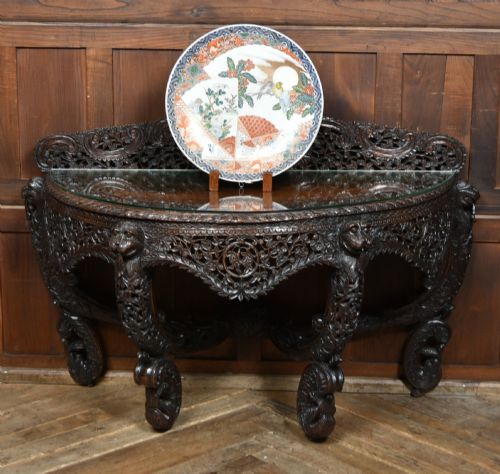
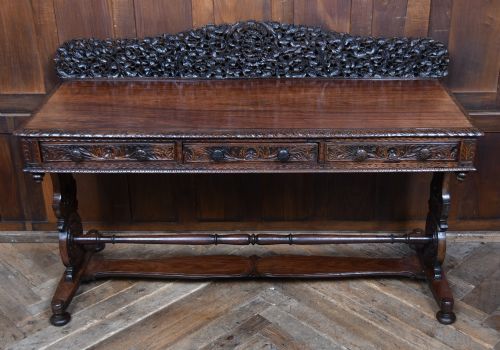
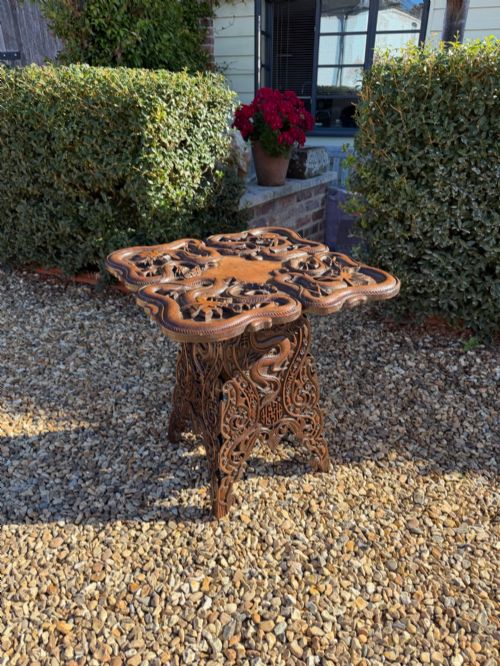
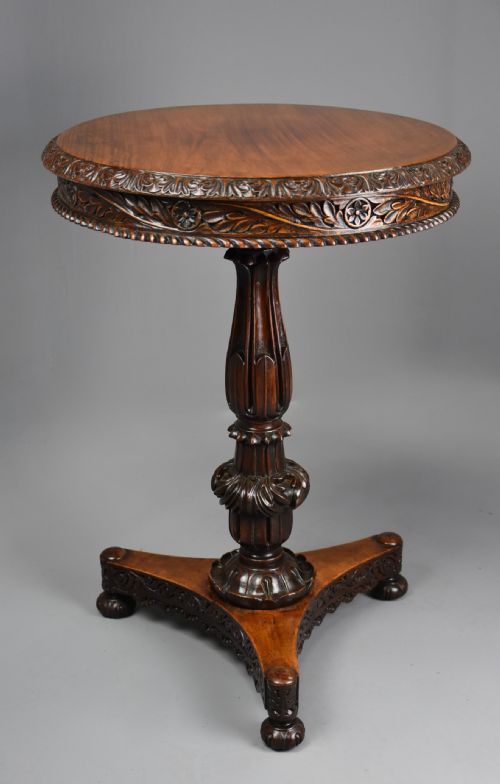
A vintage indian table brings intricate hand-carved woodwork and distinctive regional craftsmanship directly into a room.
Vintage Indian Table
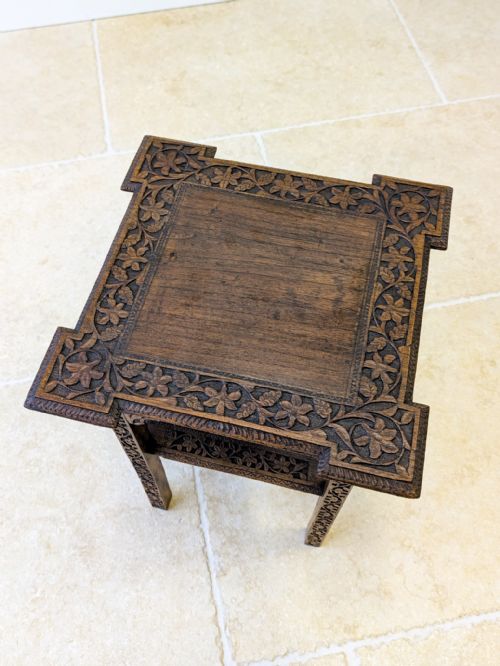
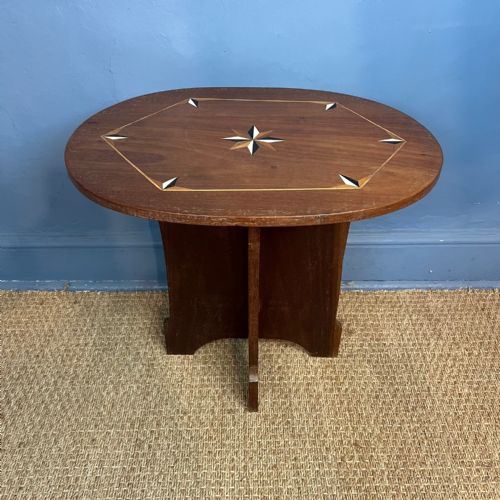
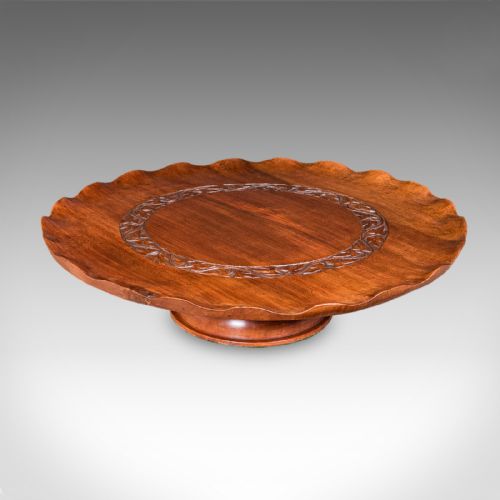
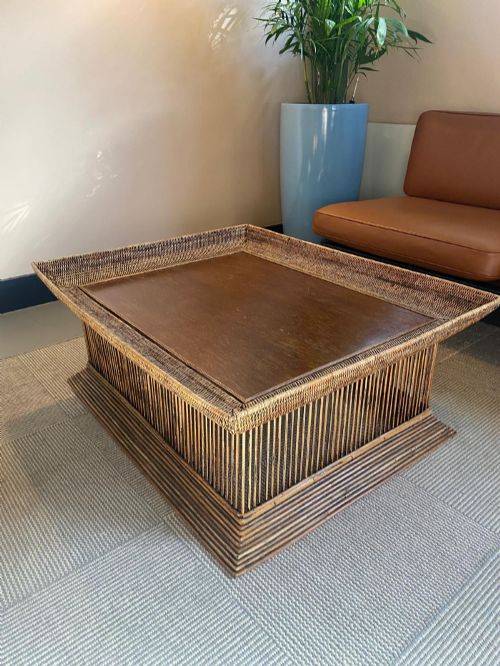
A vintage indian table encompasses various occasional, side, coffee, and folding forms originating from the nineteenth and early twentieth centuries. These pieces reflect distinct regional aesthetics, ranging from Anglo-Indian colonial designs to Hoshiarpur and Kashmiri works.
Buyers frequently encounter octagonal and circular occasional tables alongside larger brass or marble-topped variants. The selection spans distinct artistic traditions including Moorish revival patterns and traditional folk art motifs.
Assessing craftsmanship and condition
Quality rests upon the crispness of the hand-carved detail and the precision of the inlay work, particularly in Hoshiarpur and bone-inlaid pieces. Examples retaining all original inlays and stable structural joins demonstrate superior historic execution.
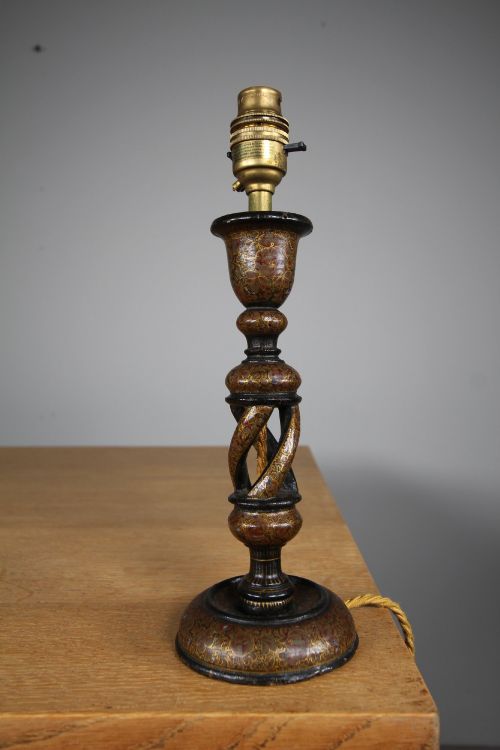
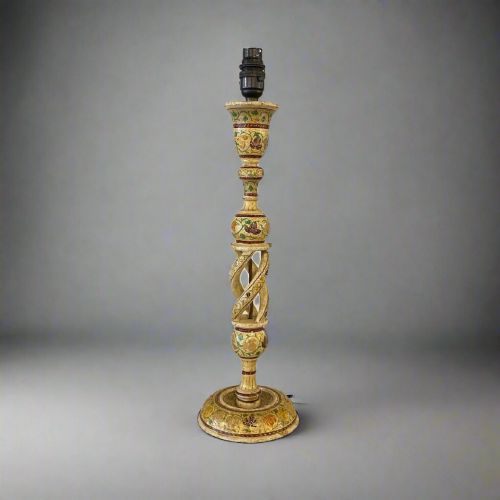
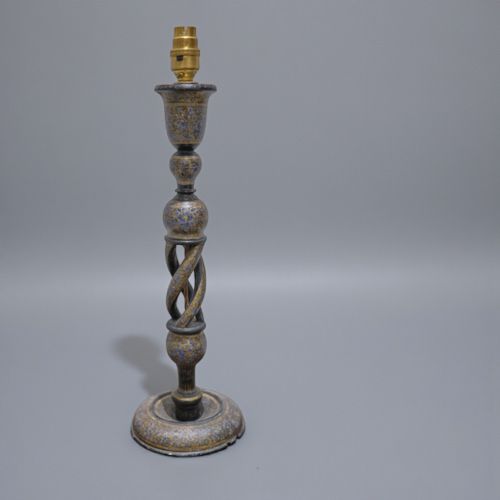
Surface finish and material selection dictate the visual presence of each piece, with dense rosewoods and finely painted lacquer work showing greater durability and artistic depth.
Vintage Indian Table Retail Price Guide 2026
Typical asking prices for vintage indian table among the pieces listed under this phrase on Sellingantiques today, from the lower quarter to the upper quarter. They describe what is for sale here now, not the wider market.
Elephants appear frequently across these listings, supporting table tops or standing carved from wood as towering nineteenth-century figures.
The Vintage Indian Table Glossary
- Hoshiarpur
- A style of woodwork originating from Punjab, defined by dense geometric bone or wire inlay covering every visible surface. This technique creates highly intricate patterns across folding tables and occasional surfaces.
- Anglo-Indian
- Furniture produced in India under British rule, combining traditional local craftsmanship with European forms tailored for colonial domestic life. These pieces often feature dense tropical hardwoods and elaborate carving.
- Occasional table
- A small, movable table designed for specific, temporary uses such as holding books, lamps, or tea service. They are prominent among regional nineteenth and twentieth-century imports.
- Bone inlay
- A decorative technique where small pieces of bone are embedded into a wooden matrix to form complex floral or geometric patterns. This method appears frequently on intricate tables and screens.
Vintage Indian Table: Frequently Asked Questions
How do I care for a vintage indian table?
Maintain the timber and inlay by dusting gently with a dry cloth and avoiding direct sunlight or excessive moisture. Natural waxes can preserve the finish without damaging delicate bone or wood elements.
Keep these surfaces away from direct heat sources to prevent the wood from warping or historic inlays from loosening over time.
Were these tables made for export?
Many nineteenth and early twentieth-century pieces were produced specifically for the colonial and European export markets. Makers combined traditional regional techniques with forms that suited Western domestic interiors.
Export demand encouraged the creation of folding tables and portable occasional pieces that could be easily shipped overseas.
How do I identify Hoshiarpur work?
Hoshiarpur pieces are instantly recognised by their all-over geometric and floral inlay executed in bone or brass. The wooden base is typically densely carved so that virtually no plain surface remains visible.
These items often feature octagonal tops and complex folding mechanisms constructed entirely from interlocking wooden sections.
Can I use these tables for daily use?
Sturdily constructed hardwood tables handle normal daily placement of decorative objects, books, or lamps comfortably. Care should be taken with delicate inlay or painted lacquer surfaces during routine handling.
Placing coasters under liquids protects the historic wooden and inlaid finishes from accidental water rings.