

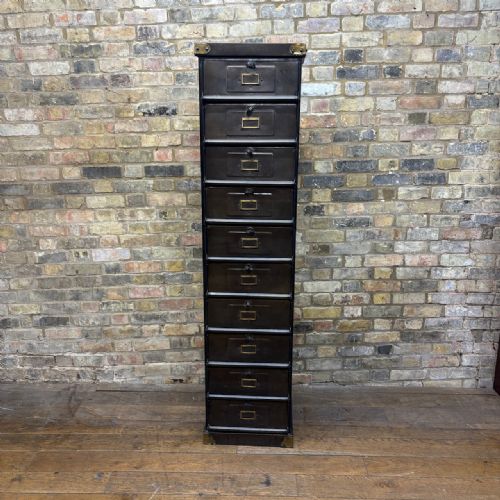
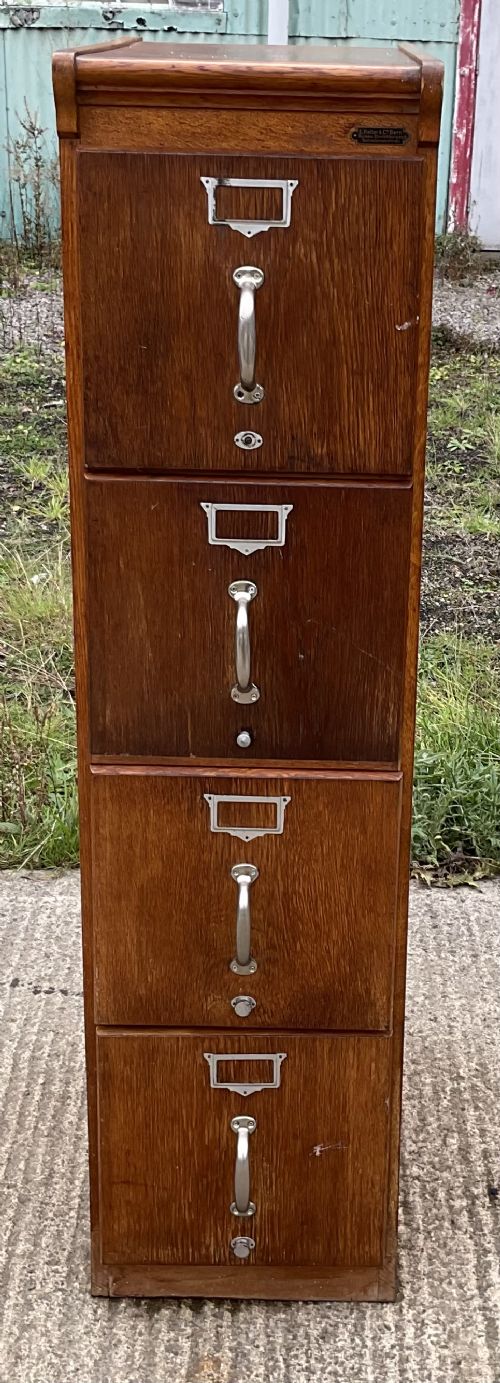
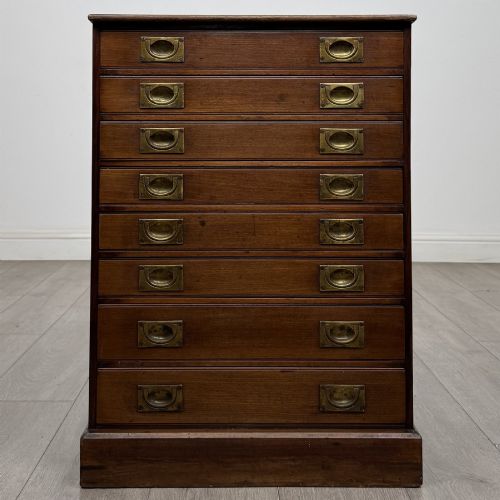
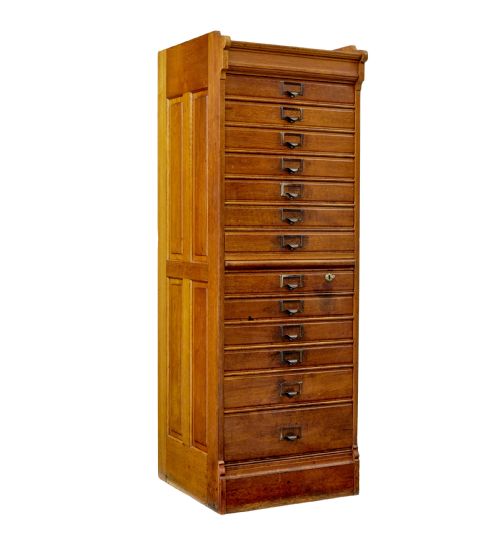
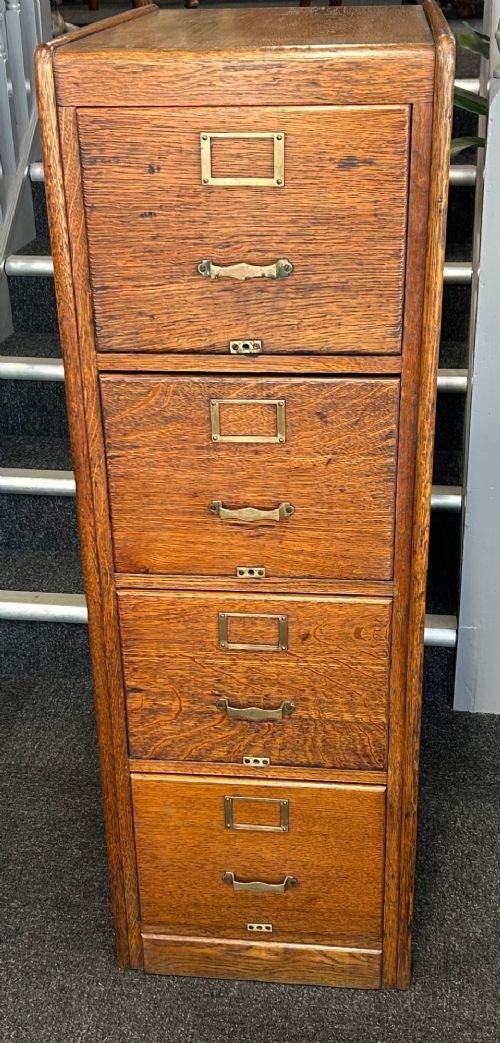
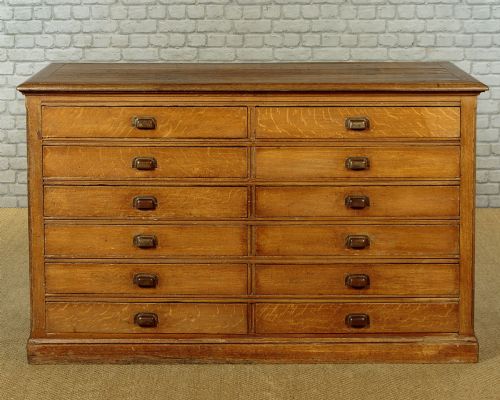
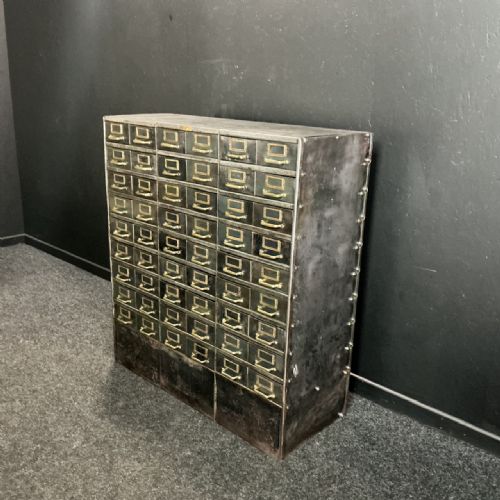
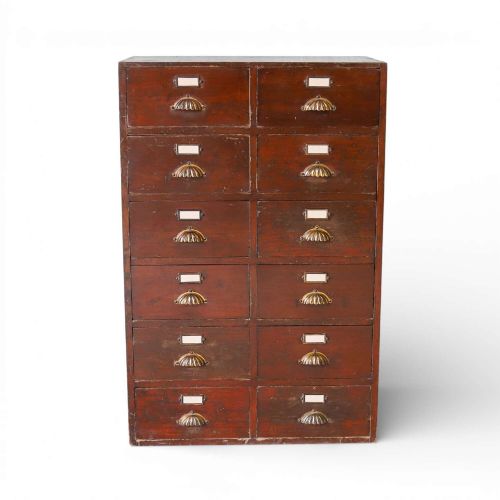
Vintage Index File Drawer
A vintage index file drawer is a sturdy timber or metal cabinet built for paper filing, offering practical storage with character.
Vintage Index File Drawer
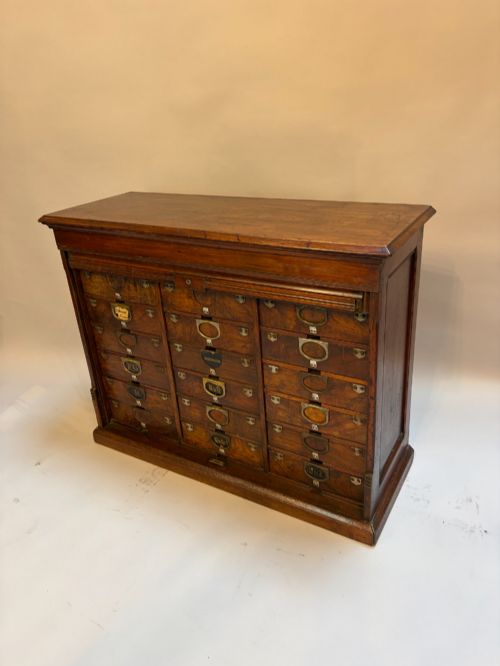
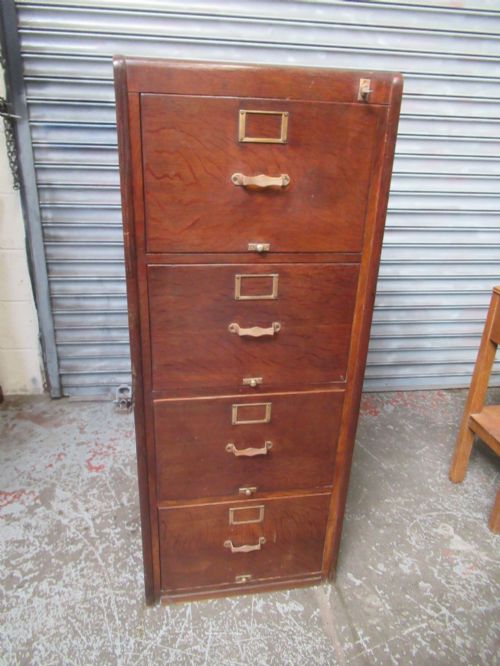
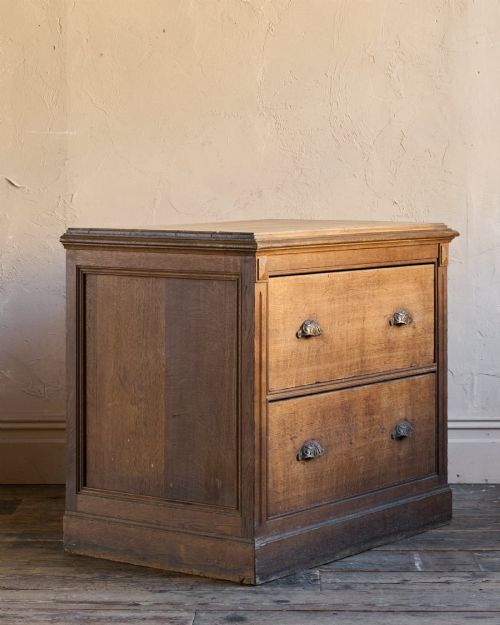
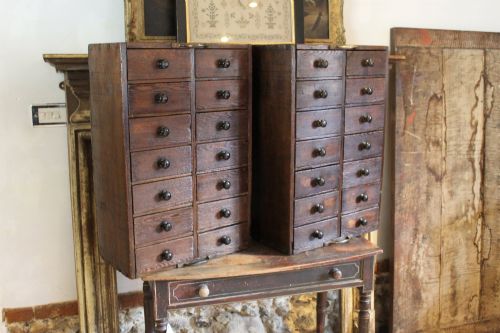
A vintage index file drawer groups together office furniture, banks of drawers, and desktop filing pieces originating from the nineteenth century up through the mid twentieth century. Buyers seeking a vintage index file drawer encounter solid timber constructions alongside utilitarian metal designs tailored for workspace organisation.
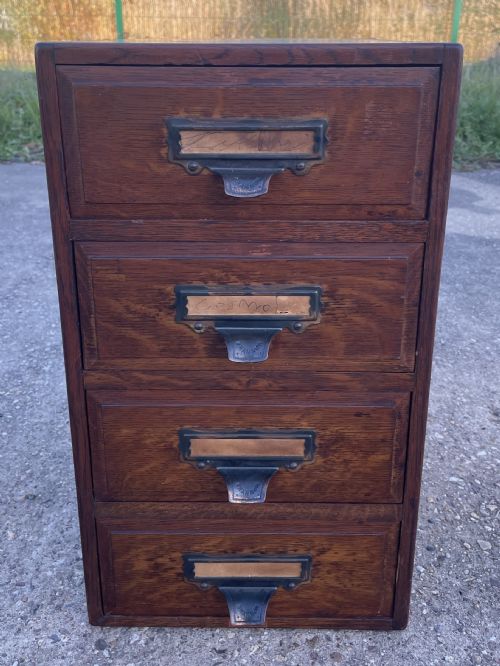
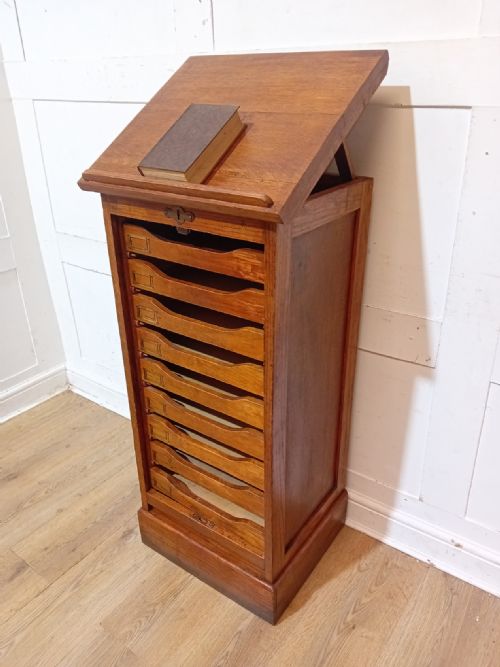
The selection ranges from tall banks of twelve drawers and compact library card sets to Edwardian walnut chests and industrial tambour front cabinets. Many pieces date from the Edwardian and early twentieth century commercial periods, reflecting the heavy paperwork demands of past offices.
Originating from British workshops as well as French industrial makers, these items serve modern homes as desktop sorters, craft storage, or feature chest units. Each form balances utilitarian function with the warm grain of oak, mahogany, pine, or walnut.
Materials and Construction
Cabinet makers relied primarily on solid hardwoods such as oak, mahogany, and walnut, alongside pine and beech for secondary framing and internal partitions. These timbers were joined with traditional cabinetry methods to withstand the daily friction of sliding drawers loaded with heavy paper records.
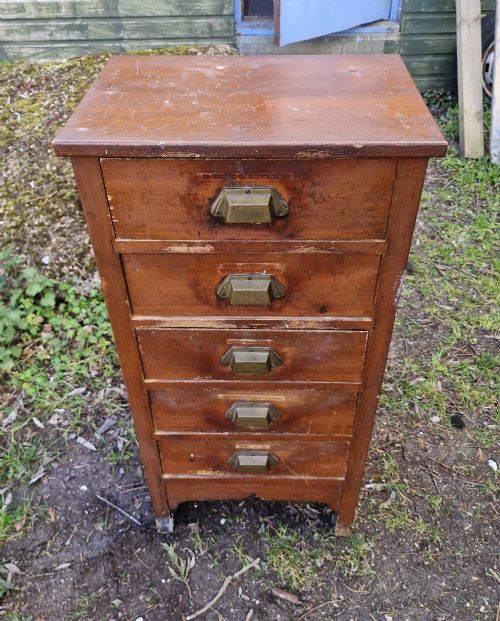
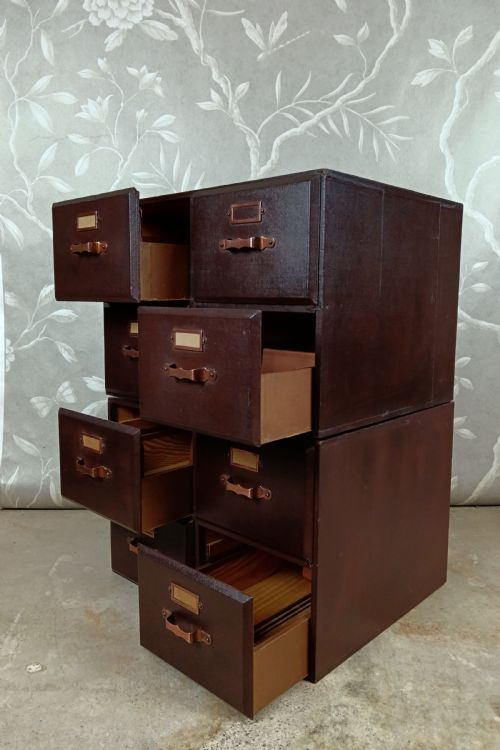
Hardware played an essential role, incorporating brass handles, drop pulls, and integrated label holders that allowed clerks to categorise contents quickly. Industrial pieces introduced metal and steel framing, while patent letter files utilised specialised mechanisms for secure document retention.
Vintage Index File Drawer Retail Price Guide 2026
Typical asking prices for vintage index file drawer among the pieces listed under this phrase on Sellingantiques today, from the lower quarter to the upper quarter. They describe what is for sale here now, not the wider market.
Period styles span Victorian and Edwardian domestic chests to industrial filing banks from the 1920s and 1930s.
Markers of Quality
Quality reveals itself in the integrity of the timber selection and the precision of the drawer construction, where tight joinery ensures smooth operation without warping. Pieces retaining original brass hardware, shell pulls, and manufacturer label holders hold greater authenticity.
The sophistication of the mechanism also distinguishes standard office chests from patent filing systems and bespoke watchmakers or collectors cabinets. Fine grain figuring in walnut and mahogany fronts elevates the visual presence of domestic Edwardian pieces above utility models.
D Napier And Sons·Amberg·Shannon
The Vintage Index File Drawer Glossary
- Tambour front
- A sliding shutter door made of narrow strips of wood glued to fabric backing. This mechanism allows access to internal filing compartments while hiding the contents when closed.
- Cartonniere
- A decorative French filing cabinet traditionally fitted with leather-covered boxes or drawers for sorting correspondence. These items combine fine walnut framing with refined surface detailing.
- Shell pull
- A pressed metal or brass handle shaped like a semi-circular shell that incorporates a slot for a paper label. They are commonly found on early filing chests to identify drawer contents.
- Bank of drawers
- A multi-drawer cabinetry unit designed for high-density storage of small items, documents, or cards. They appear in configurations ranging from a few desktop rows to massive tall workshop chests.
- Patent letter file
- A specialised filing system incorporating proprietary mechanical elements for holding and indexing documents. Examples by makers such as Amberg feature patented mechanisms for efficient paper organisation.
Vintage Index File Drawer: Frequently Asked Questions
What were index file drawers originally used for?
These cabinets served offices, libraries, and workshops for organising correspondence, index cards, and records before digital filing systems existed. Businesses relied on them to keep extensive paper archives ordered and accessible.
Today, they transition easily into modern homes as practical storage units for craft supplies, stationery, or kitchen items while retaining their historical aesthetic.
How do I date a wooden filing cabinet?
Dating relies on observing construction methods, timber choices, and hardware styles across different eras from the nineteenth century onwards. Edwardian and Victorian pieces often feature hand-cut joinery and rich mahogany or walnut veneers.
Later industrial pieces from the 1920s and 1930s tend to use simpler oak or pine construction alongside utilitarian steel elements and standardised brass pulls.
Can these drawers fit modern paper sizes?
Many vintage index file drawers were built for specific historical card sizes, small slips, or folded letters rather than modern A4 dimensions. Desktop versions often suit smaller documents or craft items.
It is essential to check the internal dimensions of the specific drawers if you plan to store standard modern paper or contemporary office files.
How do I care for wooden office furniture?
Maintain the timber by keeping the cabinet away from direct heat sources and dramatic humidity fluctuations that can cause wood to warp or split. Regular dusting with a soft, dry cloth preserves the finish.
Applying a traditional beeswax polish occasionally helps nourish older oak, mahogany, and walnut surfaces without building up heavy residues.