

Vintage Index Drawers
Vintage index drawers are practical filing cabinets and banks of small compartments designed for organisation, offering tactile storage for modern interiors.
Vintage Index Drawers
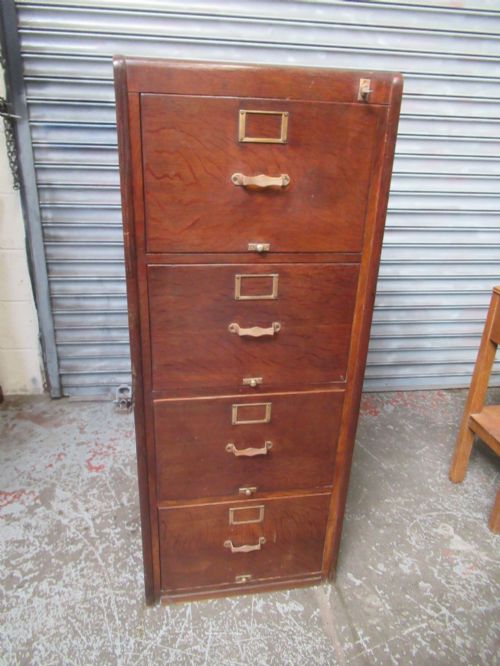
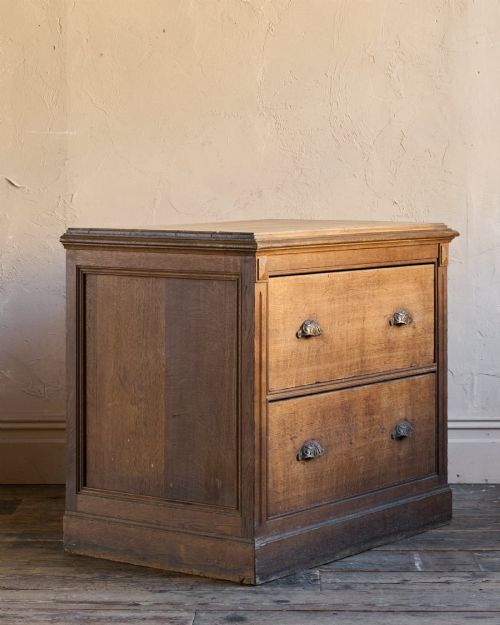
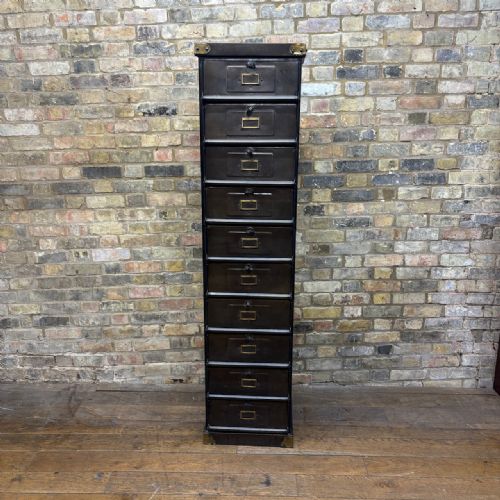
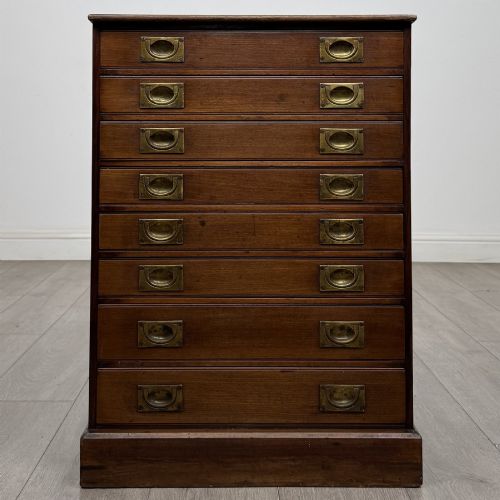
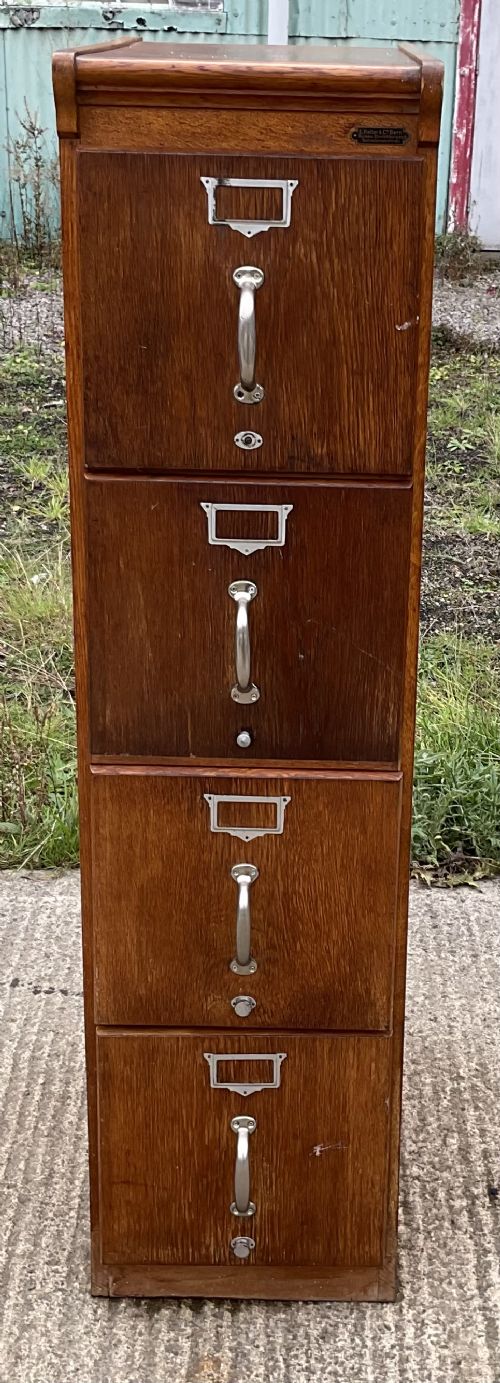
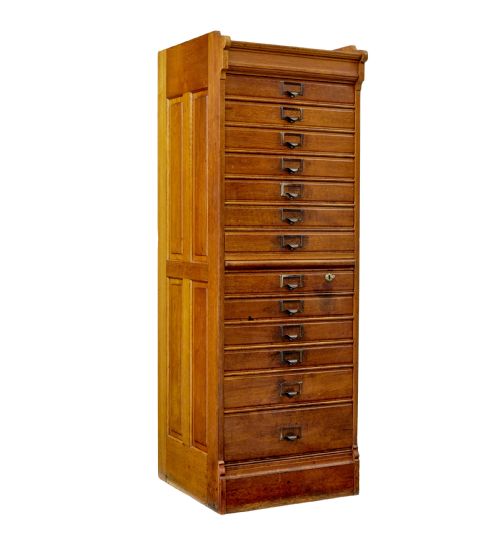
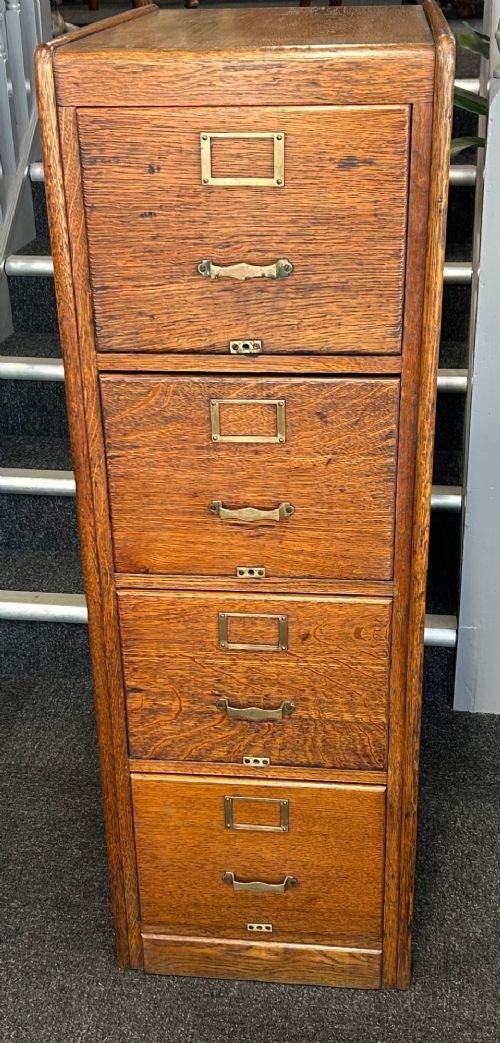
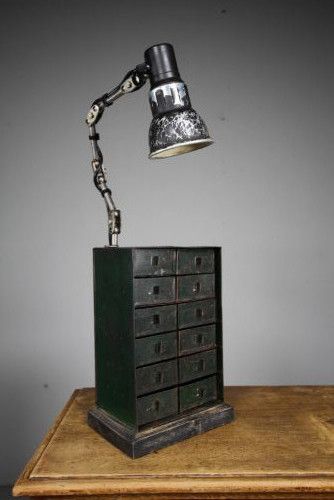
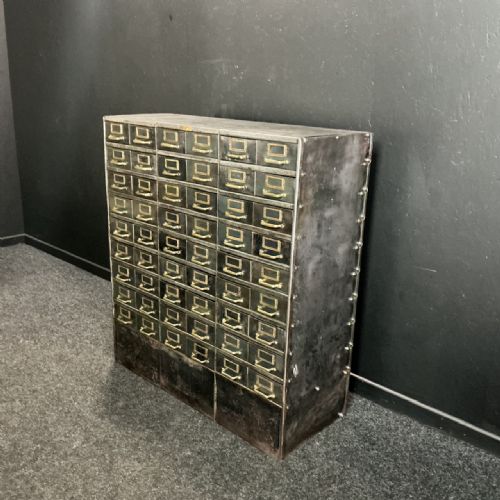
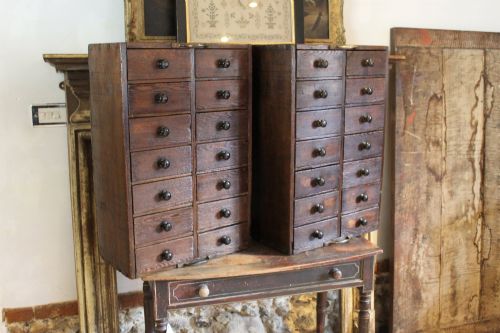
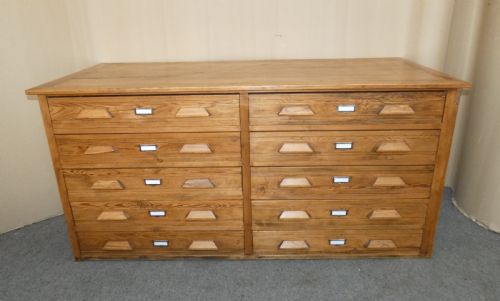
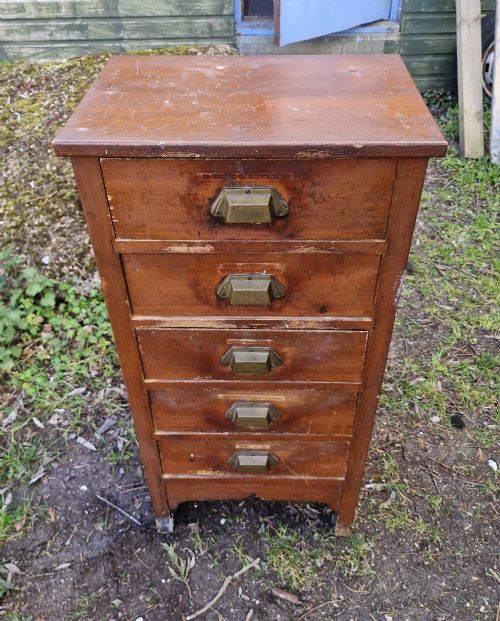
When you search for vintage index drawers, you find functional storage units ranging from tall filing chests to multi-drawer haberdashers and library card files. These pieces originate from offices, shops, and workshops spanning the late nineteenth century through the nineteen-thirties.
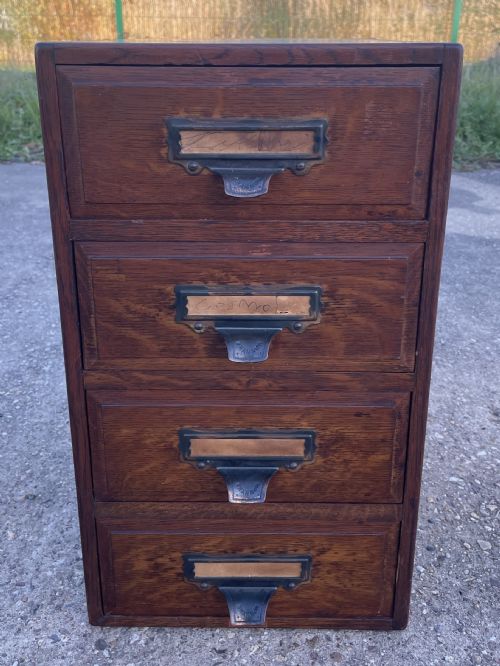
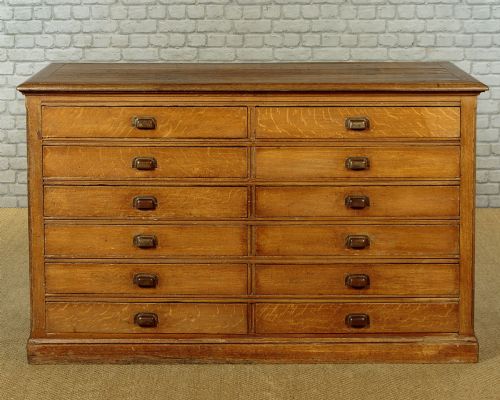
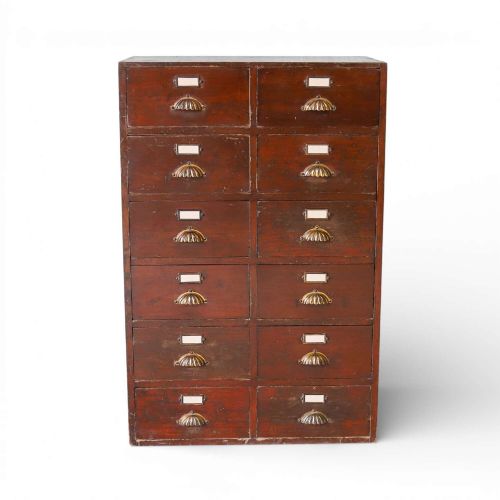
The version you are most likely to meet on this page is constructed from solid oak or pine, often featuring numerous small compartments with original label holders and metal pulls. They serve as desktop storage or freestanding cabinets designed to hold cards, documents, or small items.
How they were made
Cabinetmakers utilised durable hardwoods and softwoods such as oak, mahogany, walnut, and pine, frequently pairing them with brass or steel hardware. Construction methods relied on solid timber joinery built to withstand daily commercial and institutional use.
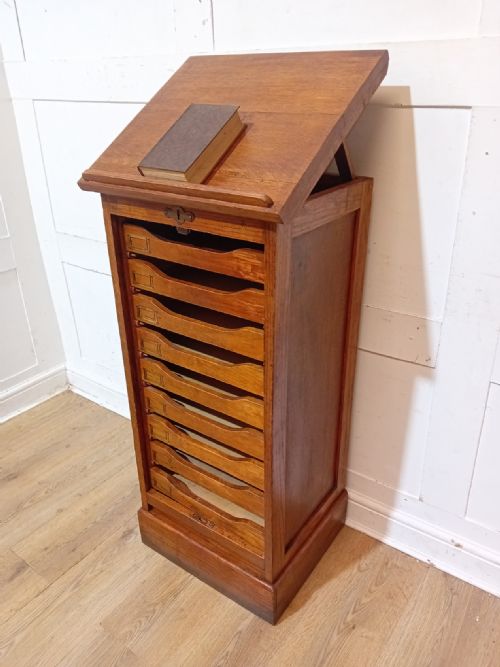
Makers integrated specialised mechanisms including tambour fronts, patent letter filing systems, and fitted pull handles with integrated label holders. Metal elements like cast iron and brass provided structural reinforcement and operational longevity for frequent handling.
Vintage Index Drawers Retail Price Guide 2026
Typical asking prices for vintage index drawers among the pieces listed under this phrase on Sellingantiques today, from the lower quarter to the upper quarter. They describe what is for sale here now, not the wider market.
The listings here feature oak, mahogany, walnut, pine, beech, and metal, spanning Victorian, Edwardian, and industrial twentieth-century periods.
What varies in quality
The distinction between tiers rests upon the integrity of the timber, the scale of the bank, and the completeness of original hardware like shell pulls and label holders. Standard office utilities contrast with larger shop fittings and patent filing systems which command greater attention.
Originality of surface finish and specialised internal mechanisms elevate certain examples above standard production pieces from the same era. Surviving manufacturer stamps or patent plaques indicate higher commercial status during their period of origin.
D Napier And Sons·Brady·Amberg·Shannon
The Vintage Index Drawers Glossary
- Shell pull
- A pressed metal handle shaped like a half-dome or scallop shell, frequently incorporating a slot for a paper label. These are typical of early twentieth-century filing furniture.
- Tambour front
- A flexible door constructed from narrow strips of wood glued to canvas backing, allowing it to slide smoothly around a track to conceal interior drawers or shelves.
- Cartonniere
- A freestanding cabinet or desktop unit fitted with multiple open compartments or drawers designed specifically for holding loose papers, documents, or correspondence.
- Haberdashers drawers
- A multi-drawer bank originally utilised in drapery shops to organise small haberdashery items such as buttons, ribbons, and threads.
- Patent letter file
- An organised filing apparatus, such as an Amberg system, engineered to sort correspondence securely within designated alphabetical or numerical divisions.
Vintage Index Drawers: Frequently Asked Questions
What were vintage index drawers used for?
These cabinets served commercial and institutional purposes, organising correspondence, library cards, documents, and small workshop items in offices and retail spaces.
Their modular multi-drawer configuration allowed clerks and merchants to maintain systematic order before the advent of digital filing.
How do I style index drawers at home?
Index drawers integrate easily into modern workspaces, living rooms, or kitchens as practical storage for stationery, collections, or tableware.
Their compact proportions allow them to sit atop desks or function as freestanding side units while adding industrial or period character to a room.
How can I tell Edwardian pieces apart from later ones?
Edwardian examples frequently display refined cabinetmaking details in mahogany or satin walnut, often reflecting domestic or refined office use.
Later pieces from the nineteen-twenties and thirties tend towards robust industrial oak, steel construction, or utilitarian forms designed for heavier commercial output.
Are these cabinets suitable for modern paper sizes?
Many index drawers and filing chests were built for specific historical formats like index cards, ledgers, or foolscap documents rather than modern A4 dimensions.
It is sensible to check internal drawer measurements if you intend to store contemporary stationery or standard paper sizes.