



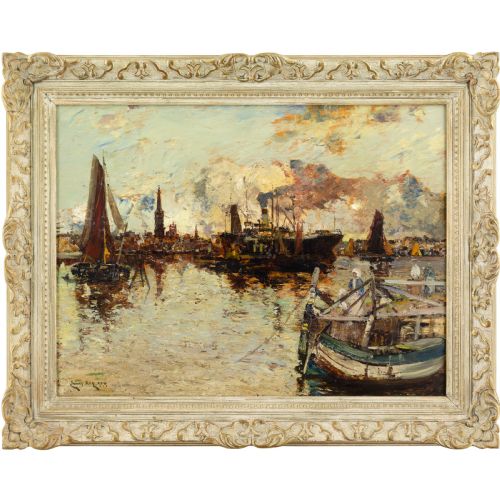
Vintage Impressionist Artwork
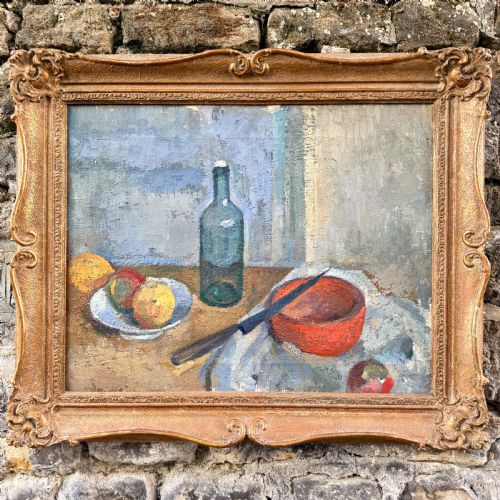
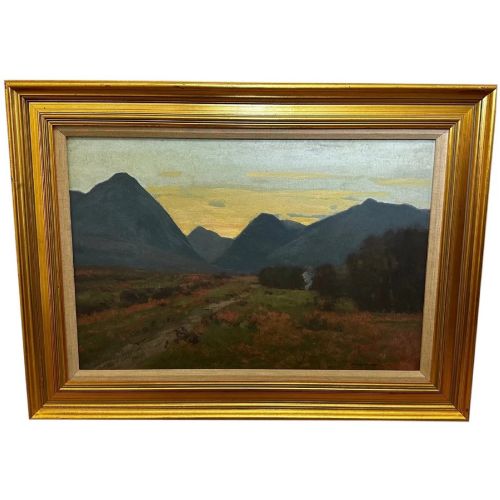
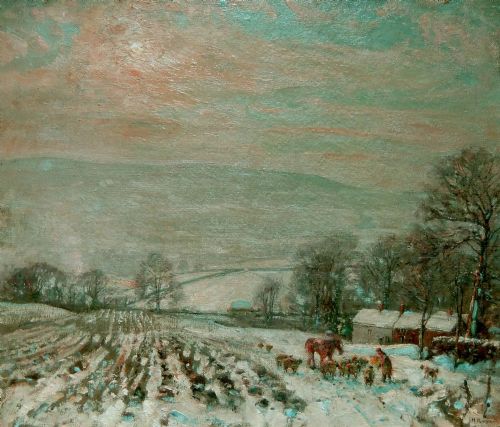
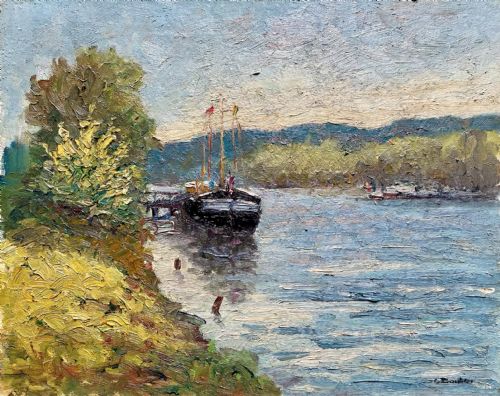
Vintage impressionist artwork brings light and movement into a room through oil paint and canvas from the nineteenth and twentieth centuries.
Vintage Impressionist Artwork
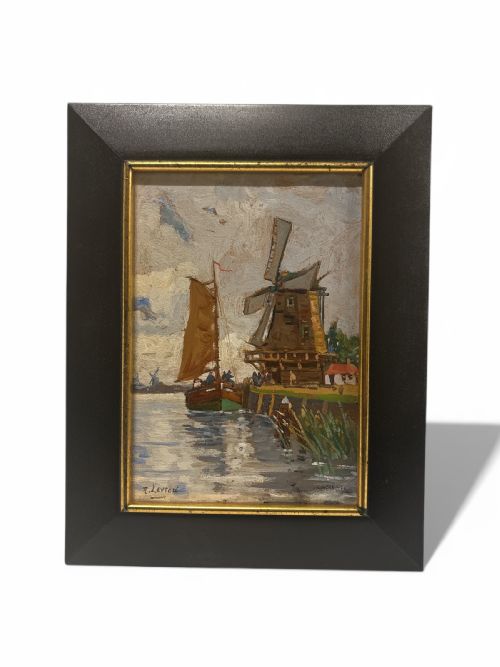
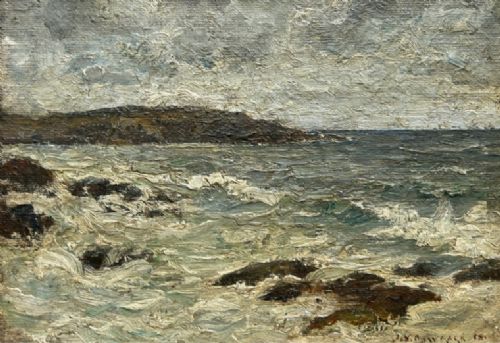
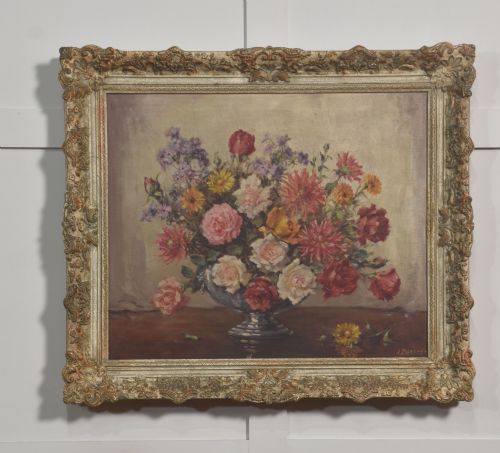
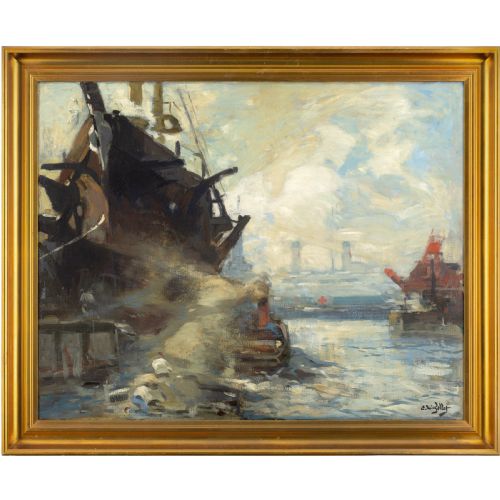
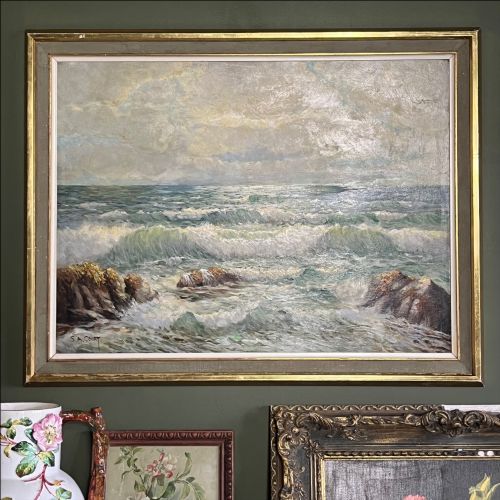
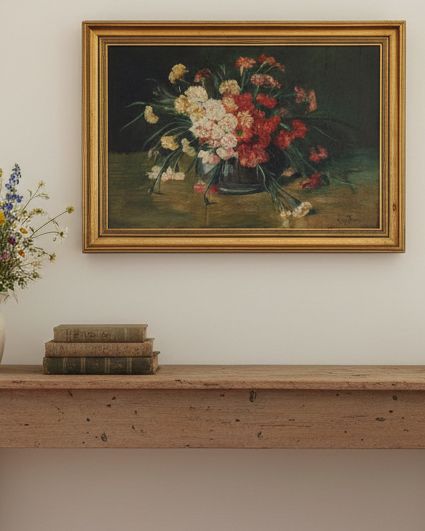
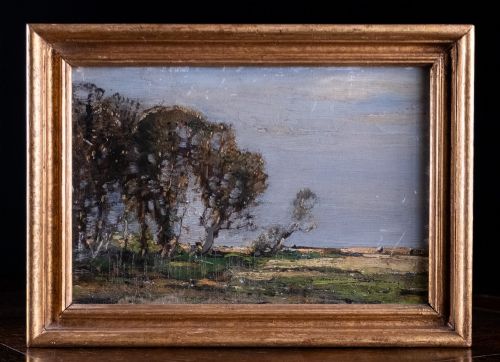
Vintage impressionist artwork captures fleeting moments of light, weather, and daily life through loose brushwork and vibrant colour. These pieces range from coastal marine scenes and tranquil rural landscapes to floral still lifes and urban street views.
The selections here span periods from the nineteenth century through the 1960s, encompassing British Impressionism, Post-Impressionism, and continental European styles. Oil paintings on canvas or board predominate, accompanied by occasional watercolours housed in period frames.
Buyers encounter works created en plein air as well as studio compositions by named artists and regional schools. Each piece reflects the atmospheric concerns and painterly techniques characteristic of its decade of origin.
How they were made
Painters applied oil paint directly to woven canvas, wooden panels, or rigid board, frequently building thick impasto textures with bristle brushes and palette knives. This physical layering of pigment creates a tactile surface that catches natural light in the room.
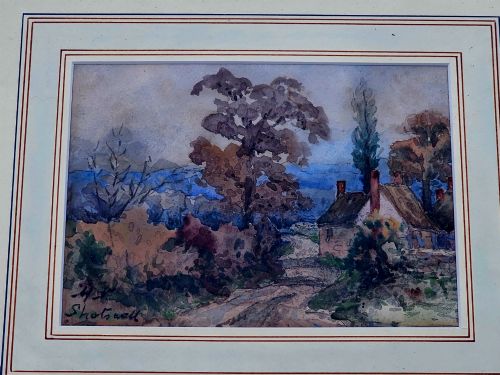
Watercolour versions utilise fluid washes on paper to capture translucent effects in harbour and landscape subjects. Many canvases retain their original gilt wood frames, which complement the tonal harmonies of the composition.
Periods represented include the nineteenth century, Edwardian era, and the decades up to the 1960s.
What varies in quality
Quality rests in the confidence of the brushwork and the artist's command over tonal relationships rather than the mere age of the canvas. Superior examples demonstrate deliberate mark-making that suggests atmosphere and depth without relying on rigid detail.
The integration of the painted surface with the original frame contributes significantly to the visual integrity of a piece. Works that preserve their unlined canvas and authentic period gilt wood display greater art historical coherence.
Clifford Hanney·Eugène-Louis Gillot·Kershaw Schofield·George Houston·Herbert Royle·William Banks Fortescue·James Kay·Augusto Alberici·Gabriel Mathieu·Arthur Gué·Henry Silkstone Hopwood·Charles Houben·John Lübschitz·Antonio DeVity·Paul Bret·Konstantin Stoitzner·Emma Fordyce MacRae·Francisco Sancha·Cyril Walduck Edwards·Herbert Ashwin Budd·Charles Stuart Forbes·Alfred Wolmark·Eric Brown
The Vintage Impressionist Artwork Glossary
- Impasto
- Paint applied thickly to a canvas or board so that it stands out in relief from the surface. This technique leaves visible brush or palette knife marks that capture physical depth.
- En plein air
- The practice of painting outdoors to record direct observations of natural light and weather. Artists working this way completed their canvases in the open landscape rather than the studio.
- Post-Impressionism
- An art movement extending impressionist methods toward more expressive forms, heavier outlines, or symbolic colour choices. Painters in this category prioritised structure and emotional resonance.
- Gilt wood
- Wood carved and coated with gold leaf or metallic paint to form a decorative picture frame. These frames reflect period tastes in interior ornamentation.
- Provenance
- The documented history of ownership and exhibition attached to a painting. A clear record helps establish the authenticity and origin of the piece.
Vintage Impressionist Artwork: Frequently Asked Questions
How do I hang oil paintings safely?
Support heavy gilt frames from two secure wall fixings rather than a single cord to distribute the weight evenly. Position the artwork away from direct sunlight and heat sources to protect the canvas and oil pigments.
Allow clearance for air circulation behind the board or canvas, particularly on exterior walls prone to dampness. Period frames require gentle dusting with a dry brush rather than liquid cleaning agents.
Are these paintings signed by the artist?
Many works feature visible artist signatures or studio inscriptions on the front or reverse of the canvas. Others remain unsigned or bear indistinct markings from regional painting groups.
Unsigned pieces rely on stylistic evidence, materials, and framing to indicate their period and geographic origin. Documentation often accompanies works attributed to specific schools or named makers.
How do I identify a post-impressionist piece?
Post-impressionist works display heightened emotional colour choices and structural brushstrokes that depart from strict optical realism. Artists in this category often emphasised bold outlines and simplified forms.
The materials typically include oil paint on canvas or board dating from the late nineteenth century through the mid-twentieth century. Comparison with known regional examples helps clarify the specific stylistic classification.
What framing is appropriate for vintage art?
Original gilt wood frames provide historical context and complement the tonal palette of the painting. These frames often show minor surface wear that indicates age and authentic use.
Avoid replacing period frames unless structural damage threatens the safety of the canvas. Professional mounting ensures the artwork remains stable within its housing.