







Vintage Imari Porcelain Dish
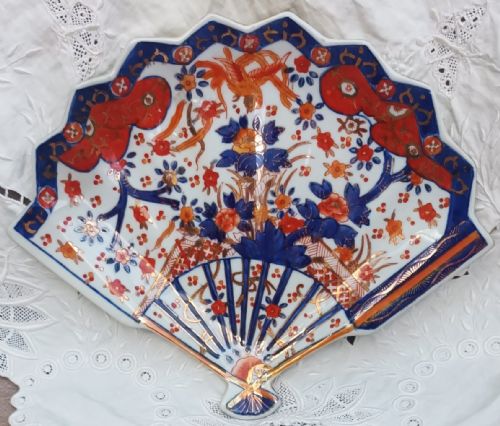
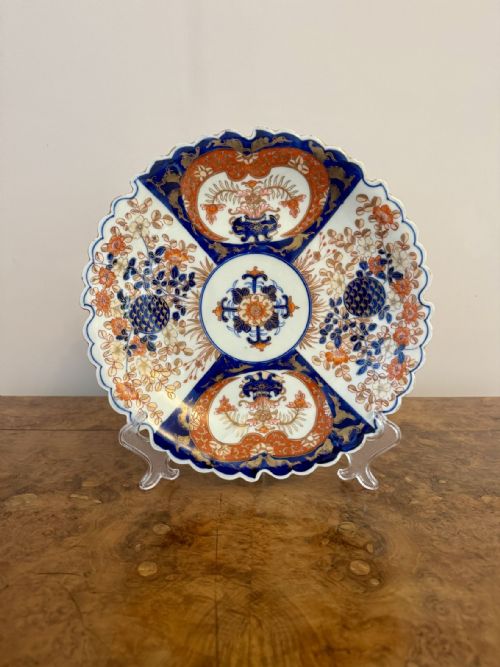
These vintage imari porcelain dish examples bring rich iron-red and cobalt hues to a table or wall, valued for their striking patterns.
Vintage Imari Porcelain Dish
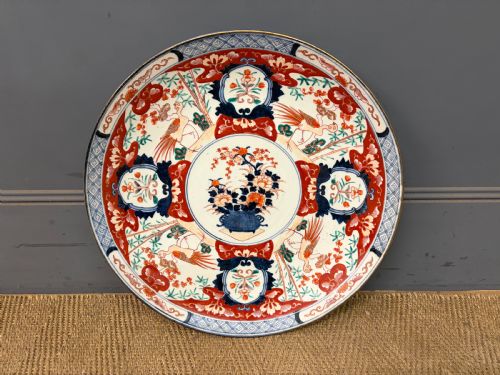
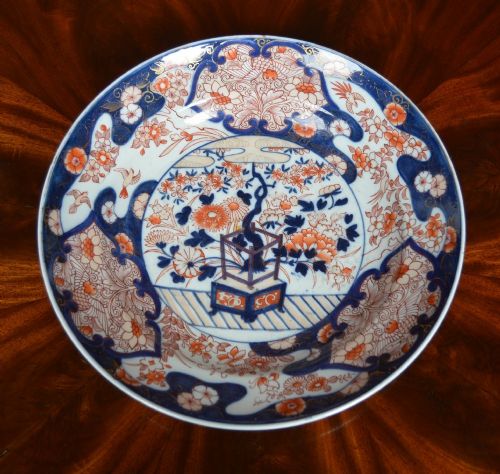
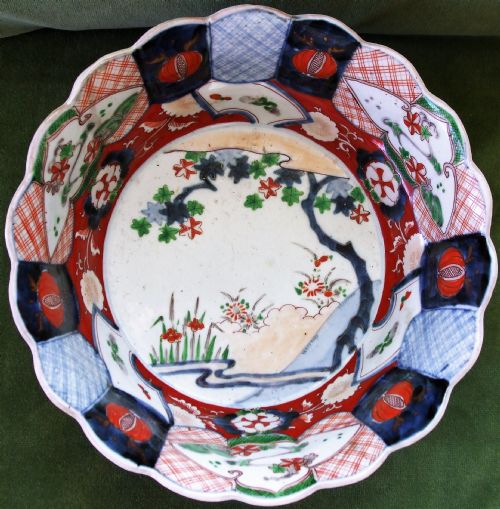
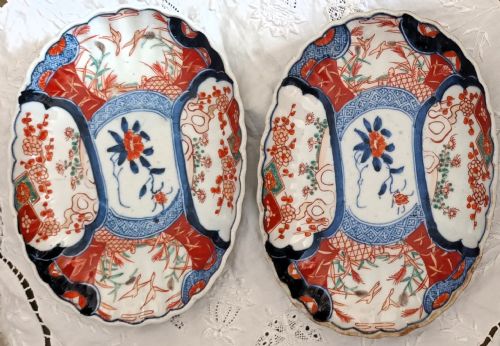
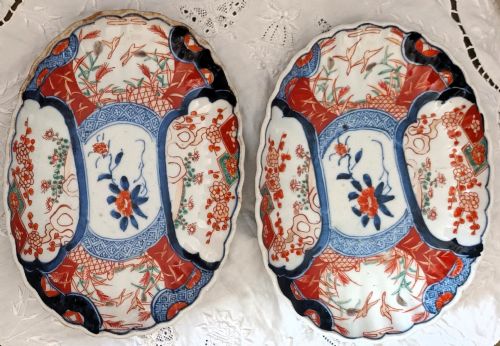
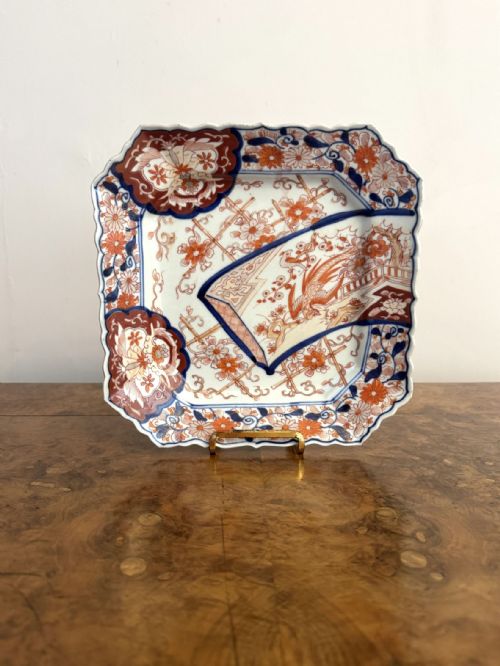
A vintage imari porcelain dish encompasses a range of decorative items, from chargers and wall plates to bowls, leaf-shaped platters, and square plates. Most pieces found here trace back to Japanese production, particularly the Meiji period and the early twentieth century, alongside English interpretations.
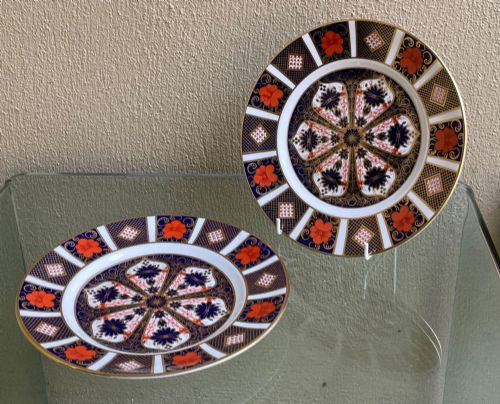
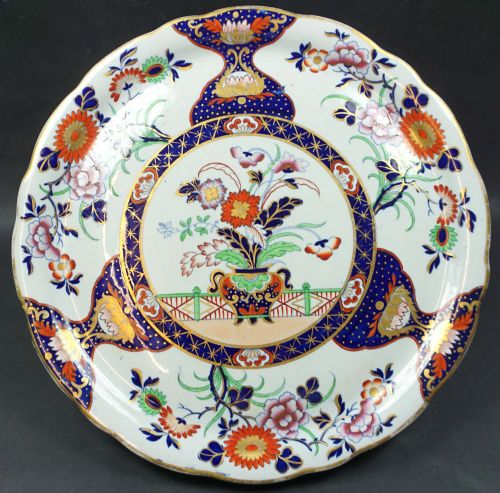
The assortment includes large chargers depicting motifs like the Seven Lucky Gods, scallop-edged bowls, and ribbon plates. Japanese imari sits alongside English makers such as Royal Crown Derby and Hicks & Meigh, showing how the palette travelled across continents.
How they were made
Potters shaped porcelain, bone china, and ceramic bodies into plates, dishes, and tureens before applying hand-painted designs. Enamel colours in iron-red and cobalt blue formed the foundation of the decoration.
Makers integrated gold leaf, gilt, and gilding onto the glazed surfaces to highlight specific details within the patterns. High-temperature firing set the cobalt blue under the glaze, while enamel and gold were often added and fired in a subsequent stage.
Vintage Imari Porcelain Dish Retail Price Guide 2026
Typical asking prices for vintage imari porcelain dish among the pieces listed under this phrase on Sellingantiques today, from the lower quarter to the upper quarter. They describe what is for sale here now, not the wider market.
Several dishes take the literal form of clams and leaves, proving potters enjoyed turning dinner service into a botany lesson.
What varies in quality
The distinction between standard items and finer examples rests upon the precision of the hand painting and the complexity of the design. Dense, crisp brushwork on large chargers or square plates indicates superior workshop output.
The application of gold leaf and the richness of the enamel colours also separate ordinary pieces from exceptional ones. Heavier porcelain bodies and well-balanced forms, such as precise scallop edges or uniform square shapes, signal higher standards of manufacture.
Royal Crown Derby·Hicks & Meigh·Masons
The Vintage Imari Porcelain Dish Glossary
- Imari style
- A decorative scheme originating in Japan, characterised by a palette of underglaze cobalt blue, iron-red enamel, and gold. It was later copied by European porcelain factories.
- Charger
- A large decorative plate intended for display on a wall or sideboard rather than for practical dining use. These pieces often feature complex pictorial scenes.
- Meiji period
- A Japanese historical era spanning from 1868 to 1912, known for prolific porcelain production exported to Western markets. Pieces from this time often exhibit intricate hand-painted motifs.
- Gilding
- The application of gold leaf or powdered gold to the surface of ceramic or porcelain. This technique adds metallic highlights to the painted design.
- Scallop edge
- A shaped rim formed of interconnected curves resembling a scallop shell. This moulding technique appears frequently on bowls and serving dishes.
Vintage Imari Porcelain Dish: Frequently Asked Questions
How do I hang a charger?
Large chargers often feature substantial porcelain rims or foot rings suitable for secure display mountings. Utilise coated wire hangers designed specifically for heavy ceramic plates to distribute the weight evenly.
Position the display away from high-traffic zones where accidental bumps might dislodge the piece. Ensure the wall fixing anchors directly into solid masonry or studwork.
Can I use these dishes daily?
While these items were originally functional tableware, the presence of delicate enamel and gold leaf on many pieces suggests careful handling is prudent. Hand washing in lukewarm water protects the historic pigments from fading over time.
Avoid abrasive sponges or harsh detergents that can wear down the painted surface. Reserve them for display or occasional serving rather than heavy everyday use.
What defines the imari palette?
The traditional palette relies heavily on deep cobalt blue painted under the glaze, paired with vibrant iron-red enamel over the glaze. Artisans then added gold leaf or gilt to create contrast and brightness.
This distinct combination creates a rich visual depth that distinguishes these wares from standard blue and white porcelain. The style proved immensely popular in both Japanese domestic markets and European export trade.
How do I date a piece?
Dating relies on examining the characteristics of the porcelain body, the style of the hand painting, and any maker marks present on the base. Pieces from the nineteenth century often show heavier potting and denser enamel work compared to later twentieth-century iterations.
Comparing the decorative motifs against known historical periods, such as the Meiji era or the Victorian age, helps narrow down the origin. Subtle variations in the cobalt blue tone also provide clues to the manufacturing era.