




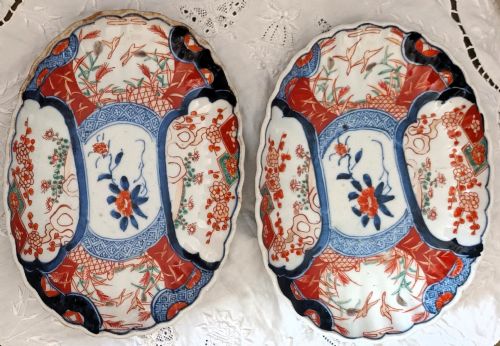

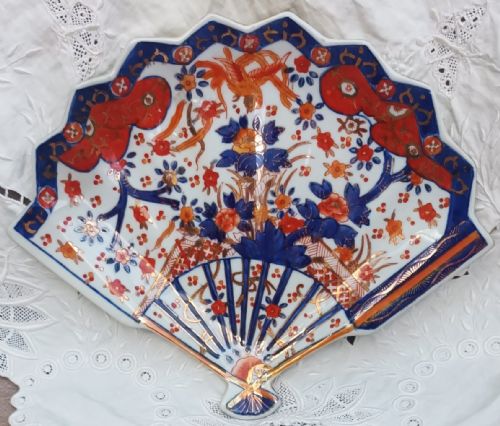


Vintage Imari Platter
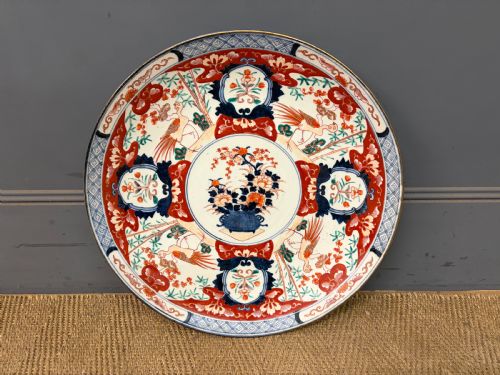
A vintage imari platter brings together striking hand-painted iron red and cobalt blue colour schemes to command attention on any wall or dining table.
Vintage Imari Platter
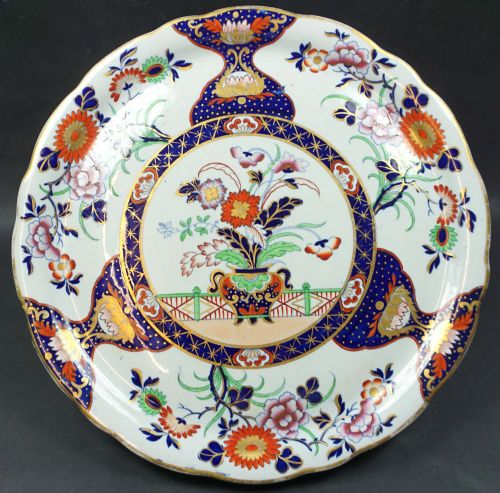
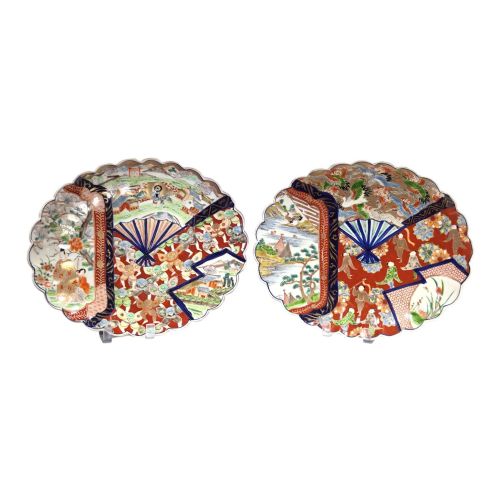
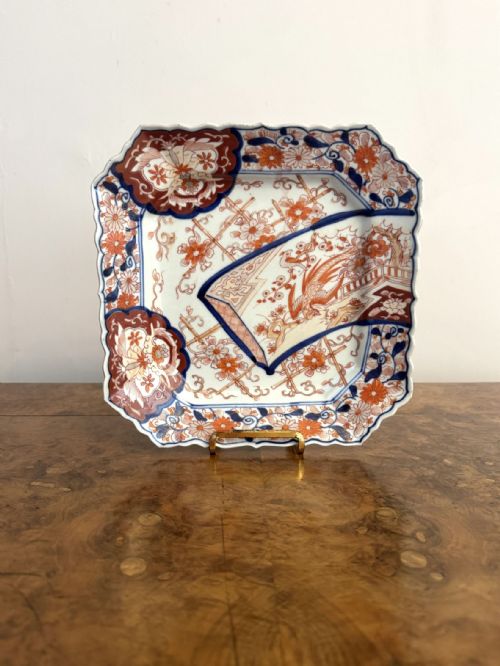
A vintage imari platter represents a striking decorative tradition originating from Japan and later adapted by English makers, spanning periods from the Edo and Meiji eras through to the twentieth century. These pieces take the form of chargers, shallow bowls, square plates, and serving dishes designed primarily for display or formal dining.
Buyers searching this phrase encounter both authentic Japanese porcelain wares and English interpretations like bone china and ironstone. The Japanese examples often feature traditional motifs such as the Seven Lucky Gods, while English variations employ similar palette characteristics on alternative ceramic bodies.
Materials and Techniques
Makers shaped these platters from porcelain, bone china, and ceramic bodies before applying underglaze blue and overglaze iron red enamels. Many examples incorporate gilding and gold leaf accents to highlight intricate geometric and floral panels.
The firing process required multiple stages to set the cobalt blue beneath the glaze before artists added the enamel colours and gold leaf details above the glaze for a rich textured finish.
Vintage Imari Platter Retail Price Guide 2026
Typical asking prices for vintage imari platter among the pieces listed under this phrase on Sellingantiques today, from the lower quarter to the upper quarter. They describe what is for sale here now, not the wider market.
Current listings feature porcelain and ceramic pieces spanning the Meiji period, Victorian era, and early twentieth century.
Assessing Quality and Execution
Quality rests upon the precision of the hand-painted brushwork and the complexity of the design layout across the surface. Superior examples display crisp cobalt tones and meticulously applied enamel details without blurring.
The weight of the porcelain and the crispness of moulded edges, particularly on scalloped or square plates, distinguish finer production standards from simpler utilitarian wares.
Royal Crown Derby·Hicks & Meigh
The Vintage Imari Platter Glossary
- Imari
- A style of ceramic decoration originating in Japan, characterised by a palette of cobalt blue, iron red, and gilt highlights. It takes its name from the port town from which the wares were shipped.
- Charger
- A large decorative plate or shallow dish traditionally used for formal service or wall display. These pieces provide a wide canvas for complex polychrome patterns.
- Meiji Period
- The era of Japanese history spanning from eighteen sixty-eight to nineteen twelve. Pieces from this time often exhibit elaborate pictorial scenes and refined enamel work.
- Enamel
- Opaque glass-like material applied over the glaze in various colours. It creates the raised, tactile red and accent hues found on traditional palette designs.
- Bone China
- A type of porcelain incorporating animal bone ash. English manufacturers utilised this body to create refined serving dishes with bright white backgrounds.
Vintage Imari Platter: Frequently Asked Questions
What is an imari platter?
An imari platter is a decorative ceramic plate or charger characterised by a distinct colour palette consisting mainly of underglaze blue, iron red, and gilt.
These pieces were produced in both Japan and England, serving primarily as ornamental wall hangings or centrepiece dishes for formal tables.
How do I date an imari piece?
Dating relies on examining the ceramic body, the style of the hand-painted motifs, and any factory marks stamped on the base.
Japanese pieces often align with the Edo or Meiji periods, while English interpretations reflect nineteenth and early twentieth century manufacturing traits.
Can I use these platters for food?
While many vintage and antique platters were originally intended for dining service, older overglaze enamels and gold leaf can wear down with modern dishwasher use.
Most buyers choose to display these chargers on walls or stands to protect the hand-painted surfaces from cutlery damage.