





Vintage Imari Charger
A vintage imari charger brings bold iron-red and cobalt-blue palettes to your table, offering centuries of ceramic tradition.
Vintage Imari Charger
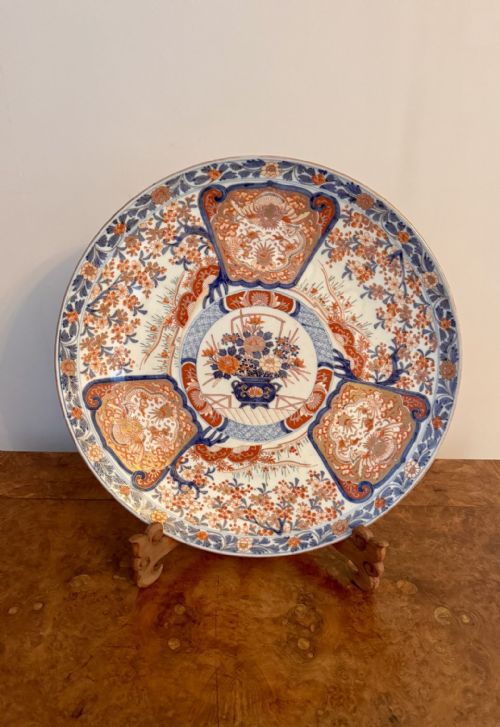
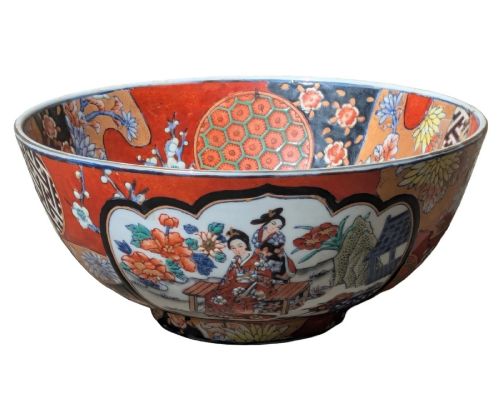
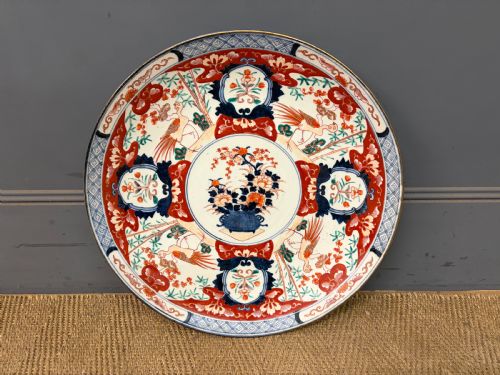
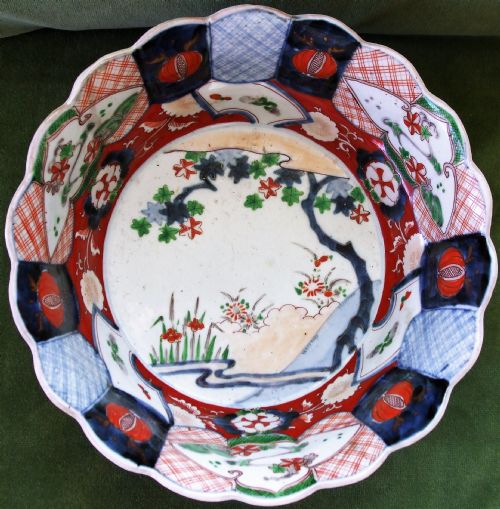
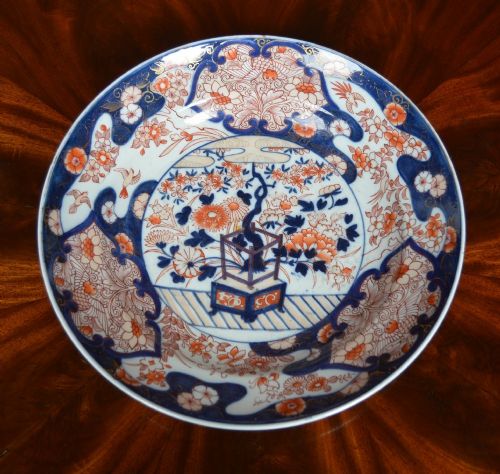
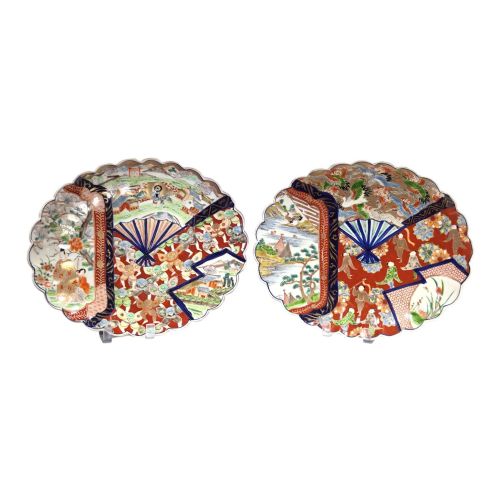
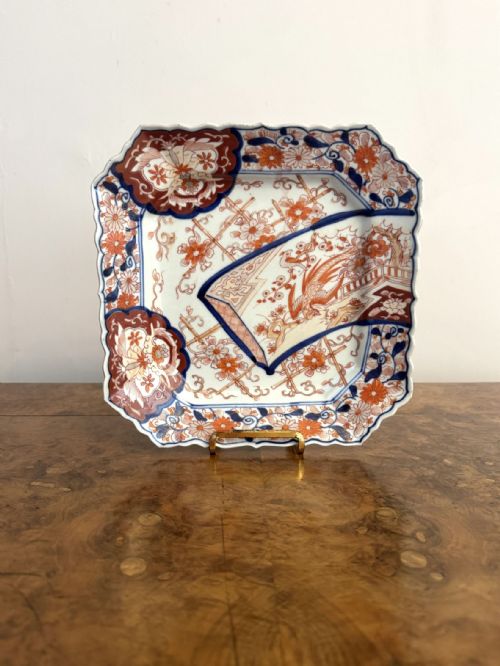
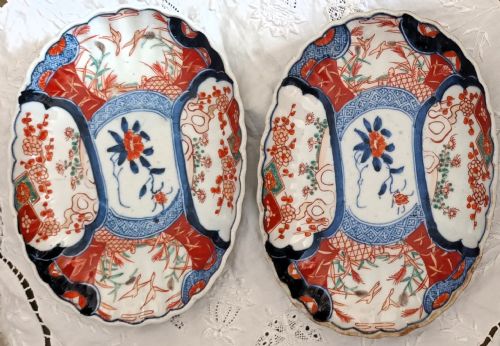
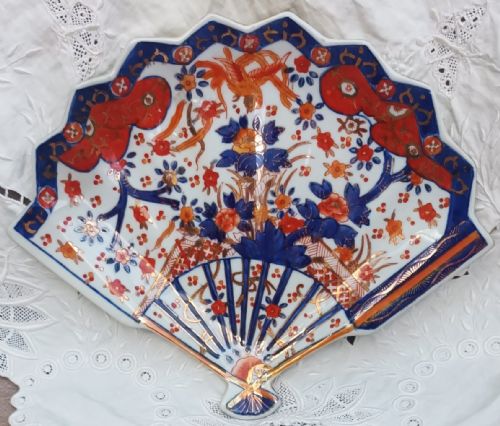
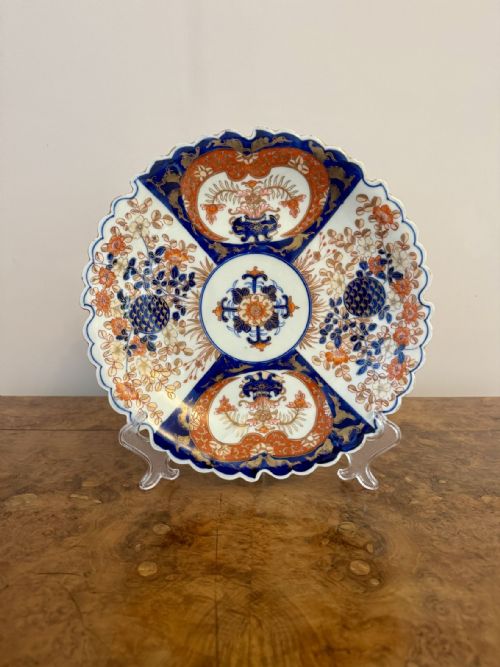
A vintage imari charger is a large decorative ceramic plate featuring the distinctive cobalt-blue, iron-red, and gilt palette originating from Japanese kilns. You will encounter pieces spanning from the Edo and Meiji periods through to the twentieth century, including Victorian imports and later Showa period examples. The forms range from wide circular chargers and wall plates to scalloped edge bowls and square shaped dishes.
Most examples found in daily browsing date from the late nineteenth and early twentieth centuries, particularly around 1900. These items served primarily for display rather than dining, designed to be mounted on walls or set on sideboards. Alongside the dominant Japanese traditions, the selection includes related Chinese export porcelain sharing the same aesthetic lineage.
Materials and construction
These pieces are constructed from hard-paste porcelain or ceramic bodies, shaped by hand or moulded into circular, square, and scalloped forms. Artisans applied cobalt blue underglaze decoration before the initial firing, followed by iron-red enamel and gold leaf or gilding applied over the glaze during a subsequent low-temperature firing.
The combination of glaze, enamel, and gold gilt produces a layered surface texture characteristic of genuine imari ware. Hand painting ensures that details such as the Seven Lucky Gods or floral motifs exhibit individual brushwork variations across each charger and plate.
Vintage Imari Charger Retail Price Guide 2026
Typical asking prices for vintage imari charger among the pieces listed under this phrase on Sellingantiques today, from the lower quarter to the upper quarter. They describe what is for sale here now, not the wider market.
Listings feature porcelain pieces spanning from the 1880s through to the 1930s, encompassing both Victorian-era imports and Showa period items.
Distinctions in quality
The precision and complexity of the hand-painted motifs determine the standing of an individual charger within the wider range. Pieces displaying refined brushwork in the cobalt blue and iron-red enamels, coupled with well-preserved gold leaf accents, sit at the upper end of the scale.
Form and structural variety also influence the grade of a piece, with unusual shapes like square profiles and scallop edges demanding greater technical skill from the potter. Condition of the glaze and the vibrancy of the gilding further separate standard decorative plates from exceptional examples.
The Vintage Imari Charger Glossary
- Charger
- A large ornamental plate, typically exceeding thirty centimetres in diameter, used historically for ceremonial display or serving rather than daily dining. These substantial pieces provide a wide canvas for intricate ceramic painting.
- Imari
- A traditional style of Japanese porcelain originating from the town of Arita and exported through the port of Imari. It is defined by its strong use of underglaze blue, iron-red, and supplementary gold leaf.
- Meiji Period
- The era of Japanese history lasting from 1868 to 1912, noted for a surge in export ceramics destined for Western markets. Pieces from this time often exhibit elaborate enamel and gilding techniques.
- Edo Period
- The period in Japanese history spanning from 1603 to 1867, during which the foundational aesthetics of imari porcelain were established. Early chargers from this epoch are prized for their historical depth.
- Enamel
- A decorative glass-like substance fused to the surface of fired ceramic during a secondary low-temperature kiln process. In imari ware, iron-red enamel provides the primary contrasting tone to cobalt blue.
Vintage Imari Charger: Frequently Asked Questions
What is an imari charger used for?
These large ceramic plates were created primarily for visual display on walls, cabinets, or large sideboards rather than for holding food. Their heavy porcelain construction and rich colour schemes made them centrepieces in traditional interiors.
Today, collectors continue to use them as decorative wall plates or table centerpieces, where their bold patterns complement both period and modern rooms.
How do I date an imari charger?
Dating relies on examining the ceramic body, the quality of the underglaze blue, and the style of the overglaze enamels. Pieces range from the Edo period through the Meiji era and into twentieth-century iterations.
Stylistic shifts in the hand-painted motifs and the brightness of the gold leaf often provide clear clues to whether a piece originates from the nineteenth century or later.
Are imari plates Japanese or Chinese?
The imari tradition is fundamentally Japanese, originating in Arita and shipped through the port of Imari for international markets. The distinct palette of cobalt blue and iron-red became globally renowned through Japanese export trade.
Chinese kilns also produced export pieces in imitation of this Japanese style, meaning some items reflect parallel manufacturing histories from the same broad era.
How should I clean an antique charger?
Antique ceramics require gentle maintenance to preserve the delicate overglaze enamels and gold leaf decorations. Dusting with a soft, dry cloth is usually sufficient for regular upkeep.
Avoid submerging older pieces in water or using abrasive cleaning agents, as harsh chemicals can strip away the historical gilding and enamel details.