



Vintage Imari Ceramics
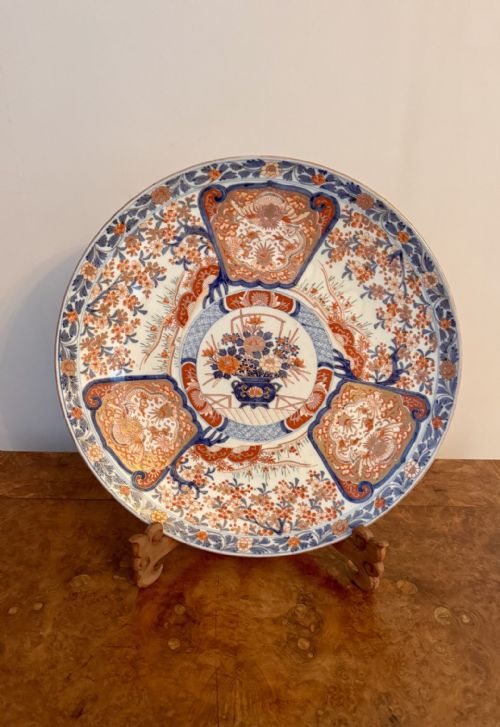
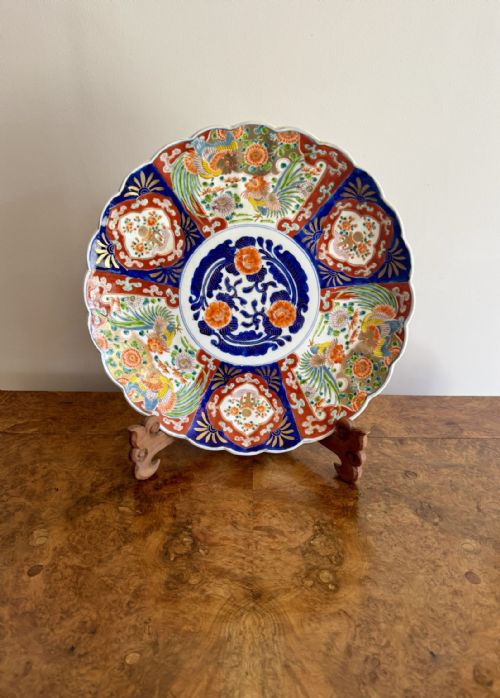
Vintage imari ceramics bring rich palettes of iron red and cobalt blue to plates, bowls, and vases across several centuries.
Vintage Imari Ceramics
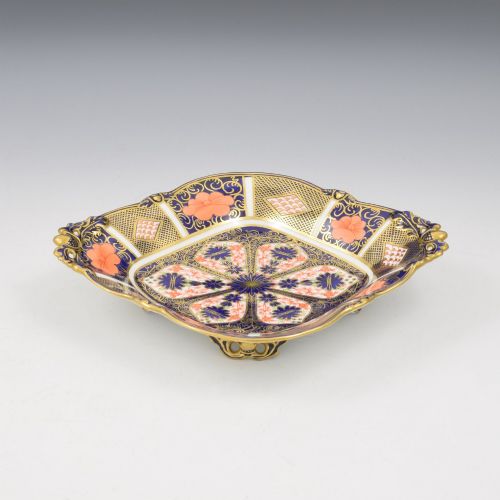
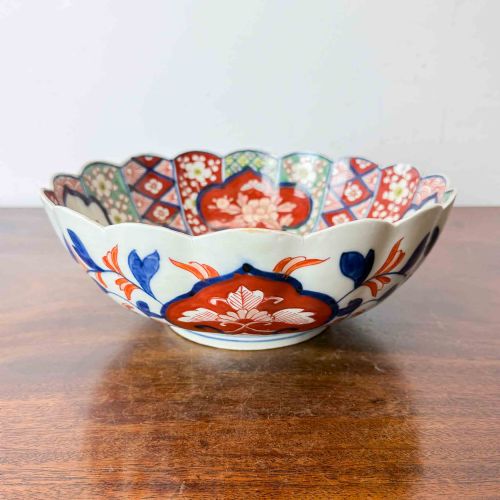
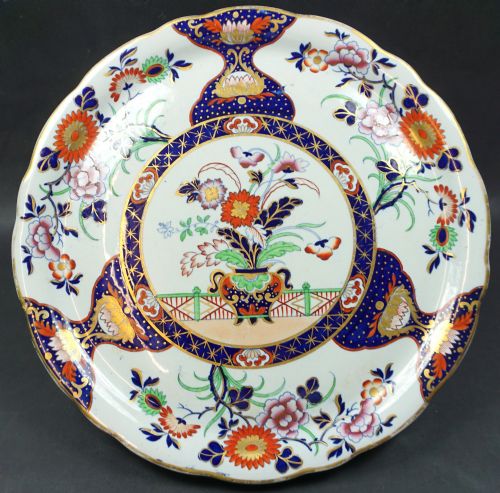
Vintage imari ceramics comprise decorative plates, bowls, chargers, and vases originating from Japanese production centres as well as English adaptations. Buyers searching for vintage imari ceramics encounter Japanese pieces from the Meiji period alongside European ironstone and porcelain interpretations from Georgian and Victorian makers.
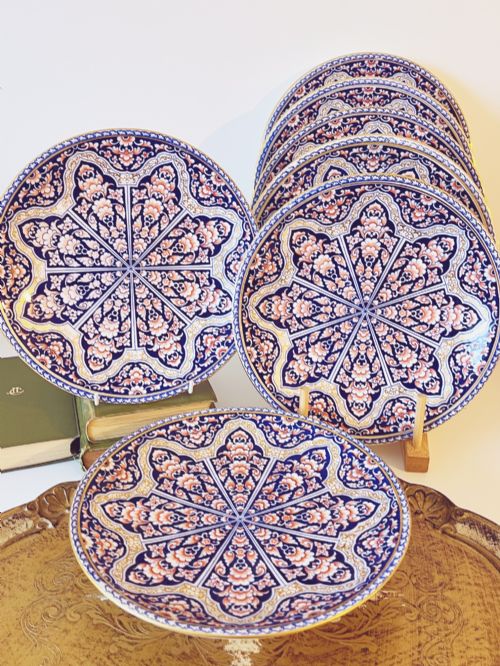
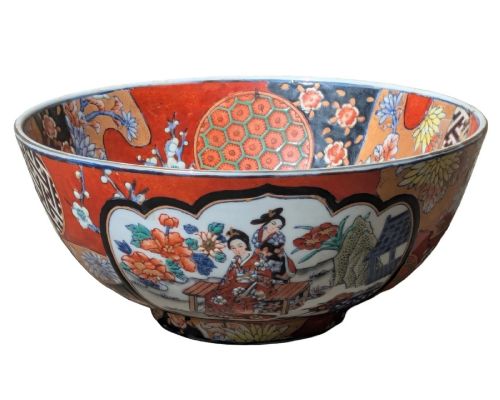
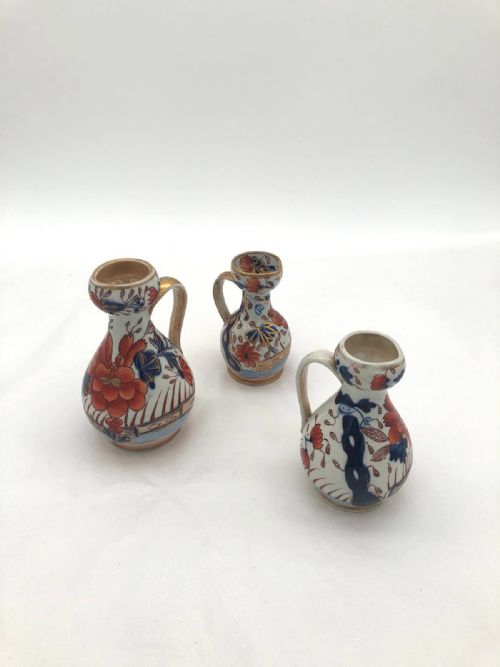
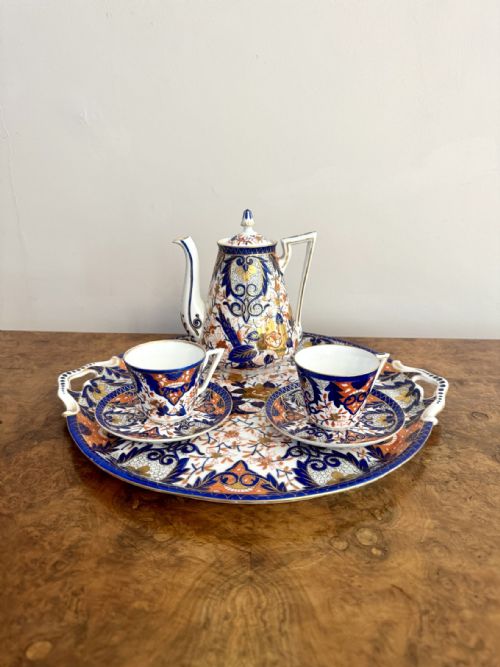
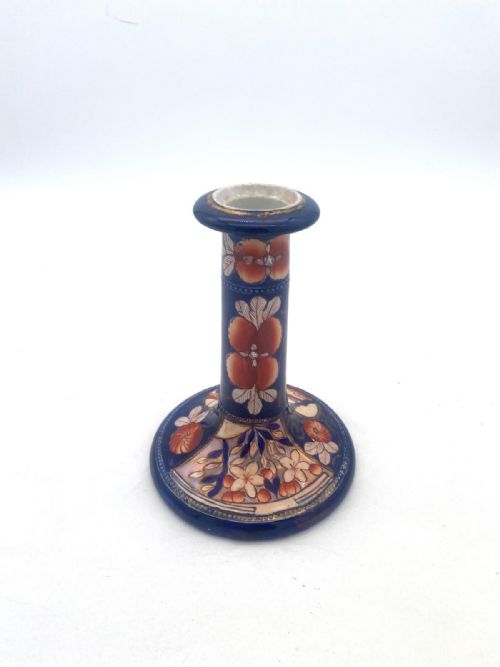
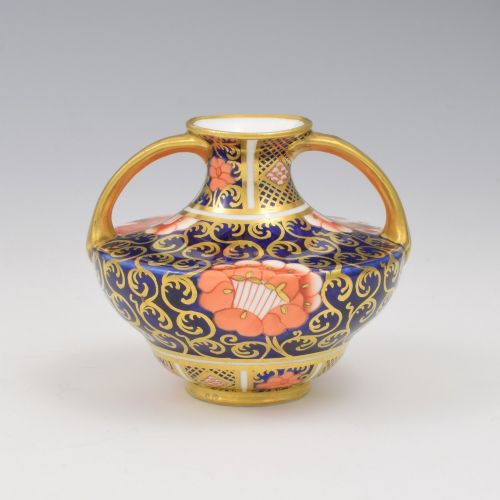
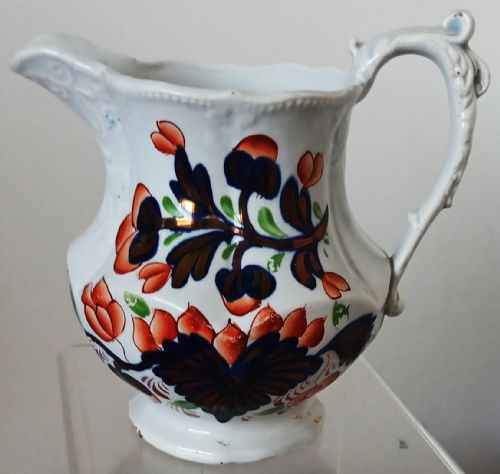
The form ranges from large scalloped chargers and square plates to miniature twin-handled vases and biscuit barrels. Japanese Meiji period examples and later Victorian English services dominate the selection available on this page.
How they were made
Potters shaped porcelain, bone china, and ironstone before applying underglaze cobalt blue and overglaze enamel colours. Artisans added gold leaf and gilt highlights to accentuate intricate patterns across plates and vessels.
Firing techniques fixed the dense glaze and metallic details onto the ceramic body. Many items feature hand-coloured or hand-painted motifs executed on Japanese porcelain and English ironstone substrates.
Listings span the seventeenth century through the Victorian era, uniting Japanese porcelain with English ironstone and bone china.
What varies in quality
Quality rests on the crispness of the enamel work and the precision of the cobalt blue underglaze. Superior examples display carefully controlled brushwork and intact gold leaf across the surface of the charger or vase.
The weight and refinement of the ceramic body also distinguish standard production pieces from finer items. Well-preserved Japanese Meiji period bowls and English porcelain services maintain vibrant pigments without rubbing or fading.
Royal Crown Derby·Mason's Ironstone·Ginshōtei Gyokushi·Hicks & Meigh
The Vintage Imari Ceramics Glossary
- Imari
- A style of ceramic decoration originating in Japan, characterised by a palette of cobalt blue, iron red, and gilt highlights. The tradition influenced European potteries to produce their own Japan pattern ironstone and porcelain.
- Charger
- A large decorative plate or disk used for presentation or serving. These pieces often hang on walls or sit centrally on furniture to display detailed enamel patterns.
- Ironstone
- A durable type of earthenware patented in the nineteenth century by English manufacturers as a robust alternative to porcelain. It readily accepts vibrant underglaze and enamel transfer printing.
- Meiji Period
- The era in Japanese history spanning from eighteen sixty-eight to nineteen twelve, noted for prolific export ceramics. Pieces from this time frequently employ dense imari patterning and scalloped edges.
Vintage Imari Ceramics: Frequently Asked Questions
How do I clean vintage imari ceramics?
Wash pieces gently by hand using lukewarm water and a mild soap. Avoid soaking items that feature delicate gold leaf or overglaze enamel.
Dry them immediately with a soft cloth to protect the surface finish and prevent moisture damage to older ceramic bodies.
Can I use these plates for dining?
Most antique and vintage pieces function primarily as decorative items rather than daily tableware. The overglaze enamels and gilt highlights can wear down with regular food contact and cutlery.
Display chargers and plates on stands or walls to preserve their painted surfaces.
What is the difference between Japanese and English imari?
Japanese examples usually employ fine porcelain bodies with hand-painted cobalt blue and iron red motifs from the Meiji period or earlier. English interpretations often utilise heavy ironstone or bone china produced by factories such as Royal Crown Derby.
European versions emulate the Eastern aesthetic using domestic manufacturing techniques and local clay bodies.
How do I date a piece of imari?
Examine the base for maker marks, registration numbers, or pattern codes that correspond to specific Victorian or Georgian operating dates. The ceramic material itself, whether soft paste, ironstone, or Meiji porcelain, provides further chronological clues.
Stylistic shifts in the enamel palette also help narrow down the decade of production.