
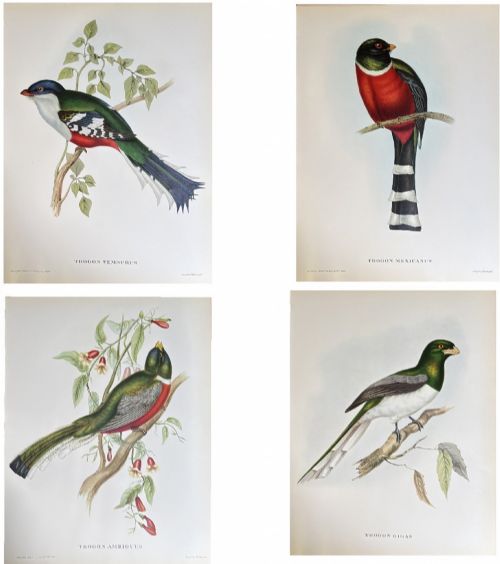
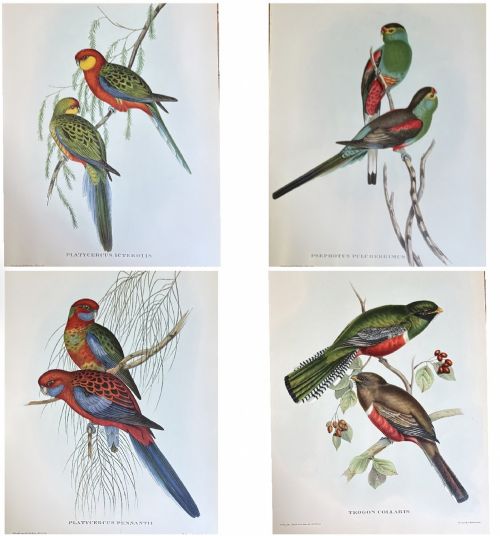
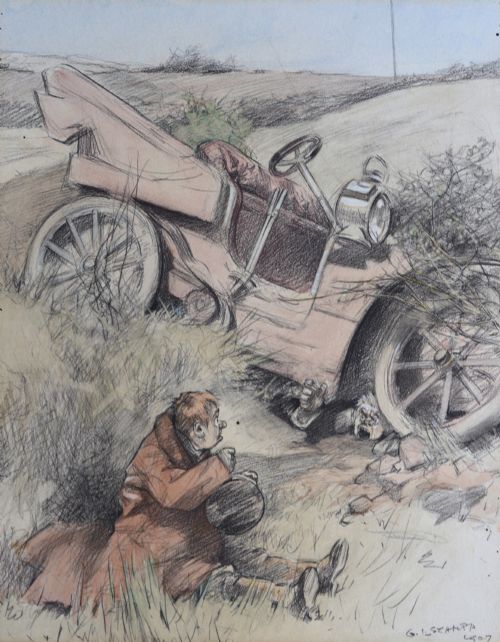
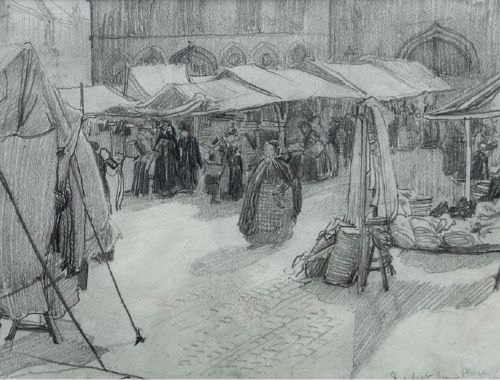
Vintage Illustration Artwork
Vintage illustration artwork brings character to a room through original watercolours, ink drawings, and period prints created across the nineteenth and twentieth centuries.
Vintage Illustration Artwork
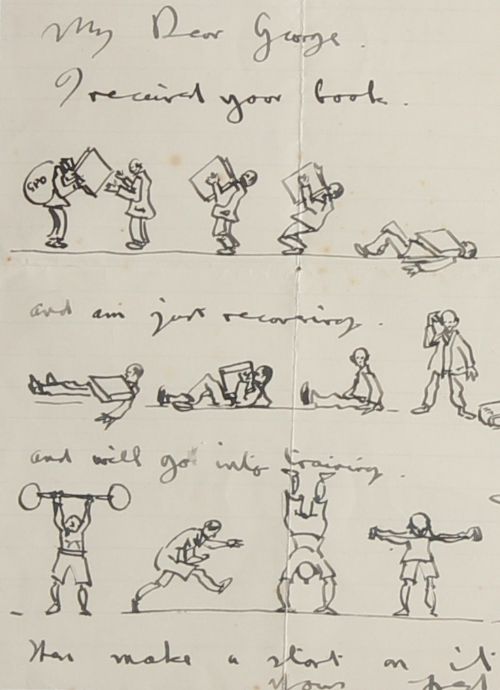
Vintage illustration artwork encompasses diverse paper-based pieces ranging from botanical watercolours and natural history prints to caricatures and architectural engravings. Buyers find works spanning the eighteenth century through to the mid-twentieth century, including Regency floral studies and Edwardian sketches.
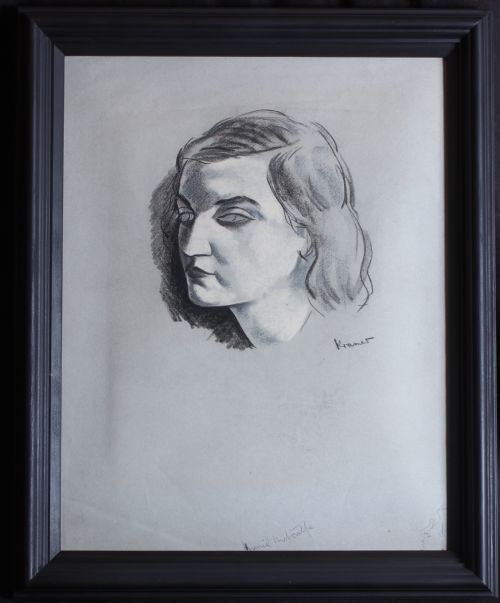
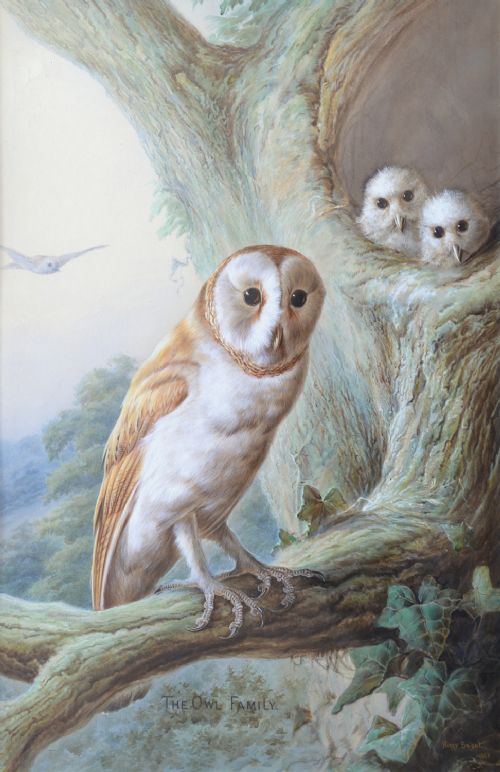
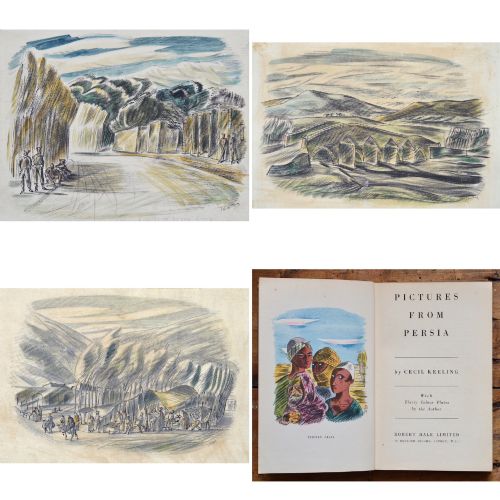
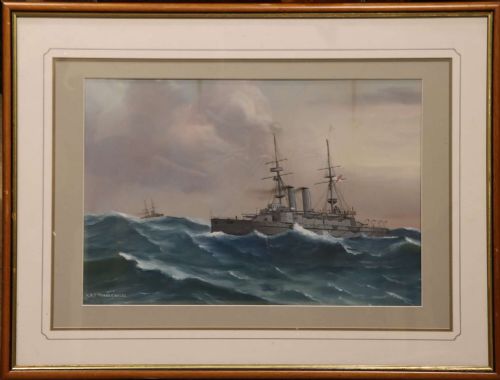
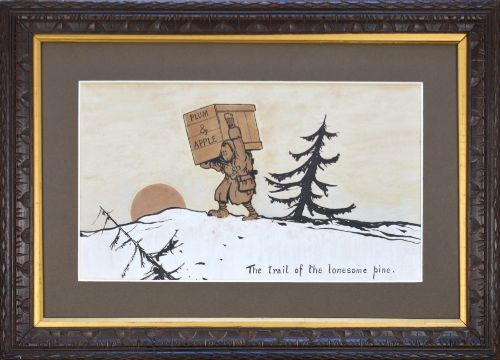
The selection on this page leans heavily toward framed paintings, original drawings, and lithographic prints framed in wood or gilt surrounds. Pieces reflect distinct historical periods such as Victorian natural history, Art Deco design, and mid-century modern aesthetics.
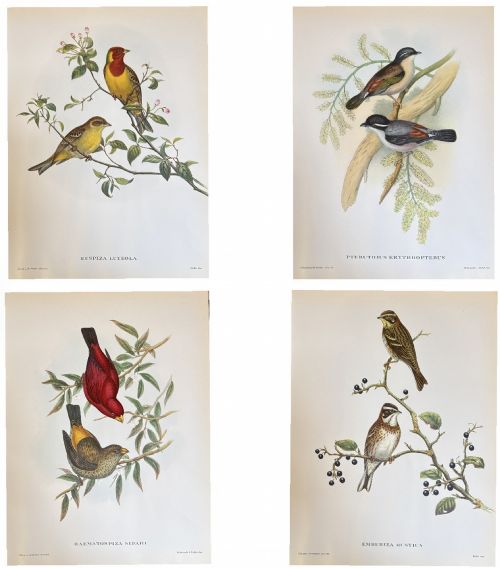
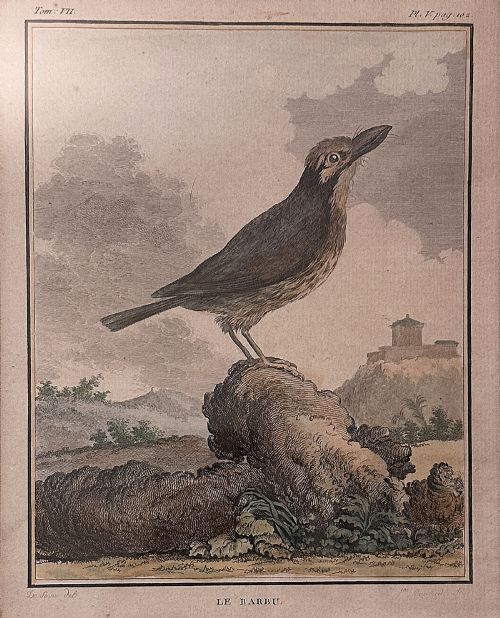
Subjects vary widely from tropical birds and botanical specimens to military scenes, portraits, and architectural views. These works capture the illustrative styles and printing techniques of their respective eras, providing decorative focal points for walls.
Materials and methods
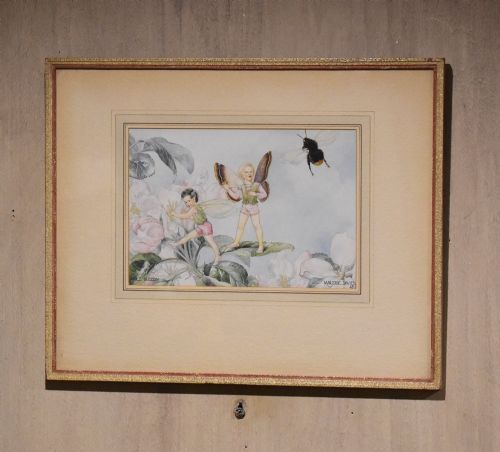
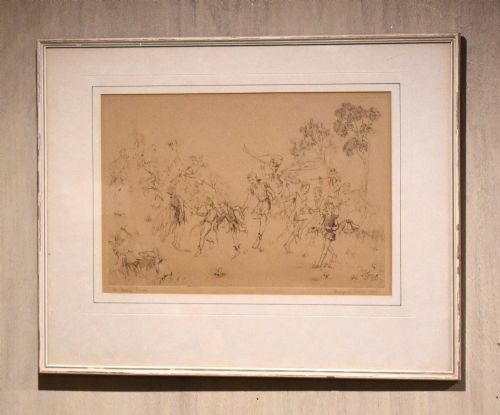
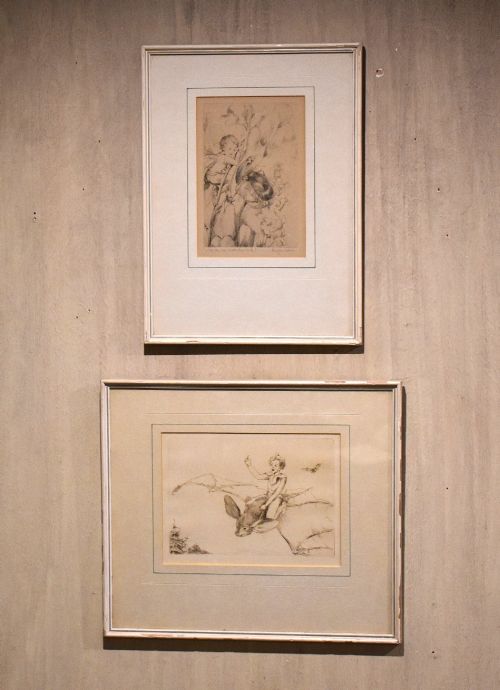
Works in this category rely primarily on paper supports, utilising watercolours, ink, pencil, gouache, and pastel to build composition and colour. Artists and illustrators applied these mediums by hand, often creating original drawings and paintings intended for publication or private collection.
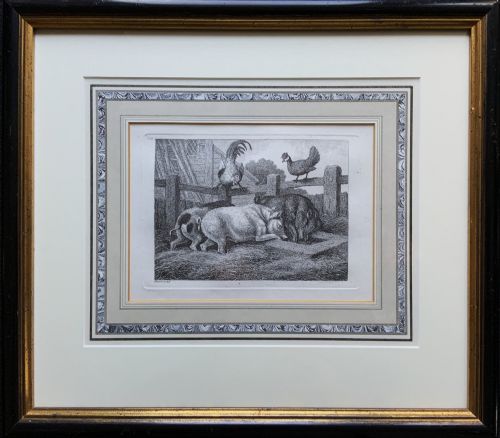
Lithography and engraving techniques served to reproduce illustrative works in multiple copies, utilising inked plates or stones transferred to paper. Framing materials typically involve wood, rosewood, oak, or gilt surrounds designed to protect and display the paper artwork.
Listings feature paper works from the eighteenth, nineteenth, and twentieth centuries, executed in watercolour, ink, pencil, and lithography.
Distinctions in quality
Quality in vintage illustration artwork rests on the execution of the hand, the preservation of the paper support, and the clarity of the printed image or pigment. Original hand-painted watercolours and signed pencil drawings generally command closer attention than mass-produced reproductions.
The integrity of the medium, the absence of excessive fading, and the quality of the framing materials contribute to the overall standard of a piece. Works retaining their original association with known illustrators or period framers demonstrate superior craftsmanship.
Bruce Bairnsfather·George Lorain Stampa·John Hassall·Sir William Nicholson·David Roberts
The Vintage Illustration Artwork Glossary
- Lithograph
- A print produced by drawing on limestone or a metal plate with a greasy substance so that ink adheres only to the drawn areas. This technique allowed artists to create multiple nuanced impressions of their original illustrations.
- Gouache
- An opaque water-based paint that includes a white pigment filler, giving it a heavier and more solid finish than traditional watercolour. It appears frequently in twentieth-century portrait and animal sketches.
- Woodblock print
- An image created by carving a design into a block of wood, applying ink, and pressing it onto paper. Japanese examples often utilise this method to produce detailed colour prints.
- Engraving
- A printmaking process where an artist cuts a design directly into a metal plate with a burin. The resulting lines hold the ink under pressure to transfer a precise linear image onto paper.
Vintage Illustration Artwork: Frequently Asked Questions
What is vintage illustration artwork?
Vintage illustration artwork comprises original drawings, watercolours, and period prints created for books, magazines, or independent display during the nineteenth and twentieth centuries.
These pieces capture the artistic styles, printing techniques, and cultural interests of periods ranging from the Georgian era to mid-century modern design.
How should I frame and display these paper pieces?
Display paper artworks away from direct sunlight to prevent fading of watercolours, inks, and gouache pigments over time. Use professional framing with acid-free mounts to protect the paper from deterioration.
Grouping complementary botanical prints or sketches together creates a balanced wall display suited to period or modern interiors.
How do I identify the age of an illustration?
Examine the paper type, medium, framing materials, and any signatures or dates inscribed by the artist. Stylistic cues such as Art Deco geometry or Victorian natural history conventions also help narrow down the period.
Published prints often bear publication dates or publisher credits in the margins that confirm their era of production.
What is the difference between an original drawing and a print?
An original drawing or watercolour is a unique, one-of-a-kind creation executed by the artist's hand using pencil, ink, or paint directly on the paper support.
A print, such as a lithograph or engraving, is a mechanical or chemical reproduction created from an original plate, block, or stone to produce multiple copies.