




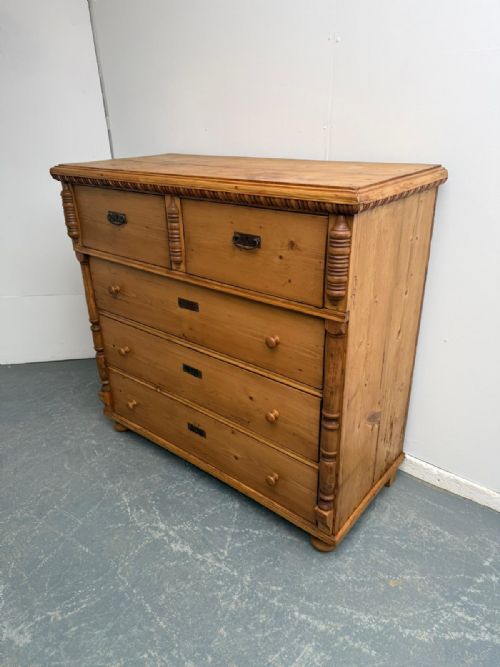

Vintage Hungarian Chest
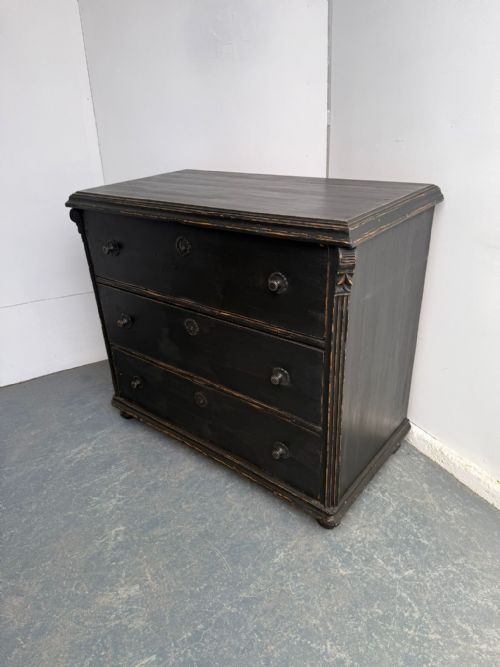
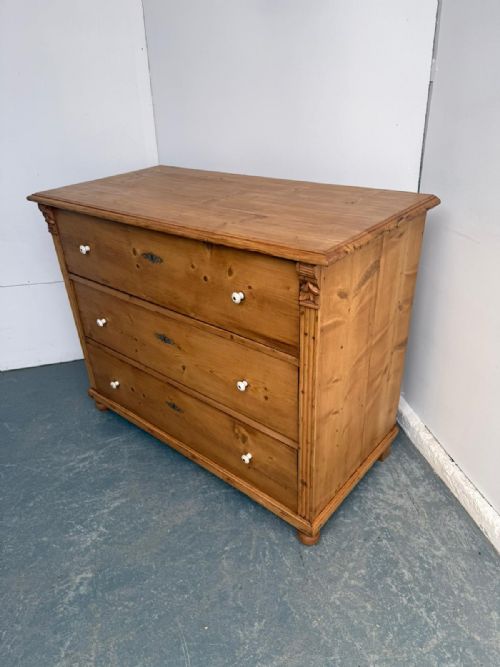
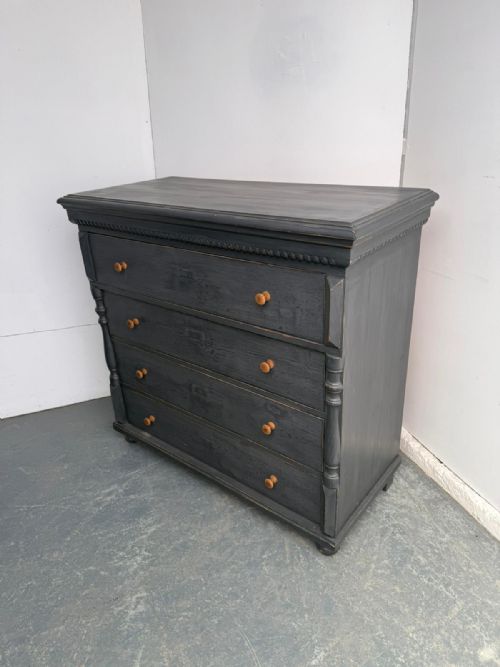
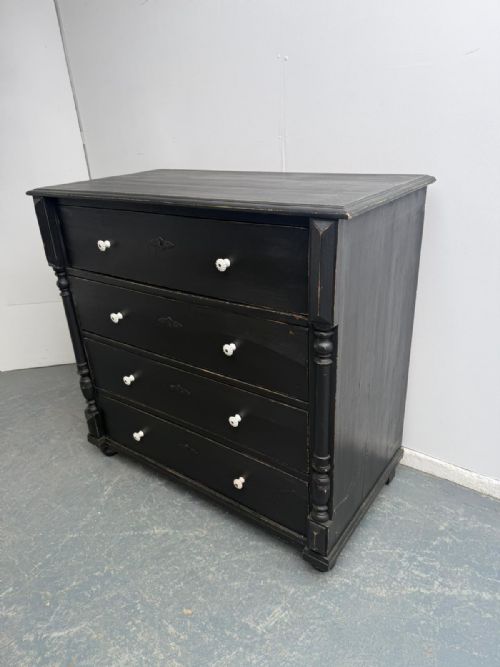
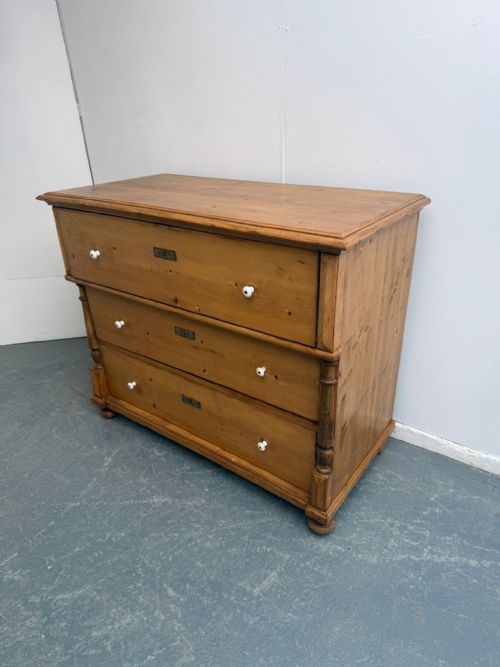
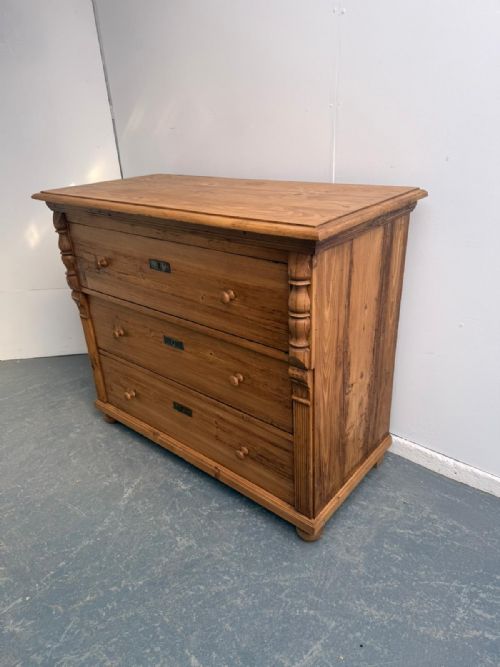
A vintage hungarian chest brings sturdy rustic character and practical storage to a room through traditional pine construction and painted or waxed finishes.
Vintage Hungarian Chest
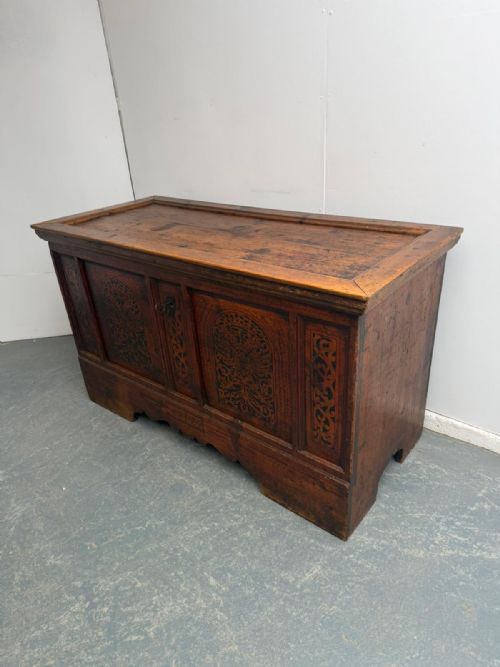
When you search for a vintage hungarian chest, you encounter sturdy pine storage pieces spanning the Georgian, Regency, and Victorian periods up to nineteen ten. These items range from small boxes and coffer boxes to low wide blanket boxes and multi-drawer chests of drawers.
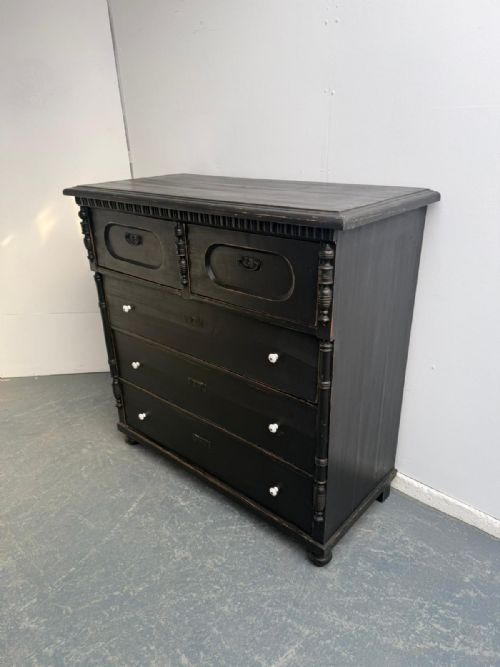
The most common examples on this page are three-drawer and five-drawer chests alongside painted coffer boxes and large shop fittings with numerous small drawers. European folk art and rustic country styles dominate the selection, showing the practical domestic and commercial heritage of these items.
Makers utilised local timbers and straightforward forms to create durable storage for rural and urban settings alike. The designs prioritize utility, resulting in clean structural lines whether the surface is left with a waxed wood grain or covered in original paint.
Materials and construction methods
Carpenters built these pieces primarily from solid pine, selecting softwoods that were readily available and straightforward to work with for everyday furniture. Iron and brass hardware such as hinges, handles, and locks provided necessary structural reinforcement and functional operation.
Surface treatments divided into two main traditions: waxed finishes that highlighted the natural grain of the old pine, and original painted schemes in black, grey, white, cream, or floral folk art designs.
Joinery techniques focused on strength and durability, accommodating the expansion and contraction of solid timber over decades of use in homes and shops.
An unusually ambitious workshop once built a single pine shop fitting containing fifty individual drawers.
Distinguishing quality across the range
The degree of original surface preservation significantly shapes the character of each piece, distinguishing items with untouched historical paintwork from those with later treatments. Surviving decorative folk art motifs or clean original monochrome paint indicate a higher level of historical integrity.
Proportion and scale also define the hierarchy of these items, from compact small boxes and low wide chests to massive multi-drawer shop fittings with twenty-five or fifty drawers. Heavier, larger forms require robust framing and precise internal joinery to maintain stability across many tiers of drawers.
The execution of secondary details, such as the fitting of brass or iron fixtures and the smoothness of drawer operation within solid pine carcases, reflects the original workshop standards.
The Vintage Hungarian Chest Glossary
- Coffer box
- A large storage chest with a hinged lid, traditionally used for keeping household textiles and valuables secure. These boxes often feature original painted surfaces or simple waxed pine finishes.
- Shop fitting
- Commercial storage furniture featuring a high density of small drawers, designed for organising stock in a retail environment. Examples range up to fifty drawers in a single pine structure.
- Pine
- A softwood timber commonly used in regional European furniture making for its workability and abundance. It takes both wax and paint treatments effectively.
- Folk art
- Decorative styles and motifs rooted in regional cultural traditions rather than academic design canons. Hungarian examples often incorporate specific floral patterns and unique pigment choices.
- Waxed finish
- A treatment method where natural wax is rubbed into the timber surface to nourish the wood and provide a soft sheen. This process protects the pine while exposing the grain.
Vintage Hungarian Chest: Frequently Asked Questions
How do I use a coffer box at home?
A coffer box provides deep interior volume that suits the storage of bulky items like blankets, winter textiles, or cushions. Placing one at the foot of a bed or in a hallway makes the hinged lid easily accessible while serving as a decorative surface.
The flat top also allows the box to function as a low bench or display space for objects. Their sturdy pine construction ensures they handle daily domestic placement comfortably.
Where do multi-drawer shop fittings work best?
Shop fittings with numerous small drawers suit studies, kitchens, or living spaces where sorting and organising small items is necessary. Their distinctive multi-tier facade creates a strong visual focal point against plain walls.
Positioning them as standalone cabinets allows the bank of drawers to remain fully accessible. The solid pine build provides the stability required for heavy daily interaction with multiple drawer pulls.
What is the difference between waxed and painted pine?
Waxed pine finishes penetrate the wood to protect the fibres while revealing the natural knots and grain patterns of the timber. This approach emphasises a warm, rustic texture derived from age and handling.
Painted finishes coat the exterior in historical pigments such as black, grey, cream, or white, sometimes incorporating folk art floral details. Original paint layers preserve the specific decorative choices made during the nineteenth or early twentieth centuries.
How do I identify a Victorian piece?
Victorian items in this category typically display standard nineteenth-century proportions, construction joints, and hardware associated with regional European workshops. They often combine utilitarian pine carcases with either waxed patination or original painted surfaces.
Comparing the internal drawer construction and backboards to known period standards helps confirm the era. The presence of specific folk art motifs or shop fitting configurations further situates the object within the nineteenth-century timeline.