


Vintage Horse Portrait Canvas
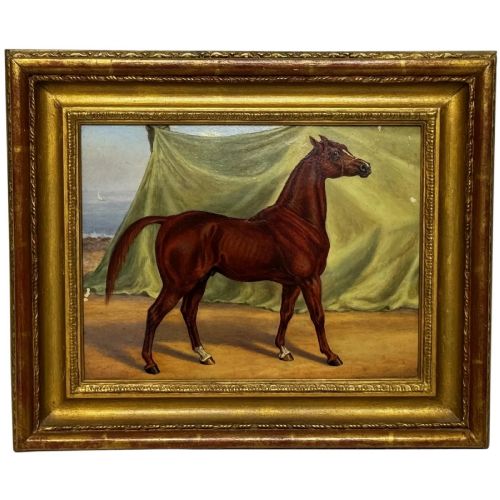
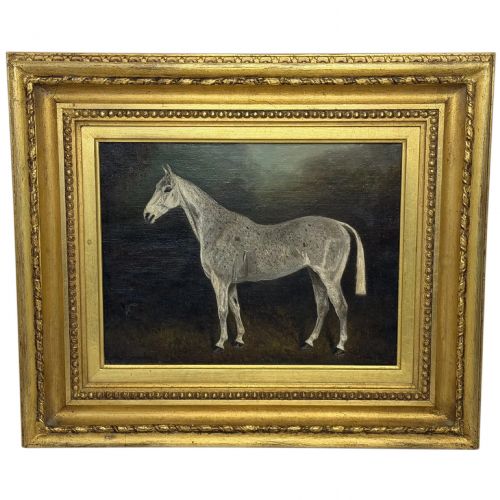
These vintage horse portrait canvas works capture the muscle, spirit, and individuality of celebrated equine subjects through traditional brushwork.
Vintage Horse Portrait Canvas
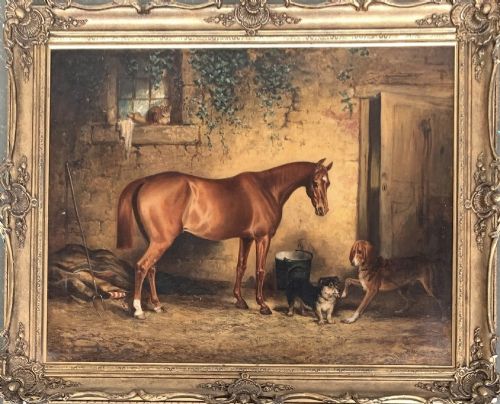
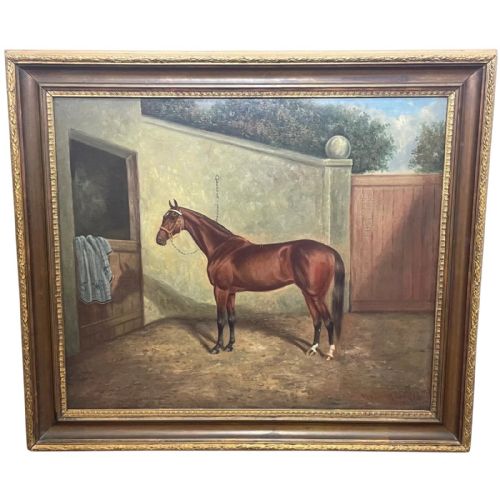
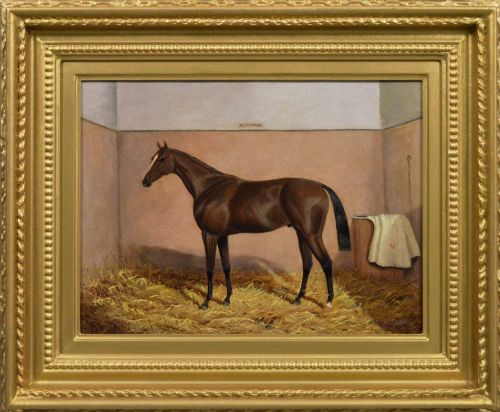
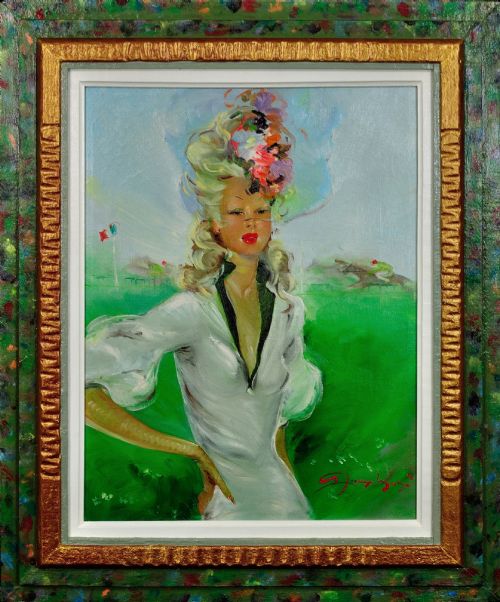
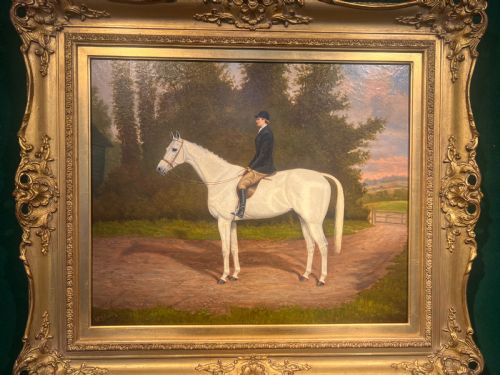
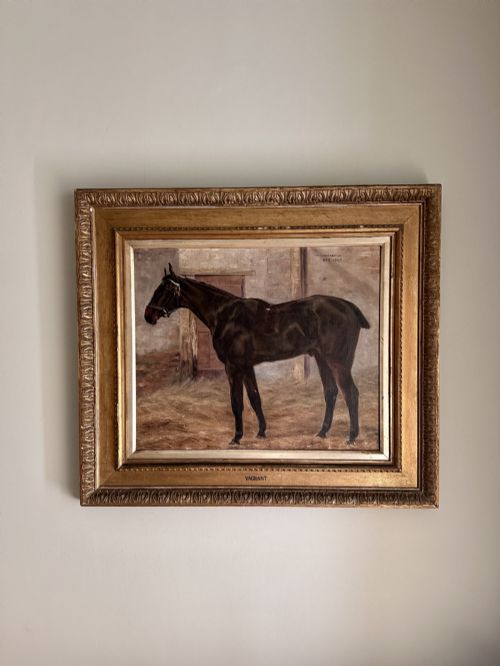
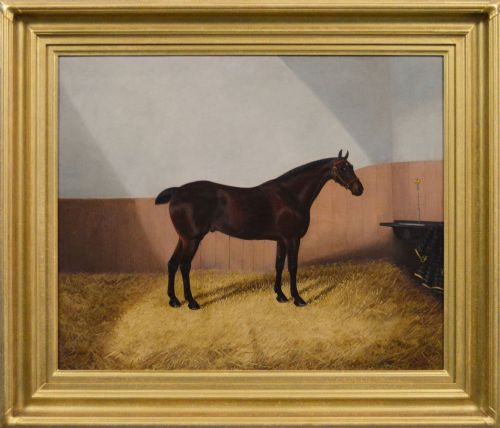
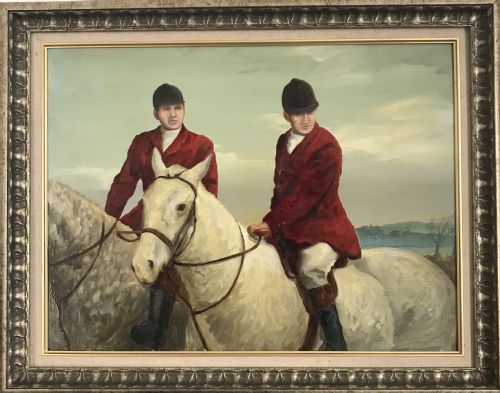
When you search for vintage horse portrait canvas works, you encounter fine art spanning the Georgian, Victorian, and Edwardian eras through to the mid-twentieth century. The selection on this page leans heavily into traditional British sporting art, depicting named racehorses, hunters, and stable scenes.
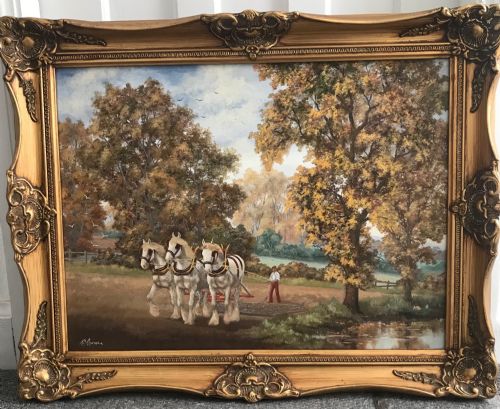
Subjects range from Epsom Derby winners and royal thoroughbreds to rural working shires and local hunt mares. These paintings record specific animals of note, often noting their lineage, owners, or famous racing victories directly within the artistic record.
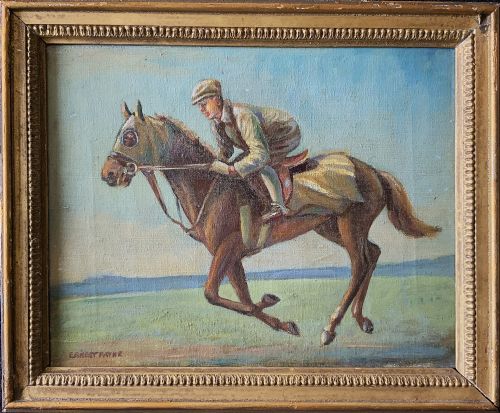
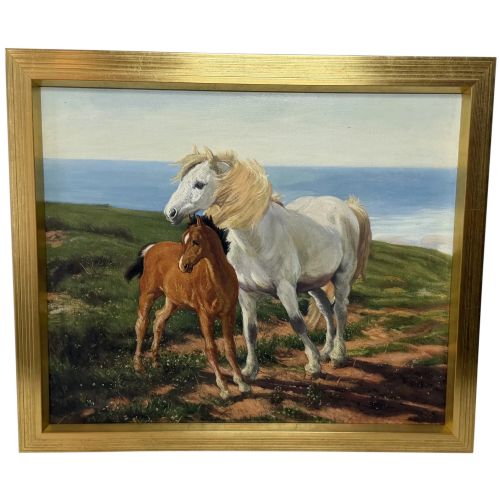
The prevailing form is an oil painting executed on canvas, housed in period wood or giltwood framing. You will find both intimate head studies in stables and sweeping landscape compositions featuring jockeys, trainers, and hounds.
How they were made
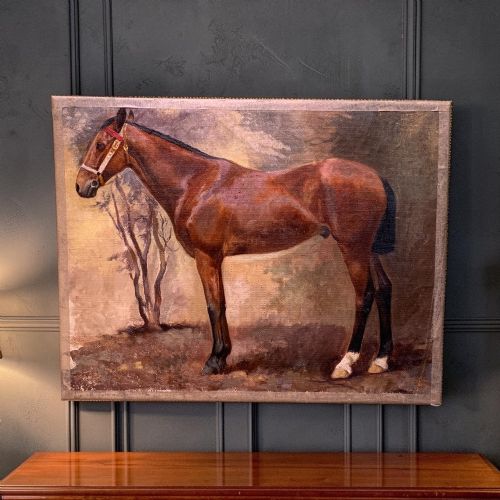
Artists built these portraits using oil paint applied to stretched canvas surfaces. This medium allowed painters to render the sheen of a bay or grey coat, the play of muscle beneath the skin, and atmospheric background details with remarkable depth.
Framing typically involved carved wood or giltwood mouldings designed to complement the tones of the painting. Many works retain their original frames, which protect the edges of the canvas and provide structural context for the era.
Listings feature oil on canvas mediums paired with wood and giltwood frames across Victorian, Edwardian, and mid-century periods.
What varies in quality
Anatomical precision and the accurate rendering of equine form set the finer works apart from standard studio pieces. Master painters capture the distinct temperament, bone structure, and muscular tension of the specific horse rather than relying on generic animal shapes.
Provenance and historical documentation heavily influence the standing of a canvas. Works that reliably name the horse, owner, jockey, or race, and link back to known estates or sporting galleries, carry a stronger narrative value.
Henry Barraud·Frederick Albert Clark·Albert Clark·Jean-Gabriel Domergue·Fred Fitzpatrick·Ernest Payne·Thomas Walker Bretland·Edward Lloyd of Ellesmere·George E Sharpe·Benjamin Cam Norton·Clifton Tomson·Alfred Wheeler·Alfred Moginie Bryant·Abraham Cooper RA
The Vintage Horse Portrait Canvas Glossary
- Oil on Canvas
- Pigments suspended in a drying oil medium applied to a woven fabric support. This combination provides rich colour blending and long-term durability.
- Giltwood
- Wood carved and coated with a thin layer of gold leaf or metallic gilt finish. It serves as a traditional decorative frame material for formal portraits.
- Sporting Art
- A genre of painting dedicated to equine subjects, hunting, racing, and rural field sports. It documents animals, handlers, and sporting events of the nineteenth and twentieth centuries.
- Bay
- A horse coat colour characterised by a reddish-brown body with black points on the mane, tail, and lower legs. It appears frequently among the hunter and racehorse subjects on this page.
- Thoroughbred
- A horse breed developed for racing, known for its agility, speed, and spirit. Many canvases specifically commemorate champion racehorses of this lineage.
Vintage Horse Portrait Canvas: Frequently Asked Questions
How do I identify the subject of a horse portrait?
Many canvases include inscriptions on the canvas, stretcher bars, or original frames naming the horse, owner, or race. Reference books and racing records often help connect these names to historical events.
Studying the specific markings, jockey silks, and trainer notations provides further clues to the identity of the animal.
What is the difference between a hunter and a racehorse painting?
Hunter portraits generally depict sturdier, powerful horses posed in stables or pastoral landscapes reflecting country pursuits. Racehorse paintings often feature leaner animals shown in racing condition, sometimes alongside jockeys or on the track.
Both styles utilise oil on canvas but serve different documentation purposes within sporting art.
Where were these equine portraits originally displayed?
These paintings typically hung in country houses, estate stables, sporting clubs, and provincial galleries associated with owners and trainers. They served as proud records of valuable livestock and sporting victories.
Today, they transition easily into modern country interiors, libraries, and studies.
How do I care for a vintage oil on canvas?
Keep the canvas away from direct sunlight and steady humidity levels to prevent paint cracking and canvas slackening. Dust the surface gently with a soft, dry brush without applying pressure.
Professional cleaning and restoration should be left to conservators familiar with nineteenth and twentieth-century oil paintings.