


Vintage Horse Canvas Picture
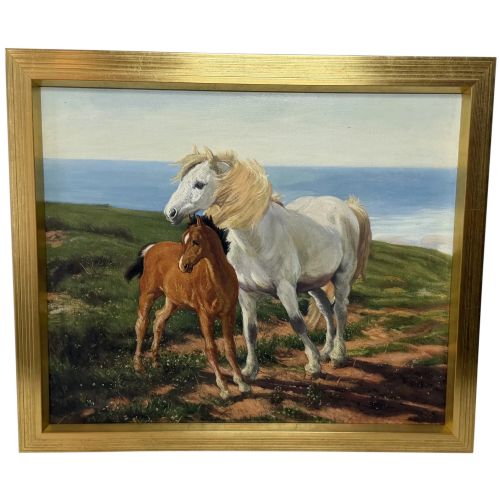
A vintage horse canvas picture brings traditional sporting art and equestrian portraiture into a room with rich brushwork and historic character.
Vintage Horse Canvas Picture
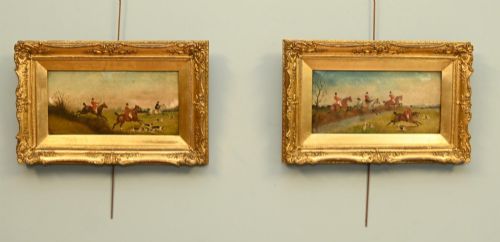
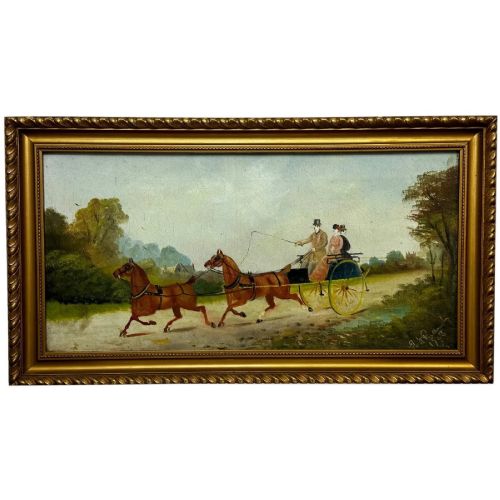
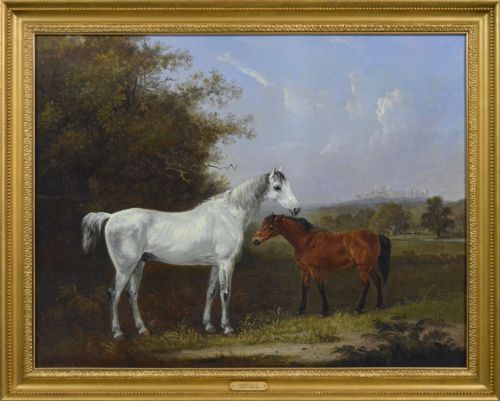
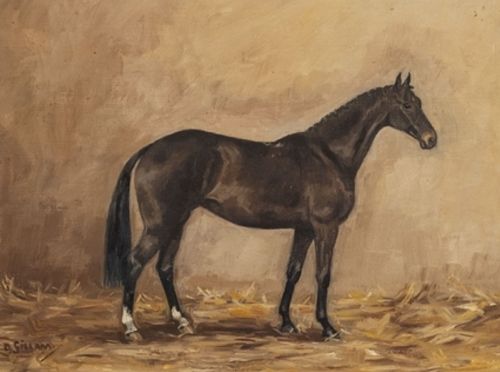
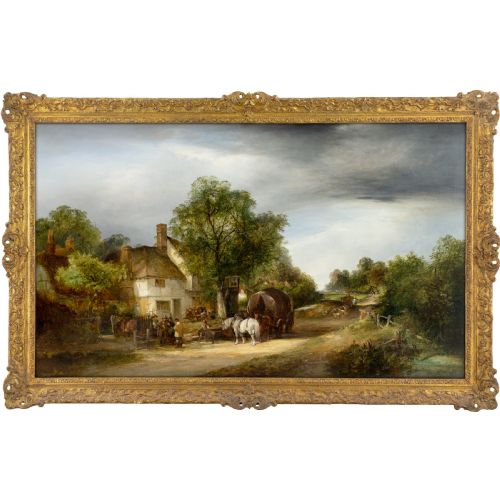
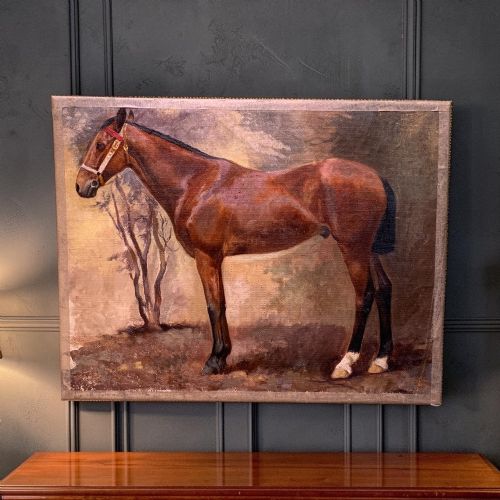
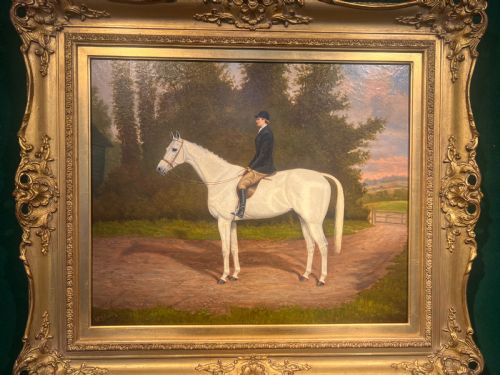
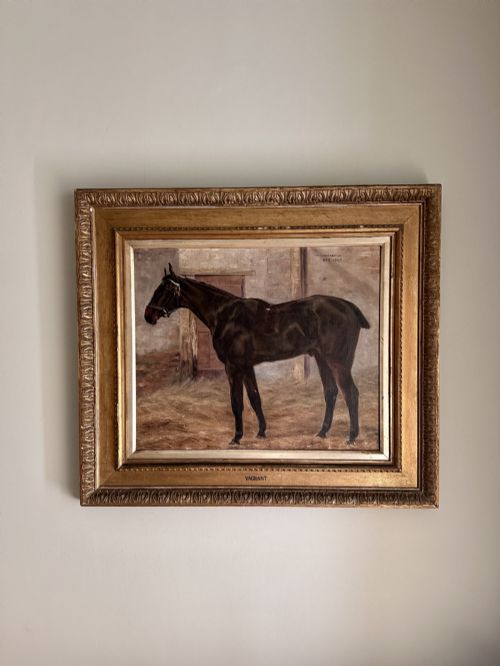
A vintage horse canvas picture encompasses original oil paintings on canvas depicting equines, hunters, racehorses, and working animals in various settings. These artworks range from intimate nineteenth-century portraits of named animals to wider rural landscapes featuring coaches, carts, and hunting scenes.
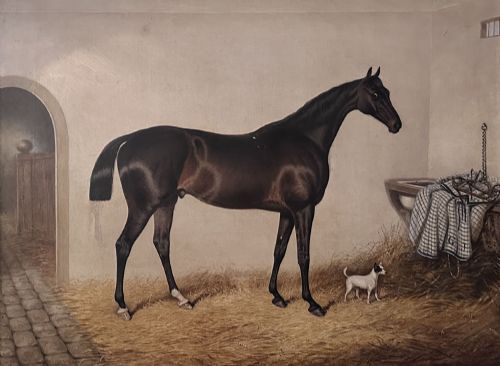
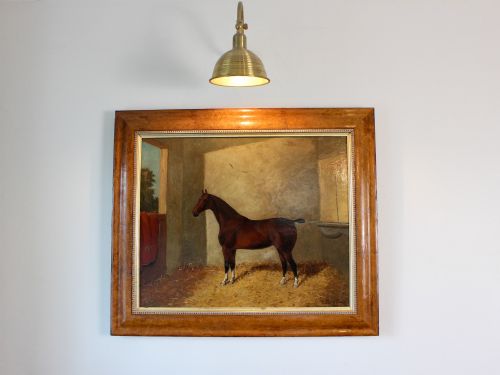
Buyers encountering this selection will predominantly find works spanning the nineteenth century through the mid-twentieth century, including British sporting art and traditional country scenes. The subjects vary from solitary grey mares and bay hunters in stables to dynamic steeplechase moments and coaching routes.
The aesthetic is rooted in traditional British and European school painting, capturing the musculature and spirit of horses through layered oil paint. These pictures offer a direct connection to historical equestrian culture, preserved on woven canvas supports.
How they were made
Artists applied oil paint to stretched canvas, often mounted on wooden stretchers and housed within wooden or giltwood frames. The medium allowed for rich blending of tones to render the sheen of a horse coat and the atmospheric depth of rural landscapes.
Techniques relied on traditional brushwork, building up opaque layers and transparent glazes to achieve realistic textures in the manes, leather tack, and surrounding foliage. The physical support of canvas combined with durable oil pigments ensured these depictions survived decades of changing domestic environments.
Several canvases capture dogs sharing the stable yard with horses, quietly observing the equine portraits from the floor.
What varies in quality
The distinction between standard works and finer examples lies in the anatomical accuracy of the horse, the sensitivity of the brushwork in the head and eye, and the composition of the wider scene. Master painters achieved a distinct vitality in the subject that elevated a simple record into a compelling portrait.
Provenance and attribution also differentiate the range, as signed works by recognised nineteenth and twentieth-century painters command greater interest than anonymous pieces from the regional British school. The preservation of the original canvas and the harmony of the period frame contribute further to the standing of an individual artwork.
Fred Fitzpatrick·Charles Walter Simpson·Edward Lloyd of Ellesmere·Alfred Wheeler·Abraham Cooper RA·Charles Bilger Spalding RA·John Vine of Colchester·Thomas Blinks
The Vintage Horse Canvas Picture Glossary
- Equine portrait
- A painting specifically focused on recording the likeness and conformation of a particular horse, often commissioned by owners or breeders.
- Sporting art
- A genre of painting dedicated to equestrian subjects, hunting, racing, and rural pastimes, capturing the action and atmosphere of rural sports.
- Giltwood
- Wood carved and coated with gold leaf or gold paint, frequently used for traditional picture frames housing oil paintings from the nineteenth century.
- Bay
- A horse coat colour characterised by a reddish-brown body with black points on the mane, tail, and lower legs, frequently seen in these oil paintings.
- Stretchers
- The internal wooden frames upon which canvas is stretched tight before painting, providing structural support to the artwork.
Vintage Horse Canvas Picture: Frequently Asked Questions
What periods do these paintings come from?
The works predominantly date from the nineteenth century through the mid-twentieth century, reflecting popular tastes in equestrian and sporting art across several decades.
Earlier examples often align with Victorian traditions, while mid-century pieces demonstrate a continuation of classic British school techniques.
How were these horse paintings displayed originally?
These canvases were typically framed in substantial wooden or giltwood mouldings and hung in country houses, estate offices, and stable administrative rooms.
They served as both decorative focal points and records of prized hunters, racehorses, and notable rural events.
How do I identify a named horse in a portrait?
Many nineteenth and twentieth-century equestrian paintings include inscriptions on the canvas or frame detailing the name of the horse, such as a specific hunter or racehorse.
Historical records, estate provenances, and signatures by established sporting artists often confirm the identity of the animal and its owner.
Are all the paintings rendered in oil on canvas?
The listed items consist primarily of oil paint applied to stretched canvas supports, utilising traditional brush methods standard to the British and European schools.
Some pieces are housed in their original wood or gilt frames, maintaining the physical integrity of the period framing style.